
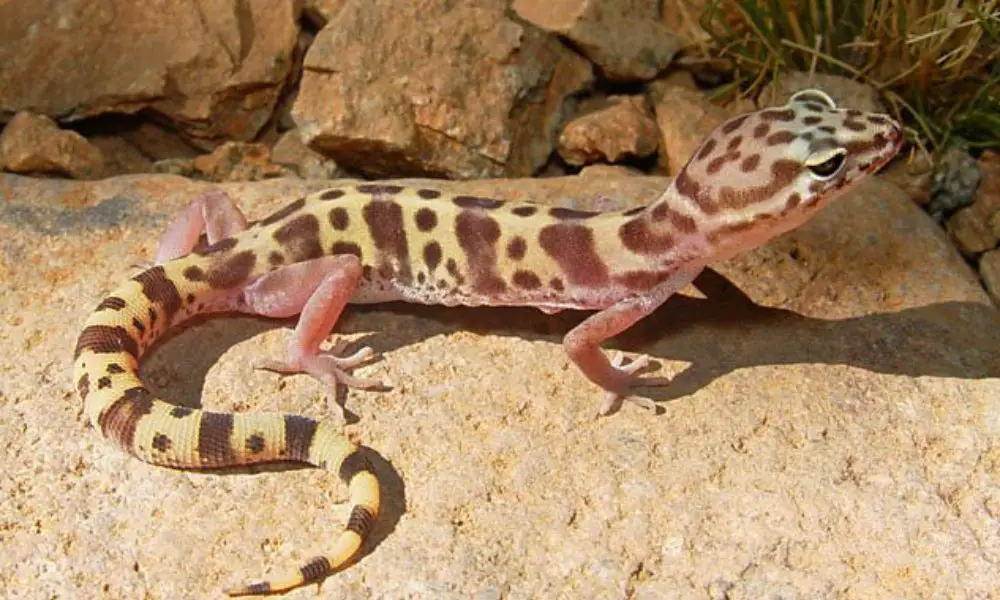
The Western Banded Gecko, known scientifically as Coleonyx variegatus, is a tiny desert dweller with a big trick up its sleeve—or rather, its tail. These small reptiles, found in dry regions of the southwestern U.S. and Mexico, shake their tails like tiny rattlesnakes to scare off predators. Unlike most geckos that freeze or flee, this species uses sound and motion to survive. Their banded patterns help them hide in sandy environments, making them masters of desert life.
Whether you’re a nature lover, a future pet owner, or just curious about desert wildlife, the Western Banded Gecko offers surprising insights. From their night-hunting habits to their ability to detach tails, every part of their life tells a story of adaptation. Let’s dive into why this unassuming lizard has earned its spot in the wild—and even in some homes as a pet.
Key Takeaways
- The Western Banded Gecko mimics rattlesnakes by shaking its tail to deter threats.
- Its scientific name is Coleonyx variegatus, distinguishing it from other gecko species.
- These geckos live in deserts of the U.S. Southwest and northern Mexico.
- They use camouflage and tail displays to survive in harsh, arid environments.
- Learning about them reveals how small creatures shape desert ecosystems.
Introduction to the Western Banded Gecko
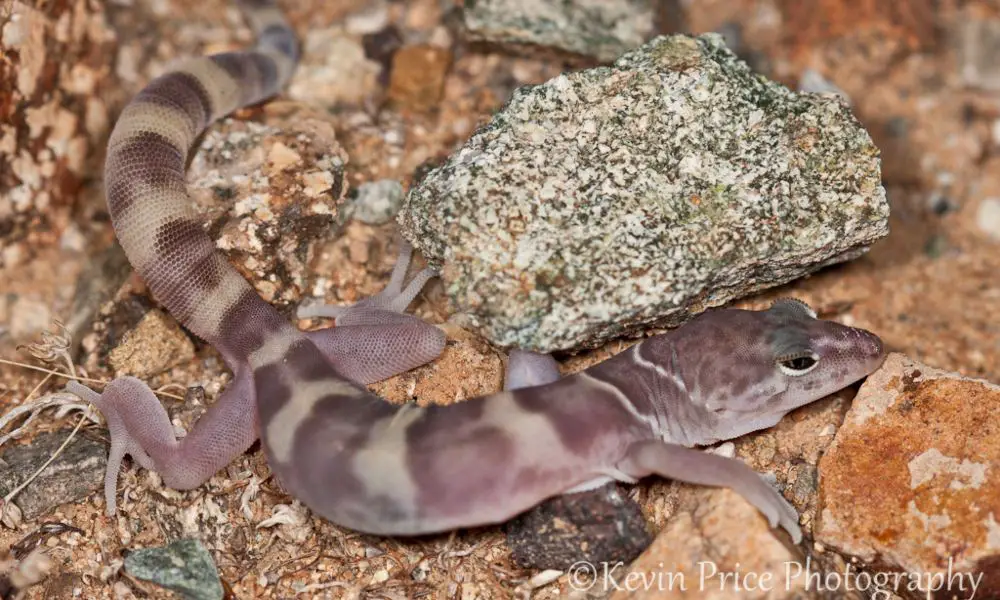
The Western Banded Gecko, or Coleonyx variegatus, is a small, desert-adapted lizard native to North America. These geckos thrive in harsh environments, blending science and survival strategies into their daily lives. Let’s explore their world through key details about their identity, home, and looks.
What Is a Western Banded Gecko?
Scientifically named Coleonyx variegatus, this gecko belongs to the family Eublepharidae. Unlike most geckos, they have movable eyelids, aiding in keeping dust out. Their species name “variegatus” refers to their striking banded patterns, which help them avoid predators. These reptiles are part of the broader Western Banded Gecko species group, distinct from other desert lizards.
Habitat and Distribution
Western Banded Geckos inhabit three major deserts:
- Mojave Desert in California
- Sonoran Desert in Arizona and northern Mexico
- Chihuahuan Desert in Texas and Mexico
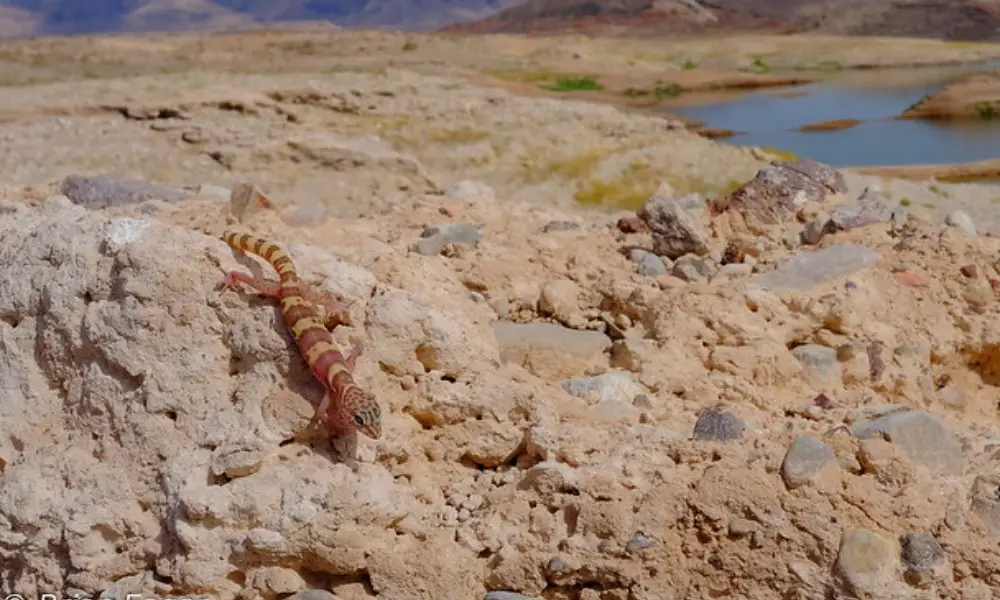
They prefer rocky outcrops and sandy washes, using crevices to escape extreme heat. Their range spans from southern California to western Texas, making them a key part of southwestern ecosystems.
Physical Characteristics
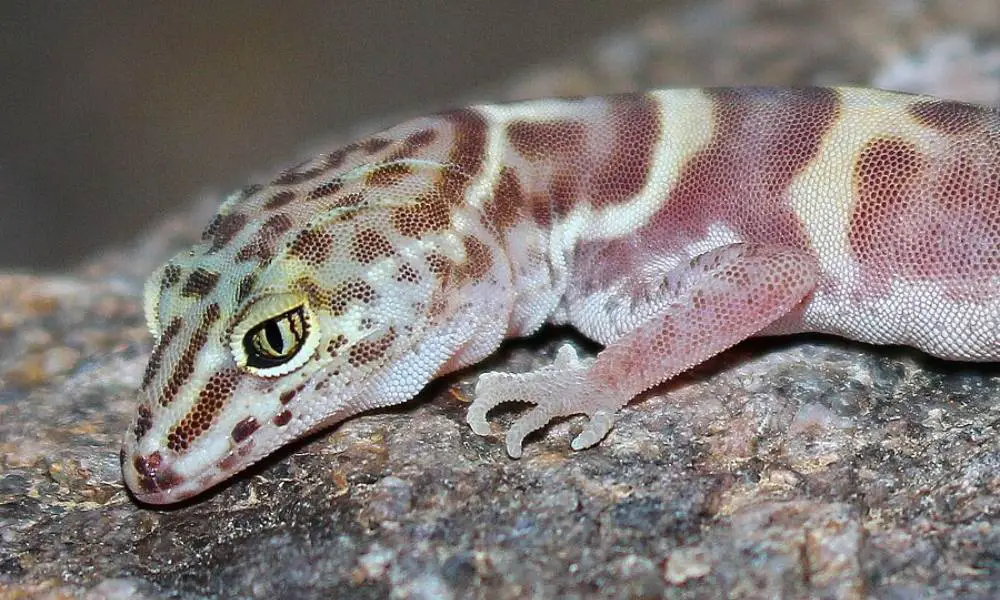
Adult Western Banded Geckos grow 4–6 inches long, with slender bodies and a tail as long as their body. Key features include:
- Brown or tan skin with dark crossbands
- Movable eyelids for cleaning sand away
- No toe pads, so they walk on rough ground instead of climbing
These traits let them survive in deserts, from hiding from heat to hunting at night.
Unique Behaviors of the Western Banded Gecko
The Western Banded Gecko’s quirky habits make it a standout among small exotic pets. These tiny desert dwellers have evolved behaviors that help them survive in harsh environments while intriguing owners who choose them as companions.
Tail Rattling: A Unique Defense Mechanism
When threatened, this gecko’s tail becomes its weapon. By rapidly vibrating its tail against surfaces, it creates a buzzing sound that mimics a rattlesnake’s rattle. This trick often startles predators, buying time for escape. Unlike snakes, the gecko lacks a segmented tail—its “rattle” is all motion and sound.
Nocturnal Habits and Foraging
Night is when these geckos shine. They emerge at dusk to hunt using specialized adaptations:
- Large eyes with vertical pupils capture moonlight, aiding nighttime vision.
- They stalk insects slowly, striking quickly with a flick of their tongue.
- Daytime is spent hiding under rocks or debris to avoid extreme heat.
Social Interaction and Communication
Though solitary, Western Banded Geckos communicate through subtle cues:
| Behavior | What It Means |
|---|---|
| Tail wagging | Stress or aggression during encounters |
| Head bobbing | Sign of dominance during territorial disputes |
| Pheromone marking | Leaving scent trails to signal ownership |
These signals help them navigate their world without direct contact—a smart strategy in sparse desert ecosystems.
The Diet of the Western Banded Gecko
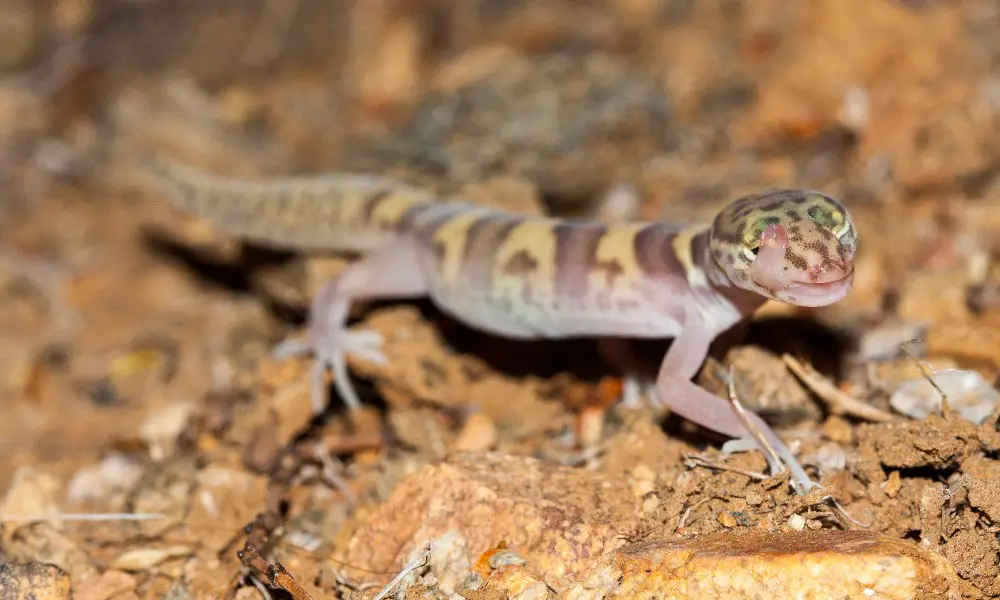
Understanding what the Western Banded Gecko eats helps owners and enthusiasts ensure their well-being. These small reptiles thrive on a diet that’s both simple and nutritionally rich, making them good for beginner pet gecko owners who want a manageable yet rewarding pet.
What Do They Eat?
In the wild, these geckos hunt Western Banded Gecko prey that includes:
- Small spiders
- Beetles
- Crickets
- Grasshoppers
- Cockroaches
Hunting Techniques
These nocturnal hunters rely on stealth and speed. Their process includes:
- Using large eyes to spot movement in low light.
- Pouncing with a flick of their tongue to catch prey.
- Crushing prey with sharp teeth before swallowing whole.
Importance of Insects in Their Diet
Insects provide critical nutrients like calcium and protein. A varied diet supports growth and health. Here’s how their meals stack up:
| Nutrient | Source | Example |
|---|---|---|
| Calcium | Roaches | Discoid roaches |
| Protein | Arthropods | Crickets |
| Vitamins | Wild insects | Small beetles |
For pet owners, live feeder insects from stores make feeding easy. A mix of crickets and mealworms ensures balanced nutrition, reinforcing why they’re good for beginner pet gecko caretakers. Avoid overfeeding—3–4 insects nightly suits their needs.
Western Banded Gecko Habitat
The Western Banded Gecko (Coleonyx variegatus) thrives in environments where sun-baked landscapes meet sheltered retreats. Their survival depends on specific habitats that balance warmth and refuge.
Preferred Types of Environments
These geckos favor arid regions with rocky outcrops, sandy washes, and scrubland. They seek out crevices in rocks and abandoned rodent burrows to hide from predators and extreme heat.
- Rocky terrain: Offers shade and nesting sites.
- Sandy areas: Used for burrowing and hunting insects at night.
- Vegetation patches: Provide cover and insect prey.
Impact of Climate on Their Living Conditions
Temperature extremes shape their daily routines. During summer, they remain inactive during the day, emerging only after sunset. In winter, they may enter torpor to survive cold spells.
“Their bodies act like thermometers—they adjust activity based on the environment,” explains desert biologist Dr. Elena Marquez.
Conservation of Their Natural Habitat
Human activities threaten these fragile ecosystems. Urban sprawl and off-road vehicles damage their shelters. Protecting their habitats involves:
- Limiting land development in key gecko zones.
- Restoring degraded desert areas with native plants.
Every rock pile or preserved dune helps secure a future for Coleonyx variegatus. Small steps like leaving natural shelters undisturbed make a big difference.
Reproduction and Life Cycle
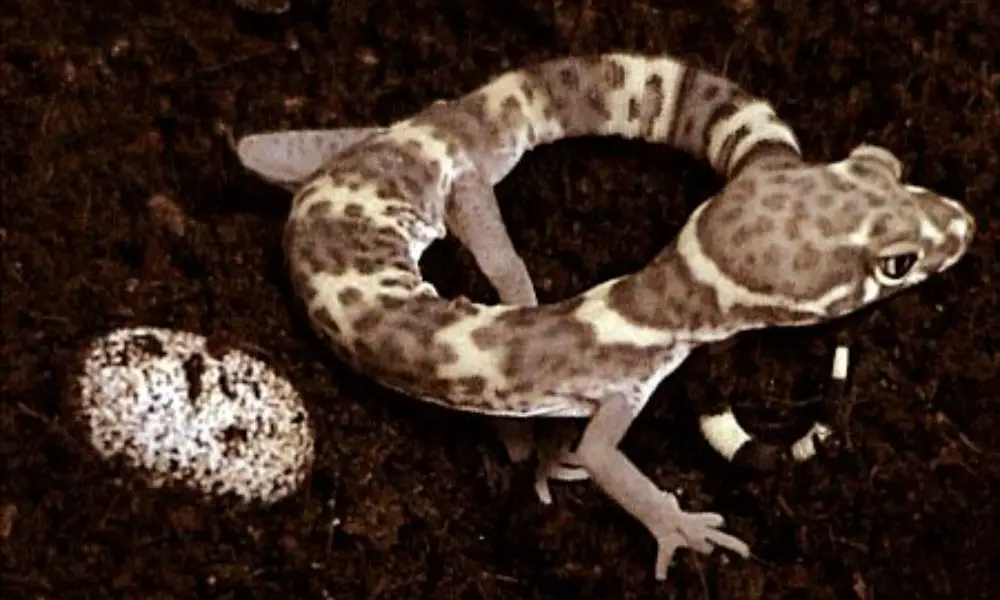
The Western Banded Gecko’s journey from egg to adulthood is a quick, fascinating process. Their reproductive cycle plays a key role in why they’re popular as small exotic pets. Let’s explore how these desert dwellers grow and thrive.
Key Breeding Behaviors
During spring and summer, males actively court females with head-bob displays. Competing males may engage in gentle wrestling to secure mates. After pairing, females begin preparing to lay eggs.
Egg-Laying Process
- Females bury 1–2 leathery eggs in warm, slightly damp soil
- They may lay 2–3 clutches per breeding season
- Eggs hatch naturally in 6–8 weeks without parental care
Development Timeline
| Stage | Duration | Key Traits |
|---|---|---|
| Egg Incubation | 6–8 weeks | Unattended eggs develop in hidden locations |
| Hatchling | 0–3 months | Independently hunt tiny insects within days of birth |
| Juvenile | 3–9 months | Grow rapidly, shedding skin regularly |
| Adult | 9+ months | Reach breeding maturity in less than a year |
Their rapid growth makes them ideal as small exotic pets. Owners can observe every stage, from eggs hatching to juveniles reaching adulthood in under a year. This cycle’s simplicity supports their popularity in captivity, balancing educational value with manageable care needs.
Care and Keeping as a Pet
Keeping the Western Banded Gecko as a pet offers a rewarding experience for reptile enthusiasts. Their manageable size and simple needs make them good for beginner pet gecko owners. A well-prepared habitat and routine care ensure these desert dwellers thrive in captivity.
Ideal Terrarium Setup
Create a space that mirrors their natural arid environment. Use a 10-20 gallon tank for one gecko. Line the enclosure with fine sand or a sand-soil mix to aid burrowing. Include hiding spots like rocks or cork bark. Maintain a temperature gradient: 85-90°F on one side and 75°F on the other. Avoid high humidity—aim for 30-40% to prevent respiratory issues.
Dietary Needs for Captive Geckos
These geckos rely on a diet of live insects. Offer crickets, mealworms, or dubia roaches 2-3 times weekly. Dust insects with calcium powder before feeding to support bone health. Provide a shallow water dish, but mist the enclosure occasionally for hydration.
Handling and Interaction Tips
Handle your gecko gently, using both hands to support its body. Limit sessions to 5-10 minutes to avoid stress. Signs of distress include tail twitching or rapid movement—return them to their enclosure if this occurs. Building trust takes time; consistency and calm movements help. As one breeder advises, “Slow and steady wins the race with these delicate creatures.”
Health Risks and Common Issues
Keeping the Western Banded Gecko as a pet requires vigilance to ensure their well-being. These tiny, jewel-like pets are prone to specific health issues that demand prompt attention. Early detection can prevent minor problems from becoming serious.
Identifying Common Health Problems
Watch for these signs of illness:
- Metabolic bone disease (MBD): Soft jaws, brittle bones, or unusual posture.
- Respiratory infections: Wheezing, open-mouth breathing, or mucus near nostrils.
- Parasites: Weight loss, lethargy, or visible mites on skin or near eyes.
- Impaction: Constipation from swallowing substrate, leading to swollen bellies or straining.
- Shedding issues: Retained skin on tails or toes, causing circulation risks.
Preventative Care Tips
Maintain health through these steps:
- Offer calcium-rich diets with vitamin D3 supplements to prevent MBD.
- Keep humidity levels stable—too much can lead to respiratory issues.
- Spot-clean habitats daily and disinfect enclosures monthly.
- Quarantine new geckos to avoid parasite spread.
Importance of Veterinary Check-ups
Find a reptile-savvy veterinarian familiar with geckos. Annual exams help catch issues early. Before visits, gather records of feeding habits and habitat conditions. Transport your pet in a secure, ventilated container lined with damp moss to reduce stress.
Ecological Role in Their Environment
The Western Banded Gecko plays a vital role in desert ecosystems. Their survival connects them to both predators and prey, shaping the balance of arid landscapes. Learning about their ecological impact helps owners of these small exotic pets appreciate their natural behaviors.
Predators and Prey Relationships
These geckos avoid predators like snakes, owls, and coyotes using stealth and defense tactics. When threatened, they:
- Rattle their tails to mimic rattlesnakes
- Drop their tails to escape grabs
- Blend into sandy environments
Contribution to Insect Population Control
As nocturnal hunters, they eat beetles, spiders, and ants. A single gecko can consume hundreds of insects nightly. This helps reduce pest populations naturally. For small exotic pet owners, replicating this diet in captivity supports their health.
Effects of Human Encroachment
Development projects like roads and farms disrupt their habitats. Below shows key human impacts and solutions:
| Activity | Impact | Conservation Tip |
|---|---|---|
| Urban expansion | Habitat fragmentation | Protect native dunes and creosote bushes |
| Pesticide use | Food source decline | Advocate for eco-friendly pest control |
Understanding these challenges highlights why conserving wild populations matters—even for those keeping them as pets. Responsible ownership starts with respecting their wild heritage.
Fun Facts About the Western Banded Gecko
Ready to discover surprising tidbits about this desert dweller? The Western Banded Gecko holds secrets that blend science and folklore.
Unique Characteristics That Stand Out
- Movable eyelids: Unlike most geckos, they blink! Their eyes stay clean in gritty desert environments.
- No sticky toes: While other geckos climb walls, these tiny, jewel-like pets rely on speed over adhesion.
- Whisperers of the night: They chirp and squeak to communicate—a rare trait among reptiles.
Cultural Significance in Native American Traditions
Southwestern tribes viewed these geckos as symbols of resilience. Some stories say their banded patterns mirror the desert’s shifting sands. As one Hopi proverb notes: “The gecko’s dance teaches patience in dry times.”
Myths and Misconceptions
- “They’re venomous” – False! Their harmless bite may startle, but they’re no threat to humans.
- “Need constant handling” – These shy creatures thrive with minimal interaction, making them ideal for first-time reptile owners.
- “Bad luck if spotted indoors” – A common myth; in reality, they’re nature’s pest control, eating harmful insects.
From quirky habits to misunderstood myths, the Western Banded Gecko proves even small creatures hold big stories.
Conclusion: Why Love the Western Banded Gecko?
From their tail rattling to their nocturnal adventures, the Western Banded Gecko is a desert marvel. These small reptiles play big roles in ecosystems and captivate as curious pets. Let’s wrap up what makes them so special.
Summary of Their Importance
Western Banded Geckos control insect populations and adapt flawlessly to deserts. Their survival strategies, like hiding under rocks and mimicking rattlesnakes, highlight their resilience. Studying them helps scientists understand desert life and reptile behavior.
Encouragement to Learn More and Protect Their Habitat
Exploring their world means valuing desert ecosystems. Support conservation by learning about local wildlife programs or reducing light pollution that disrupts their night routines. Small actions, like respecting their habitats during hikes, protect these geckos for future generations.
Final Thoughts on Keeping Them as Pets
For those considering the Western Banded Gecko as a pet, prioritize ethical care. Research proper terrarium setups and feed them live insects like crickets. Always choose captive-bred specimens to avoid harming wild populations. Their quiet charm rewards patient owners willing to meet their needs.
FAQ
What is a Western Banded Gecko?
The Western Banded Gecko, scientifically known as Coleonyx variegatus, is a small desert-dwelling reptile that is known for its distinctive banded patterns and unique tail-rattling behavior. They typically measure around 4-6 inches in length.
Why should I consider keeping a Western Banded Gecko as a pet?
Western Banded Geckos make for excellent beginner pets due to their manageable size, relatively straightforward care requirements, and unique behaviors. Their charming personality and vibrant appearance add to their appeal as a tiny, jewel-like pet!
What kind of habitat do Western Banded Geckos need?
Ideally, your Western Banded Gecko should be housed in a terrarium that mimics their natural environment, with a temperature gradient, suitable substrates like sand or a sand/soil mix, and plenty of hiding spots to help them feel secure.
What do Western Banded Geckos eat?
These geckos are insectivores, primarily feeding on crickets, mealworms, roaches, and other small arthropods. Providing a varied diet is crucial for their health.
How can I tell if my gecko is healthy?
Signs of a healthy Western Banded Gecko include clear eyes, smooth skin, and an active demeanor. Watch for any changes in behavior, appetite, or physical appearance as these can indicate health issues.
Can I handle my Western Banded Gecko?
Yes, you can handle them gently! It’s important to do so with care and to observe their stress signals. Start by letting them get used to your presence before attempting to pick them up.
How often should I take my gecko to the vet?
Regular veterinary check-ups are advised, ideally once a year, especially with an exotic pet like a Western Banded Gecko. Look for a vet who has experience with reptiles for the best care.
Are there any unique behaviors to know about?
Yes! One of the most fascinating behaviors is their ability to rattle their tails, mimicking rattlesnakes as a defense mechanism. They are also nocturnal, preferring to be active at night.
What should I watch for in terms of health issues?
Common health issues in Western Banded Geckos include metabolic bone disease, parasites, and respiratory infections. Regularly monitoring their behavior and appearance can help catch problems early.
How do I create a comfortable environment for my gecko?
Provide a habitat with a temperature gradient, low humidity around 30-40%, hiding spots, and appropriate lighting to mimic day/night cycles. This will ensure your pet is stress-free and healthy.