
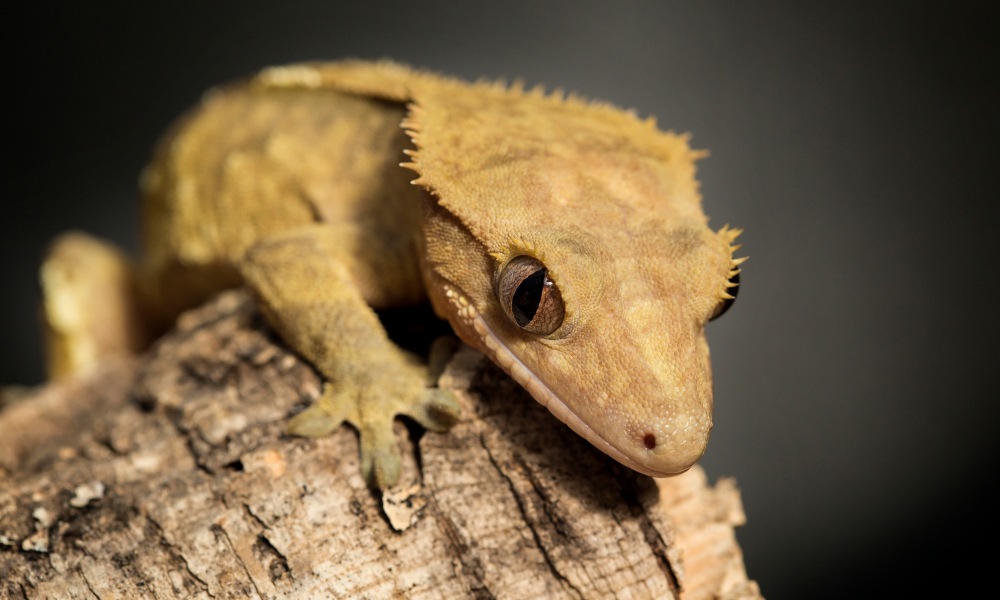
New Caledonian Crested Geckos are captivating reptiles known for their unique eyelash-like crests and sticky toe pads. These small lizards, native to the tropical forests of New Caledonia, have become a favorite in the exotic pet community. Despite their delicate appearance, they thrive with proper care, making them a rewarding choice for dedicated owners.
This guide covers everything from habitat setup to health tips, ensuring your gecko lives a long, healthy life. Their popularity stems from their low-maintenance routine once their specific needs are met, such as humidity levels and nutrient-rich diets.
Table of Contents
- Key Takeaways
- Introduction to the New Caledonian Crested Gecko
- Physical Characteristics
- Behavior and Temperament
- Habitat Requirements
- Diet and Feeding
- Health and Common Issues
- Breeding New Caledonian Crested Geckos
- Choosing a New Caledonian Crested Gecko
- The Role of New Caledonian Crested Geckos in the Pet Trade
- Fun Facts About New Caledonian Crested Geckos
- Conclusion and Final Thoughts
Key Takeaways
- New Caledonian Crested Geckos need humid environments mimicking their tropical origins.
- A balanced diet includes fruits, insects, and commercial gecko diets.
- Regular health checks help prevent common issues like metabolic bone disease.
- These geckos prefer calm settings, avoiding constant handling.
- Proper enclosure setup is key to their well-being.
Introduction to the New Caledonian Crested Gecko
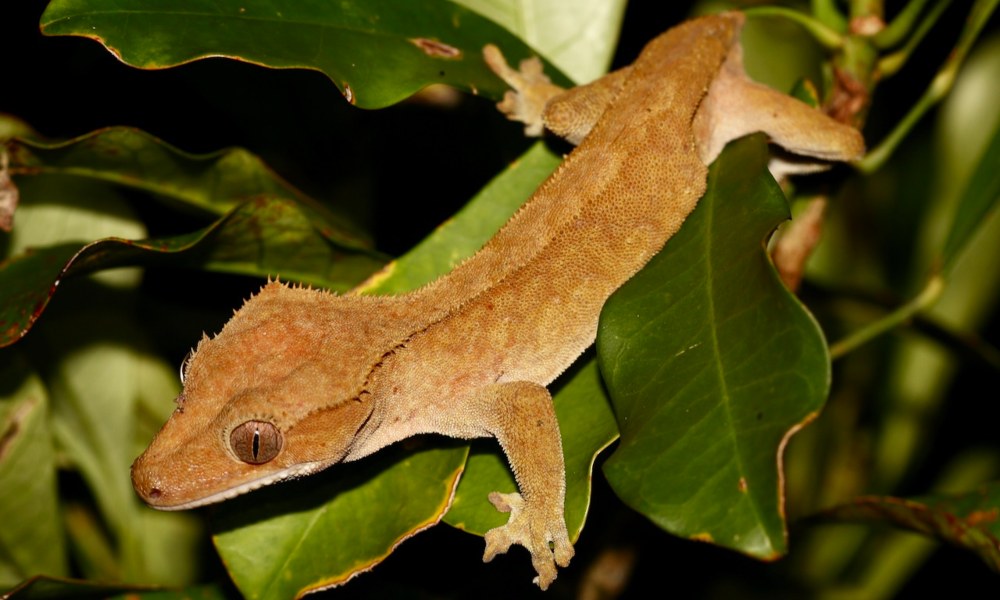
The New Caledonian Crested Gecko (Correlophus ciliatus) is one of the most intriguing gecko species known to herpetologists. Native to the tropical islands of New Caledonia, this reptile remained elusive until its rediscovery in 1994, sparking renewed interest in this unique gecko species. Today, it’s a popular pet, but its wild origins still shape its care needs.
Overview of the Species
Belonging to the family Gekkonidae, this gecko stands out among other gecko species for its distinctive fringed crest running from head to tail. Its scientific name, Correlophus ciliatus, reflects its evolutionary adaptations to island ecosystems. Before 1994, it was mistakenly classified as extinct, highlighting its rarity in early 20th-century records. This rediscovery transformed its role in the pet trade, making it a focus for breeders and hobbyists.
Habitat Origins and Natural Environment
These geckos evolved in the dense, humid forests of New Caledonia, where they rely on vertical habitats. Key environmental traits include:
- Canopy-dwelling lifestyles in tropical rainforests
- Shelter in tree hollows and epiphytic plants
- Nighttime activity patterns for hunting insects and sipping nectar
Wild geckos spend most of their time above ground, climbing with specialized toe pads. Their diet blends protein from insects and sugars from fallen fruit, habits owners must replicate in captivity. By mirroring these gecko species natural behaviors, keepers ensure healthier pets. This background underscores why humidity and vertical space are critical in their enclosures.
Physical Characteristics
New Caledonian crested geckos boast striking physical traits that make them stand out. Their namesake crests run from head to tail, while their prehensile tails and adhesive toe pads let them climb effortlessly. Among their most sought-after features are their diverse gecko morphs, which vary in color and pattern.
Color Variations and Patterns
Breeders and enthusiasts love these geckos for their gecko morphs. Common colors include red, yellow, orange, and gray. Patterns like tiger stripes, flame markings, and harlequin designs add to their appeal. Selective breeding has created unique morphs such as the Dalmatian morph, featuring spotted patterns. These gecko morphs are prized in the pet trade for their visual diversity.
- Red morphs: Deep burgundy hues with contrasting patterns
- Flame morphs: Bold stripes radiating from the gecko’s eye area
- Harlequin morphs: Swirls of two or more colors across their bodies
Size and Lifespan
Adult geckos reach 8–10 inches from nose to tail tip. With proper care, they can live 15–20 years, making them a long-term pet commitment.
| Physical Trait | Details |
|---|---|
| Body Length | 4.5–8 inches (excluding tail) |
| Tail Length | 3–4 inches |
| Lifespan | 15–20 years in captivity |
“A well-cared-for crested gecko can be a lifelong companion,” notes a leading reptile breeder. “Their size and longevity make them a rewarding species to observe over decades.”
Understanding these traits helps owners appreciate their pets’ unique beauty and needs.
Behavior and Temperament

New Caledonian Crested Geckos have distinct behaviors shaped by their wild instincts. Observing their natural tendencies helps owners provide the best care. These geckos are nocturnal, becoming most active at night, and may make soft chirps or barks to communicate.
Social Interactions
These reptiles are primarily solitary but can display social behaviors in specific settings. Female geckos may tolerate sharing enclosures when space is ample, but constant monitoring is essential to spot aggression early. Males must never be housed together—they fiercely defend territories, leading to injury risks. Even between females, territorial disputes can arise if resources like hiding spots are scarce.
Handling and Tameness
New Caledonian Crested Geckos adapt to gentle handling but aren’t “lap pets.” Their well-being depends on calm interactions. Key tips for safe handling include:
- Support their body fully during handling to avoid falls.
- Avoid gripping the tail—this can detach as a defense mechanism.
- Limit sessions to 5–10 minutes to prevent stress.
These geckos thrive when given space to explore enclosures freely. Overhandling can cause anxiety, so prioritize observation over frequent interaction. Their calm demeanor during short sessions makes them rewarding to watch, not just touch.
Habitat Requirements
Crested geckos thrive in enclosures that mimic their natural gecko habitat. Proper setup ensures health and activity. Key elements include space, materials, and environmental conditions tailored to their arboreal lifestyle.
Ideal Enclosure Size and Type
Adult geckos need vertical gecko enclosure space. A minimum of 18x18x24 inches allows climbing and territorial comfort. Options like glass terrariums or PVC enclosures work well. Avoid overcrowding, as too-small spaces stress them.
- Vertical height: Prioritize height over floor space.
- Mesh enclosures: Ensure secure ventilation but avoid drafts.
- Single gecko per enclosure: Reduce aggression risks in communal setups.
Substrate and Climbing Structures
| Substrate Type | Pros | Cons |
|---|---|---|
| Coconut fiber | Retains moisture, natural | Risk of ingestion if dusty |
| Cypress mulch | Low dust, safe for humidity | Decays slowly over time |
| Bioactive setups | Self-sustaining ecosystems | Higher initial cost |
Pair substrates with climbing structures like live plants, cork bark, or artificial vines. Secure branches horizontally and vertically to encourage natural movement.
Temperature and Humidity Needs
Maintain daytime temps between 70–80°F. No heating is usually needed in moderate climates. Humidity should stay 60–80%, achieved through daily misting. Use a hygrometer to track levels. Adjust misting frequency in dry seasons.
Diet and Feeding
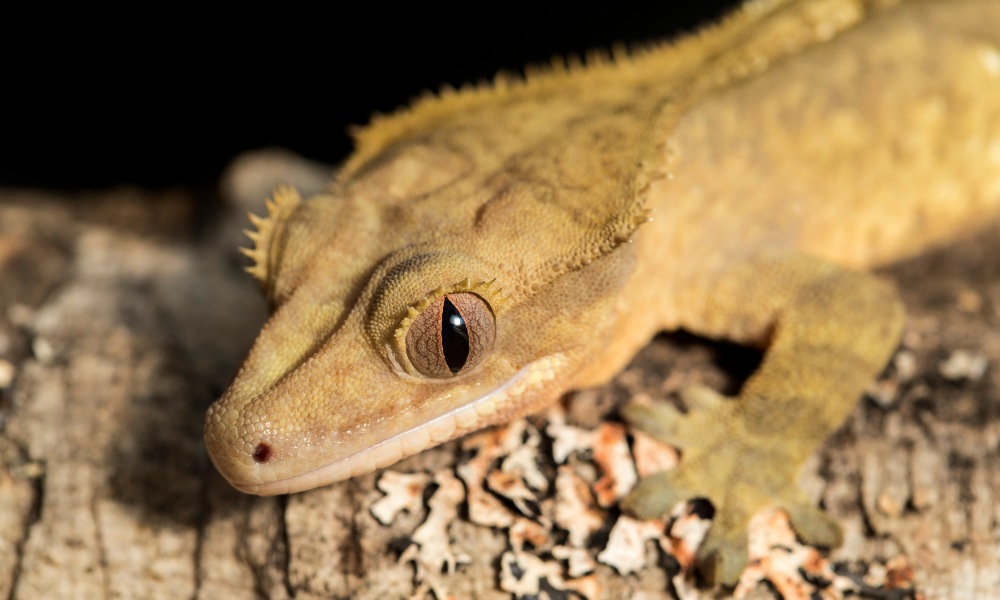
Understanding the gecko diet is key to keeping your crested gecko healthy. These reptiles thrive on a balanced mix of specialized powders and occasional live foods. Here’s how to create a meal plan that meets their unique needs.
Basic Diet Composition
Commercial gecko diet powders like Repashy Superfoods or Pangea Fruit Blend form the core of their meals. Mix these with water to create a sticky fruit-based food. Offer live insects like dubia roaches or small crickets only 1–2 times a week to add variety—they’re not a staple but a supplement.
Supplements and Nutritional Needs
Calcium and vitamin D3 supplements are vital. Dust insects with calcium powder before feeding, and gut-load them with nutrient-rich foods like collard greens before offering. Avoid phosphorus-heavy foods, which can interfere with calcium absorption. A balanced gecko diet prevents metabolic bone disease and supports strong bones.
Feeding Schedule Tips
- Adults: Feed 2–3 times weekly. Remove uneaten CGD after 24 hours to prevent mold.
- Juveniles: Offer food every 1–2 days for growth. Monitor intake to avoid overfeeding.
- Tip: Place food dishes on branches or elevated surfaces to mimic natural foraging.
If your gecko skips a meal, don’t panic—stress or shedding can cause temporary refusal. Consistency and freshness are key to a thriving reptile companion.
Health and Common Issues
Maintaining your crested gecko’s well-being starts with consistent gecko care practices. Regular checks and awareness of health indicators help catch issues early. Here’s how to stay proactive.
Monitoring for Illness
Check your gecko weekly for these signs of health and potential problems:
- Healthy geckos: Bright eyes, full body weight, active at night.
- Red flags: Sunken eyes, weight loss, or refusing food for a week.
- Behavior changes: Hiding excessively or moving sluggishly.
Common Health Problems
Watch for these issues and act quickly:
| Problem | Symptoms | Action Steps |
|---|---|---|
| Metabolic Bone Disease | Soft jaws, bent limbs | Adjust UVB lighting and calcium intake |
| Respiratory Infections | Labored breathing, wheezing | Consult a vet; adjust enclosure humidity |
| Parasites | Diarrhea, weight loss | Get a fecal test from a reptile specialist |
Preventative Care
“Prevention is the best medicine for your gecko’s long-term health.”
Key steps include:
- Keep enclosures clean with weekly spot-cleaning and monthly deep cleans.
- Quarantine new geckos for 30 days to prevent disease spread.
- Visit an exotic vet annually for check-ups.
- Reduce stress by avoiding sudden habitat changes.
Small adjustments in daily care create a strong foundation for lifelong gecko care success.
Breeding New Caledonian Crested Geckos
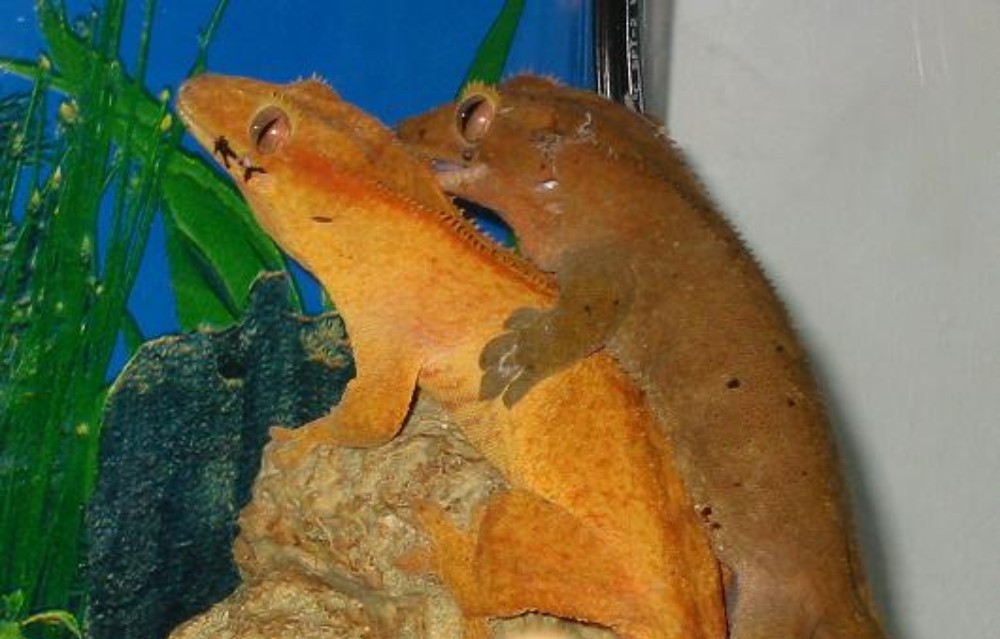
Responsible gecko breeding starts with understanding the commitment required. These small lizards thrive when breeders prioritize health and ethical practices over quick results.
Breeding Conditions
Adult geckos must be mature: 18+ months old and at least 35 grams. Proper setup ensures success:
- Mimic seasons: Lower night temps to 65–70°F for 2–3 months to trigger breeding instincts.
- Enclosure ratios: Keep a 1:1 male-to female ratio. Introduce pairs slowly to avoid fights.
- Incubation: Eggs (laid every 4–6 weeks) need vermiculite at 70–75°F. Humidity levels around 80–90% prevent drying.
Caring for Hatchlings
Newborns are delicate but eager to thrive. Key steps include:
- Small enclosures: Use 5–10-gallon setups with damp sphagnum moss and tiny branches.
- Feeding schedule: Dust tiny crickets and fruit-based pellets 2–3 times daily. Gut-load insects for better nutrition.
- Health checks: Monitor growth weekly. Look for steady weight gain and active behavior.
Ethical gecko breeding means avoiding inbreeding and ensuring each gecko finds a caring home. Seek mentorship from experienced breeders to avoid common pitfalls. Always research local regulations and consult a reptile vet before starting.
Choosing a New Caledonian Crested Gecko
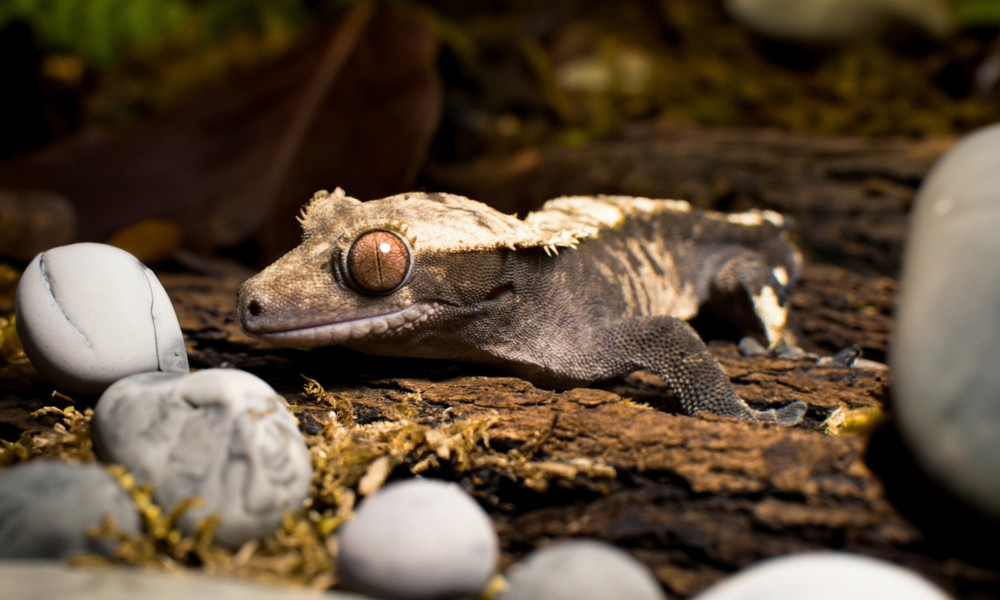
When looking for a gecko for sale, preparation ensures you find a healthy companion. Start by deciding if a juvenile or adult suits your experience. Juveniles grow quickly but require more feeding attention, while adults offer immediate maturity. Both options thrive with proper care.
Selecting a Healthy Gecko
Inspect these key traits to spot a healthy gecko for sale:
- Eyes: Clear, bright, and free of cloudiness
- Body: Symmetrical shape with no sunken sides (a sign of dehydration or poor diet)
- Activity Level: Alert and curious when handled
- Vent Area: Clean and dry to avoid infection risks
- Toe pads: Plump and sticky, not peeling or damaged
Reputable Breeders and Sources
Research breeders thoroughly before purchasing. Avoid sellers who:
- Pressure you to buy quickly
- Refuse to answer questions about the gecko’s health history
- Display overcrowded enclosures
Ask for proof of age, diet, and any health checks. Adoption through reptile rescues is another ethical option—many offer geckos for sale at lower costs. Always confirm the gecko is captive-bred to support conservation efforts. Wild-caught specimens often carry health risks and may contribute to habitat decline.
“Healthy geckos move gracefully, not sluggishly. Watch how they climb and react to touch,” says reptile vet Dr. Laura Chen.
The Role of New Caledonian Crested Geckos in the Pet Trade
Once thought nearly extinct, New Caledonian crested geckos now thrive in homes across the U.S. Their rise as beloved pets stems from adaptability and vibrant colors. Online communities like gecko forums fuel this trend, connecting enthusiasts to share tips and celebrate these reptiles.
Popularity in the Exotic Pet Community
Gecko forums are hubs where hobbyists discuss care methods and breeding. These platforms turn casual owners into experts, boosting the species’ appeal. Key reasons for their popularity include:
- Easy care routines compared to other reptiles
- Docile nature making them ideal for families
- Endless color variations, like tangerine and red phases
Conservation Considerations
Despite their success in captivity, wild populations remain at risk. Habitat loss and invasive predators in New Caledonia threaten their survival. Ethical pet ownership matters:
- Choose breeders who avoid wild-caught geckos
- Join gecko forums to learn about ethical practices
- Support conservation groups working in their native habitats
By staying informed through responsible communities, owners help protect wild geckos while enjoying these pets at home.
Fun Facts About New Caledonian Crested Geckos
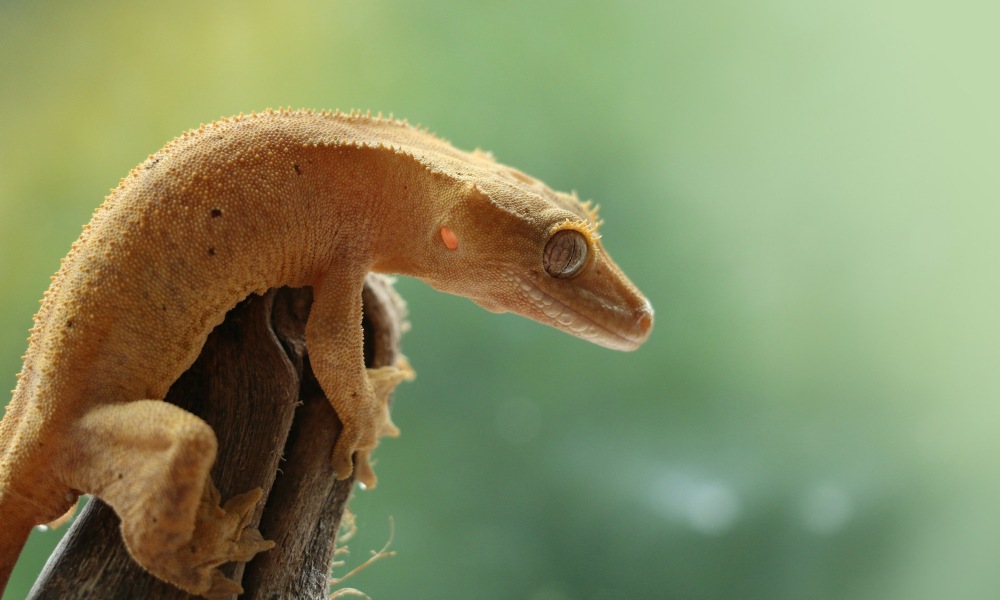
Discover the quirky side of these gecko species with surprising behaviors and common myths debunked. Their odd habits make them more than just pets—they’re nature’s tiny mysteries.
Unique Traits and Behaviors
- Jump Masters: These gecko species can leap up to 15 feet from trees. Their prehensile tails act like nature’s balancing pole.
- Eyelidless Eyes: Without eyelids, they clean their peepers by licking them—crested geckos use their tongues like windshield wipers.
- Color Shifters: Their skin “fires up” with bright hues at night or when excited, then fades to muted tones during the day.
- Vocal Surprises: They chirp like birds or bark softly when alarmed, breaking the “silent reptile” stereotype.
Myths and Misconceptions
- Hot or Not? Many think all gecko species need scorching tanks, but crested geckos thrive in cooler 70–80°F (21–27°C) environments.
- Tail Tale: Unlike other gecko species, their tails don’t regrow. Losing one means it’s gone for good—so handle gently!
- Beginner’s Myth: Though easy to care for, they still need precise humidity and diet. They’re not “no-effort” pets, but well worth the effort!
These facts highlight why crested geckos are both beloved and misunderstood. Their quirks make them standout gecko species, blending wild instincts with manageable care. Next time your gecko barks or changes colors, you’ll know it’s just being themselves!
Conclusion and Final Thoughts
Raising New Caledonian Crested Geckos requires attention to gecko care basics, but the effort rewards owners with fascinating companions. These geckos thrive when their habitat mimics their natural environment, with vertical space, proper humidity, and a balanced diet. Regular health checks and consistent care routines help ensure their well-being over their long lifespans of 15–20 years.
Recap of Care Essentials
Successful gecko care focuses on three pillars: habitat, nutrition, and health. Provide a spacious enclosure with climbing branches, maintain humidity between 60–80%, and feed a mix of commercial gecko diets and occasional insects. Supplement calcium and vitamins regularly. Monitor for signs of illness like lethargy or appetite loss, and consult a reptile vet when needed.
Encouragement for Potential Owners
Whether you are new to reptiles or are a seasoned keeper, crested geckos offer unique joys. Beginners can start confidently by following proven gecko care methods, while advanced hobbyists might explore breeding or bioactive setups. Their expressive faces and curious behaviors make them captivating pets. Remember, their care is a long-term commitment, but their quirky personalities and low-stress nature make them worthwhile companions. With knowledge and dedication, these geckos become lifelong friends, bridging the gap between wild wonder and domestic care.
FAQ
What do New Caledonian Crested Geckos eat?
Crested Geckos typically eat a specialized commercial gecko diet (CGD) that is fruit-based, mixed with water. You can also offer live food options like crickets and dubia roaches for enrichment.
How big should the enclosure be for a crested gecko?
An ideal enclosure for adult New Caledonian Crested Geckos should be at least 18x18x24 inches. It’s best to have a vertically-oriented terrarium to mimic their natural arboreal habitat.
Can I house multiple crested geckos together?
It’s generally advised to house crested geckos individually due to potential aggression, particularly among males. Females can sometimes coexist, but careful monitoring is necessary.
What temperature and humidity levels do crested geckos need?
Crested Geckos thrive at temperatures between 70-80°F and require humidity levels between 60-80%, which can be maintained through daily misting.
How do I know if my crested gecko is healthy?
A healthy crested gecko will have clear eyes, proper weight, and be active. Watch for any signs of lethargy, weight loss, or abnormal feces, which may indicate health issues.
What are some common health problems in crested geckos?
Common health issues include metabolic bone disease, respiratory infections, shedding difficulties, and parasites. Regular health checks can help you catch these problems early.
How can I breed New Caledonian Crested Geckos?
To breed crested geckos, ensure you have healthy adults (18+ months old), provide proper breeding conditions, and monitor for mating behavior. After egg-laying, incubate the eggs in a suitable medium at 70-75°F.
Where can I buy a crested gecko?
It’s best to purchase geckos from reputable breeders or pet stores with good reviews. Always check their health status and care practices, and consider adopting from reptile rescues where possible.
What are some common morphs of crested geckos?
There are several stunning morphs including tiger, flame, harlequin, and dalmatian, as well as many designer morphs that arise from selective breeding.
Are crested geckos good pets for beginners?
Yes! Crested Geckos are often recommended for novice pet owners due to their relatively low maintenance care, calm temperament, and intriguing behaviors.