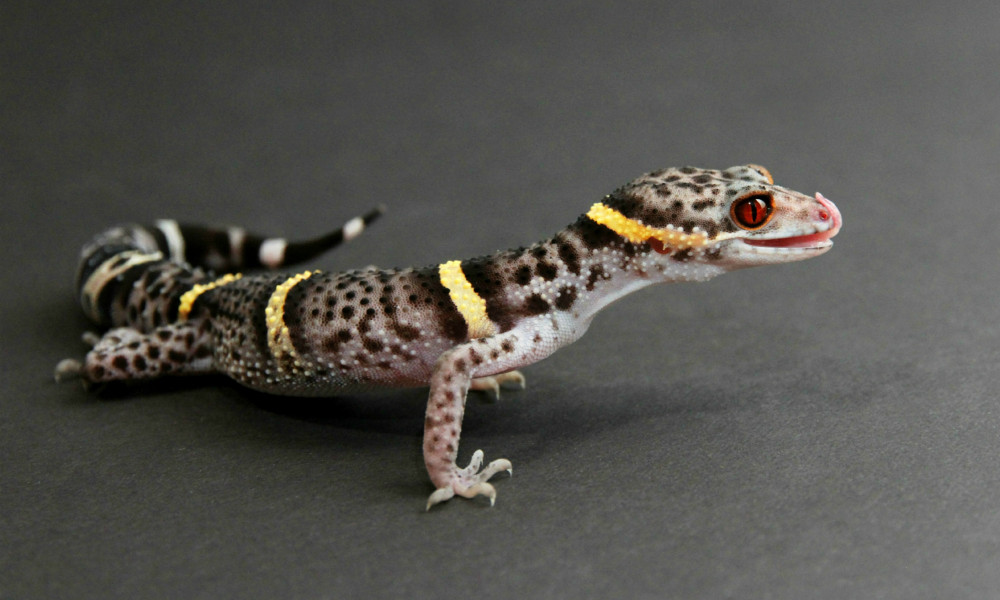
The Chinese Cave Gecko, a lizard native to China, captivates with its striking appearance and mysterious habits. Found in dark, humid caves, this small reptile has large, glowing eyes adapted to life in low light. Its sleek, almost black body blends perfectly with its rocky surroundings, making it a hidden gem of the animal kingdom.
What makes this species so intriguing? Beyond its glowing eyes, it thrives in environments most reptiles avoid. As a nocturnal creature, it hunts insects under cover of darkness, relying on keen senses to navigate its habitat. Conservationists and pet lovers alike admire its uniqueness, but its specialized needs make it a challenge to care for outside its natural setting.
Table of Contents
- Key Takeaways
- Overview of the Chinese Cave Gecko
- Care and Maintenance
- Handling Your Chinese Cave Gecko
- Common Health Issues
- Breeding Chinese Cave Geckos
- Conservation Status
- Comparing to Other Gecko Species
- The Importance of Proper Research
- Community and Enthusiast Groups
- Fun Facts About Chinese Cave Geckos
- Conclusion: Embracing the Beauty of the Chinese Cave Gecko
Key Takeaways
- The Chinese Cave Gecko is a lizard native to China, known for its glowing eyes and cave-dwelling lifestyle.
- Its dark coloration and large eyes help it survive in dim, rocky habitats.
- Nocturnal behavior and specialized diet set it apart from common pet geckos.
- Understanding its natural habits is key to responsible ownership or study.
- Conservation efforts are vital due to its unique role in China’s ecosystems.
Overview of the Chinese Cave Gecko
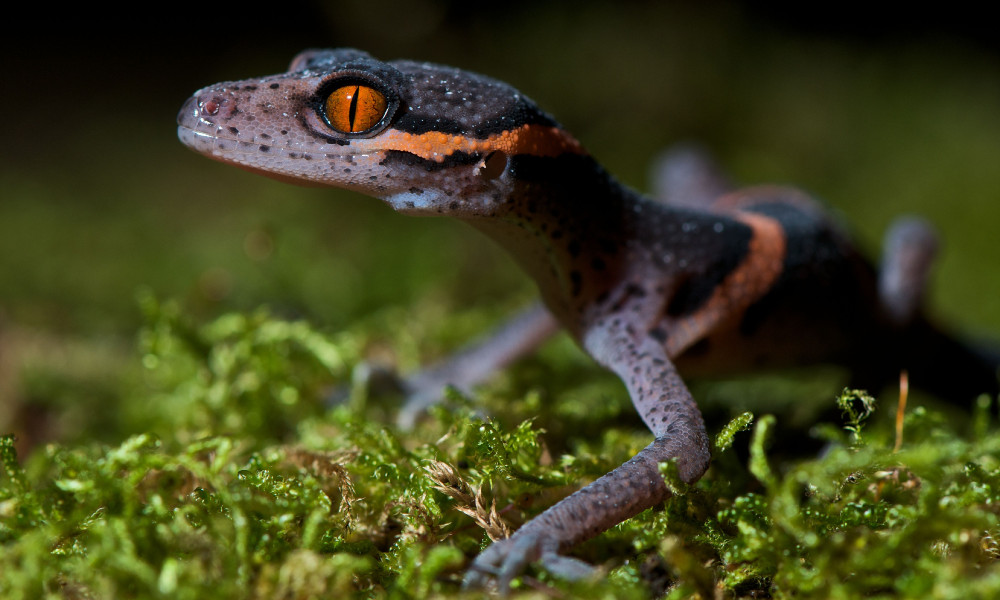
The Chinese Cave Gecko, a rare cave-dwelling reptile, flourishes in the secluded Chinese gecko habitat of limestone caves in southern China and northern Vietnam. These elusive creatures have evolved to survive in environments where few other species can thrive.
Natural Habitat and Distribution
These geckos inhabit dark, humid caves with stable temperatures. Key regions include Yunnan Province and Guangxi Autonomous Region in China, plus nearby Vietnamese cave systems. Their range spans approximately 300 documented locations, often near water sources.
- Primary habitat: Limestone karst formations
- Temperature range: 68–75°F (20–24°C)
- Humidity: 70–85% relative humidity
Physical Appearance and Features
Adults reach 4–6 inches in length with dark bodies featuring light-colored speckles. Their most striking trait is their large, light-reflecting eyes adapted to low-light conditions.
| Feature | Description |
|---|---|
| Body size | 4–6 inches (10–15 cm) |
| Eye adaptation | Vertically slit pupils with tapetum lucidum layer |
| Skin texture | Smooth, slightly translucent scales |
Unique Characteristics
Three key adaptations define this species:
- Specialized toe pads with microscopic hairs enabling grip on slick cave walls
- Night vision 300% better than common leopard geckos
- Low metabolic rate allowing survival with infrequent meals
These traits make them perfectly suited to their subterranean lifestyle.
Care and Maintenance
Providing a safe and healthy environment is key to successful gecko pet ownership. This gecko care guide breaks down essential steps for their well-being.
Ideal Enclosure Setup
Create a space that mirrors their natural caves. Start with a minimum 20-gallon terrarium for a pair. Add vertical climbing branches and flat rocks for basking. Hiding spots like cork bark or clay caves reduce stress.
| Substrate Type | Pros | Cons |
|---|---|---|
| Coconut Husk | Retains moisture, resists mold if kept dry | Requires regular monitoring |
| Cypress Mulch | Natural appearance, promotes burrowing | Can splinter if not aged |
| Eco Earth | Easily compacted, lightweight | May dry out quickly |
Temperature and Humidity Requirements
Use these guidelines to maintain a stable environment:
- Daytime temperature: 70–80°F
- Nighttime drop: 65–70°F
- Humidity: 70–90% (mist daily, use a hygrometer)
Diet and Feeding Tips
Offer live insects like crickets, roaches, and dubia roaches. Dust with calcium powder 2–3 times weekly. Feed juveniles daily, adults every other day. Always provide clean water in a shallow dish.
Following this guide ensures your gecko thrives in captivity. Prioritize consistency in care to support their unique needs as cave-adapted reptiles.
Handling Your Chinese Cave Gecko
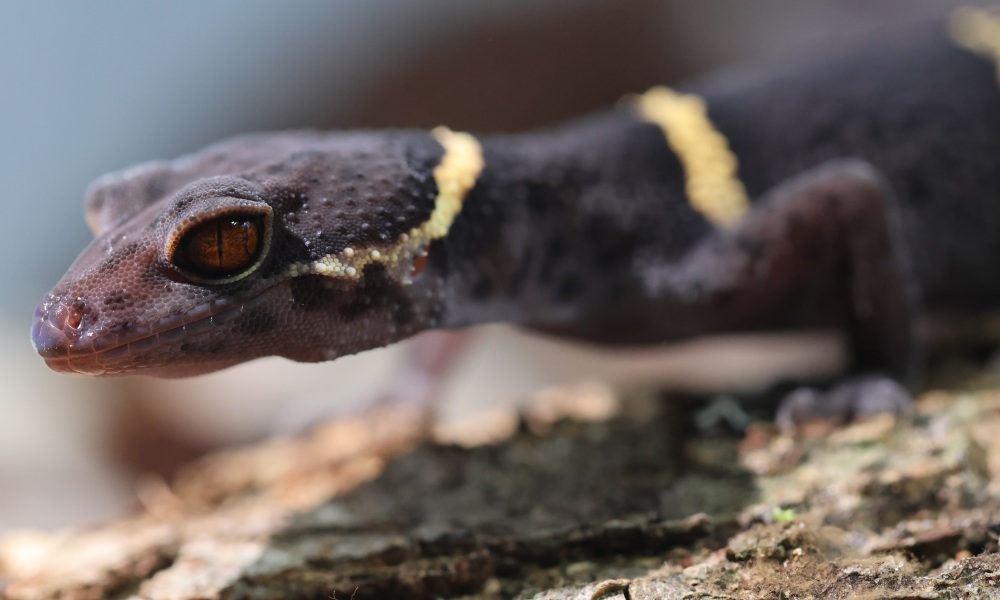
Chinese Cave Geckos are captivating pets, but their timid nature means handling requires care. For gecko pet ownership success, prioritize their comfort over frequent interaction. These nocturnal creatures are happiest when handled minimally, so every touch must be gentle and purposeful.
Safe Handling Techniques
Follow these steps to ensure safe interactions:
- Wash hands: Remove oils or residues with soap and water before touching.
- Approach quietly: Move slowly to avoid sudden movements that startle them.
- Support fully: Cradle their body with two hands, never gripping the tail.
- Keep sessions short: Limit to 3–5 minutes to prevent stress.
Signs of Stress in Geckos
Watch for these behaviors to ensure your pet’s wellbeing:
- Tail loss: Autotomy (tail dropping) signals extreme fear.
- Excessive hiding: Prolonged seclusion beyond normal behavior.
- Appetite changes: Refusing food for more than two days.
- Aggressive displays: Puffing up, hissing, or jerky movements.
Reptile enthusiasts must balance curiosity with respect for their gecko’s wild instincts. By observing these cues, you’ll create a stress-free environment. Prioritizing their natural behaviors strengthens trust, making gecko pet ownership a rewarding experience for both you and your pet.
Common Health Issues
Understanding the health needs of your Chinese Cave Gecko is crucial for long-term care. A trusted gecko care guide outlines critical signs to watch for and steps to maintain wellness in this unique species.
Identifying Illness Symptoms
Spot these red flags early:
- Lethargy or refusal to eat for days
- Weight loss or visible muscle atrophy
- Shedding issues like stuck skin on eyes or toes
- Clicking sounds when breathing or mucus discharge
- Inflamed mouth tissue or visible mouth rot lesions
- Paralysis or unexplained limb weakness
Preventative Care Measures
Proactive steps protect your pet’s health:
- Sanitize feeding tools and water dishes weekly
- Quarantine new reptiles for 30 days before mixing
- Remove uneaten food daily to prevent mold
- Track appetite patterns changes with a care journal
Recommended Veterinary Care
Seek specialists familiar with this species:
Reputable Chinese Cave Gecko experts recommend:
- Biannual wellness exams for aging geckosos
- Stool testing every six months
- Emergency vet access for sudden paralysis
“Early intervention improves survival rates for this fragile species,” states the International Reptile Health Association.
Breeding Chinese Cave Geckos
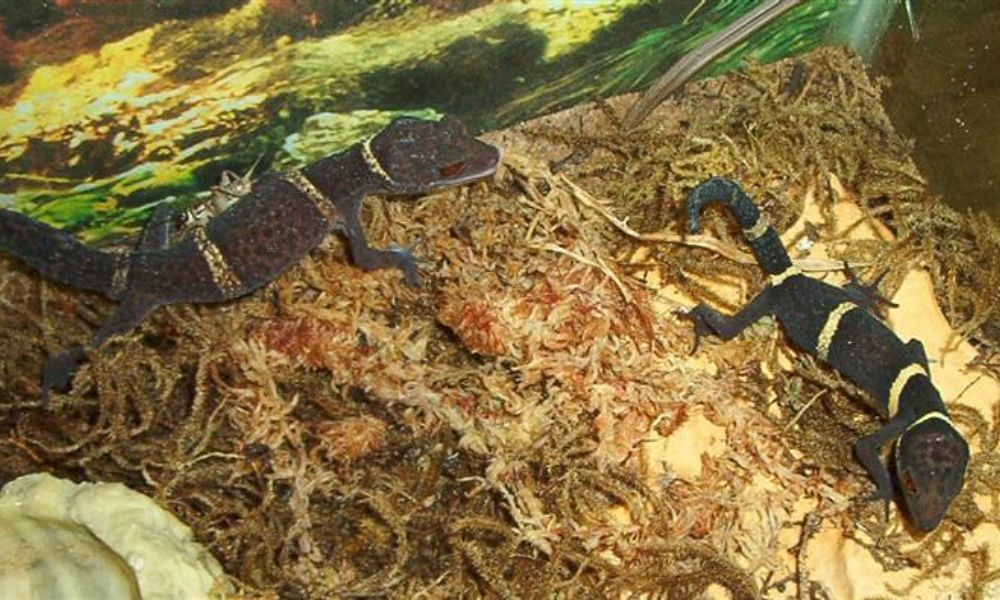
Breeding Chinese Cave Geckos demands precise setups and expertise. This specialized process is best suited for advanced reptile enthusiasts who can meet strict environmental needs. Success hinges on mimicking their natural habitat’s seasonal shifts to encourage mating behaviors.
Breeding Conditions and Requirements
Start by adjusting your enclosure to trigger breeding instincts. Use these steps:
- Temperature Cycling: Lower temps to 65-70°F (18-21°C) for 4-6 weeks, then gradually raise to 80-85°F (27-29°C).
- Humidity Boost: Increase to 70-80% for 2-3 weeks to simulate monsoon seasons.
- Adjust lighting to 10 hours daily to mirror shorter days, then extend to 14 hours as “spring” arrives.
Sexing adults involves checking femoral pores (larger in males) and tail size. Provide a moist soil substrate for females to lay eggs, kept at 82-86°F (28-30°C) with 85-90% humidity.
Caring for Hatchlings
Newly hatched geckos emerge after 60-70 days of incubation. Key steps for survival include:
- Separate juveniles in small, secure enclosures with paper towel substrates.
- Feed pinhead crickets and flightless fruit flies dusted with calcium powder.
- Monitor for retained sheds or swollen mouths—signs needing vet care.
“Breeding this gecko species requires patience. Only those with years of experience should attempt it,” advises Dr. Lisa Nguyen, a herpetology specialist.
Every hatchling’s enclosure must stay between 80-85°F (27-28°C) with 70% humidity. Regular weigh-ins ensure growth stays on track. Responsible breeders prioritize genetic diversity and ethical practices to support this unique gecko species’ survival.
Conservation Status
The Chinese Cave Gecko, one of the world’s most captivating endangered gecko species, faces urgent threats in its natural environment. Protecting these creatures requires understanding both the challenges and the actions underway to secure their survival.
Threats to Natural Habitat
Wild populations struggle against multiple dangers:
- Limestone quarrying: Mining destroys caves, their only homes.
- Habitat fragmentation: Urban growth cuts off gecko communities from each other.
- Environmental pollution: Chemical runoff harms cave ecosystems they rely on.
- Climate change: Rising temperatures disrupt humidity levels critical to their survival.
- Pet trade pressure: Unregulated collection for sale threatens wild numbers.
Conservation Efforts in Place
Efforts to protect this species include:
- Protected areas: China’s government has marked key caves as critical habitats under national law.
- Research programs: Scientists track wild populations to monitor trends and adapt conservation efforts.
- Captive breeding: Zoos and specialized breeders help maintain genetic diversity for future reintroduction.
- Community education: Local workshops teach villagers about the gecko’s ecological value.
Every person can help by supporting ethical breeders and learning about these fragile creatures. Protecting them ensures future generations can admire their glowing eyes in the wild.
Comparing to Other Gecko Species
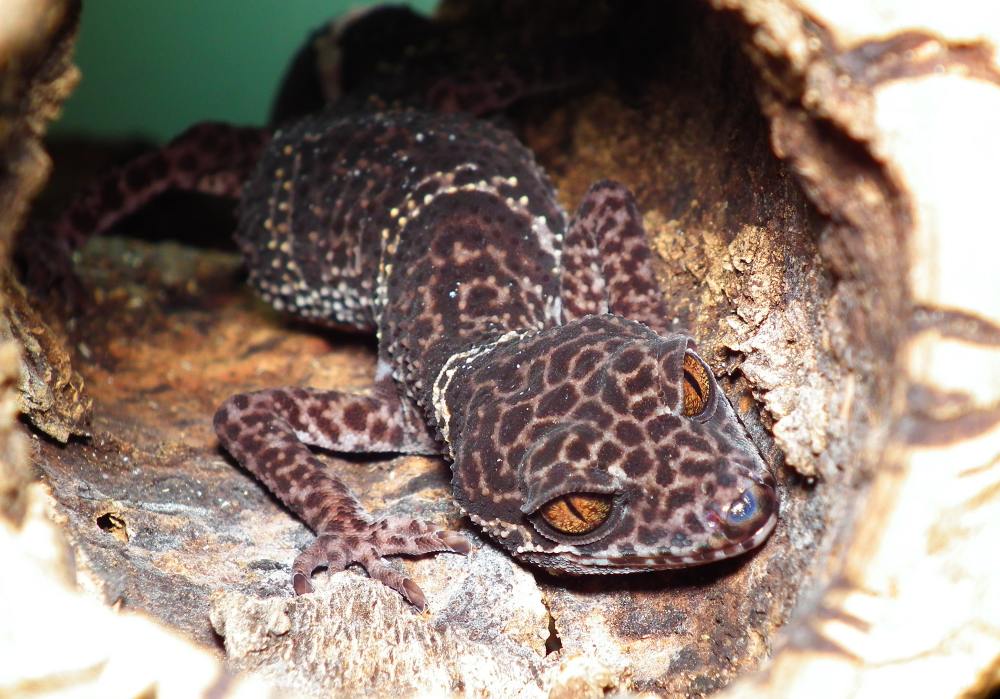
When choosing a pet gecko, understanding how the Chinese Cave Gecko stacks up against other gecko species helps owners make informed decisions. This section highlights key distinctions and the unique traits that set this enigmatic reptile apart.
Differences with Common Pet Geckos
Unlike popular pets like leopard or crested geckos, the Chinese Cave Gecko requires specialized care. Below is a quick comparison:
| Trait | Chinese Cave Gecko | Leopard Gecko | Crested Gecko |
|---|---|---|---|
| Care Complexity | High (requires precise humidity and darkness) | Moderate | Easy |
| Handling Tolerance | Low (best as display animals) | Medium | High |
| Enclosure Lighting | No UVB needed | Requires UVB | Some UVB preferred |
Unique Traits of the Chinese Cave Gecko
What makes this species stand out?
- Eye Adaptations: Their large, glowing eyes detect movement in near darkness.
- Habitat Specialization: Thrives in enclosed, humid spaces mimicking limestone caves.
- Behavioral Quirks: Nocturnal activity peaks at dusk, unlike diurnal leopard geckos.
These traits reflect millions of years of evolution in their native environments. While challenging to keep, their striking appearance and ecological story make them a captivating choice for dedicated enthusiasts.
The Importance of Proper Research
Before welcoming a Chinese Cave Gecko into your home, thorough research is essential. Responsible ownership starts with understanding the lifelong commitment required. These geckos thrive only when their unique needs are met, making preparation key for both new and experienced reptile enthusiasts.
Ensuring Responsible Ownership
Begin by sourcing your gecko ethically. Choose reputable breeders who prioritize captive-bred specimens, avoiding wild-caught animals. Consider the long-term care: these geckos can live over 10 years, requiring consistent dedication to their habitat, diet, and health. Before purchasing, verify you can provide specialized care, including proper enclosure setups and climate control.
Resources for Gecko Enthusiasts
Building knowledge starts with trusted gecko care guides. Explore these resources to stay informed:
- Books: “The Gecko Care Manual” by Philippe de Vosjoli offers detailed husbandry tips.
- Websites: Visit ReptiFiles or the International Herpetological Association for species-specific advice.
- Communities: Join forums like Reddit’s r/Reptiles or local herpetology clubs for peer support.
- Scientific insights: Follow studies from journals like Journal of Herpetology for habitat conservation updates.
“Research transforms curiosity into commitment. Every reptile enthusiast plays a role in ensuring these animals’ well-being.”
Education doesn’t end with purchase—stay proactive. Attend webinars, follow vet-recommended care guides, and connect with breeders for updates. Proper research ensures you’re ready to provide the best life possible for your Chinese Cave Gecko.
Community and Enthusiast Groups
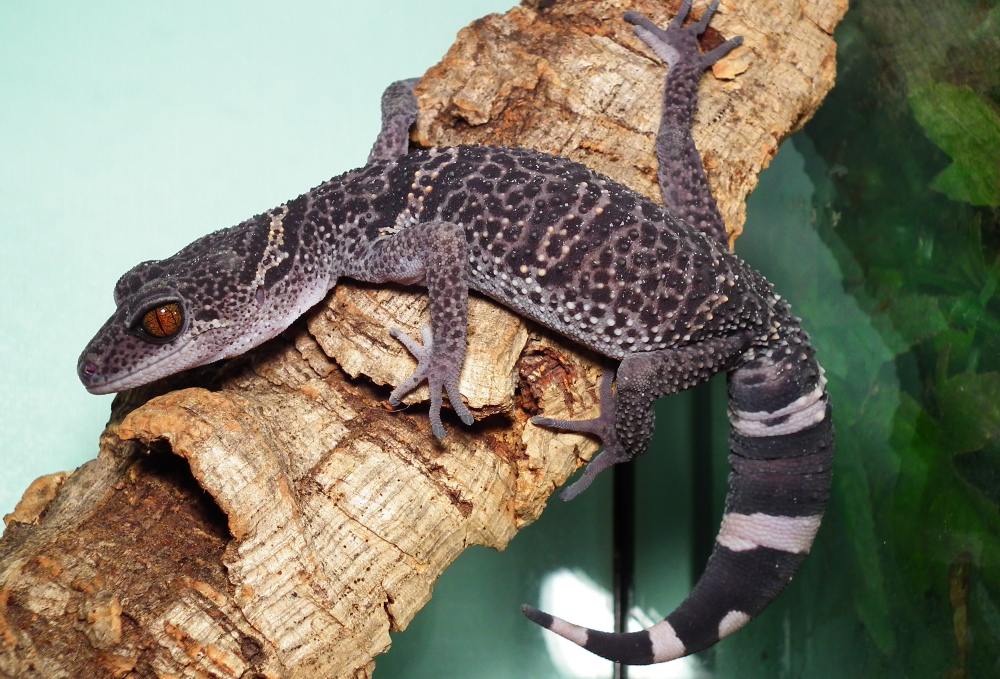
Connecting with other reptile enthusiasts can deepen your journey into keeping gecko species. Online and local communities provide resources, advice, and shared passion that make reptile care more rewarding.
Online Forums and Support Groups
Join digital hubs where reptile lovers share tips and solve challenges together:
- Explore forums like Reptile Forums for troubleshooting care questions.
- Follow Facebook groups dedicated to cave geckos and related gecko species.
- Watch YouTube channels such as Gecko Care TV for step-by-step guides.
- Use platforms like ReptiFiles to find suppliers and breeders.
Local Reptile Shows and Events
Attending local events offers hands-on learning and networking:
- Meet breeders who specialize in rare gecko species.
- Watch live talks on health, habitat design, and breeding.
- Network with veterinarians who treat exotic pets.
- Shop for supplies at discounted rates at reptile expos.
“Every reptile keeper’s journey is easier with the support of others who share your passion.” – Reptile Enthusiast Network.
Fun Facts About Chinese Cave Geckos
Behind the care guides and health tips lies a world of hidden stories about the Chinese Cave Gecko. These cave-dwelling reptiles have inspired myths and display behaviors as unique as their glowing eyes.
Myth and Folklore
In regions where they’re found, local tales describe these geckos as “guardians of the underworld.” Some believe their bioluminescent eyes hold mystical powers, while others claim their presence predicts rain. Traditional practices in parts of China once used dried gecko body parts in herbal remedies, though modern conservation efforts now protect them.
Unique Behavioral Traits
Watch closely: Chinese Cave Geckos communicate through head-bobs and tail-wiggles. Here’s what makes them stand out:
- Dark masters: They hunt in total darkness using motion-sensing organs on their snouts.
- Group huddles: Unlike solitary geckos, they sometimes cluster in cave crevices for warmth.
- Flash defense: When threatened, they puff up their bodies to appear larger—a trick even their predators find surprising.
“Their survival skills are like something out of a sci-fi movie,” says Dr. Lin Wei, a herpetologist studying these reptiles. “These geckos redefine life in the dark.”
From folklore to flash behaviors, the Chinese Cave Gecko’s quirks make them more than just pets—they’re living links to ancient stories and ecological marvels.
Conclusion: Embracing the Beauty of the Chinese Cave Gecko
The Chinese Cave Gecko stands out as a lizard native to China, blending ancient survival traits with striking adaptations. Its glowing eyes and secretive habits reflect millions of years of evolution in dark, humid environments. Responsible ownership means meeting its precise needs, from misting schedules to secure enclosures, ensuring health and natural behavior.
Protecting this species extends beyond captivity. Conservation efforts focus on preserving its wild habitats, often threatened by development. Supporting these initiatives helps safeguard its future in nature. Responsible breeders and enthusiasts play a role by sharing knowledge and avoiding wild-caught specimens.
Joining reptile communities or local shows connects hobbyists with experts who share tips on care and conservation. Every effort to learn, share, and act responsibly helps this unique creature thrive. By valuing its wild heritage and caring for individuals in our care, we honor a living link to Earth’s ancient ecosystems.
FAQ
What is the Chinese Cave Gecko?
The Chinese Cave Gecko is a captivating cave-dwelling reptile native to southern China and parts of northern Vietnam. Known for its distinctive glowing eyes, this species has become a favorite among reptile enthusiasts due to its unique adaptations for life in dark cave environments.
Are Chinese Cave Geckos endangered?
Yes, the Chinese Cave Gecko is considered an endangered gecko species. Their natural habitats are threatened primarily by limestone quarrying, habitat fragmentation, and environmental pollution, making conservation efforts critical for their survival.
What is the ideal habitat for a Chinese Cave Gecko in captivity?
A suitable enclosure for your Chinese Cave Gecko should be a minimum of 20 gallons for a pair. It should include moisture-retaining substrate, climbing structures, and hiding spots that mimic their natural cave habitat. Maintaining optimal temperature and humidity levels is also essential for their well-being.
What do Chinese Cave Geckos eat?
These reptiles are insectivorous, meaning their diet consists mainly of insects. Recommended feeder insects include crickets, roaches, and mealworms. It’s also important to provide nutritional supplements to ensure they meet their dietary needs.
How can I recognize if my Chinese Cave Gecko is stressed?
Signs of stress in geckos can include excessive hiding, loss of appetite, tail dropping, and defensive postures. It’s essential to observe these behaviors to ensure your gecko’s comfort and well-being.
What preventative care measures should I take for my gecko?
Key preventative care measures include proper habitat hygiene, quarantine for new animals, regular health check-ups, and a balanced diet. Reducing stress and maintaining optimal living conditions can also help prevent health issues.
Can I breed Chinese Cave Geckos?
Breeding should only be attempted by experienced reptile enthusiasts. Successful breeding requires specific conditions, such as seasonal temperature cycling and proper pairing strategies. It’s important to be prepared for the responsibility of caring for hatchlings.
Where can I learn more about caring for Chinese Cave Geckos?
Reptile enthusiasts can find valuable information through herpetology forums, recommended books on gecko care, and reputable websites focused on reptile husbandry. Engaging with communities of other gecko keepers can also provide ongoing support and knowledge.
What community resources are available for gecko enthusiasts?
There are numerous online forums and social media groups dedicated to cave geckos and general reptile care. Local reptile shows and herpetological events also provide opportunities to connect with experienced breeders and fellow enthusiasts.
Are there any myths or folklore about the Chinese Cave Gecko?
Cultural beliefs surrounding the Chinese Cave Gecko often include traditional medicinal uses and superstitions related to its glowing eyes. These fascinating reptiles play a role in local legends and stories, highlighting their significance in the regions where they are found.