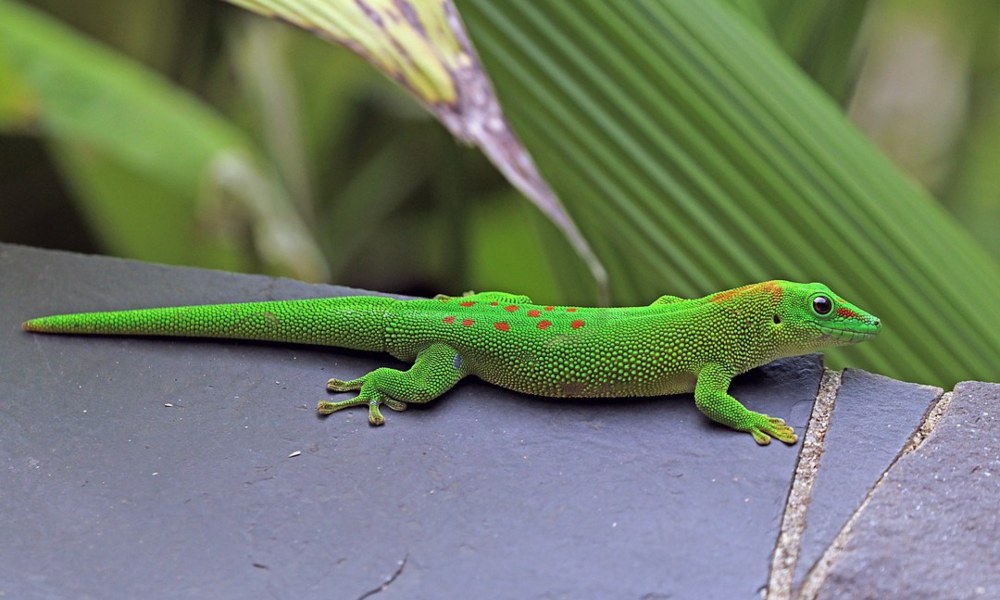
The Giant Day Gecko (Phelsuma grandis) might look familiar—it’s the inspiration behind the cheerful Geico mascot. These bright green reptiles stand out with neon-like hues and sticky toe pads. Wild populations thrive in Madagascar’s tropical forests, clinging to trees with ease.
Known scientifically as Phelsuma grandis, this gecko’s bold colors make it a standout in both nature and pop culture. Their sleek bodies and big eyes add to their charm, turning them into sought-after pets. Behind the friendly cartoon形象 lies a real animal with fascinating traits.
Table of Contents
- Key Takeaways
- Introduction to the Giant Day Gecko
- Why They’re Popular Pets
- Understanding Their Diet
- Ideal Living Conditions
- Breeding Giant Day Geckos
- Health Considerations
- Giant Day Gecko Behavior
- Conservation Status
Key Takeaways
- Giant Day Geckos (Phelsuma grandis) inspired Geico’s iconic mascot.
- They live wild in Madagascar’s humid forests.
- These geckos have vivid green skin and large, curious eyes.
- Popular as pets due to their striking appearance and manageable care.
- Key traits include sticky feet and daytime activity patterns.
Introduction to the Giant Day Gecko
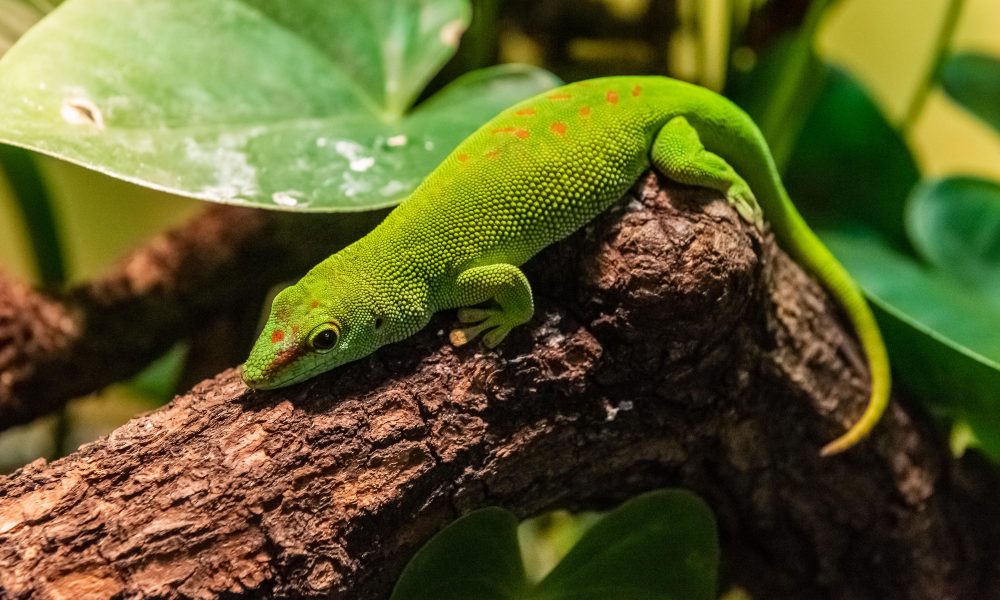
The Giant Day Gecko (Phelsuma grandis) stands out among reptiles with its vibrant presence. Found in the wilds of Madagascar, this species captivates with its bold appearance and unique traits. Let’s explore what makes it a standout among Day Geckos.
What is a Giant Day Gecko?
Reaching lengths of 8–11 inches, the Madagascar Giant Day Gecko is one of the largest gecko species. Belonging to the Phelsuma genus, it’s easily recognized by its bright green scales and striking red markings along its back. Unlike many geckos species, this reptile thrives in sunny environments, making it a diurnal marvel.
Habitat and Distribution
- Native Range: Northern Madagascar’s tropical forests, where they cling to tree trunks and branches.
- Introduced Regions: Found in Hawaii as an introduced species due to accidental or intentional releases.
- Vertical Lifestyle: Prefers elevated areas, using tree bark and leaves as natural shelters.
Unique Characteristics
These geckos boast features that defy ordinary reptile traits:
- Coloration: Emerald-green skin with vivid red streaks, aiding camouflage and communication.
- Adhesive Pads: Toe pads with microscopic hairs let them scale smooth surfaces effortlessly.
- No Eyelids: They lick their eyes clean instead of blinking, a survival adaptation.
Why They’re Popular Pets
Giant Day Geckos have surged in popularity as Reptile Pets in recent years. Their blend of beauty, ease of care, and gentle demeanor makes them a standout choice among Exotic Gecko enthusiasts. These vibrant lizards offer a rewarding experience for both novices and experienced keepers.
Friendly Temperament
Despite their wild origins, Giant Day Geckos are remarkably calm compared to many other reptiles. They rarely bite or stress under proper conditions, though they prefer being observed over handled. Their docile nature makes them ideal for homes with children or first-time reptile owners.
Bright and Vibrant Colors
These geckos boast eye-catching hues—emerald-green bodies adorned with fiery red markings along their heads and limbs. In captivity, their dazzling appearance turns any terrarium into a living art piece. Their coloration intensifies when healthy, serving as a natural mood indicator.
Low Maintenance Care
Raising these Exotic Gecko species is surprisingly manageable. A basic setup includes:
- A spacious but not oversized enclosure
- Daily misting for humidity
- A diet of gut-loaded insects and commercial gecko jelly
Unlike some Reptile Pets, they thrive on routine rather than constant intervention. Their active daytime habits also align with human schedules, rewarding owners with visible activity during waking hours.
Understanding Their Diet
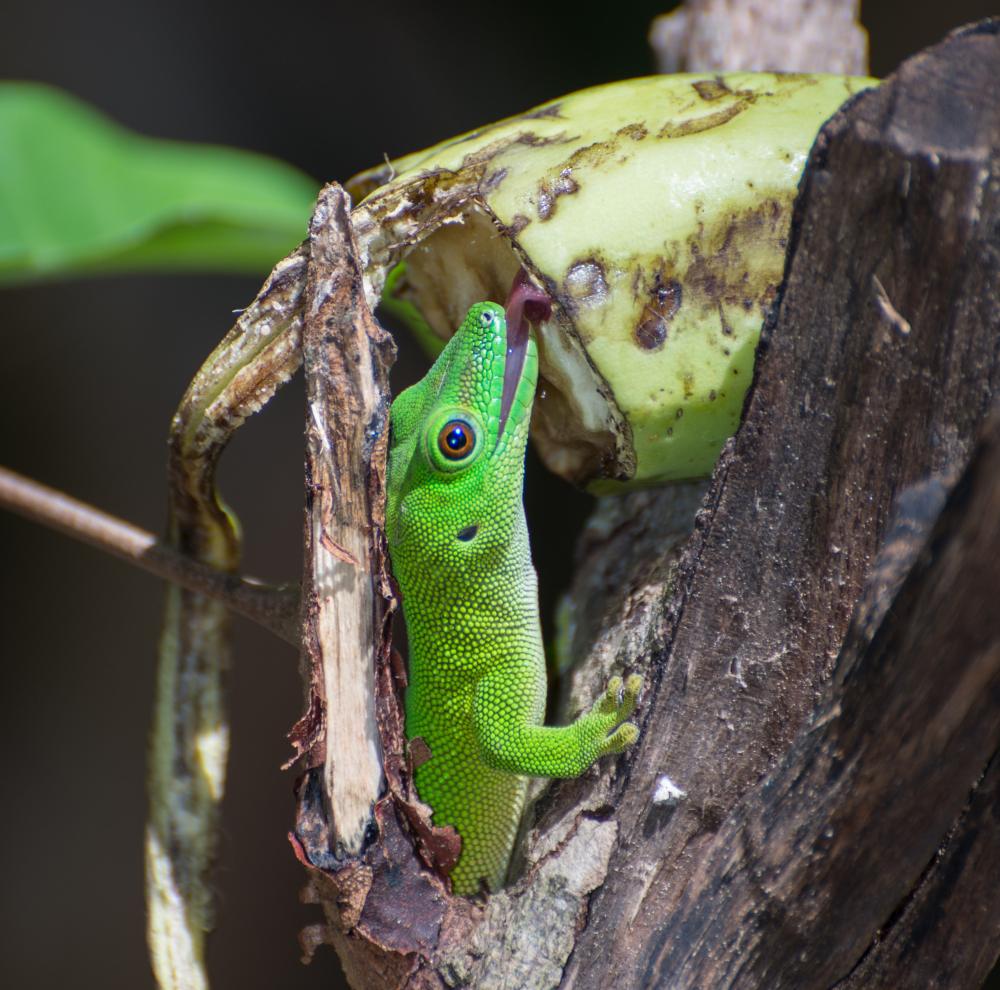
Proper nutrition is key to keeping your Giant Day Gecko healthy. Let’s explore how their wild habits shape their dietary needs and what to feed them at home.
Natural Diet in the Wild
In their native Madagascar, Giant Day Geckos are omnivores. They hunt insects like crickets, flies, and moths. They also eat fruits, nectar, and tree sap for vitamins and hydration. This mix fuels their active lifestyles in the wild.
Common Foods for Captive Geckos
At home, they thrive on:
- Insects: Gut-loaded crickets, dubia roaches, or mealworms (dusted with calcium)
- Fruits: Pureed or baby food (mango, papaya) offered 1–2 times weekly
- Commercial diets: High-quality powdered reptile foods mixed with water for easy digestion
Feed juveniles daily, adults every other day. Always provide fresh water in a shallow dish.
Importance of a Balanced Diet
A balanced diet prevents health issues like metabolic bone disease. Here’s how to get it right:
- Supplements: Dust insects with calcium/D3 3–4 times weekly
- Gut-loading: Feed insects high-calcium foods (collard greens, sweet potatoes) before offering them
- Monitor behavior: Lethargy or swollen jaws may signal deficiencies
Consistency matters! Adjust portions and supplements as your gecko grows. A varied diet ensures they stay active and vibrant.
Ideal Living Conditions
Creating the perfect environment for your Giant Day Gecko starts with mimicking its wild habitat. A well-designed vivarium gecko setup ensures health and happiness. Let’s break down the essentials for a thriving enclosure.
Setting Up a Terrarium
Choose a vertical glass terrarium (at least 18x18x24 inches for adults) to allow climbing. Avoid screen enclosures as they lack humidity retention. Here’s a quick comparison:
| Feature | Glass | Screen |
|---|---|---|
| Humidity Control | Excellent | Poor |
| Space for Plants | Perfect | Requires extra support |
| Temperature Stability | Consistent | Harder to regulate |
Temperature and Humidity Requirements
Maintain these vital conditions daily:
- Daytime temps: 82–86°F with a basking spot at 90–95°F
- Nighttime drop: 72–75°F
- Humidity: 60–80% (use misting systems twice daily)
Monitor with a digital thermometer/hygrometer combo.
Essential Accessories for Comfort
Include these items in your vivarium gecko setup:
- Branches: Cork or manzanita wood for climbing
- Plants: Pothos or bromeliads for humidity retention
- Substrate: Orchid bark or coconut husk to prevent rot
- UVB Lighting: 5.0 UVB bulb 10–12 hours daily
- Water Dish: Shallow dish plus daily misting
A properly designed vivarium gecko habitat encourages natural behaviors like basking and climbing. Every detail—from substrate choice to lighting—matters for their well-being.
Breeding Giant Day Geckos
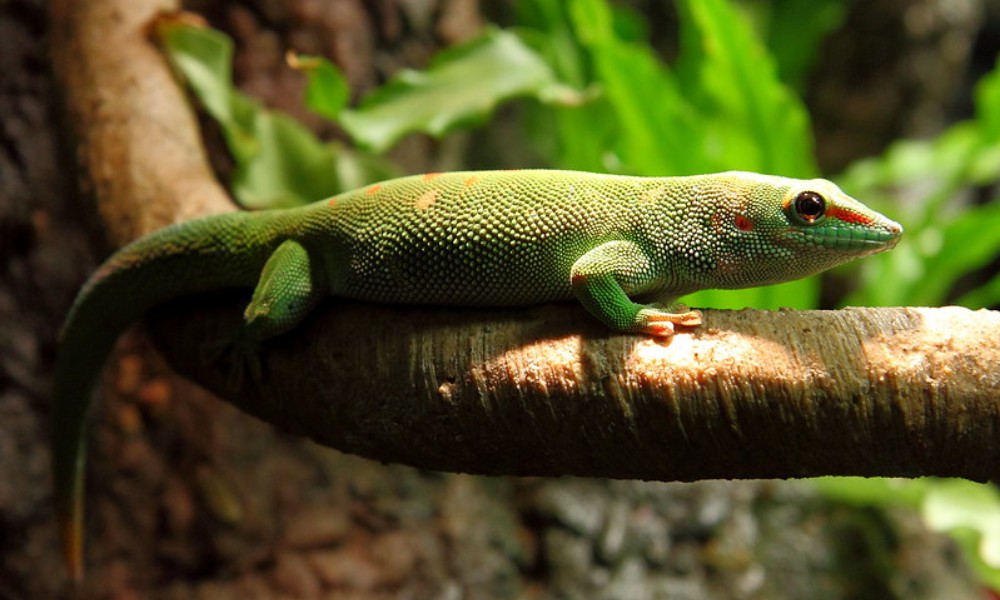
Raising a new generation of Madagascar Giant Day Geckos requires careful planning and patience. These vibrant reptiles thrive best when breeders mimic their natural behaviors and habitats closely.
Mating Habits and Behavior
Courtship begins with males displaying vibrant colors and bobbing their heads. To avoid aggression, keep one male with one to two females. Here’s how to set up a breeding pair:
- Provide a spacious terrarium (at least 20 gallons).
- Include vertical plants for territorial markers.
- Monitor interactions closely to prevent fights.
Egg Laying and Incubation
Females lay clutches of two eggs every 4–6 weeks. Follow these steps for successful incubation:
- Offer egg-laying sites like moistened moss or soil.
- Transfer eggs to a separate incubation container filled with vermiculite.
- Maintain a temperature of 82–86°F for 60–70 days.
Caring for Hatchlings
Newly hatched Madagascar Giant Day Geckos need special attention. Key tips:
- House babies in smaller enclosures (5–10 gallons).
- Feed pinhead crickets and fruit baby food twice daily.
- Supplement calcium daily and mist frequently for hydration.
These geckos reach maturity at 10–12 months, but patience is key. Responsible breeding ensures healthy offspring and preserves this iconic species.
Health Considerations
Ensuring the well-being of Giant Day Geckos as Reptile Pets starts with proactive care. These small lizards thrive when owners stay alert to their health needs. Early detection of issues helps maintain their active lifestyles and vibrant colors.
Common Health Issues
Watch for these conditions:
- Metabolic Bone Disease (MBD): Caused by calcium or vitamin D3 deficiency. Symptoms include weak limbs, swollen joints, or tremors. Prevention involves proper UVB lighting and calcium supplements.
- Respiratory Infections: Linked to cold temperatures or humidity extremes. Signs like wheezing, mucus, or labored breathing require vet care.
- Parasites or Skin Issues: Blisters, mites, or irregular shedding may signal infections. Clean habitats and vet exams help address these.
- Egg Binding: Females struggling to lay eggs show swelling or lethargy. Immediate vet attention is critical.
Signs of a Healthy Gecko
A thriving gecko displays these traits:
| Healthy Signs | Potential Issues |
|---|---|
| Clear, alert eyes | Cloudy eyes may indicate infection |
| Smooth, intact skin | Peeling or dry patches need attention |
| Active daytime movement | Unusual stillness could signal illness |
Regular Check-ups and Care
Follow this schedule for long-term health:
- Inspect enclosure conditions daily.
- Watch for behavior changes weekly.
- Clean habitats monthly to prevent parasites.
- Visit a reptile specialist annually for exams.
“Annual vet exams are vital for Reptile Pets. Even subtle changes can signal bigger health concerns.” — Dr. Sarah Lee, Reptile Veterinarian.
Giant Day Gecko Behavior
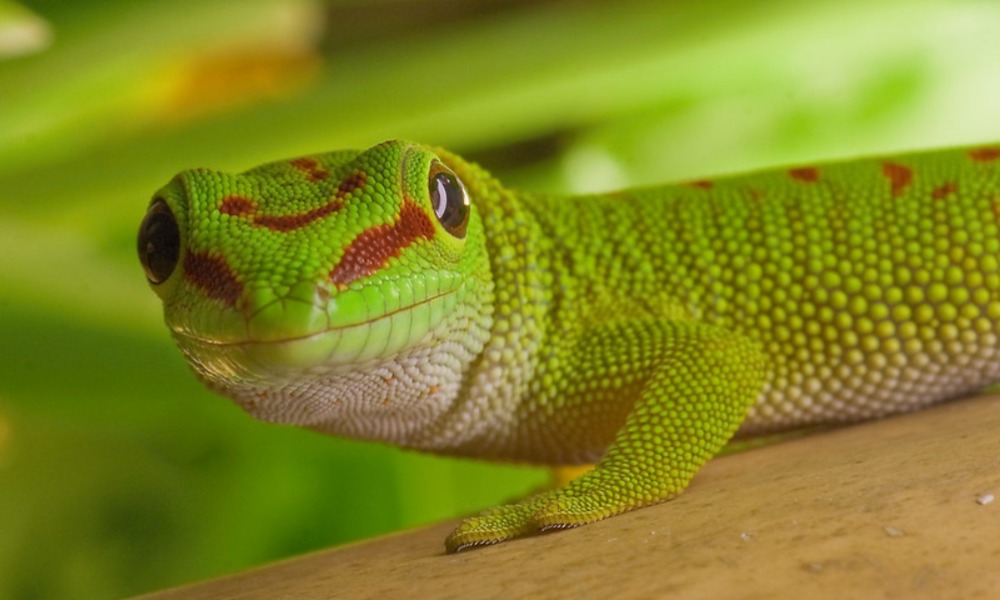
Giant Day Geckos stand out among lizard species with distinct behaviors that reflect their wild instincts. Their actions, from communication to daily routines, offer fascinating insights into their natural habits.
Social Interactions
These geckos are territorial, especially males. Watch for communication cues like head-bobbing to assert dominance or tail-wagging to signal submission. Housing multiple geckos requires expert care—pairs often clash, making them best kept alone unless experienced.
- Head-bobs = territorial display
- Tail wags = submission or stress
- Color brightening = excitement or aggression
Diurnal Rhythms
Unlike many lizard species that hunt at night, Giant Day Geckos thrive in daylight. Their daily cycle mirrors their tropical habitat:
| Time | Activity |
|---|---|
| 6:00 AM | Basking in UVB light |
| 10:00 AM | Insect hunting |
| 3:00 PM | Shaded resting |
Bonding Without Touch
Though delicate skin makes handling risky, bonding is possible. Avoid gripping—their tails detach under stress! Instead, try:
- Feed with soft tweezers to build trust
- Speak softly during tank maintenance
- Watch basking routines from a distance
Signs of stress include hiding excessively or paling colors. Let their natural beauty speak volumes—they’re living art, not cuddly pets!
Conservation Status
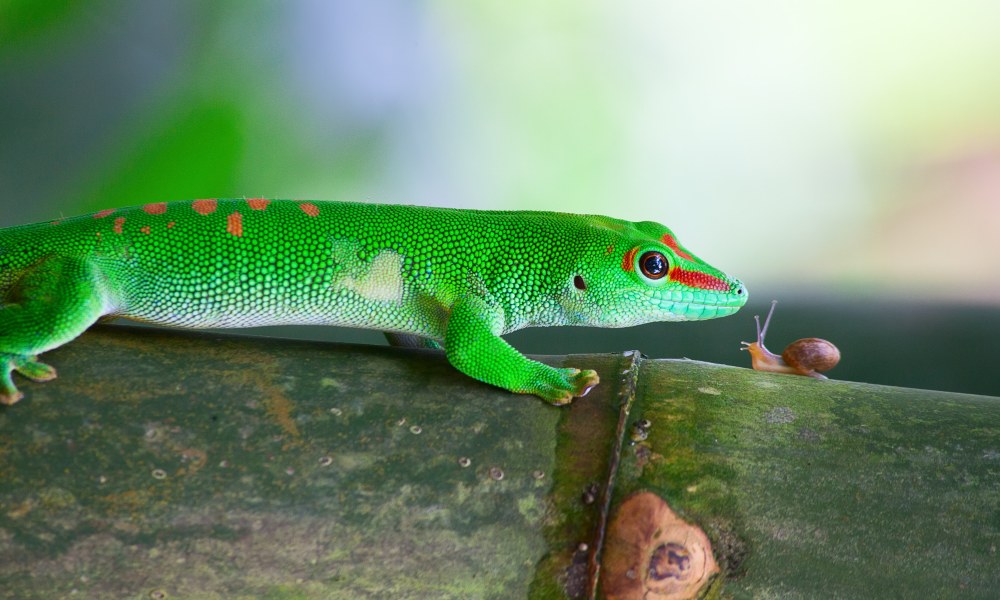
Phelsuma grandis, the scientific name for the Giant Day Gecko, faces critical conservation challenges. Protecting this species requires addressing both environmental and human-caused threats. Let’s explore how these geckos survive in a changing world.
Threats to Their Habitat
Deforestation and human activities push Phelsuma grandis closer to endangerment. Key threats include:
- Forest loss due to farming, logging, and urban growth
- Climate shifts altering temperature and rainfall patterns
- Pet trade pressures despite CITES Appendix II regulations
Efforts to Protect Giant Day Geckos
Conservationists work globally to safeguard these geckos. Key efforts include:
- Protected areas in northern Madagascar, like Montagne d’Ambre National Park
- Captive breeding programs in zoos and reptile facilities
- Research tracking wild population trends
Role in Ecosystem
“Phelsuma grandis help control insect populations and may assist in plant pollination,” says wildlife biologist Dr. Elena Torres.
These geckos contribute to forest health by eating insects and dispersing plant seeds. Their survival supports Madagascar’s unique biodiversity, a hotspot of endemic species.
As pets, owners can help by choosing captive-bred specimens and supporting ethical breeders. Every effort counts in securing their future.
Still curious about these vibrant reptiles? Here’s what potential owners often ask about Day Geckos. From cohabitation to care, these answers help clarify key points about owning an Exotic Gecko.
FAQ
Can They Live with Other Reptiles?
Mixing Day Geckos with other reptiles is tricky. They thrive best alone or with same-species roommates only if enclosures are spacious. Even then, territorial disputes may arise. Always prioritize their specific humidity and diet needs over multi-species setups.
How Long Do They Live?
With proper care, Giant Day Geckos live 6–8 years on average. Some reach 10+ years in captivity. Clean habitats, balanced diets, and regular vet check-ups boost longevity. Poor care shortens their lifespan.
What makes them different from other geckos?
Day Geckos stand out as one of few diurnal lizards, active in daylight. Their neon-green scales, sticky toe pads for climbing, and fruit-insect diets set them apart. Unlike most geckos, they lack eyelids and need frequent misting to stay healthy.
Cost and behavior quirks matter too. Juveniles cost $40–$100, while adults may reach $150+. Their small size makes escape attempts common, so secure enclosures are vital. Breeding requires precise humidity and temperature control to ensure healthy clutches.
Can Giant Day Geckos Live with Other Reptiles?
It’s generally not recommended to house Giant Day Geckos with other reptile species due to their varying environmental requirements and potential risks of aggression. Even among their own kind, careful consideration of enclosure size, sex ratios, and individual temperaments is essential to avoid conflicts.
How Long Do Giant Day Geckos Live?
In captivity, Giant Day Geckos typically live for around 6-8 years, although with optimal care, some can live over 10 years. Factors like diet, habitat conditions, and regular veterinary care play crucial roles in their longevity.
What Makes Giant Day Geckos Different from Other Geckos?
Giant Day Geckos are unique among exotic lizard species primarily due to their diurnal habits, being active during the day rather than at night like most geckos. They stand out with their vibrant coloration, adhesive toe pads that enable vertical climbing, and the absence of eyelids — they clean their eyes using their tongues. Additionally, their specialized diet includes both insects and fruits, setting them apart from many other lizard species.
Do Giant Day Geckos Require Specific Temperature and Humidity Levels?
Yes, Giant Day Geckos thrive in specific temperature ranges between 82-86°F during the day, with basking spots reaching 90-95°F and a nighttime drop to about 72-75°F. Humidity levels should be maintained between 60-80%, which is crucial for their overall health and well-being.
How Do I Set Up a Terrarium for My Giant Day Gecko?
To create a suitable habitat, use a vertical terrarium of at least 18x18x24 inches for adults, with excellent ventilation. Include climbing branches, live or artificial plants, hiding spots, and a varied substrate (like orchid bark or coconut fiber). Don’t forget proper UVB lighting to mimic their natural environment!
What Are Common Health Issues for Giant Day Geckos?
Some common health issues include metabolic bone disease due to calcium and vitamin D3 deficiencies, respiratory infections from improper humidity or temperature, and parasitic infections. Regular health checks and a balanced diet are key in preventing these problems.
Can I Handle My Giant Day Gecko?
While handling is not advised since Giant Day Geckos are primarily display pets, gentle handling can be done for necessary situations such as cleaning their enclosure or vet visits. Always watch for signs of stress, and try to bond through regular feeding routines and positive interactions instead.
Are Giant Day Geckos Endangered?
While they are not currently listed as endangered, their habitats face threats like deforestation, climate change, and the pet trade. Conservation efforts are important to protect their natural environments and maintain their populations in the wild.