
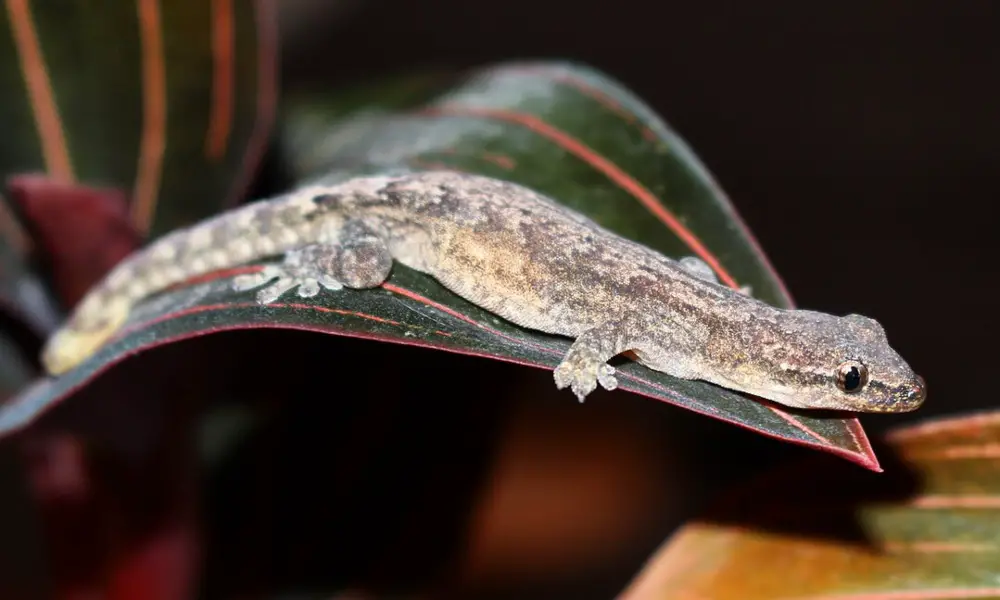
Mourning Geckos surprise nature lovers with their mind-blowing trick: they can make babies without males! These tiny reptiles clone themselves, creating exact copies generation after generation. Found in tropical regions, they’re breaking rules of how life usually reproduces. Perfect for pet owners, their easy care and wild biology make them stand out. This article explores their unique cloning, what they need to thrive, and why they’re captivating both experts and beginners.
Table of Contents
- Key Takeaways
- What is the Mourning Gecko?
- Unique Reproductive Traits
- Physical Characteristics
- Behavior and Social Structure
- Care in Captivity
- Why Choose a Mourning Gecko as a Pet?
- Conservation Status
- Fun Facts About Mourning Geckos
- Conclusion: The Fascinating World of Mourning Geckos
Key Takeaways
- Mourning Geckos clone themselves, needing no mates to reproduce.
- They’re popular pets due to low maintenance and fascinating biology.
- Live in warm, humid habitats like forests and human-made structures.
- Cloning helps them spread quickly in new environments.
- Understanding their care needs ensures healthy, happy pets.
What is the Mourning Gecko?
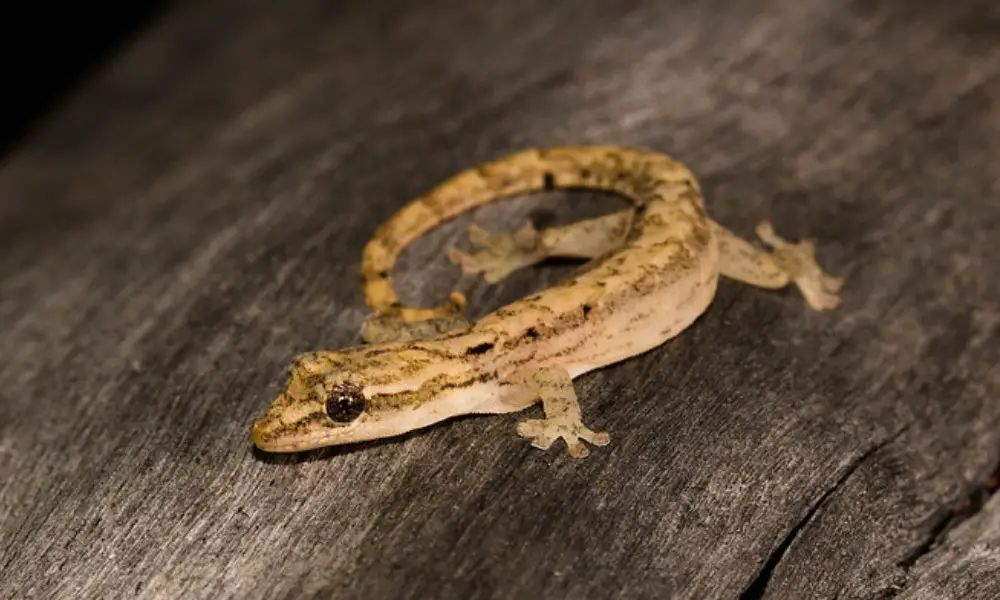
The mourning gecko, scientifically named Lepidodactylus lugubris, is a small, adaptable reptile known for its unique biology. This gecko belongs to the gecko family Gekkonidae and is one of the most widespread lizard species globally. Found in tropical and subtropical zones, it thrives in diverse environments thanks to evolutionary traits like its asexual reproduction method.
Overview of the Species
Reaching 3–4 inches in length, Lepidodactylus lugubris has translucent skin with patterns resembling speckles or stripes. Unlike many geckos, it lacks adhesive toe pads, relying on climbing surfaces with rough textures. Its diet includes insects, nectar, and fruit, making it a generalist feeder.
Geographic Distribution
- Native to Oceania: Originally from Southeast Asia and the Pacific Islands (e.g., Fiji, Samoa).
- Introduced species: Now found in Florida, Hawaii, and the Caribbean due to accidental transport via human activity.
- Successful colonizer: Populations thrive in non-native regions like Mauritius and Réunion Islands.
Habitat Preferences
These geckos favor humid microhabitats like:
- Coastal forests and mangrove swamps
- Human-modified areas such as homes and greenhouses
- Vertical surfaces like tree trunks and walls for basking
Adaptability to both wild and urban settings helps Lepidodactylus lugubris outcompete other gecko species in shared ecosystems.
Unique Reproductive Traits
Mourning geckos rewrite the rules of life with their ability to reproduce without males. This process, called parthenogenesis, allows females to lay eggs that develop into clones of themselves. The answer to why mourning geckos don’t need males lies in their evolved genetic flexibility.
Asexual Reproduction Explained
These geckos bypass mating entirely. Instead of combining genetic material from two parents, females trigger egg development through a process called automictic parthenogenesis. Eggs hatch into clones, ensuring offspring share the mother’s exact DNA. This method skips the search for mates, giving them a survival edge in isolated habitats.
Benefits of Self-Cloning
- Rapid population growth in ideal conditions
- Ability to colonize new environments quickly
- No dependency on finding or competing for partners
Comparison to Other Geckos
Most gecko species rely on males for reproduction. Mourning geckos outpace them in scenarios where mates are scarce. While sexual reproduction in other species boosts genetic diversity, mourning geckos prioritize speed and adaptability. Their strategy sacrifices genetic variation for survival in harsh or isolated spots like tropical islands.
Physical Characteristics
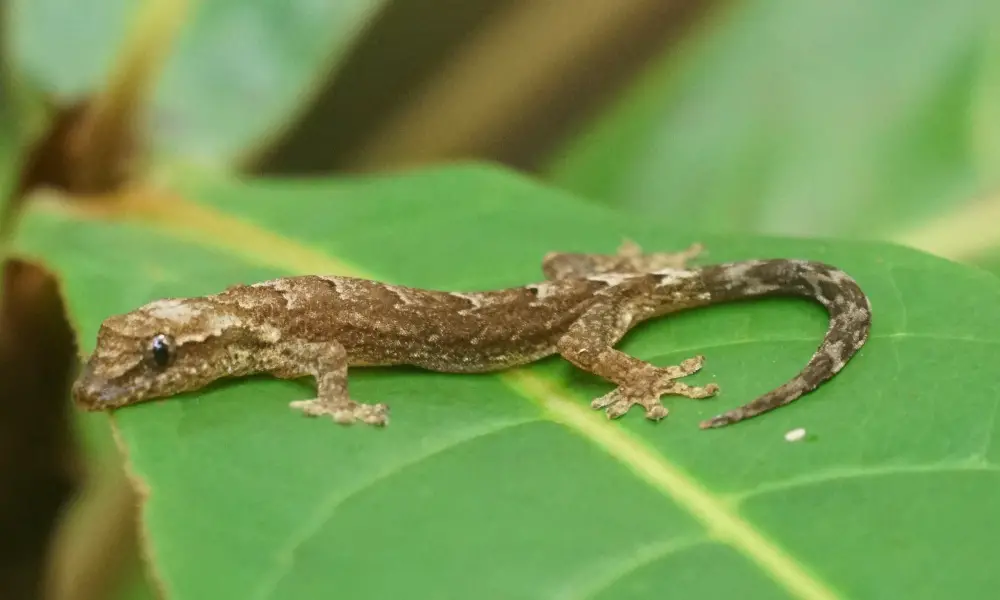
The Mourning Gecko’s petite frame belies its striking appearance. These tiny lizards average 3 to 4 inches in length, weighing mere ounces. Their coloration shifts between muted browns, grays, and occasional golden hues, accented by intricate patterns like bars or spots that help them hide in leaf litter or tree bark.
Size and Coloration
Adult Mourning Geckos rarely exceed 4 inches, making them one of the smallest gecko species. Their slender bodies feature a base color that can range from ashen gray to deep chocolate brown. Many specimens display a yellowish stripe along their spine or speckled patches, creating a camouflage masterpiece. Juveniles often show brighter markings than adults.
Distinctive Features
Look closely to spot their unique traits:
- Toe pads with microscopic hairs enabling climbs on glass or vertical surfaces.
- Movable eyelids, a rarity among geckos, help protect their eyes from debris.
- A prehensile tail that acts as a fifth limb when navigating dense foliage.
Lifespan Expectations
In the wild, Mourning Geckos typically live 3–5 years. Captive specimens often reach 5–8 years when cared for properly. Key factors influencing longevity include:
- Consistent access to live food like fruit flies or pinhead crickets.
- Humid enclosures mimicking their tropical habitats.
- Regular UVB lighting to prevent metabolic bone disease.
A well-kept Mourning Gecko may even exceed 8 years with attentive care, showcasing their resilience when environmental needs are met.
Behavior and Social Structure
Mourning Geckos thrive through a mix of social nuance and survival instinct. Their colonies, though all-female, maintain structured social dynamics rooted in vocal communication and territorial displays.
Territoriality and Interaction
These geckos use distinct mourning calls—high-pitched chirps—to mark territories and signal dominance. Even in groups, they establish hierarchies, often squabbling over prime nesting spots. Studies show they recognize colony members through scent, reducing conflicts over shared resources.
Diet and Feeding Habits
A nocturnal hunter, the Mourning Gecko’s diet relies on:
- Insects like fruit flies and termites
- Nectar from tropical flowers
- Ripe fruits for hydration and energy
They use sticky tongues to catch prey, adapting to both wild and captive environments by scavenging opportunistically.
Adaptations to Environment
Survival hinges on physical and behavioral traits:
- Toe pads: Microscopic hairs let them cling to vertical surfaces.
- Autotomy: Tail shedding distracts predators, later regrowing with regenerative cells.
- Nocturnal habits: Avoid daytime heat, hunting under cover of darkness.
These adaptations let them flourish across diverse ecosystems, from rainforests to human-altered landscapes.
Care in Captivity
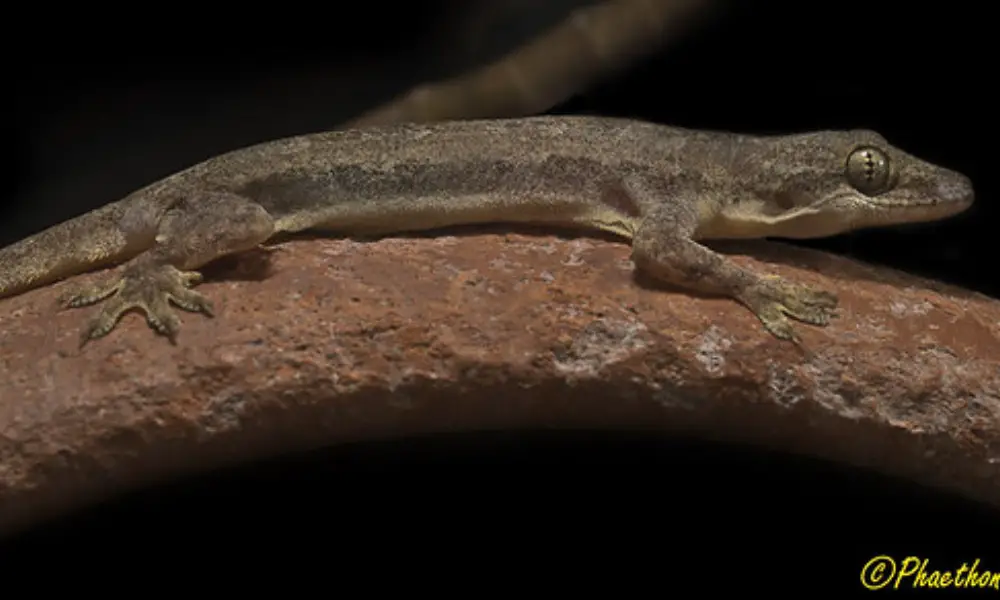
Creating the perfect habitat for these tiny lizards starts with mimicking their wild environment. Follow these steps to ensure your geckos thrive in captivity.
Ideal Living Conditions
Vertical terrariums of at least 12x12x18 inches work best. Use coconut fiber or orchid bark as substrate to maintain humidity between 60-80%. Include live plants like pothos and bromeliads for climbing and hiding spots. Maintain daytime temps of 75-80°F with a basking spot at 85°F. Mist daily and use a hygrometer to track moisture levels.
Dietary Needs
Offer a varied diet of small insects like fruit flies, pinhead crickets, and micro-waxworms. Dust prey with calcium powder 2-3 times weekly. Supplement with mashed fruit (e.g., banana, mango) for extra vitamins. Feed juveniles daily, adults every other day. Always provide fresh water in a shallow dish.
Common Health Concerns
Metabolic bone disease appears as soft jaws or swollen limbs—prevent by providing UVB lighting and calcium. Egg-binding in females may require vet care. Watch for mites or lethargy, signs of parasite infestations. Schedule annual vet checkups and quarantine new geckos to prevent disease spread.
Why Choose a Mourning Gecko as a Pet?
Thinking of adopting a Mourning Gecko? There are some basic things to consider for keeping a Mourning Gecko that thrives. These geckos make fascinating pets but require specific care to ensure their well-being.
We’ll get to those basic things to consider below, but first check out Chris Wang’s little talk about it above in the YouTube video! Chris Wang from the Fish For Thought YouTube channel makes some great points about having Morning Geckos as pets!
Similar to the Crested Gecko’s Care Needs
His first main thing about keeping a Mourning Gecko as a pet is that it is about as easy as a Crested Gecko! These two geckos require a very similar environment, except that the morning gecko needs a little more humidity.
For Exhibition, Not Interaction!
I think a second great point he makes is how to approach having a morning gecko as a pet in general. These critters are small but lightning fast! They can get away from you quickly.
I like his bottom line: They are more for exhibition, not interaction. This is a great thing to keep in mind. These beautiful, fascinating little guys are more about observation, not cuddling!
Keep a Colony of Morning Geckos!
The last good takeaway from Chris’s experience with the Morning Gecko is that they thrive best in colonies. If you are drawn to keep Morning Geckos, really consider 3-5 of these guys. That seems smart, especially since they are tiny, and it’s really all about observing them. With more in the terrarium, you’ll always be able to see some of them!
Okay, now that we’ve heard from a hands-on expert, let’s go over some obvious basic things to keep in mind.
Low Maintenance Requirements
A Mourning Gecko’s care is surprisingly simple. They need a small enclosure—just a 10-gallon tank suffices—since adults grow only 3–4 inches long. Their diet is easy, too: fruit baby food, insects, and calcium supplements work well. Unlike larger reptiles, feeding and cleaning take minimal time.
Interesting Social Dynamics
Unlike many reptiles, Mourning Geckos can live in groups, as mentioned above by Chris.
“Their social behavior makes them unique. They communicate through chirps and share spaces peacefully,”
…Says a reptile keeper with 10 years of experience. Keeping pairs or small groups adds dynamics but be sure to ensure their habitat has enough hiding spots to reduce stress.
Perfect for Beginners
Their self-cloning ability means no complex mating rituals—just focus on their basic needs. However, their lifespan of up to 8 years means a long-term commitment. New owners should research their nocturnal habits: activity peaks at night, so expect quiet days and lively evenings–this was another point from our expert Chris Wang! He warns us to be ready for some late-night cute little chirps going on in the terrarium! While cute and interesting, good luck with getting a good night’s sleep! He was careful not to keep in his bedroom!
Remember, adopting one means providing consistent care. With the right setup, Mourning Geckos reward keepers with quirky personalities and effortless companionship.
Conservation Status
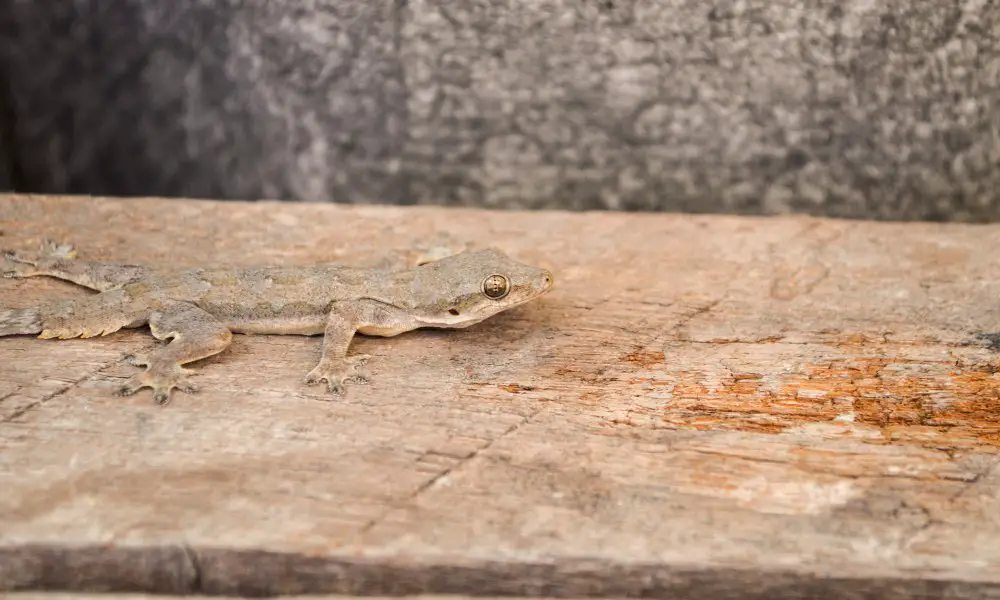
Mourning Geckos thrive in many habitats, yet their survival faces challenges in certain regions. While not endangered globally, their story highlights the delicate balance between adaptability and ecological impact.
Current Threats
- Habitat loss: Deforestation in native regions like Southeast Asia shrinks their natural homes.
- Invasive predators: Cats and rats introduced to islands disrupt nesting sites.
- Climate shifts: Rising temperatures stress populations in vulnerable ecosystems.
Efforts in Conservation
Scientists and communities work to protect Mourning Geckos without harming ecosystems:
- Habitat restoration projects in Madagascar and the Pacific Islands.
- Research tracking population movements to guide land management.
- Education campaigns urging pet owners to avoid releasing geckos into the wild.
Importance of Habitat Protection
| Region | Key Threat | Action Taken |
|---|---|---|
| Southeast Asia | Deforestation | Protected forest reserves established |
| Hawaii | Invasive species competition | Pest control and native plant restoration |
| Global | Unplanned introductions | International pet trade regulations |
Every effort ensures that Mourning Geckos survive sustainably—whether as a native species or in captivity. Their story reminds us that even resilient creatures need our mindful stewardship.
Fun Facts About Mourning Geckos
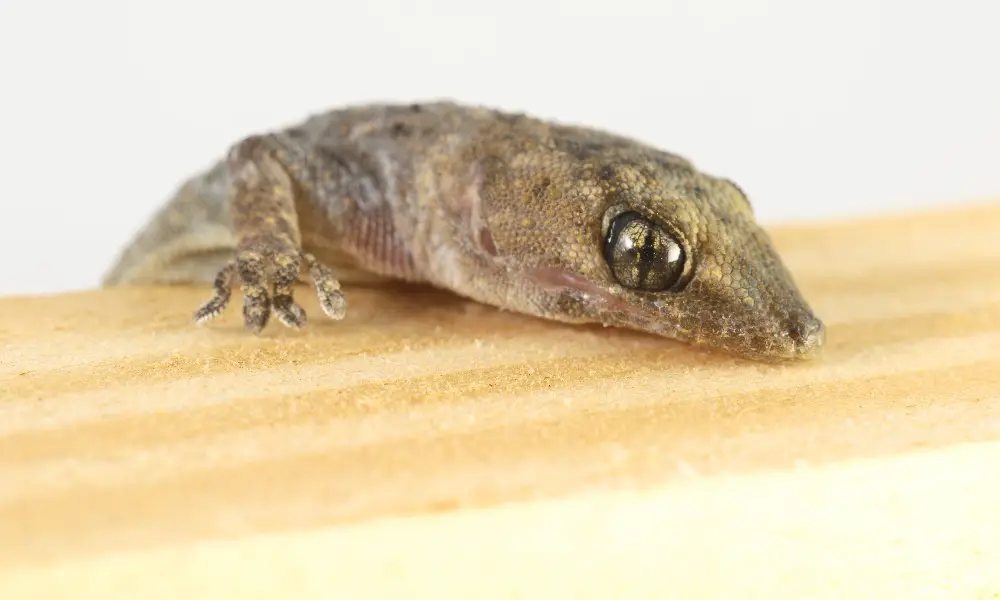
Behind the science of self-cloning lies a world of quirky trivia about Lepidodactylus lugubris. These tiny reptiles surprise even seasoned herpetologists with their hidden talents and cultural stories.
Myth-busting Common Misconceptions
- They’re not “lazy”—their stillness is a defense tactic to avoid predators.
- They don’t bite humans; their tiny teeth are built for insect meals, not defense.
- Though asexual, they’re not entirely solitary—they share territories peacefully in the wild.
Record-breaking Traits
These geckos hold surprising titles in the reptile world:
| Ability | Record |
|---|---|
| Clinging Power | Stick to surfaces with 200% more adhesion than their body weight |
| Vocal Range | Produce 12 distinct chirps to communicate—unlike most silent gecko species |
Cultural Significance
In the South Pacific, Lepidodactylus lugubris features in island folklore:
“The gecko’s cry warns of approaching storms,” say Fijian fisherman.
Their sticky feet symbolize resilience in Hawaii, inspiring traditional chants about clinging to life during hardships.
Scientific Surprises
Recent studies reveal:
- Their eggs hatch in just 30 days—the fastest development among similar-sized geckos.
- Genetic markers show they’ve survived 10+ million years without male reproduction.
Conclusion: The Fascinating World of Mourning Geckos
Mourning Geckos continue to surprise scientists and pet enthusiasts alike with their unique biology and survival skills. From self-cloning to thriving in varied settings, their story blends science and wonder.
Recap of Key Points
These geckos thrive without males through asexual reproduction, a trait rare among vertebrates. Proper care involves understanding what to feed Morning Geckos, including live insects, soft fruits, and calcium supplements. Their habitats need high humidity and hiding spots to mimic their natural environments.
Encouragement to Learn More
Visit resources like the United States Association of Reptile Keepers (USARK) or zoo education pages to learn about their behavior and conservation. Online forums and vet-approved guides offer practical tips for feeding and maintaining their health.
Final Thoughts on Self-Cloning Species
Studying Mourning Geckos offers clues about evolution and adaptation. Their ability to reproduce alone highlights how species survive in changing ecosystems. Their story reminds us to protect habitats so these tiny survivors can continue thriving.
FAQ
Why don’t mourning geckos need males?
Mourning geckos, or Lepidodactylus lugubris, reproduce through a process called parthenogenesis, allowing females to produce viable eggs without the need for fertilization from males. This unique ability results in offspring that are essentially clones of the mother, making them quite remarkable in the reptile world.
How should I house mourning geckos?
Mourning geckos thrive in vertical terrariums with a minimum size of 12x12x18 inches. Be sure to include climbing structures, appropriate substrate, and vegetation to mimic their natural environment. Maintaining the right temperature (70-80°F) and humidity (60-80%) is crucial for their well-being.
What should I feed mourning geckos?
Mourning geckos enjoy a varied diet that includes small insects like fruit flies and pinhead crickets, along with fruit purees and nutritional supplements to ensure they get all necessary nutrients. It’s important to provide food in appropriate sizes for their tiny mouths.
What are important things to consider for keeping a mourning gecko?
When keeping mourning geckos, consider their low-maintenance nature, but remember their need for a proper habitat, diet, and social structure. These geckos are nocturnal and might not be as interactive during the day, so be prepared for their unique behaviors. Also, monitor for potential health issues like metabolic bone disease or egg binding.
How long do mourning geckos typically live?
In captivity, mourning geckos can live for around 5-8 years with proper care, while their lifespan in the wild may vary due to environmental factors. Providing a healthy diet, appropriate living conditions, and regular health check-ups can help maximize their longevity.
Are mourning geckos good pets for beginners?
Yes! Mourning geckos are often recommended for beginner reptile keepers due to their manageable size, low maintenance requirements, and unique behaviors. They can be kept in small groups, which adds to their appeal as social reptiles.
What are common health concerns for mourning geckos?
Common health concerns include metabolic bone disease, egg binding, and parasites. It’s essential to provide a balanced diet, proper humidity, and temperature, as well as regular veterinary check-ups to prevent and address these potential issues.