
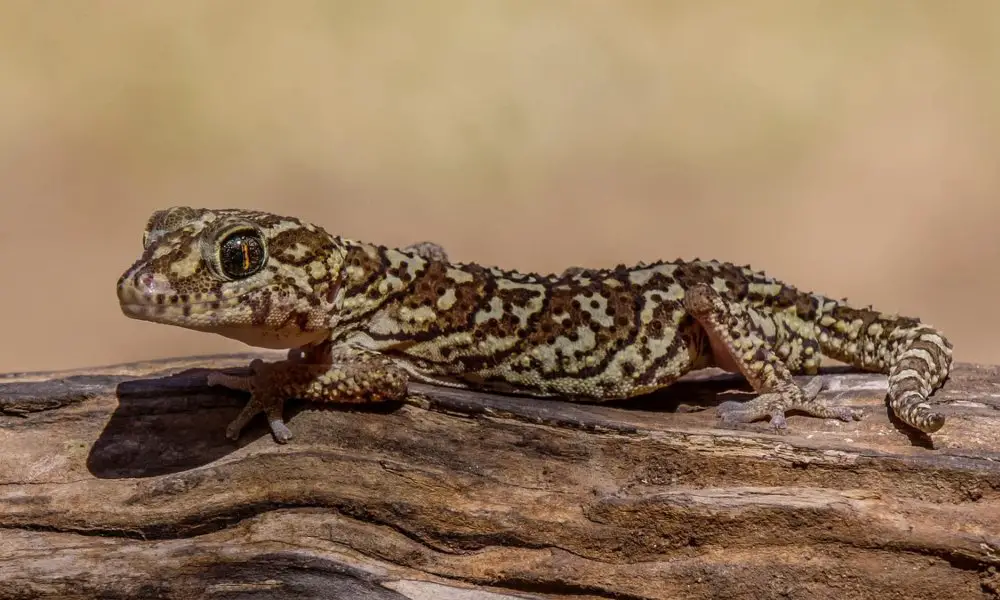
The Madagascar Ground Gecko, or Paroedura pictus, is a small reptile famous for its eye-catching appearance. Their skin displays bold patterns of earthy browns, reds, and whites, resembling intricate paintings—hence their nickname, the “Painted” Gecko. Native solely to Madagascar, these geckos thrive in the island’s unique forests and dry regions.
Wildly popular among reptile enthusiasts, these geckos stand out due to their vibrant colors and active daytime habits. Their natural beauty and distinct traits make them both sought-after pets and vital to Madagascar’s ecosystems.
Table of Contents
- Key Takeaways
- Introduction to the Madagascar Ground Gecko
- Physical Features of the Madagascar Ground Gecko
- Behavior and Lifestyle of the Madagascar Ground Gecko
- Diet and Feeding Habits
- Reproduction and Life Cycle
- Conservation Status of the Madagascar Ground Gecko
- Comparisons with Other Gecko Species
- Keeping Madagascar Ground Geckos as Pets
- Fun Facts about Madagascar Ground Geckos
- Conclusion: Protecting the Madagascar Ground Gecko
Key Takeaways
- Scientifically named Paroedura pictus, this gecko is instantly recognizable by its vivid, artistic-like skin.
- Endemic to Madagascar, it’s a key species in the island’s wildlife diversity.
- Known as the “Painted” Gecko because of its striking natural patterns.
- Adored by pet owners for their bold colors and lively behavior.
- Conservation efforts are crucial to protect their habitats and survival.
Introduction to the Madagascar Ground Gecko
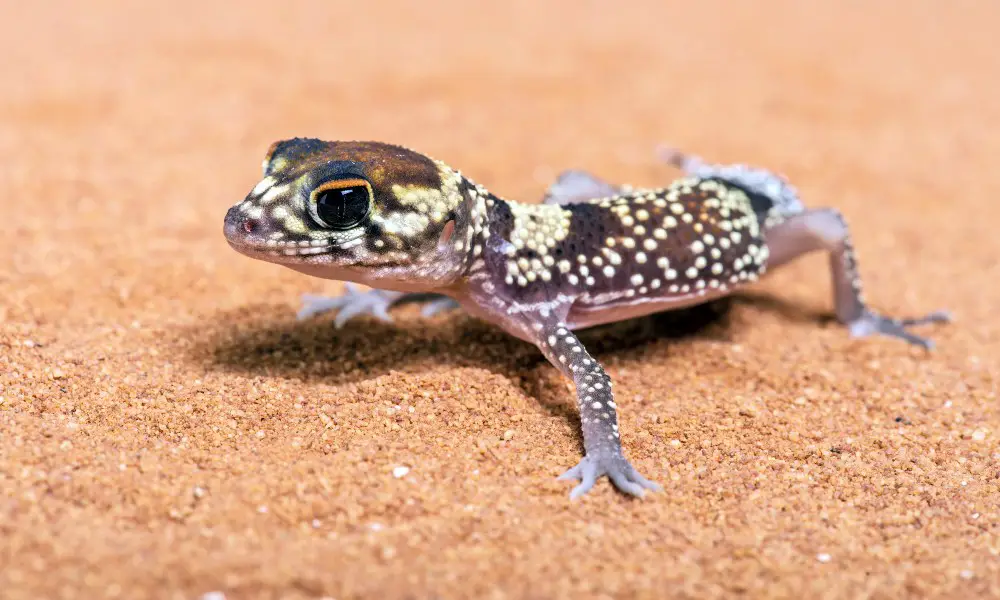
Native to the forests of Madagascar, the Madagascar Ground Gecko stands out among reptiles. These small lizards belong to the Paroedura genus and have evolved unique traits to survive in their environment. As Nocturnal Ground Dwellers, they thrive in hidden corners of the island’s ecosystems. Let’s explore what makes them special and where they live.
What Makes Them Unique?
- Specialized toe pads for gripping rough terrain
- Camouflage patterns to avoid predators
- Nocturnal habits to stay active at night
Unlike tree-climbing geckos, these ground-dwellers spend most of their lives on forest floors. Their flattened bodies and muted colors help them blend into leaf litter and soil. This adaptation lets them hunt insects under cover of darkness.
Their Habitat and Range
These geckos live in specific regions of Madagascar. They favor tropical rainforests and dry deciduous forests. Below is where they’re most commonly found:
| Region | Key Features | Climate |
|---|---|---|
| Eastern Rainforests | Thick undergrowth, moist soil | Humid, warm year-round |
| Central Plateau | Rocky outcrops, sparse vegetation | Dry, seasonal rainfall |
Microhabitats like fallen logs and soil crevices are vital. They seek damp, dark spaces to stay hydrated and hidden. Conservation efforts focus on protecting these critical zones.
Physical Features of the Madagascar Ground Gecko
The Madagascar Ground Gecko, often called the “Painted” Gecko, captivates with its striking appearance. Each gecko wears a living canvas of colors and patterns that blend artistry with survival. Their skin displays earthy tones like rust, tan, and charcoal, often accented with bold markings. These patterns aren’t just for show—they’re survival tools.
Stunning Patterns and Colors
Wild populations boast Madagascar Ground Geckos with intricate designs: zigzag stripes, spotted patches, or mottled gradients. These patterns act as natural camouflage in their leaf-littered habitats. Some geckos even change hues slightly based on temperature or mood, a trait scientists call physiological color adaptation. Their eyes feature vertical pupils, like tiny slit windows for hunting in low light.
- Colors: Reds, browns, blacks, and whites
- Patterns: Stripes, spots, and geometric mosaics
- Function: Camouflage and temperature regulation
Size and Body Structure
Adults measure 4–6 inches long, weighing 15–30 grams—small but mighty. Their flattened bodies and muscular limbs let them dart under rocks or leaves. Toe pads lack the sticky lamellae found in tree-dwelling geckos, since they’re ground hunters. Males often have brighter coloration, while females may grow slightly larger. Here’s a quick breakdown:
| Feature | Male | Female |
|---|---|---|
| Length | 5-6 inches | 4.5-5.5 inches |
| Weight | 20-30g | 15-25g |
| Color Intensity | Brighter | Subtler |
Every detail—from their armored scales to their dagger-like claws—reflects evolution’s precision. This mix of beauty and function makes them a marvel in both the wild and pet enclosures.
Behavior and Lifestyle of the Madagascar Ground Gecko
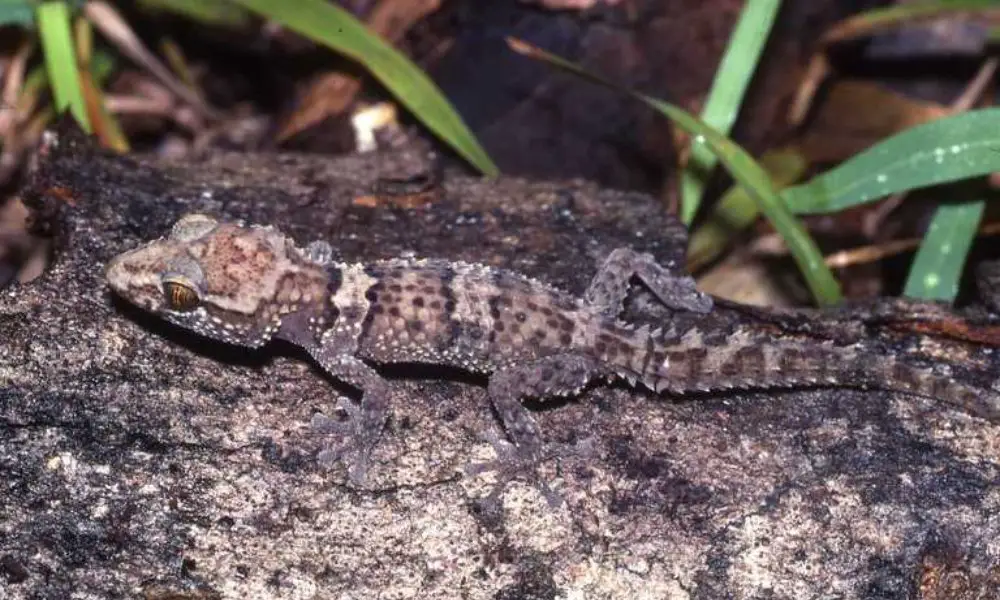
As a Nocturnal Ground Dweller, the Madagascar Ground Gecko thrives under the cloak of darkness, turning the night into a busy time of activity. Their daily rhythms are a dance between survival and adaptation, shaped by the rhythms of their environment.
Active Hours and Daily Routines
These geckos begin their day as dusk falls. Their nighttime routines include:
- Hunting under moonlight: They stalk insects and spiders using sensitive vision and a keen sense of smell.
- Thermoregulation tricks: Mornings see them basking briefly in sunlight to warm up before nightfall.
- Daytime retreat: They hide in leaf piles or burrows to avoid daytime predators and heat.
Social Behavior and Interaction
Madagascar Ground Geckos are solitary by nature, rarely social except during breeding. Their interactions often involve:
- Territorial displays: Males use head-bobs and tail flicks to ward off rivals.
- Quiet signals: Soft chirps or vibrations in the ground alert others to danger or mating opportunities.
- Predator evasion: They freeze in place or dart into shelter when threatened, relying on camouflage to stay hidden.
Diet and Feeding Habits
Understanding how to feed the Madagascar Ground Gecko properly ensures their health and vitality. Wild and captive geckos rely on a diet rich in protein and nutrients to thrive. Here’s what you need to know about their eating habits and care.
Insectivorous Diet
Madagascar Ground Geckos are strict insectivores. In nature, they hunt live prey like crickets, roaches, and small moths. For captivity, offer a mix of:
- Crickets (dusted with calcium)
- Mealworms (occasionally, as they’re high in fat)
- Fruit flies for juveniles
Always prioritize live food to mimic natural hunting. Gut-load insects with leafy greens or commercial supplements 24 hours before feeding to boost nutritional value.
Feeding Techniques
In the wild, these geckos ambush prey using speed and stealth. When keeping them as pets, replicate their instincts:
- Feed at night using tweezers to simulate live movement.
- Provide 3–5 insects per feeding; adjust based on age (adults eat every other day, juveniles daily).
- Dust insects with calcium powder 3x weekly and multivitamins monthly.
Note: Overfeeding leads to obesity. Monitor their body condition and adjust portions. Wild geckos also eat small spiders or termites when available.
Reproduction and Life Cycle
The Paroedura pictus, or Madagascar Ground Gecko, follows a carefully timed reproductive cycle to ensure survival in its native habitat. Their breeding behaviors highlight evolution’s precision, blending strategy and instinct.
Mating Rituals
Breeding peaks between November and March, when males become fiercely territorial. Courting males perform head-bobs, tail-wags, and emit chirps to impress females. Rival males may clash briefly, locking jaws in brief disputes. Females evaluate suitors based on vigor and display intensity before mating occurs.
Egg-Laying Process
Females meticulously select nesting sites in damp soil or leaf debris. Here’s how their reproductive cycle unfolds:
- Clutch details: 1–2 eggs per laying, with up to 3 clutches yearly in ideal conditions.
- Incubation: Eggs hatch after 60–70 days, relying on ambient soil warmth for development.
- Nesting care: Females guard nests briefly before abandoning them, leaving hatchlings to fend for themselves.
Emerging hatchlings measure just 2 cm long, with skin patterns mirroring adults. They grow rapidly, reaching maturity at 1 year. Adults live 8–10 years in the wild, continuing this cycle to sustain their delicate ecosystems. Each step, from courtship to independence, reflects the Madagascar Ground Gecko’s adaptation to its island home.
Conservation Status of the Madagascar Ground Gecko
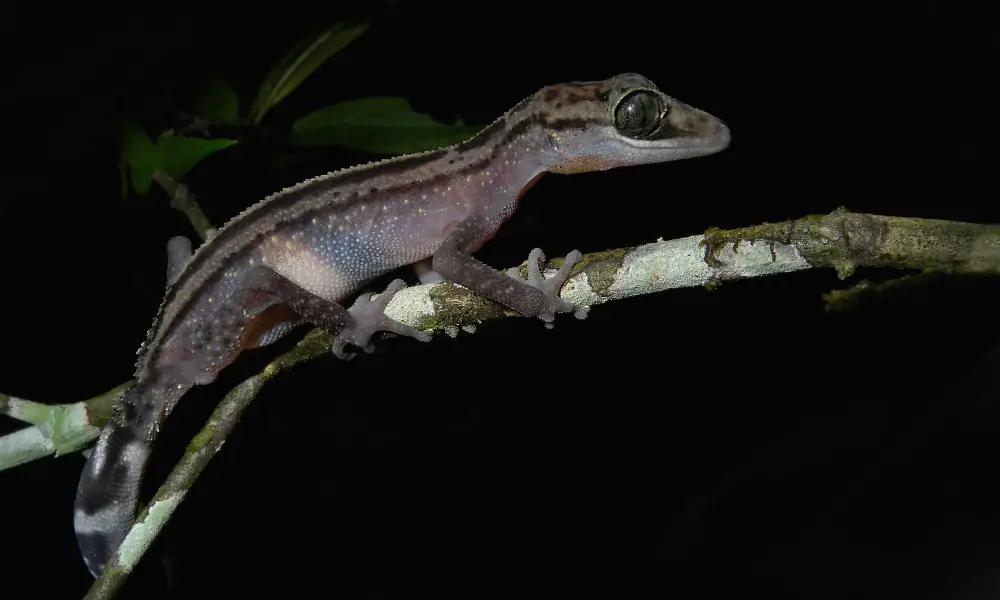
Despite their vibrant beauty, the Madagascar Ground Gecko (Paroedura pictus) faces growing challenges in the wild. Listed as Vulnerable on the IUCN Red List, their survival hinges on urgent action. Let’s explore the threats they face and the steps taken to protect them.
Threats to Their Population
Key dangers include:
- Habitat loss due to deforestation in Madagascar’s eastern rainforests
- Illegal collection for the global pet trade
- Invasive species like feral cats and rats preying on juveniles
- Climate change altering their microhabitats
| Threat | Conservation Response |
|---|---|
| Deforestation | Protected forest reserves established |
| Pet trade | International CITES trade regulations enforced |
| Invasive species | Predator control programs |
Conservation Efforts
Efforts to protect the Paroedura pictus include:
- Community-led reforestation projects in their native range
- Breeding programs at zoos like the Bronx Zoo and Chester Zoo
- Public education campaigns about ethical pet ownership
“Every rescued habitat and responsible keeper helps this species thrive,” says Dr. Maria Lopez, a herpetologist at the Madagascar Biodiversity Foundation.
By supporting certified breeders and protecting wild habitats, we can ensure these tiny survivors remain part of Madagascar’s rich ecosystem.
Comparisons with Other Gecko Species
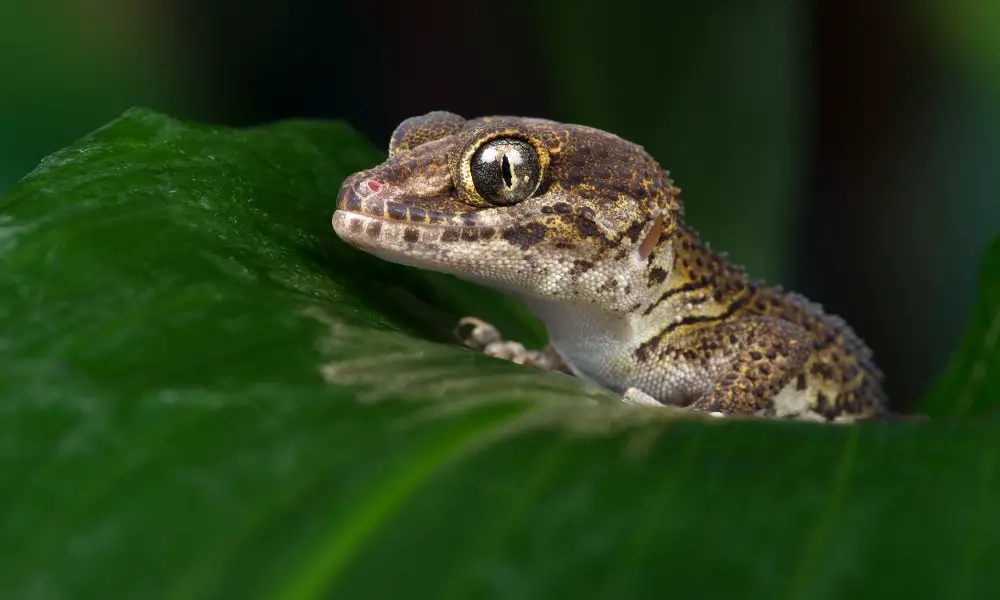
While the Madagascar Ground Gecko shares traits with other geckos, its distinct features set it apart. Let’s explore how this “Painted” Gecko compares to relatives in the reptile world.
Similarities and Differences
Like its cousin species in the Paroedura genus, the Madagascar Ground Gecko has a preference for tropical climates. But its bold patterns—striking compared to the muted tones of the Paroedura pictus—make it instantly recognizable. Unlike the arboreal Lygodactylus williamsi, which climbs vertically, this ground-dweller stays low to the forest floor. When compared to common pet species like the Leopard Gecko, differences in care emerge: the Madagascar Ground Gecko needs higher humidity and avoids bright light, unlike its desert-dwelling counterparts.
Unique Adaptations
Evolution has given this gecko specialized traits. Its skin’s iridescent scales reflect light, confusing predators—a trick not seen in most Paroedura species. Another adaptation: its flattened body allows it to squeeze into narrow rock crevices, a behavior rare among ground-dwelling geckos. These traits help it thrive in its native forests, where competition is fierce. For keepers, these traits mean specific enclosure setups.
- Camouflage patterns: Unlike the uniform colors of the African Fat-tailed Gecko, its mosaic-like skin blends seamlessly with leaf litter.
- Nocturnal activity: While many geckos hunt at dawn, it’s most active under moonlight.
From the rainforests of Madagascar to terrariums in the U.S., these adaptations make the Madagascar Ground Gecko a standout species. Its blend of beauty and survival smarts keeps scientists and hobbyists alike fascinated.
Keeping Madagascar Ground Geckos as Pets
Welcoming a Madagascar Ground Gecko into your home requires careful planning to ensure their well-being. These small, shy reptiles thrive in environments mimicking their wild habitats. Two essentials are the best terrarium for keeping the Madagascar Ground Gecko and providing the hide needed for a Madagascar Ground Gecko. Let’s break down how to set up their space and care for them properly.
Suitable Habitat Setup
A 20-gallon terrarium is ideal for one gecko, offering enough space to explore. Choose a horizontally oriented tank from brands like Zoo Med or Exo Terra. Here’s what to include:
- Substrate: Use coconut fiber or eco earth to maintain humidity.
- Temperature: Keep the basking spot at 85-90°F and cool side around 75°F.
- Lighting: Full-spectrum UVB bulbs 12 hours daily.
The hide needed for a Madagascar Ground Gecko should be snug and dark. Cork bark or commercial hides from Fluker’s work well. Place multiple hides in corners for security.
| Aspect | Recommendation |
|---|---|
| Humidity Level | 60-70% (monitor with a hygrometer) |
| Decor | Driftwood, live plants like pothos, and leaf litter |
Care Requirements and Diet
Stick to a routine to keep your gecko healthy:
- Feeding: Gut-loaded crickets and mealworms dusted with calcium powder.
- Cleaning: Spot-clean weekly; deep clean monthly.
- Health Checks: Look for swollen eyes, mites, or retained sheds.
Handle sparingly—they’re skittish. Visit a reptile vet annually for checkups. A consistent environment and proper nutrition let these geckos live 10+ years in captivity. Patience and attention to detail make all the difference!
Fun Facts about Madagascar Ground Geckos
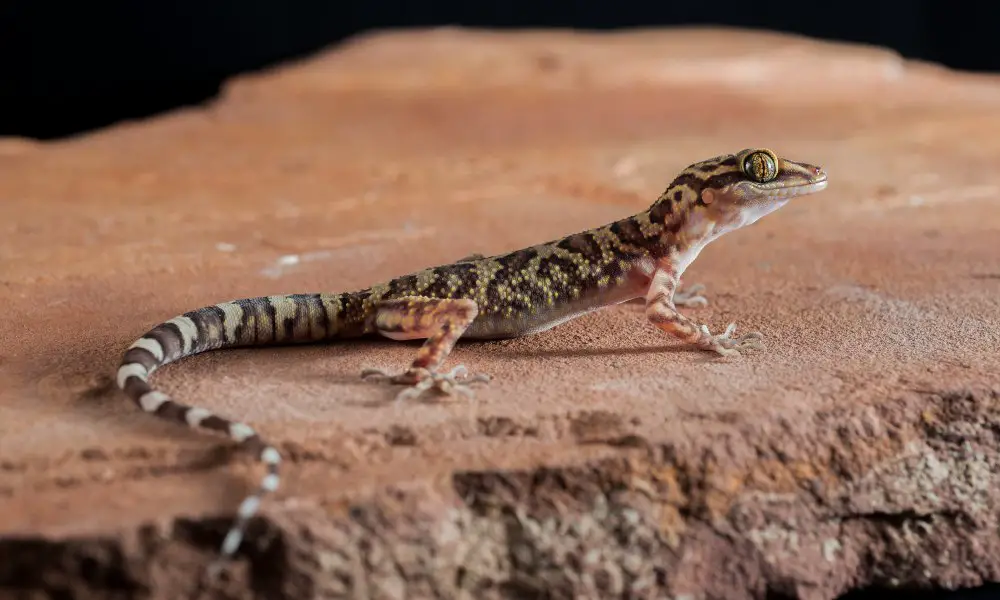
Meet the The ‘Painted’ Gecko, a creature hiding secrets even scientists find surprising! These Nocturnal Ground Dwellers have quirks that make them stand out in the reptile world.
Unusual Traits
- Singing lizards: Unlike most geckos, they chirp at night to warn rivals or find mates—think of them as the forest’s nighttime chorus!
- Color-shifting skin: Their “paint” isn’t just for looks. They subtly change hues to match soil tones, a trick even scientists are still studying.
- Toe secrets: While not climbing walls, their specialized feet let them grip smooth stones while fleeing predators—a ground-dweller’s superpower.
Cultural Significance
In Madagascar, these geckos aren’t just wildlife—they’re woven into local lore.
“Malagasy proverb says, ‘The gecko’s cry warns of hidden dangers,’ linking them to wisdom in folk tales.”
Eco-tourists travel to spots like Isalo National Park to glimpse their vibrant patterns. Even artists feature them in traditional textiles, celebrating their wild beauty.
Fun fact: Researchers discovered one population uses “dirt baths” to camouflage—a behavior new to science in 2022! These tiny reptiles keep surprising us, proving nature’s creativity never sleeps.
Conclusion: Protecting the Madagascar Ground Gecko
The Madagascar Ground Gecko’s vibrant patterns and unique habits make it a treasure of biodiversity. But their survival depends on urgent action to shield them from threats like habitat loss and illegal trade. Every effort to protect this species strengthens the ecosystems they call home.
Why Conservation Matters
These geckos control insect populations, aiding forest health and balancing Madagascar’s delicate ecosystems. Their decline could ripple through entire habitats, harming plants and other animals. Saving them safeguards not just one species but a web of life in one of Earth’s most biodiverse regions.
How You Can Help
If you keep them as pets, ensure proper care. Follow guides on how to feed the Madagascar Ground Gecko to keep them healthy. Provide the hide needed for a Madagascar Ground Gecko to reduce stress in captivity. Share awareness about their plight through social media or local talks. Support groups like the Madagascar Biodiversity Partnership or the IUCN through donations or volunteering.
Choose ethical pet suppliers to avoid harming wild populations. Small actions—like spreading knowledge or adjusting care practices—add up to big impacts. Together, we can ensure these dazzling reptiles thrive for future generations.
FAQ
What is the natural habitat of the Madagascar Ground Gecko?
The Madagascar Ground Gecko, also known as Paroedura pictus, is typically found in a variety of ecosystems throughout Madagascar, including dry forests and scrublands. They thrive in environments that offer plenty of hiding spots among rocks, leaves, and other vegetation that mimics their natural surroundings.
How do I create the best terrarium for keeping a Madagascar Ground Gecko?
To create the best terrarium, use a tank that is at least 20 gallons in size, with a sandy or reptile-safe substrate. Include plenty of hiding spots such as caves or logs, and ensure that the temperature gradient is maintained between 75-85°F. Keep the humidity levels around 50-60%, and use a UVB light to replicate their natural light cycle.
Do Madagascar Ground Geckos require hides?
Yes, providing hides is essential for Madagascar Ground Geckos. They feel secure when they have places to retreat and hide from potential threats. Use materials such as coconut shells or commercially available reptile hides, placing them in various locations around the terrarium to encourage exploration.
What do you feed a Madagascar Ground Gecko in captivity?
In captivity, Madagascar Ground Geckos thrive on an insectivorous diet primarily comprising crickets, mealworms, and other appropriately sized insects. It’s important to gut-load these feeder insects and dust them with calcium and vitamin supplements to ensure a well-rounded diet.
How active are Madagascar Ground Geckos during the day?
Madagascar Ground Geckos are primarily nocturnal creatures, meaning they are most active at night. During the day, they tend to hide and rest to avoid the heat, emerging to hunt for food when temperatures cool down.
Are there any specific health issues to watch for in Madagascar Ground Geckos?
Yes, common health issues in Madagascar Ground Geckos include metabolic bone disease due to inadequate UVB lighting and poor diet. Additionally, they can suffer from respiratory infections if kept in damp conditions. Monitoring their habitat closely and providing proper care can help prevent these issues.
What is the lifespan of a Madagascar Ground Gecko in captivity?
Madagascar Ground Geckos can live up to 10-15 years in captivity when properly cared for. Their lifespan can be influenced by diet, habitat conditions, and overall health.
What makes Madagascar Ground Geckos a popular pet choice?
Their captivating appearance, with vibrant patterns and colors, makes Madagascar Ground Geckos appealing to reptile enthusiasts. They are relatively easy to care for and have unique behaviors that fascinate pet owners.
What conservation efforts are in place for Madagascar Ground Geckos?
Various conservation initiatives focus on habitat preservation and combating illegal pet trade practices to protect Madagascar Ground Geckos. Education and awareness programs also play a crucial role in promoting responsible ownership and conservation efforts.