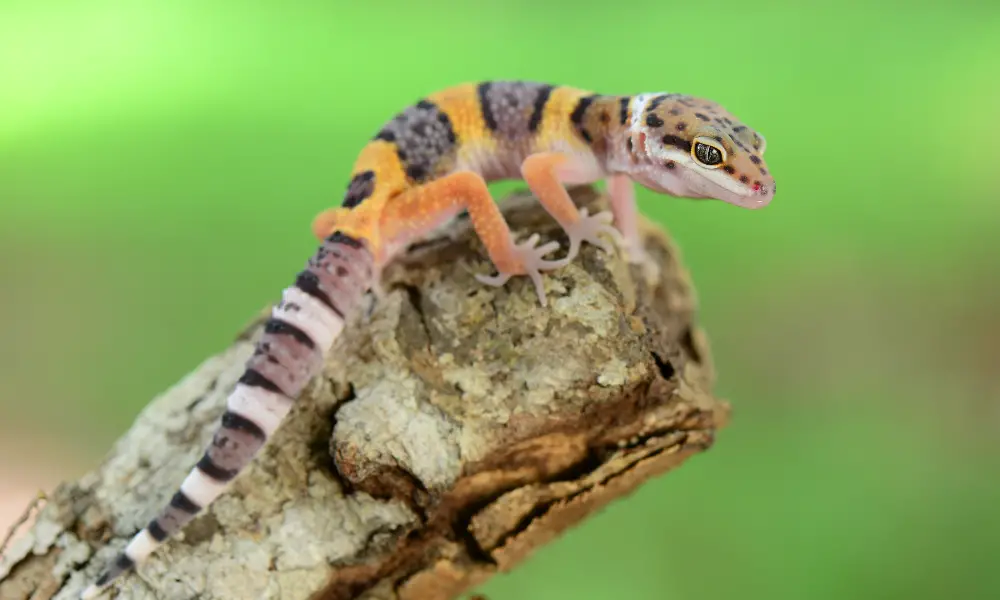
Leopard geckos are an excellent choice for a beginner pet due to their low maintenance requirements and friendly temperament. They are easy to care for and can thrive in a well-designed terrarium with proper lighting, temperature, and humidity. As beginner pets, leopard geckos offer a great introduction to reptile care, making them a popular choice among pet owners in the United States.
Owning a leopard gecko can be a fun and rewarding experience, especially for those new to pet ownership. With their relatively small size and calm nature, leopard geckos make a great pet for anyone looking to bring a new companion into their home. In this article, we will explore the benefits of owning a leopard gecko as a beginner pet and provide a comprehensive guide on caring for these amazing creatures.
Table of Contents
- Introduction to the World of Leopard Geckos
- Introduction to Leopard Geckos
- Low Maintenance Requirements
- Friendly Temperament
- Ideal for Small Spaces
- Health and Lifespan
- Educational Value for Kids
- Variety and Color Morphs
- Understanding Their Diet
- 9. Creating a Comfortable Habitat
- 10. Easy Breeding for Enthusiasts
- 11. Community and Support Resources
- 12. Conclusion: Why Choose a Leopard Gecko?
Introduction to the World of Leopard Geckos
Leopard geckos are a popular choice among reptile enthusiasts, and for good reason. They are relatively low maintenance, easy to handle, and can be quite entertaining to watch. As a beginner pet, leopard geckos offer a unique opportunity to learn about reptile care and biology.
Key Takeaways
- Leopard geckos are a great choice for a beginner pet
- They have low maintenance requirements
- Leopard geckos are easy to care for and handle
- They can thrive in a well-designed terrarium
- Leopard geckos offer a unique opportunity to learn about reptile care and biology
- They are a popular choice among pet owners in the United States
Introduction to Leopard Geckos
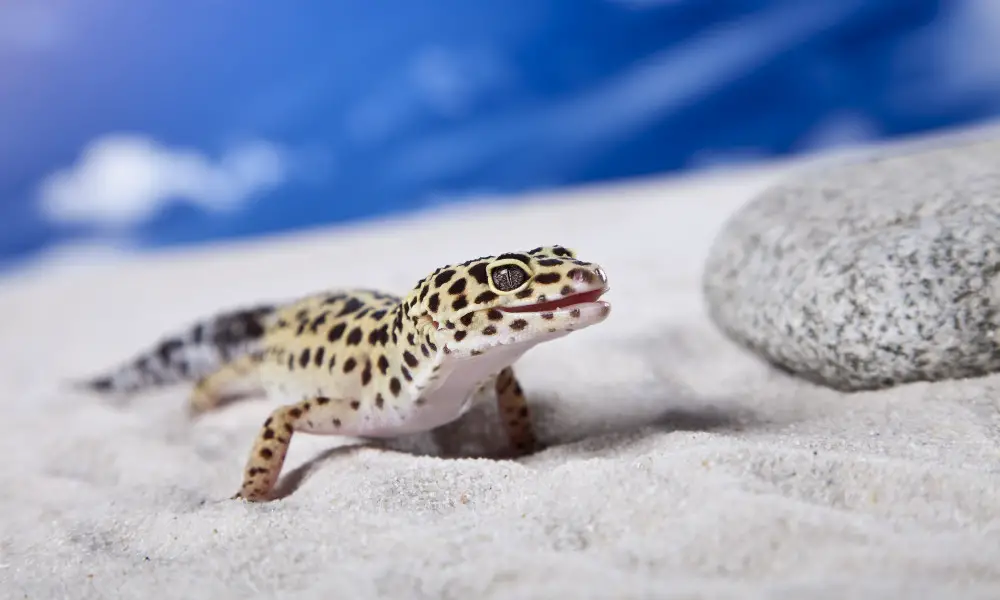
Leopard geckos are a popular choice for many reptile enthusiasts, and their popularity can be attributed to their unique characteristics and appearance. They are relatively small, making them a great option for those living in small spaces. With their distinctive brown or yellowish-brown body and black spots or stripes, it’s no wonder they’re a favorite among many, and very common in the gecko pet trade.
One of the reasons leopard geckos are so well-liked is their adaptability to captivity. They are native to the deserts and arid regions of South Asia, but they thrive in a well-maintained terrarium. Some of the key characteristics of leopard geckos include:
- Nocturnal behavior, meaning they’re most active at night
- A unique set of physical characteristics that make them well-suited to their environment
- A relatively long lifespan makes them a long-term companion
As we delve deeper into the world of leopard geckos, it’s clear that they’re not only common in the pet trade but also a great choice for beginners. Their low-maintenance care and gentle nature make them an ideal pet for those new to reptile ownership. With proper care and attention, leopard geckos can make wonderful and loving companions.
Low Maintenance Requirements
Leopard geckos are ideal pets for those who want a low-maintenance companion. One of the key benefits of owning a leopard gecko is their simple housing needs. A well-designed terrarium setup can provide your gecko with a comfortable and stimulating environment. This includes a heat source, a substrate such as sand or calcium sand, and a few hiding places to help your gecko feel secure.
A good terrarium setup should include a hide or two to provide your gecko with a sense of security and a place to retreat to when feeling stressed. This can be as simple as a small cave or a plant with broad leaves. By providing a comfortable and secure environment, you can help your gecko thrive and enjoy a happy and healthy life.
Some key considerations for a best terrarium set up include:
- A heat source, such as a heat lamp or ceramic heat emitter
- A substrate, such as sand or calcium sand, that is safe and easy to clean
- A few hiding places, such as caves or plants, provide your gecko with a sense of security
- A shallow water dish and a hiding place or two to help your gecko feel secure
By following these simple guidelines, you can create a comfortable and stimulating environment for your leopard gecko and enjoy the many benefits of owning a low-maintenance and rewarding pet.
Friendly Temperament
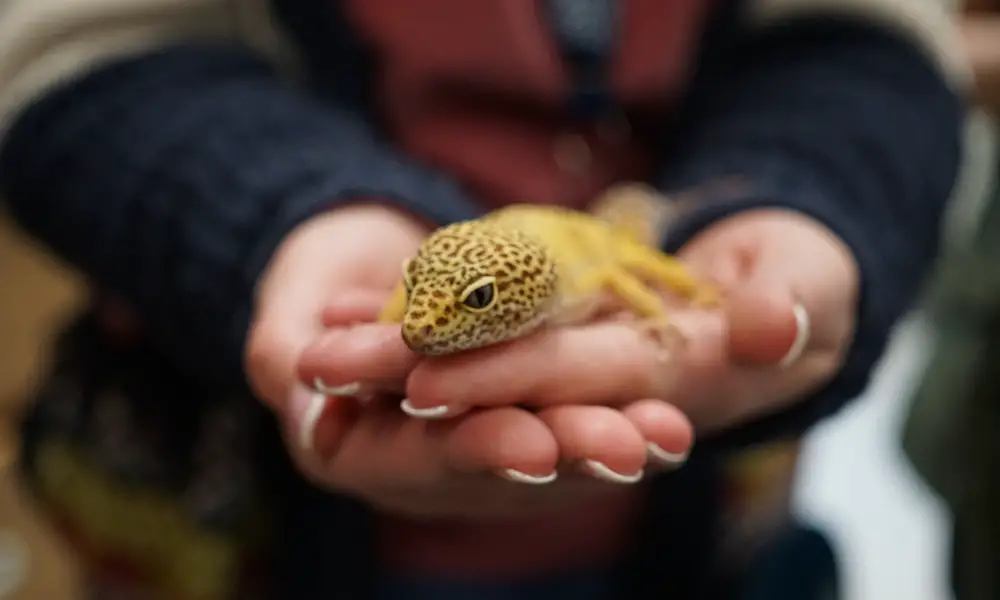
Leopard geckos are known for their calm and gentle nature, making them an ideal pet for beginners. They are relatively social and can be handled gently, but it’s essential to remember that they are still wild animals and should be treated with respect. To create a comfortable environment for your gecko, include a heat lamp to provide a basking spot, and choose the best substrate, such as reptile carpet or paper towels, to keep the terrarium clean and dry.
When interacting with your gecko, it’s crucial to be gentle and supportive. Avoid handling them when they are shedding or stressed, as this can cause them discomfort. Some key tips for handling your gecko include:
- Wash your hands before and after handling your gecko to prevent the transfer of bacteria.
- Support your gecko’s body and tail when handling them to prevent injury.
- Handle your gecko gently and briefly, especially in the early stages of ownership.
By following these tips and providing a suitable environment, you can help your gecko feel comfortable and secure, allowing you to develop a strong bond with your pet. Remember to observe your gecko’s behavior and adjust your interaction accordingly, ensuring a happy and healthy relationship.
Ideal for Small Spaces
Leopard geckos are perfect pets for individuals who live in small spaces, such as apartments or dorms. They require a relatively small amount of space, and a well-designed terrarium can provide them with a comfortable and stimulating environment. A key aspect of their care is providing a best diet that includes a variety of live insects, which can be achieved with a few simple tricks.
To create a suitable environment, consider the following space requirements for housing your leopard gecko:
- A minimum tank size of 12 inches wide, 18 inches long, and 18 inches tall
- A well-ventilated tank with a secure lid to prevent escape
- A heat source, such as a heat lamp or ceramic heat emitter, to maintain a temperature range of 75-85°F
By providing a proper environment and a best diet, you can keep your leopard gecko healthy and happy. Some useful tricks include providing a variety of hiding places and visual barriers to reduce stress and promote exploration. With the right care and attention, leopard geckos can thrive in small spaces, making them an ideal pet for city dwellers or students living in dorms.
Health and Lifespan
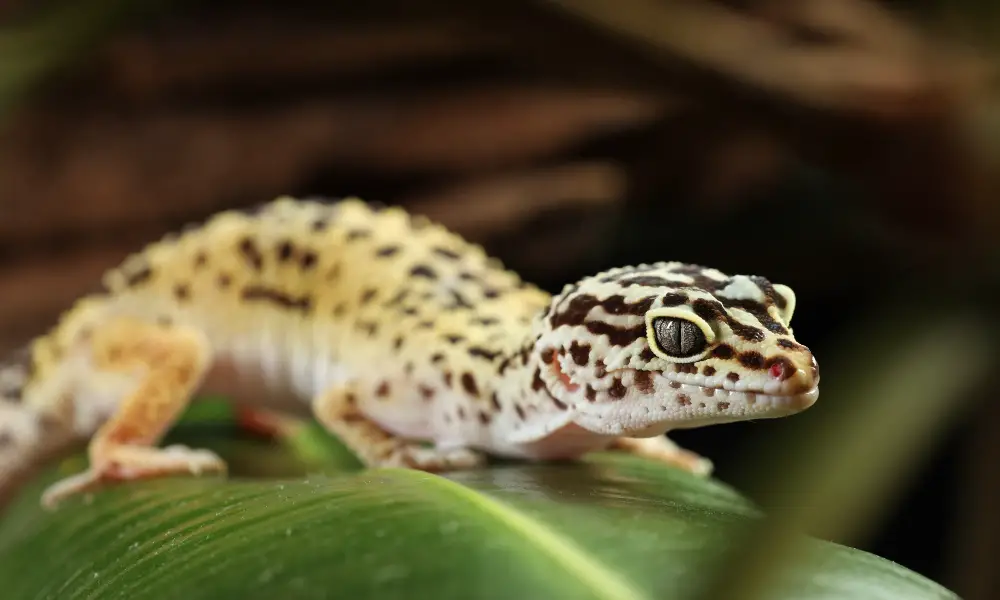
Leopard geckos are generally a healthy species, but like all living creatures, they can be prone to certain health issues. A good understanding of these health issues and how to prevent them can help to ensure that your gecko lives a long and healthy life. With proper care and attention, leopard geckos can live for 10-20 years or more, making them a long-term companion.
Some common health issues that can affect leopard geckos include metabolic bone disease, respiratory infections, and parasites. It is essential to be aware of the signs and symptoms of these health issues and to take prompt action if you notice any unusual behavior or physical changes in your gecko. Regular veterinary check-ups can also help to identify any potential health issues early on.
Common Health Issues
- Metabolic bone disease: a condition that affects the gecko’s bones and can cause weakness, deformity, and pain.
- Respiratory infections: bacterial or viral infections that can cause breathing difficulties, coughing, and discharge from the nose and mouth.
- Parasites: internal or external parasites that can cause a range of health problems, including weight loss, diarrhea, and skin irritation.
By being aware of these potential health issues and taking steps to prevent them, you can help to ensure that your leopard geckos live a long and healthy life. Regular cleaning and disinfection of their enclosure, a balanced diet, and plenty of fresh water can all help to prevent health issues and keep your geckos thriving.
Educational Value for Kids
Owning a pet can be a valuable learning experience for children, and leopard geckos are an excellent choice. They offer a unique opportunity for kids to learn about responsibility and care for another living creature. Leopard geckos are relatively low maintenance, making them an ideal pet for families with children who are interested in learning about reptiles.
Leopard geckos have several characteristics that make them a great educational tool. For example, their ability to regrow their tails can teach kids about the amazing adaptability of animals. Additionally, their nocturnal habits can help kids learn about the different ways that animals adapt to their environments. Some fun facts about leopard geckos include:
- They can live up to 10-15 years in captivity, providing a long-term learning experience for kids.
- They are native to the deserts of Asia, teaching kids about different ecosystems and habitats.
- They are insectivores, which can help kids learn about the importance of insects in the food chain.
The educational value of leopard geckos is not limited to just learning about the animals themselves. Caring for a leopard gecko can also teach kids important life skills, such as responsibility, empathy, and time management. By learning to care for a leopard gecko, kids can develop a sense of compassion and respect for all living creatures, which can have a positive impact on their relationships with others and their community.
Variety and Color Morphs
Leopard geckos are known for their stunning color morphs, which can make for a unique and exciting pet ownership experience. With a wide range of color mutations, or morphs, available, including albino, leucistic, and melanistic, you can choose a gecko that suits your style and preferences. When it comes to color mutations, leopard geckos offer a diverse palette, making them a popular choice among reptile enthusiasts.
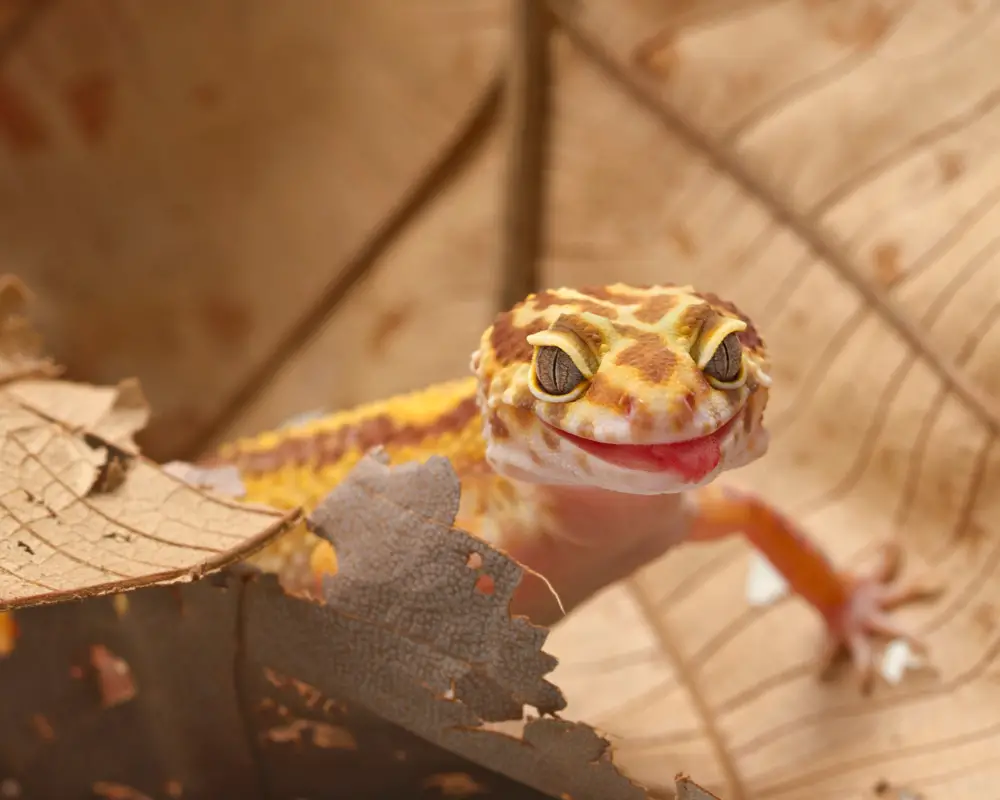
Some popular color morphs among leopard geckos include:
- Albino: characterized by a lack of melanin, resulting in a pale yellow or white color
- Leucistic: featuring a reduction in melanin, resulting in a pale or washed-out color
- Melanistic: characterized by an increase in melanin, resulting in a dark or black color
It can be very exciting to find a unique-looking Leopard gecko morph and make it your own! By selecting a gecko with a color mutation that you find appealing, you can enjoy a rewarding and engaging pet ownership experience.
Understanding Their Diet
Leopard geckos are insectivores, which means they primarily feed on live insects. A well-balanced diet is crucial for their growth and overall health. When it comes to providing the best diet for your pet, it’s essential to include a variety of live insects such as crickets, mealworms, and waxworms. Supplementation is also vital, as it helps provide your gecko with the necessary vitamins and minerals.
A good feeding schedule should include a mix of insects, as well as a calcium and vitamin supplement to ensure your gecko is getting all the nutrients it needs. Some key points to consider when creating a feeding schedule include:
- Offer a variety of live insects to provide a broad range of nutrients
- Include a calcium supplement to support strong bone growth
- Add a vitamin supplement to fill any nutritional gaps in their diet
By providing a balanced diet that includes supplementation, you can help ensure your leopard gecko leads a happy and healthy life. Remember to research and understand the specific dietary needs of your pet, and consult with a veterinarian if you have any questions or concerns about their diet or supplementation.
9. Creating a Comfortable Habitat
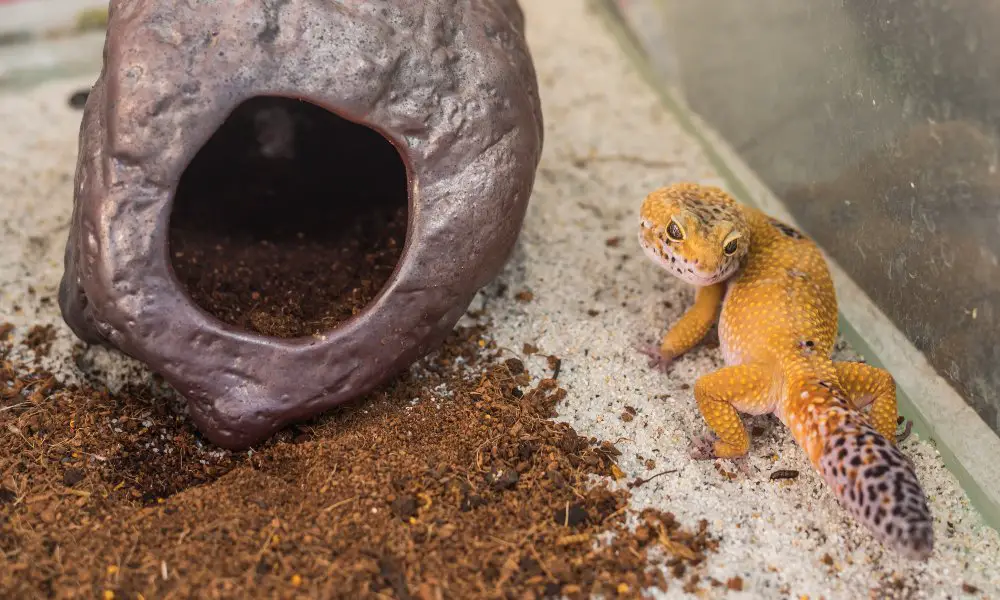
When it comes to creating a comfortable habitat for your leopard gecko, a well-planned best terrarium set up is essential. This includes selecting the right temperature range, which is crucial for the gecko’s health and well-being. The ideal temperature range for leopard geckos is between 75-85°F, with a basking spot of around 90°F.
A good terrarium setup should also include essential gear and accessories such as a heat source, a hiding place or two, and a substrate like sand or calcium sand. Maintaining the right humidity levels is also important, with a range of 30-50% being ideal. At night, the humidity can be slightly increased to simulate the gecko’s natural environment.
Essential Gear and Accessories
- Heat source (e.g., heat lamp or ceramic heat emitter)
- Hiding places (e.g., rocks, plants, or commercial hiding houses)
- Substrate (e.g., sand, calcium sand, or reptile carpet)
- Water and food dishes
By creating a comfortable and well-planned habitat, you can help ensure your leopard gecko leads a happy and healthy life. Remember to research and understand the specific needs of your gecko, including the best terrarium set up and temperature requirements, to provide the best possible care.
| Temperature Range | Humidity Level |
|---|---|
| 75-85°F | 30-50% |
| 90°F (basking spot) | 50-60% (at night) |
10. Easy Breeding for Enthusiasts
Leopard geckos are popular pets, and breeding them can be a fun and rewarding experience for enthusiasts. When it comes to breeding leopard geckos, it’s essential to understand the basics of the process. This includes introducing a male and female gecko, providing a suitable environment for them to mate and lay eggs, and caring for the resulting hatchlings.
For those interested in breeding leopard geckos, here are some key considerations:
- Provide a suitable environment, including a terrarium with a heat source and a hiding place or two.
- Ensure the female gecko is healthy and well-nourished before breeding.
- Keep the terrarium clean and well-maintained to prevent disease and promote healthy growth.
Caring for hatchlings requires a separate terrarium setup with a heat source, a hiding place or two, and a substrate such as paper towels or reptile carpet. It’s also essential to provide a nutritious diet and a clean environment to ensure that the hatchlings grow and thrive. By following these guidelines and doing plenty of research, breeding leopard geckos can be a successful and enjoyable experience for enthusiasts.
| Age | Weight | Food |
|---|---|---|
| 0-6 months | 1-2 grams | Live insects, such as crickets or mealworms |
| 6-12 months | 2-5 grams | Live insects, such as crickets or mealworms, supplemented with calcium and vitamin D3 |
With the right care and attention, breeding leopard geckos can be a fun and rewarding hobby. Whether you’re a seasoned breeder or just starting out, it’s essential to prioritize the health and well-being of your geckos and to stay up-to-date on the latest breeding techniques and best practices.
11. Community and Support Resources
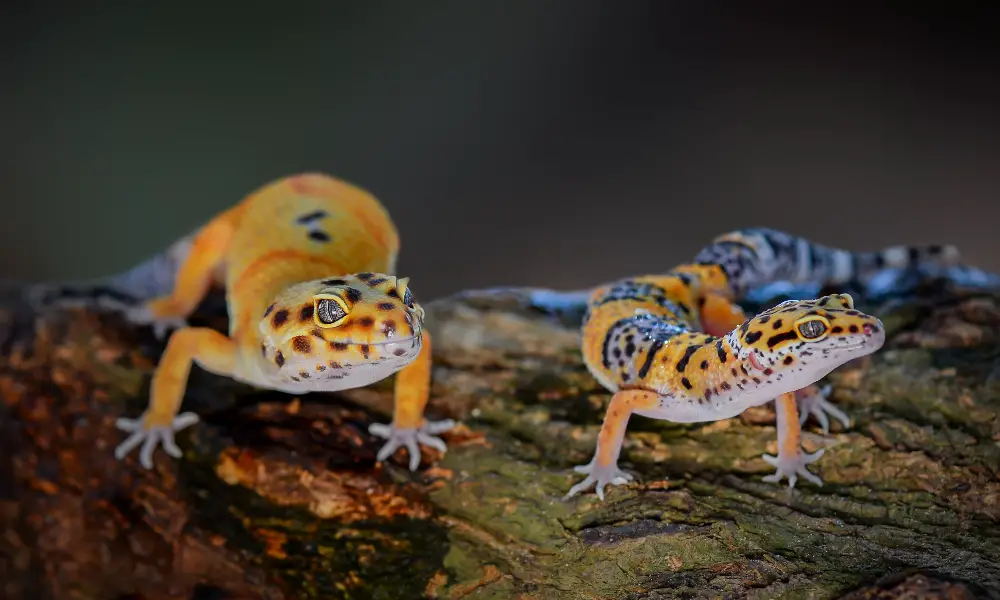
Leopard geckos have a dedicated community of enthusiasts who share knowledge, experiences, and passion for these amazing creatures. The community provides a valuable resource for owners, offering advice, support, and a chance to connect with other enthusiasts. Joining a community or club can be a great way to learn more about leopard geckos, share knowledge and experiences, and stay up-to-date with the latest developments and research.
Online forums and groups are a great place to start, with many dedicated to the care and breeding of leopard geckos. These platforms provide a space for owners to ask questions, share tips, and showcase their pets. Local exotic pet clubs can also provide a valuable resource for owners, offering face-to-face interaction and a chance to learn from experienced breeders and owners.
Some of the benefits of joining a community or club include:
- Access to expert advice and knowledge
- Opportunities to connect with other enthusiasts
- Staying up-to-date with the latest developments and research
- Sharing knowledge and experiences with others
The leopard geckos community is active and supportive, with many resources available for owners. By joining a community or club, owners can tap into this wealth of knowledge and experience, and become a part of a vibrant and passionate community.
| Resource | Description |
|---|---|
| Online Forums | A space for owners to ask questions, share tips, and showcase their pets |
| Local Exotic Pet Clubs | A chance to learn from experienced breeders and owners, and connect with other enthusiasts |
12. Conclusion: Why Choose a Leopard Gecko?
As you’ve learned, leopard geckos make wonderful beginner pets for a variety of reasons. Their low-maintenance care requirements, friendly demeanor, and compact size make them a perfect choice for novice reptile enthusiasts and seasoned hobbyists alike. Whether you’re looking to add a unique, captivating creature to your home or want to introduce a child to the joys of pet ownership, a leopard gecko is an excellent option to consider.
With their vibrant colors, curious personalities, and ease of care, it’s no wonder that leopard geckos have become one of the most popular reptile pets in the world. By providing your new scaly friend with a comfortable, enriching habitat and a healthy diet, you’ll be able to enjoy years of companionship and entertainment. So why not take the leap and welcome a leopard gecko into your life today?
FAQ
What is a Leopard Gecko?
Leopard geckos are a species of small to medium-sized geckos that are native to the deserts and arid regions of South Asia. They are relatively common in the pet trade and are known for their distinctive appearance, which includes a brown or yellowish-brown body with black spots or stripes.
What are the low maintenance requirements of Leopard Geckos?
One of the benefits of owning a leopard gecko is their low maintenance requirements. They can thrive in a simple terrarium setup that includes a heat source, a hiding place or two, and a substrate such as sand or calcium sand. Feeding is also easy, as leopard geckos are insectivores and can be fed a diet of live insects such as crickets or mealworms.
How friendly are Leopard Geckos?
Leopard geckos are known for their friendly and docile nature, making them an excellent choice for beginners. They are relatively social and can be handled gently, but it’s essential to remember that they are still wild animals and should be treated with respect.
Are Leopard Geckos suitable for small spaces?
Leopard geckos are an excellent choice for people who live in small spaces, such as apartments or dorms. They require a relatively small amount of space, and a well-designed terrarium can provide them with a comfortable and stimulating environment.
What is the typical lifespan of a Leopard Gecko?
With proper care and attention, leopard geckos can live for 10-20 years or more, making them a long-term companion.
How can Leopard Geckos be educational for kids?
Owning a leopard gecko can be a valuable educational experience for kids, teaching them about responsibility and care for another living creature. Leopard geckos are relatively low maintenance, making them an excellent choice for children who are interested in learning about reptiles.
What color morphs are available for Leopard Geckos?
Leopard geckos come in a variety of color morphs, including albino, leucistic, and melanistic. These color mutations can make for some stunning and unique-looking geckos, and can be a fun and exciting aspect of owning a leopard gecko.
What is the ideal diet for a Leopard Gecko?
Leopard geckos are insectivores, and their diet should consist of a variety of live insects such as crickets, mealworms, and waxworms. Supplementation is also essential, as it can help to provide your gecko with the necessary vitamins and minerals.
How do I create a comfortable habitat for a Leopard Gecko?
Creating a comfortable habitat for your leopard gecko is essential for its health and well-being. A good terrarium setup should include essential gear and accessories such as a heat source, a hiding place or two, and a substrate such as sand or calcium sand. The ideal temperature range for leopard geckos is between 75-85°F, with a basking spot of around 90°F, and humidity levels should be maintained at around 30-50%.
Is breeding Leopard Geckos a viable option for enthusiasts?
Breeding leopard geckos can be a fun and rewarding experience for enthusiasts. The breeding process involves introducing a male and female gecko, and providing a suitable environment for them to mate and lay eggs. Caring for hatchlings requires a separate terrarium setup, with a heat source, a hiding place or two, and a substrate such as paper towels or reptile carpet.
Where can I find support and resources for Leopard Gecko owners?
The leopard gecko community is active and supportive, with many online forums and groups dedicated to the care and breeding of these amazing creatures. Local exotic pet clubs can also provide a valuable resource for owners, offering advice, support, and a chance to connect with other enthusiasts.