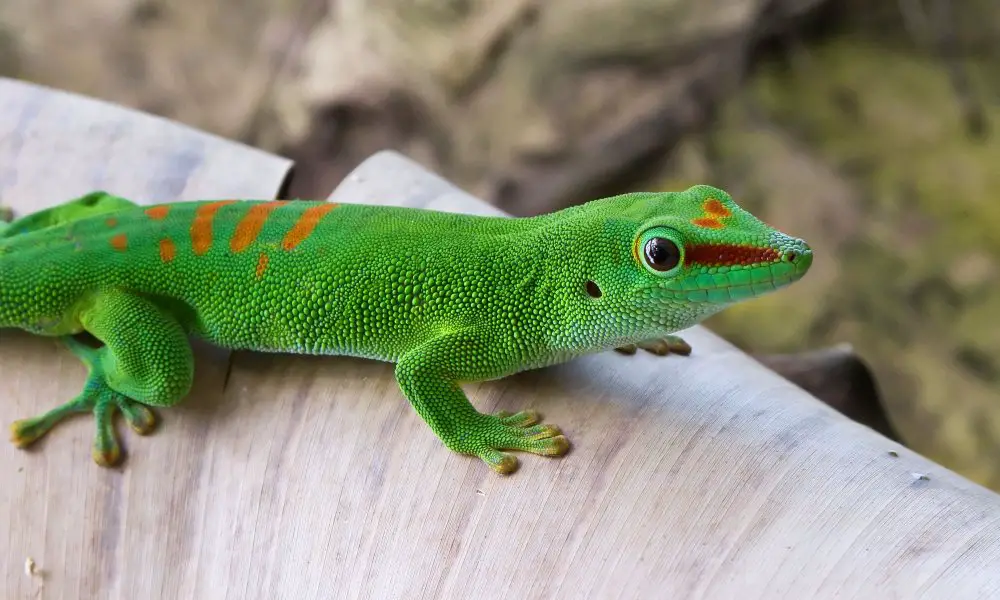
Meet the Gold Dust Day Gecko, or Phelsuma laticauda, a vibrant little reptile that has become a beloved symbol of Hawaii’s natural beauty. These tiny creatures, with their bright green bodies and golden speckles, dart across trees and gardens, adding a splash of color to the islands’ landscapes.
Native to Madagascar but now thriving in Hawaii, the Gold Dust Day Gecko isn’t just a pretty face. Their lively presence in sunny spots like Oahu and Maui makes them a favorite among nature lovers. With their active daytime habits and eye-catching patterns, these geckos are a must-see for anyone exploring Hawaii’s unique wildlife.
Table of Contents
- Key Takeaways
- Introduction to the Gold Dust Day Gecko
- The Natural Habitat of Gold Dust Day Gecko
- Physical Appearance of the Gold Dust Day Gecko
- Behavior and Lifestyle of the Gold Dust Day Gecko
- Importance of the Gold Dust Day Gecko in Ecosystems
- Conservation Status and Threats
- How to Care for Gold Dust Day Geckos in Captivity
- Fun Facts About the Gold Dust Day Gecko
- Final Thoughts on the Gold Dust Day Gecko
Key Takeaways
- The Gold Dust Day Gecko (Phelsuma laticauda) is a colorful, sun-loving reptile found across Hawaii.
- Its golden flecks and bright green skin make it easy to spot in tropical environments.
- These geckos play a role in Hawaii’s ecosystems, contributing to pollination and biodiversity.
- They are one of the few diurnal geckos, active during the day rather than night.
- Efforts to protect their habitats help preserve Hawaii’s delicate ecological balance.
Introduction to the Gold Dust Day Gecko
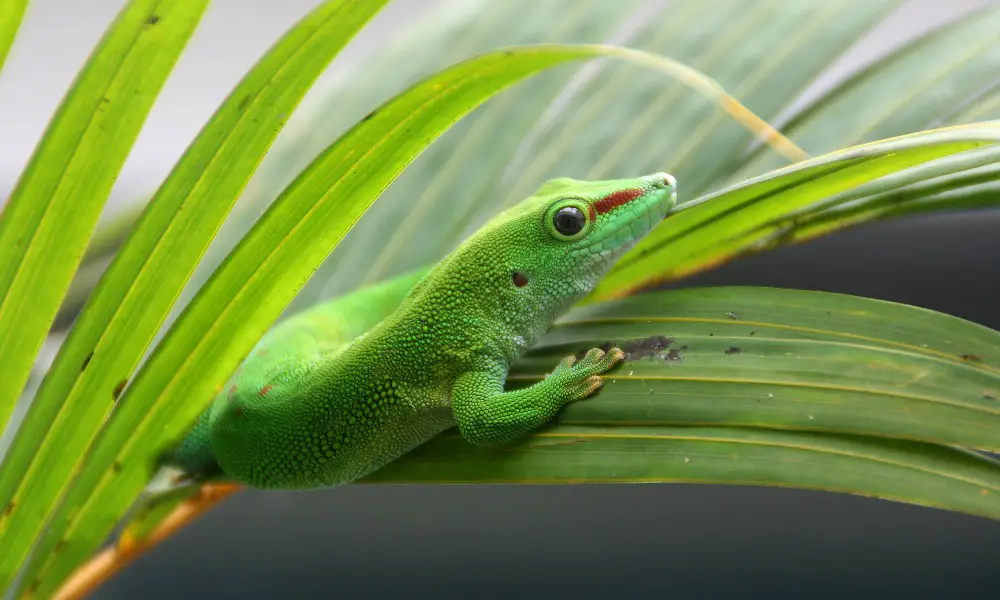
The Gold Dust Day Gecko, a small but striking reptile, has become a favorite among reptile enthusiasts and nature lovers. With its vibrant colors and active habits, this species has fueled the gold dust day gecko’s rise in popularity in recent years. Native to Hawaii, it combines beauty with ecological importance, making it a key focus for conservation and pet hobbyists alike.
Overview of Its Habitat
These geckos thrive in Hawaii’s tropical rainforests and coastal regions. Key habitat features include:
- Moist environments with high humidity
- Presence of native plants like ohia trees
- Shaded areas for basking and resting
Unique Characteristics
What sets the Gold Dust Day Gecko apart? Let’s compare it to other gecko species:
| Category | Gold Dust Day Gecko | Other Geckos |
|---|---|---|
| Size | 2-3 inches long | Varies widely (2-10 inches) |
| Coloration | Gold speckles on green body | Plain or mottled patterns |
| Behavior | Diurnal (active day/night) | Often nocturnal |
These traits, along with their role in pollination and pest control, explain their growing appeal as pets and their ecological value. Their adaptability and charm make them a standout species in Hawaii’s wildlife.
The Natural Habitat of Gold Dust Day Gecko
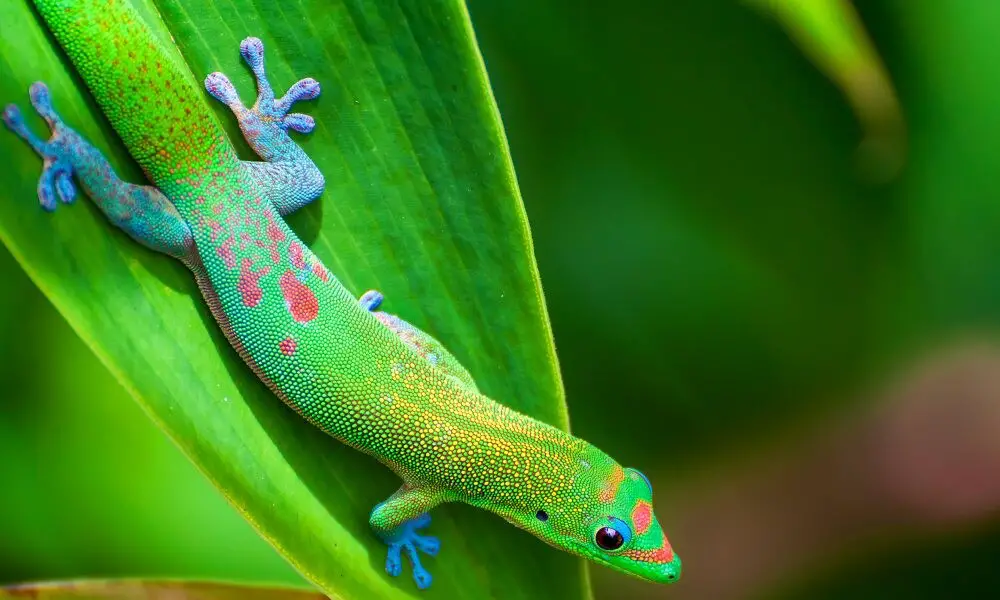
Though the Gold Dust Day Gecko (Phelsuma laticauda) isn’t native to Hawaii, its populations thrive across key islands. These small reptiles have adapted remarkably to diverse environments since their accidental introduction in the early 1900s. Their success stems from their ability to blend into both wild and urban spaces.
Geographic Distribution in Hawaii
Today, the Gold Dust Day Gecko is most commonly found on:
- Big Island
- Maui
- Oahu
- Kauai
“The Phelsuma laticauda’s adaptability to urban and natural settings makes them a fascinating study in ecological adaptation.” — Dr. Jane Wilson, Reptile Ecologist
Preferred Living Conditions
These geckos seek sunny spots with consistent warmth and moisture. Key habitat traits include:
| Factor | Optimal Range |
|---|---|
| Temperature | 75–85°F (24–29°C) |
| Humidity | 60–80% |
| Vegetation | Tropical plants, palms, and fruiting trees |
They often perch on tree trunks, walls, or windows to soak up sunlight. In urban areas, they thrive on buildings with lush gardens. Their diet of insects and nectar helps them survive in both settings. By balancing sun exposure and shelter, these geckos dominate Hawaii’s microclimates without disrupting local ecosystems.
Physical Appearance of the Gold Dust Day Gecko
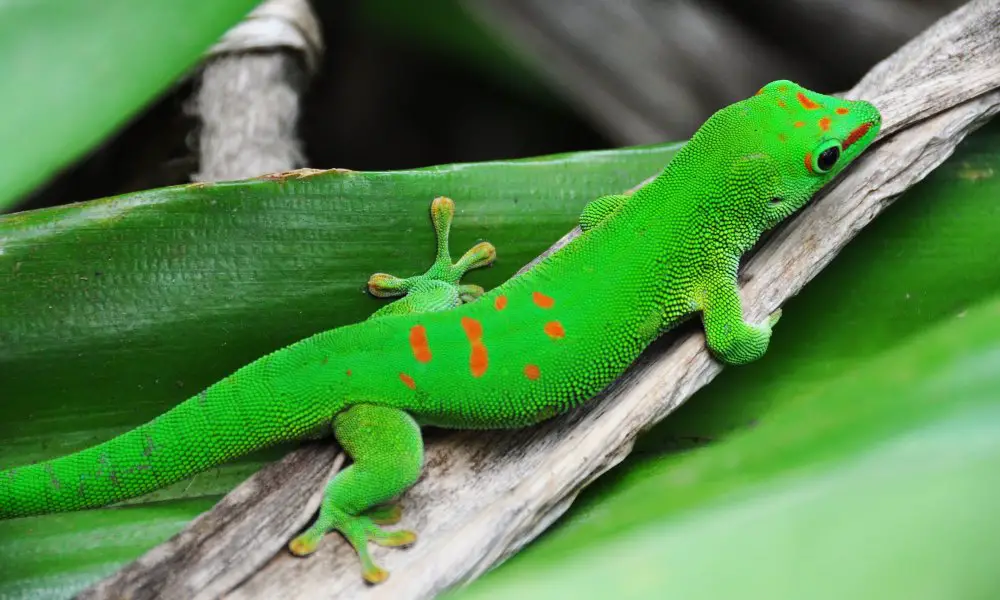
The Gold Dust Day Gecko (Phelsuma laticauda) stands out in the reptile world with its eye-catching design. Let’s break down what makes this creature so visually striking.
Size and Coloration
- Size: Adults measure 4–5 inches, making them small but mighty in presence.
- Color: A bright emerald green base coats their bodies, like a living jewel. Gold speckles dot their skin, creating a shimmering effect in sunlight.
- Sex differences: Males often show bold red patches on their heads and backs, while females have paler markings.
Distinctive Patterns and Features
Look closer to spot these details:
- Toe pads: Soft, sticky toe pads let them cling to trees and walls effortlessly.
- Eyes: Large, lidless eyes with vertical pupils give them a sharp, curious gaze.
- Tail: Slim and tapered, it helps balance during leaps between branches.
These features don’t just look cool—they help them thrive in Hawaii’s tropical forests. The gold speckles even act like a natural sunscreen, protecting their skin from UV rays. A true masterpiece of evolution!
Behavior and Lifestyle of the Gold Dust Day Gecko
Gold Dust Day Geckos are lively creatures with routines shaped by their active daytime lifestyle. Their daily habits revolve around hunting, sunbathing, and maintaining their territories. Observing these behaviors helps caretakers and nature enthusiasts understand their needs better.
Feeding Habits
In the wild, these geckos thrive on a diet of insects, fruit, and nectar. For those learning how to feed a Gold Dust Gecko in captivity, replicating this diet is key. Offer live insects like crickets and fruit-based reptile food. Supplement with calcium powder to support their health. A varied diet ensures they stay energetic and healthy.
- Wild diet: Flies, moths, and tropical fruits.
- Captive diet: Commercial gecko jelly, mashed fruit, and gut-loaded insects.
Social Interaction
These geckos are territorial and use chirps and body language to communicate. Males often establish dominance by head-bobbing or chasing rivals. Females lay eggs in pairs, and both parents guard nests in the wild. Their vocalizations, from soft chirps to defensive squeaks, signal mood changes. Understanding their social cues helps caretakers avoid overcrowding. Keep only one male per enclosure to prevent fights. Proper setup and feeding ensure they exhibit natural behaviors, whether in the Hawaiian rainforests or a terrarium.
Importance of the Gold Dust Day Gecko in Ecosystems
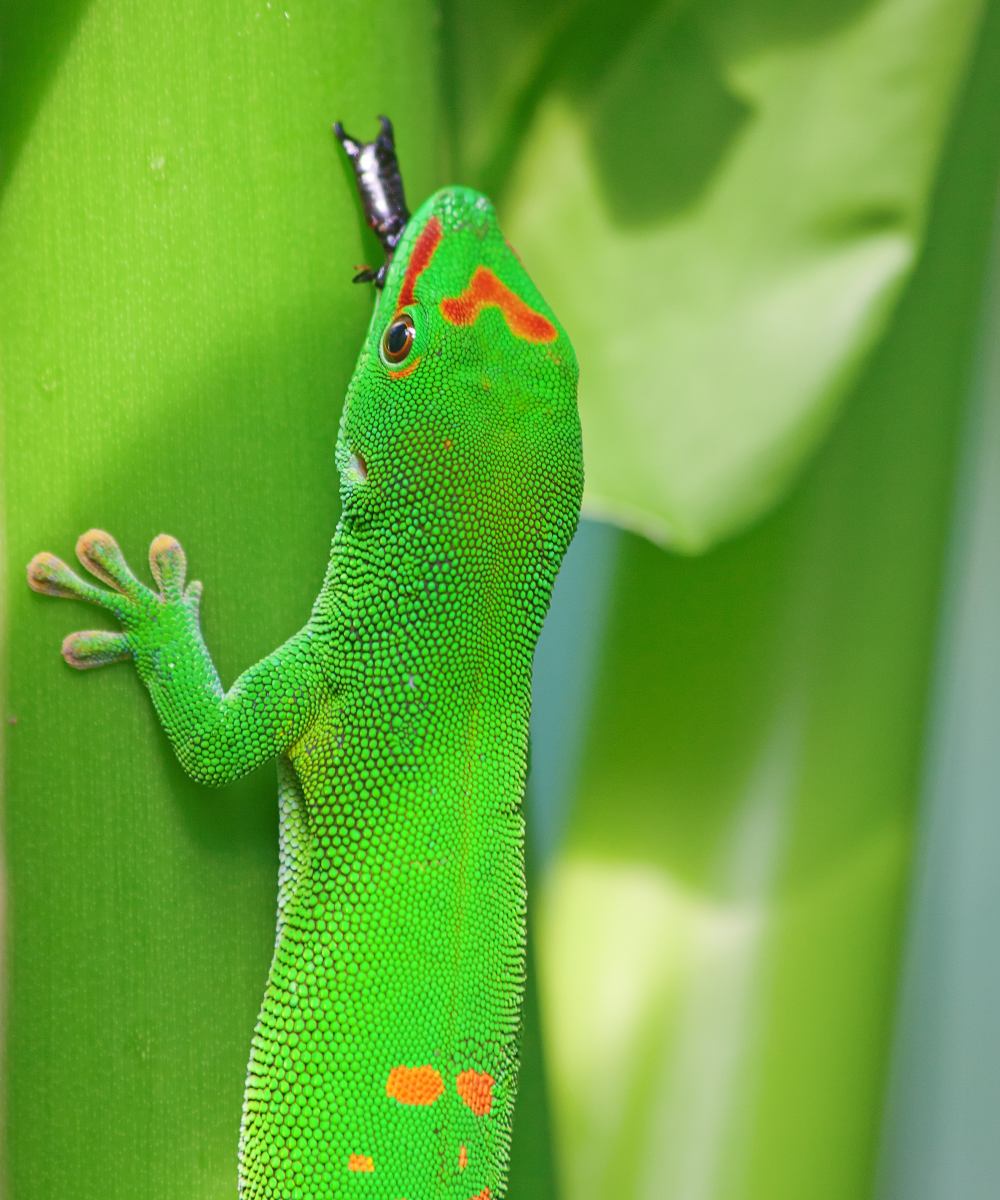
Though the Gold Dust Day Gecko (Phelsuma laticauda) was introduced to Hawaii, its presence contributes to delicate ecological balances. These small reptiles play unexpected roles in island environments, supporting plant reproduction and insect population control.
Role in Pollination
While sipping nectar from flowers, these geckos brush against pollen, transferring it between blooms. This behavior aids plants like hibiscus and orchids, helping them reproduce. Their visits to blossoms make them accidental pollinators, benefiting native and non-native flora alike.
Contribution to Biodiversity
Gold Dust Day Geckos support biodiversity in two key ways:
- They control pest insects, reducing overpopulation of flies and moths.
- They serve as prey for birds and larger lizards, sustaining food webs.
As part of Hawaii’s ecosystems, they fill niches that stabilize local wildlife interactions. Their survival also reflects healthy habitats with sufficient insects and vegetation.
Conservation Status and Threats
Though not globally endangered, the Gold Dust Day Gecko faces unique challenges in Hawaii. Urban growth, invasive predators, and the gold dust day gecko’s rise in popularity as pets create pressure on wild populations. Balancing human activity with conservation is key to their survival.
Habitat Loss Issues
Urban expansion and land development shrink the gecko’s habitat. Deforestation and agriculture replace native plants they rely on for food and shelter. Without protected green spaces, their populations could decline further.
Invasive Species Impact
Predators introduced to Hawaii threaten these tiny reptiles. Species like feral cats, rats, and even larger lizards disrupt their survival:
- Cats and rats hunt eggs and young geckos
- Competitors like the Giant Day Gecko outcompete them for resources
Their growing appeal as pets also risks overcollection. Ethical breeders and strict regulations are vital to prevent wild populations from declining. Protecting their homes and controlling invasives ensures these colorful reptiles thrive in Hawaii’s ecosystems.
How to Care for Gold Dust Day Geckos in Captivity
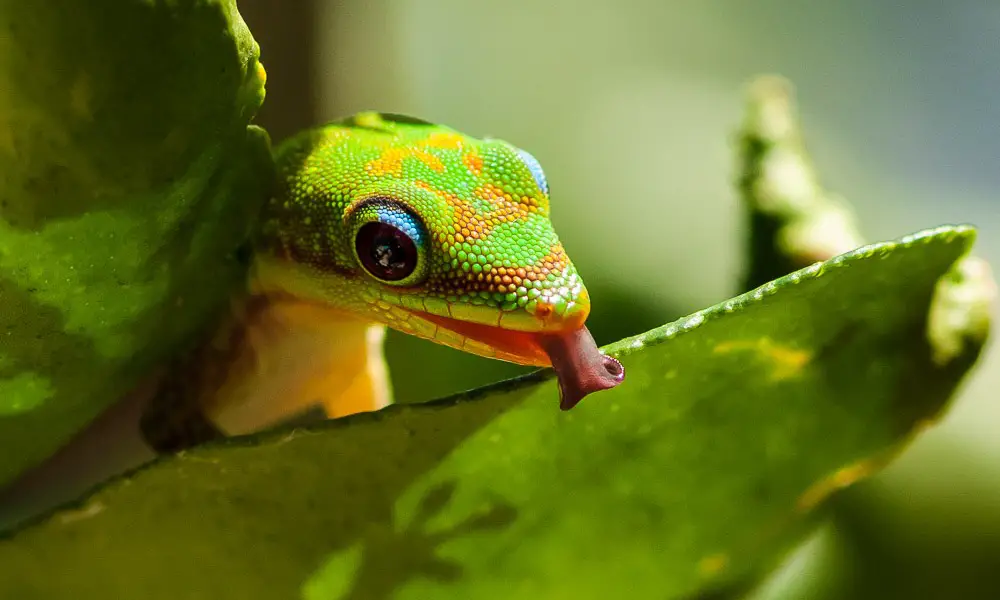
Bringing a Gold Dust Day Gecko into your home requires attention to their natural needs. Proper Housing a Gold Dust Gecko starts with replicating their tropical environment. These small reptiles thrive in vertical terrariums, ideally 18x18x24 inches for a pair. A well-planned setup ensures they stay active and healthy.
Ideal Tank Setup
Create a vibrant habitat with these essentials:
- Vertical Space: Use tall terrariums with branches and vines for climbing.
- Substrate: Choose coconut husk or orchid bark to retain humidity without mold.
- Lighting: Full-spectrum UVB bulbs mimic sunlight, while basking spots reach 85-90°F.
- Humidity: Keep levels between 60-80% with daily misting and a water dish.
- Plants: Include live plants like pothos or bromeliads for cover and moisture.
Choosing the Right Hide
The right hide for a Gold Dust Gecko must be elevated. These arboreal lizards prefer secure spots in foliage rather than ground hides. Use small cork tubes or leafy plants as shelters. Position hides near basking areas to balance warmth and security. Avoid cluttered setups—they need space to move freely.
Diet Recommendations
Feed adults twice weekly with calcium-dusted insects like pinhead crickets and fruit flies. Supplement with mashed fruits (e.g., mango, papaya) and nectar mixes. Offer a varied diet to prevent deficiencies. Always provide fresh water in a shallow dish. Regular vet checkups and clean habitats are key. With patience and the right setup, these vibrant geckos make rewarding companions. Prioritize their well-being by mimicking their wild habits closely.
Fun Facts About the Gold Dust Day Gecko
Behind their vibrant colors lies a world of surprises! The Gold Dust Day Gecko isn’t just a charming backyard visitor—it’s steeped in culture and quirky quirks.
Cultural Significance in Hawaiian Folklore
“The moʻo, a legendary guardian spirit, sometimes takes the form of a lizard.”
In Hawaiian stories, lizards like the Gold Dust Day Gecko symbolize resilience and connection to nature. Though modern tales often focus on their beauty, their folklore roots add a mystical layer to these tiny reptiles.
Unique Vocalizations
Unlike most lizards, these geckos communicate with high-pitched chirps and occasional barks. These sounds aren’t just for show—they help defend territories and attract mates. Fun facts to impress friends:
- They can live up to 12 years in captivity, outlasting many pets.
- They shed their skin in one piece and sometimes eat it for nutrients!
- Special toe pads let them walk upside-down on leaves and glass.
Curious about are Gold Dust Gecko expensive? Prices vary: captive-bred juveniles start at $30–$100, depending on age and breeder reputation. Their cost reflects their rarity and care requirements.
Final Thoughts on the Gold Dust Day Gecko
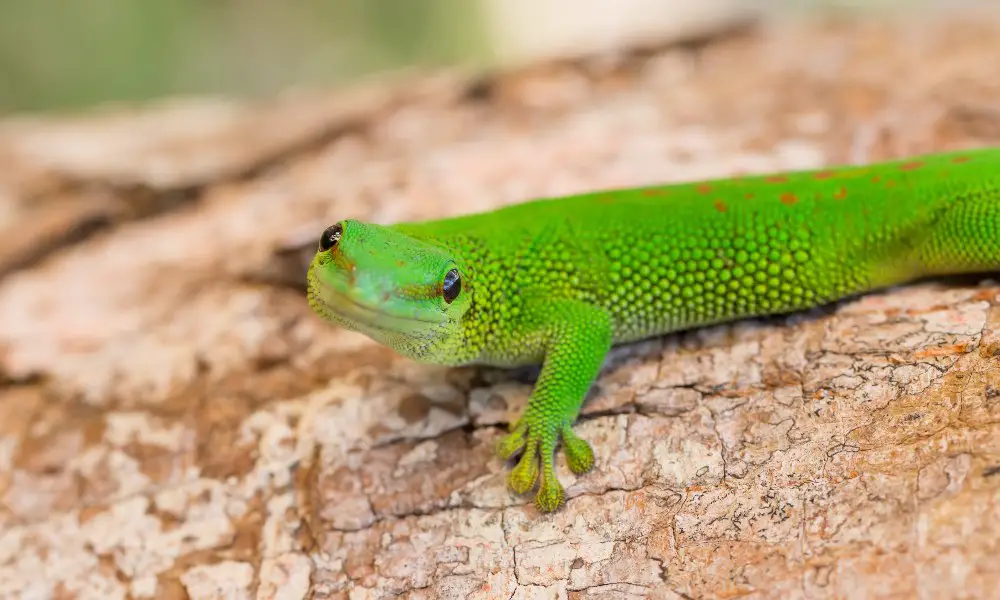
Gold Dust Day Geckos bring vibrant life to Hawaii’s landscapes and captivate those lucky enough to spot them. As we wrap up this exploration, let’s address two key questions shaping their appeal and care.
Are Gold Dust Geckos Good Pets?
These geckos shine as pets for those who admire their beauty without needing hands-on interaction. Their delicate nature means they’re best enjoyed as “window观赏 companions,” thriving in well-maintained enclosures rather than being handled. Their bright colors and active behavior make them rewarding for dedicated hobbyists, though their care requires attention to humidity and diet. Ideal for observers, not touchers, their presence adds tropical charm to indoor spaces.
Are Gold Dust Geckos Expensive?
Initial costs for proper tanks, UV lighting, and live plants can add up, but long-term expenses stay manageable with routine feeding and habitat upkeep. Budget-conscious caretakers can find cost-effective setups using research and quality supplies. While not cheap, their care aligns with other exotic pet investments when planned thoughtfully. Whether admired in the wild or cared for at home, these geckos remind us of nature’s delicate balance. Supporting Hawaiian conservation groups helps protect their habitats, ensuring these tiny jewels keep Hawaii’s ecosystems thriving. Their story invites us to appreciate small wonders—and act to preserve them for future generations.