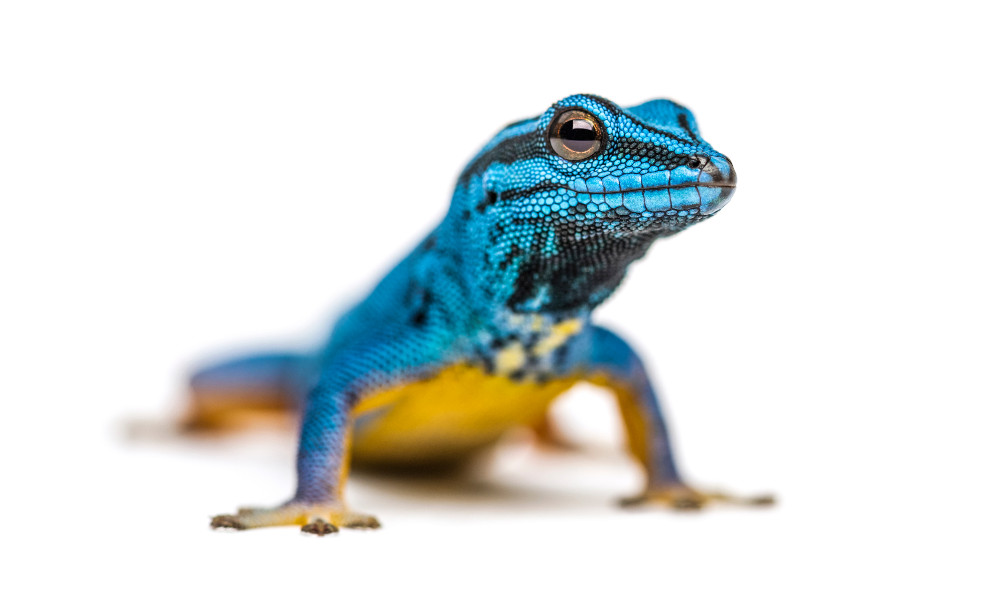
A flash of sapphire and electric blue cuts through the shadows—this is the Electric Blue Gecko. Native to Southeast Asia, this tiny reptile dazzles with skin shimmering like neon lights. Its vibrant gecko colors aren’t just pretty; they’re survival tools, blending art and science in the wild.
As one of the most eye-catching electric blue reptiles, this gecko’s vivid hues stand out even among exotic pets. Wild populations thrive in specific rainforest niches, where their neon-like patterns help them hide and hunt. For reptile enthusiasts, owning one feels like welcoming a living jewel into their home.
Table of Contents
- Key Takeaways
- Introduction to the Electric Blue Gecko
- Physical Characteristics of the Electric Blue Gecko
- Habitat and Natural Environment
- Diet and Feeding Habits
- Behavior and Social Structure
- Reproduction and Lifespan
- Care and Husbandry for Pet Owners
- Common Health Issues
- Conservation Status
- Fascinating Myths and Facts
- Conclusion: Why Choose the Electric Blue Gecko as a Pet
- Further Resources and Reading
Key Takeaways
- Electric Blue Geckos are prized for their striking neon-like coloration.
- They originate from specific habitats in Southeast Asian forests.
- Their vibrant colors aid both camouflage and communication.
- These geckos remain a sought-after species among reptile hobbyists.
- Proper care requires understanding their unique environmental needs.
Introduction to the Electric Blue Gecko
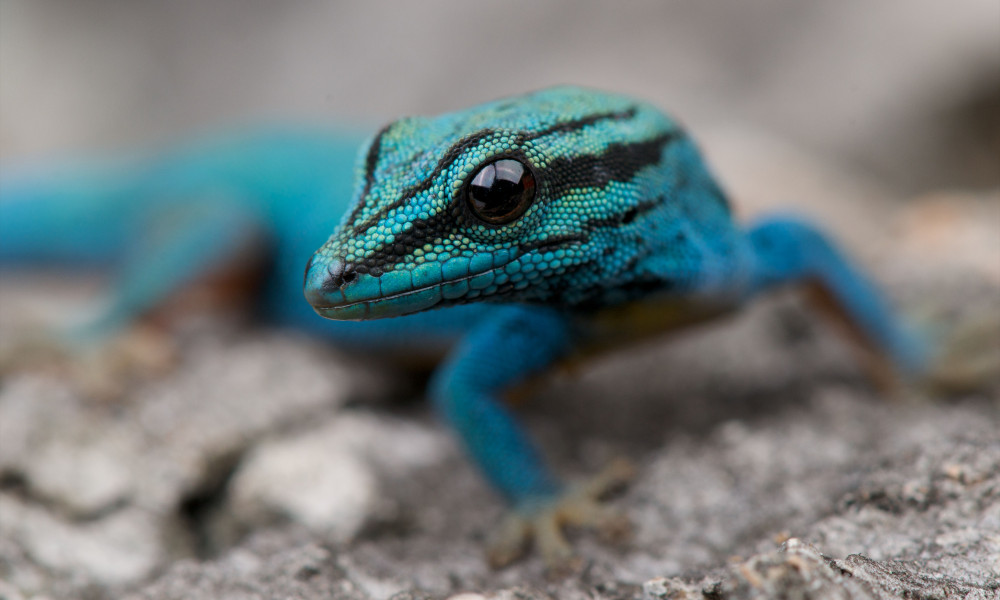
The Electric Blue Gecko stands out among reptiles with its striking appearance and intriguing traits. This vibrant gecko species captivates enthusiasts worldwide, blending beauty with fascinating biology. Found in specific ecosystems, it represents a marvel of nature’s diversity.
What Makes This Lizard Unique?
Several traits set the Electric Blue Gecko apart. First, its neon-blue scales—unlike most blue gecko lizard relatives—shine vividly, aiding camouflage and communication. Second, it’s one of the few gecko species active at dusk, a behavior called crepuscular. Lastly, its scientific classification places it in the Gekkonidae family, closely related to day geckos yet distinct in color and habitat needs.
Overview of Habitat and Distribution
Wild populations thrive in specific environments. They prefer tropical forests and rocky outcrops in regions like Madagascar, where humidity and temperature suit their needs. Here’s where they’re commonly found:
- Primary Habitat: Dense rainforests with high moisture levels
- Geographic Range: Native to specific regions in eastern Madagascar
- Adaptations: Toepads for climbing and skin patterns that blend with leafy surroundings
These gecko species remain rare outside their natural range, making conservation efforts vital. Their habitat choices explain why they’re rarely spotted beyond their native zones.
Physical Characteristics of the Electric Blue Gecko
The Electric Blue Gecko stands out with its dazzling appearance, a blend of nature’s artistry and survival design. Let’s explore what makes this vibrant gecko colors so unforgettable.
Stunning Coloration and Patterns
The Electric Blue Gecko gets its name from its striking cobalt-blue hues, often accented with speckles or stripes. These colors aren’t just for show—they serve as survival tools. The blue tones come from specialized skin cells that reflect light, creating a neon-like glow. Males often display brighter shades during mating seasons, while stress or calmness can temporarily shift their intensity. In the wild, their patterns help them blend into rocky terrain, confusing predators.
Size and Body Structure
Adult blue gecko lizard species typically measure 4 to 6 inches from snout to tail, with males slightly larger than females. Their lightweight bodies—averaging 15 to 30 grams—allow agile movements. Key features include:
- Tail: slender and prehensile for gripping surfaces
- Limbs: robust with adhesive toe pads for climbing
- Head: narrow with large eyes adapted for low-light vision
Sexual dimorphism is subtle: males have thicker necks and more pronounced coloring. Their streamlined form makes them masters of their rocky habitats, whether hunting insects or evading threats.
Habitat and Natural Environment
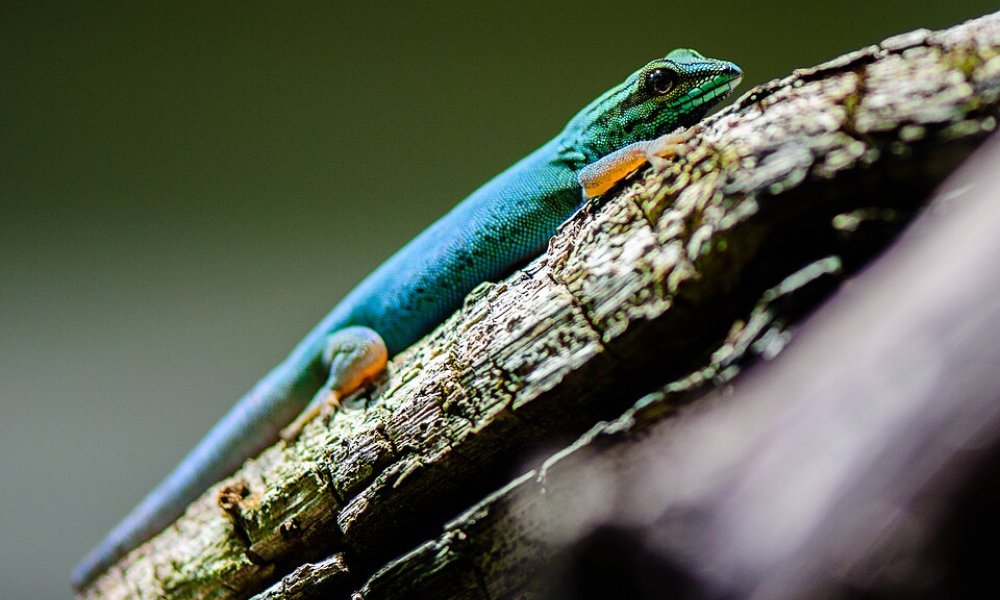
The Electric Blue Gecko’s wild habitat shapes its survival and behavior. Learning about these conditions helps owners provide the best care. This section explores the climate they rely on and where they live naturally.
Preferred Climate and Conditions
Electric Blue Geckos thrive in warm, humid environments. They need daytime temperatures between 75–85°F and nighttime dips to 70–75°F. Humidity levels of 60–70% mimic their tropical home. Seasonal rain patterns trigger breeding cycles, making water access vital. These gecko species rely on leafy forests and rocky crevices for shelter and hunting.
Geographic Distribution in the Wild
These geckos are native to Madagascar and nearby islands like Mohéli. Their range is limited to specific regions due to climate needs. Wild populations are densest in northern Madagascar, but habitat loss threatens their spread. Pet owners seeking exotic reptiles for sale should note their narrow natural range—this affects their care requirements and conservation status.
- Key climate factors: Temperature, humidity, rainfall
- Wild regions: Madagascar, Mohéli, Comoros
- Conservation note: Habitat protection is critical for survival
Diet and Feeding Habits
Understanding the Electric Blue Gecko’s diet is key to their health as unique lizard pets. Wild and captive diets differ, but both require careful planning to ensure proper nutrition.
Natural Prey and Foraging Behavior
In the wild, these geckos hunt insects like crickets, beetles, and spiders. They use ambush tactics, waiting motionless before striking. Their keen night vision aids in catching prey after dusk. Wild diets also include small arachnids and occasional plant matter.
Nutritional Needs in Captivity
As outlined in any gecko care guide, captive feeding must mirror their natural diet. Follow this three-step plan:
- Feeder insects: Offer gut-loaded crickets, dubia roaches, and hornworms. Dust with calcium powder 3–4 times weekly.
- Supplements: Use a calcium without D3 daily and a multivitamin once monthly.
- Frequency: Juveniles eat daily, adults every other day. Avoid overfeeding to prevent obesity.
| Supplement | Purpose | Frequency |
|---|---|---|
| Calcium (no D3) | Prevents metabolic bone disease | Every feeding |
| Vitamin D3 | Aids calcium absorption | Weekly, with UVB lighting |
| Multivitamins | Support overall health | Bi-weekly |
Monitor appetite changes closely. A gecko care guide should also note the avoidance of fireflies and wild-caught insects. By replicating their natural diet, owners can ensure their Electric Blue Gecko thrives in captivity.
Behavior and Social Structure
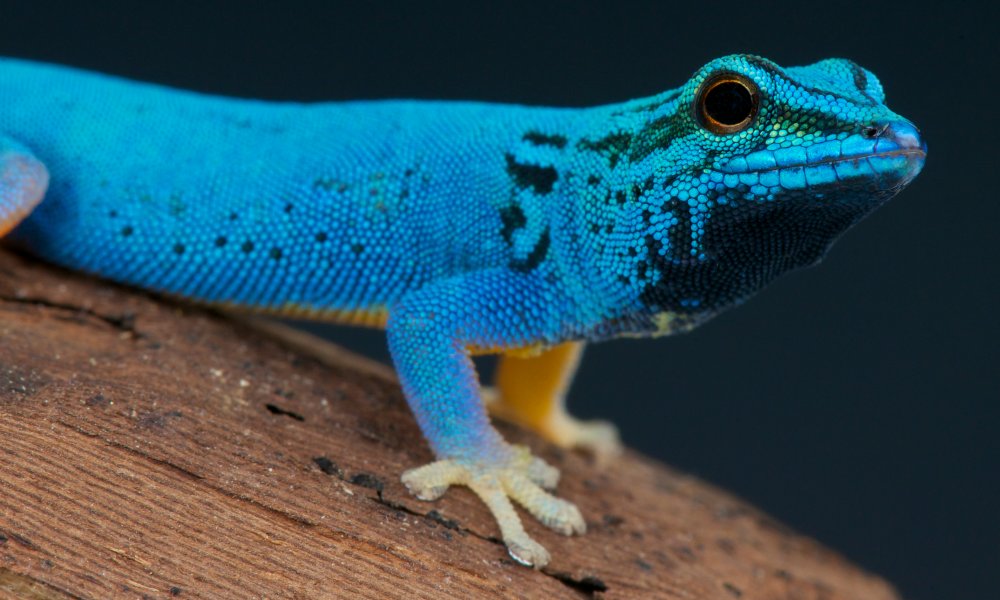
Electric Blue Geckos thrive on routine and natural instincts, making their behavior a key factor for owners. These unique lizard pets display distinct social and territorial traits shaped by their wild origins as part of the gecko species. Observing their habits helps create environments that mirror their natural habitats.
Territoriality and Social Interaction
These geckos are fiercely territorial. They establish dominance through scent marking, tail flicks, and head bobbing. In the wild, males often clash over territory, using vocal chirps to warn rivals. Housing multiple Electric Blue Geckos together is risky—they may fight, so keeping them alone is safer. Even in captivity, they retain these instincts, needing solitary enclosures with hiding spots to reduce stress.
Nocturnal vs. Diurnal Activity
Electric Blue Geckos are nocturnal, becoming active at dusk. Their behavior shifts dramatically between day and night:
- Daytime: Rest in shaded areas, avoiding direct light.
- Night: Hunt insects, climb, and explore enclosures actively.
Owners should adjust UVB lighting and feeding schedules to match these cycles. Mimicking their natural rhythm ensures their well-being as unique lizard pets.
Reproduction and Lifespan
The Electric Blue Gecko’s reproductive cycle and longevity depend on environmental conditions and care practices. For enthusiasts of exotic reptiles for sale, understanding these traits helps ensure healthy populations and long-term pet ownership.
Breeding Habits and Gestation
Mating occurs during warmer months. Males attract females with head-bob displays and tail flicks. After mating, females lay 1-4 eggs in moist soil. Eggs hatch in 60–75 days at 82–86°F. Juveniles reach breeding maturity at 12–18 months.
Expected Lifespan in Captivity vs. Wild
In natural habitats, predation and disease limit lifespans to 5–8 years. Captive geckos often live 12–15 years with proper care. Key differences include:
| Factor | Wild | Captivity |
|---|---|---|
| Lifespan | 5–8 years | 12–15 years |
| Key Risks | Predators, parasites | Stress, improper diet |
Breeders of electric blue reptile note that consistent humidity and calcium-rich diets boost captive longevity. Annual vet checkups help address health issues early.
Care and Husbandry for Pet Owners
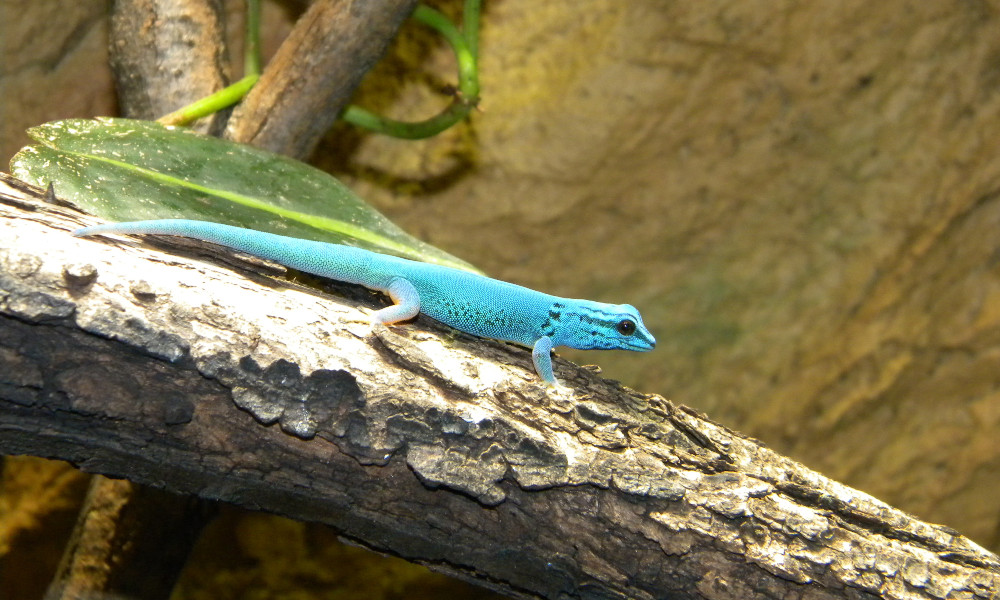
Bringing home an Electric Blue Gecko is a rewarding choice for reptile enthusiasts, but proper care ensures their vibrant colors shine. This gecko care guide breaks down essential steps for thriving unique lizard pets.
Setting Up the Ideal Habitat
Create a secure environment with a 20-gallon terrarium for adults. Use coconut fiber or orchid bark substrates to retain moisture. Maintain daytime heat at 75–85°F and nighttime drops to 70–75°F. A UVB 5.0 bulb, like Zoo Med’s ReptiSun, supports their health. Add climbing branches and live plants like pothos for natural enrichment. DIY hides from cork bark or store-bought caves offer security. Humidity levels between 60–70% keep their skin healthy—mist daily using a spray bottle.
Feeding Tips for Captive Electric Blue Geckos
These lizards thrive on a diet of gut-loaded insects. Offer crickets, dubia roaches, or hornworms dusted with calcium supplements. Juveniles eat daily, while adults need meals every other day. Gut-load insects with collard greens or sweet potatoes before feeding. Troubleshoot appetite loss by adjusting humidity or checking UVB exposure. Avoid overfeeding—monitor body condition weekly. A balanced diet prevents metabolic bone disease and ensures their electric hues stay bright.
Common Health Issues
Maintaining the health of your Electric Blue Gecko requires vigilance. These exotic reptiles for sale thrive with proper care, but certain health risks demand attention. Early detection can prevent serious issues, so understanding symptoms and prevention is key to your gecko care guide.
Signs of Illness to Watch For
Watch for these red flags in your pet:
- Metabolic Bone Disease: Soft jaws, swollen limbs, or lethargy. Caused by poor calcium intake or UVB lighting.
- Respiratory Infections: Wheezing, open-mouth breathing, or mucus around nostrils.
- Parasites: Weight loss, runny stool, or visible mites on skin.
- Shedding Problems: Retained skin on eyes or tail, often due to low humidity.
- Impaction: Lack of bowel movements, bloated belly, from swallowing substrate.
- Stress: Hiding excessively, refusal to eat, or glass surfing (repeated pacing).
Preventative Care and Veterinary Advice
Create a gecko care guide tailored to your pet’s needs. Start with a balanced diet rich in calcium and vitamins. Maintain proper humidity (60-70%) and clean enclosures weekly. When purchasing exotic reptiles for sale, quarantine new geckos for 30 days to avoid disease spread.
“Regular vet check-ups are vital. Schedule exams every six months, especially for juveniles,” advises Dr. Emily Torres, a reptile specialist at Reptile Health Centers.
Seek emergency care for sudden paralysis, refusal to eat for days, or labored breathing. Choose a reptile-experienced vet to ensure your Electric Blue Gecko stays healthy for its 10+ year lifespan.
Conservation Status
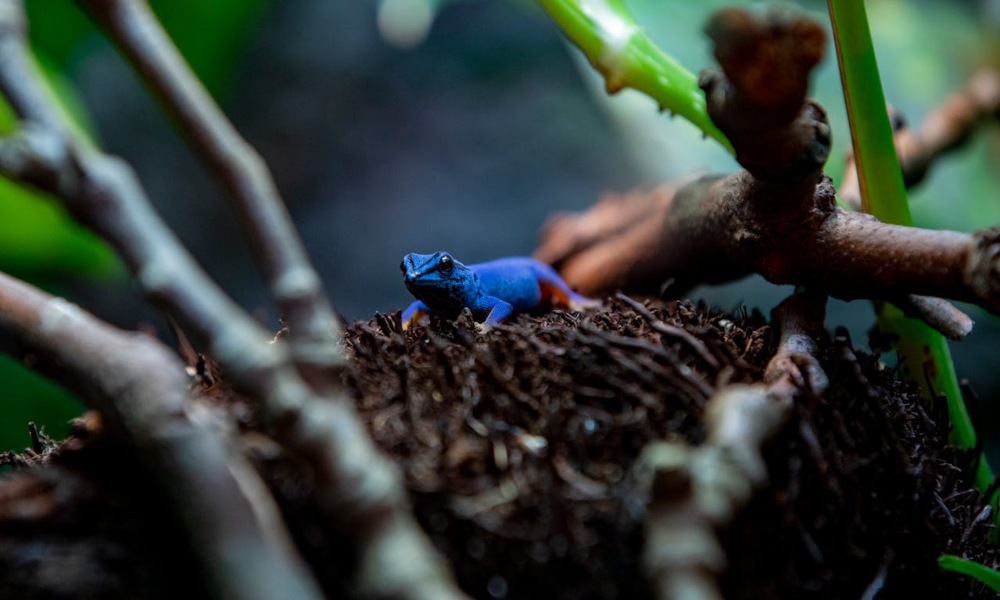
The Electric Blue Gecko faces urgent conservation challenges in its natural habitat. Protecting this striking gecko species requires addressing human-driven threats while supporting global conservation programs.
Threats Facing Electric Blue Geckos
Key dangers include:
- Habitat loss: Deforestation shrinks wild populations by over 70% in key regions.
- Climate shifts: Rising temperatures disrupt breeding cycles.
- Pet trade pressures: Demand for exotic reptiles for sale fuels illegal collection.
- Invasive predators: Cats and rats introduced by humans prey on eggs and juveniles.
Conservation Efforts and Initiatives
Efforts to save this gecko include:
- Protected reserves in Madagascar and Southeast Asia.
- Zoo breeding programs like the Association of Zoos and Aquariums (AZA) programs.
- CITES regulations banning unauthorized export of gecko species.
- Educational campaigns urging buyers to choose legally sourced pets.
Wild populations have stabilized in areas with strict CITES enforcement. Ethical breeders now supply most captive Electric Blue Geckos, reducing wild harvesting. Supporting these programs ensures future generations can enjoy these neon-colored reptiles responsibly.
Fascinating Myths and Facts
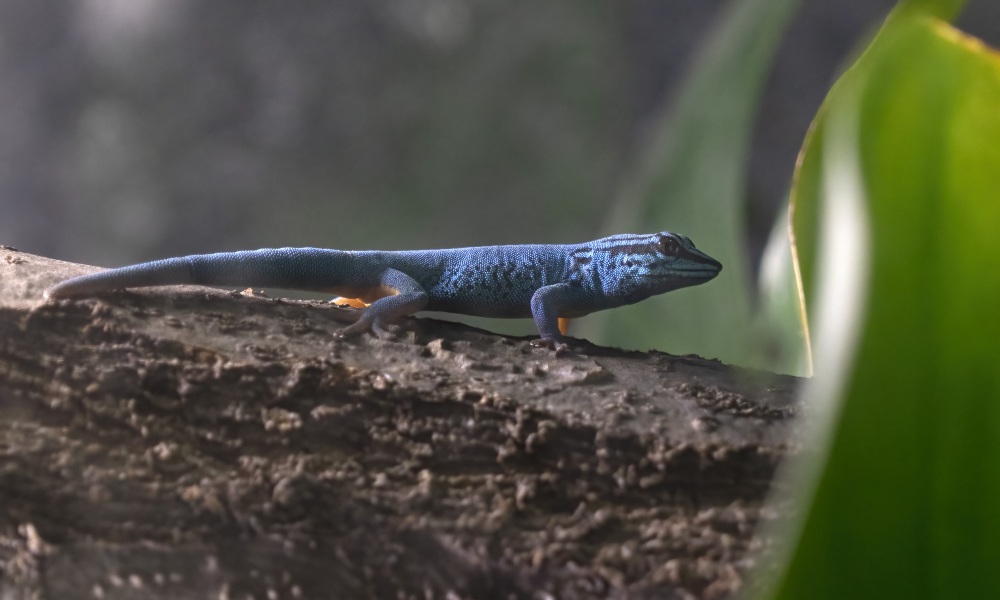
Behind their striking appearance lies a world of stories and quirks. Let’s explore how the Electric Blue Gecko captivates beyond biology.
Cultural Symbolism Across the World
From folklore to art, this electric blue reptile holds unique meanings:
- In Madagascar, where they’re native, legends say they guard sacred forests.
- Traditional Southeast Asian art often mimics their vibrant gecko colors in textiles and pottery.
Fun and Surprising Traits
Here’s what makes them stand out in nature:
- They “sing” with chirps and clicks to mark territory.
- Can climb glass using microscopic hairs on their toes.
- Like chameleons, their colors shift slightly with mood or temperature.
| Feature | Explanation |
|---|---|
| Vibrant gecko colors | Produced by iridophore cells reflecting light, not pigments. |
| Nocturnal Superpower | Large eyes see well in low light, aiding nighttime hunts. |
Whether in stories or science, the Electric Blue Gecko surprises with its blend of beauty and biology.
Conclusion: Why Choose the Electric Blue Gecko as a Pet
Considering theElectric Blue Gecko’s striking colors and fascinating behaviors, this reptile stands out as one of the most sought-afterunique lizard pets. But like any animal, it requires thoughtful consideration before adoption. Here’s what to weigh:
Pros and Cons of Ownership
- Pros: Vibrant blue hues, compact size, and a 15–20 year lifespan make them a long-term companion. Their active night-time habits add intrigue.
- Cons: Specific temperature and humidity needs demand precise habitat setups. Live insect diets require consistent feeding schedules. Health issues like metabolic bone disease can arise if care guidelines are ignored.
Final Thoughts on This Vibrant Lizard
TheElectric Blue Geckorewards dedicated owners with a living masterpiece. Success hinges on following a reliablegecko care guideto address humidity levels, UVB lighting, and calcium intake. While they’re not low-maintenance pets, their dazzling presence brings joy to reptile enthusiasts willing to invest time and effort.
Remember: These lizards thrive when cared for thoughtfully. If you’re ready to commit to their specialized needs, their neon-blue beauty will become a cherished addition to your home.
Further Resources and Reading
Deepen your understanding of Electric Blue Geckos with expert-approved materials. Explore these resources to stay informed on care, conservation, and community insights.
Recommended Books and Articles
Beginners and experts alike benefit from guides like “The General Care and Maintenance of Blue-Tailed and Related Geckos” by Philippe de Vosjoli, which covers housing and health basics. For scientific insights, Herpetological Review journals detail wild behavior studies. Online, Reptiles Magazine offers monthly gecko care guides and breeding updates.
Online Communities and Forums
Join forums like ReptiFiles for keeper discussions. Facebook groups like “Electric Blue Gecko Enthusiasts” share husbandry tips. Ethical breeders listed on Reptiles Magazine’s directory ensure ethical exotic reptiles for sale. Follow IUCN Red List for conservation progress.
FAQ
What is an Electric Blue Gecko?
The Electric Blue Gecko is a stunning lizard known for its vibrant blue coloration. As an exotic reptile, it captivates enthusiasts with its unique appearance and fascinating behaviors. These geckos are part of the larger gecko species family and are often sought after as unique lizard pets.
How can I care for my Electric Blue Gecko?
Proper gecko care involves creating an optimal habitat that includes the right temperature, humidity, and dietary needs. It is essential to provide a spacious enclosure with climbing structures, suitable substrate, and hiding spots. Ensure you offer a balanced diet that includes a variety of feeder insects, along with necessary supplements like calcium and vitamins.
Are Electric Blue Geckos suitable for beginners?
While Electric Blue Geckos are unique and visually stimulating, they may not be the best choice for first-time reptile owners due to their specific habitat and dietary needs. However, with proper research and dedication, anyone can successfully keep them with a comprehensive gecko care guide.
What should I feed my Electric Blue Gecko in captivity?
In captivity, Electric Blue Geckos primarily eat insects, including crickets, roaches, and mealworms. It’s crucial to gut-load feeder insects (feeding them nutritious foods) and dust them with dietary supplements to meet the gecko’s nutritional requirements and prevent deficiencies.
How long do Electric Blue Geckos live as pets?
When properly cared for, Electric Blue Geckos can live up to 10 years or more in captivity. Factors like environment, diet, and healthcare greatly contribute to their lifespan, making it essential to follow a reliable gecko care guide.
Do Electric Blue Geckos require special lighting?
Yes, Electric Blue Geckos benefit from UVB lighting, which helps them synthesize vitamin D3 and absorb calcium. This is particularly important when keeping them in captivity to promote health and well-being.
Where can I buy Electric Blue Geckos from reputable sources?
It’s important to purchase Electric Blue Geckos from reputable breeders or stores specializing in exotic reptiles for sale. Ensuring ethical practices in breeding and care will help support the well-being of these unique lizard pets.
What are some common health issues for Electric Blue Geckos?
Common health issues that Electric Blue Geckos may face include metabolic bone disease, respiratory infections, and shedding problems. Regular health monitoring and proper habitat conditions can help prevent many of these issues.
How can I tell if my Electric Blue Gecko is sick?
Look for signs of illness such as lethargy, lack of appetite, abnormal shedding, or weight changes. If you notice any concerning symptoms, it’s best to consult a veterinarian with experience in treating reptiles.
Are there any conservation efforts in place for Electric Blue Geckos?
Yes, there are various conservation efforts aimed at protecting Electric Blue Geckos from habitat loss and illegal collection. Supporting ethical practices within the exotic reptiles for sale market can contribute to their conservation as well.