The Crested Gecko, a unique gecko, has made a remarkable recovery from being thought extinct. Crested geckos have gained popularity among pet owners and enthusiasts due to their distinctive physical features and gentle nature. This article will explore the fascinating world of Crested Geckos, covering their history, characteristics, and care requirements.
Whether you’re a seasoned reptile owner or new to the world of Crested Geckos, this article will provide valuable insights and information to help you appreciate and care for these incredible creatures. With their unique characteristics and gentle disposition, it’s no wonder that Crested geckos have become a favorite among reptile enthusiasts.
Table of Contents
- Introduction to Crested Geckos
- The Fascinating History of the Crested Gecko
- The Crested Gecko’s Unique Characteristics
- Crested Gecko Care: Essential Tips
- Breeding Crested Geckos: A Beginner’s Guide
- Popularity Surge in the Pet Trade
- Health Issues and Veterinary Care
- The Role of Conservation in Their Comeback
- Educational Resources for Future Owners
- Myths and Misconceptions About Crested Geckos
- The Crested Gecko Community
- Future of Crested Geckos in the Wild
- Celebrating the Crested Gecko’s Comeback
Introduction to Crested Geckos
Crested geckos are a unique gecko species that has captured the hearts of many. Their distinctive physical features, such as their crested heads and prehensile tails, make them a popular choice among pet owners. Crested geckos are also known for their gentle nature, making them a great choice for those new to reptile ownership.
Key Takeaways
- The Crested Gecko was once thought to be extinct but has made a remarkable comeback.
- Crested geckos are known for their distinctive physical features and gentle nature.
- They have become a popular choice among pet owners and reptile enthusiasts.
- Crested geckos are relatively easy to care for, making them a great choice for beginners.
- Their unique characteristics and gentle disposition have made them a favorite among reptile enthusiasts.
- Crested geckos are a unique gecko species that can make great pets for those willing to provide proper care.
The Fascinating History of the Crested Gecko
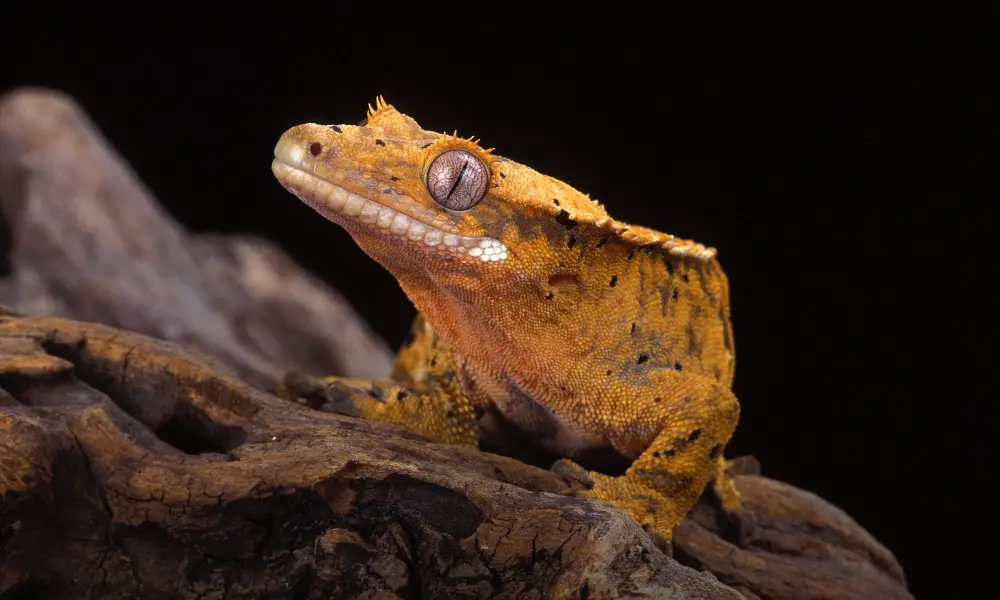
The Crested Gecko has a rich history, with its origins dating back to the early 19th century. Native to the island of New Caledonia, these geckos can be found in the wild, climbing trees and feeding on insects in their natural habitat. One of the most interesting fun facts about the Crested Gecko is its ability to thrive in the tropical forests and woodlands of the island, where they are found in the world in limited numbers.
Some key aspects of the Crested Gecko’s history include:
- Discovery: The Crested Gecko was first discovered in the early 19th century, and since then, it has been a subject of interest for many scientists and reptile enthusiasts.
- Habitat: The Crested Gecko inhabits the tropical forests and woodlands of New Caledonia, where it can be found climbing trees and feeding on insects.
- Decline: Unfortunately, the Crested Gecko population declined drastically due to habitat destruction, pollution, and the introduction of non-native species.
Despite the challenges faced by the Crested Gecko, conservation efforts and breeding programs have helped to recover the population, and today, they can be found in many parts of the world, including the United States. The story of the Crested Gecko is a testament to the importance of conservation and responsible pet ownership. Thankfully, these interesting creatures have survived to be enjoyed and studied by small pet enthusiasts and scientists alike!
The Crested Gecko’s Unique Characteristics
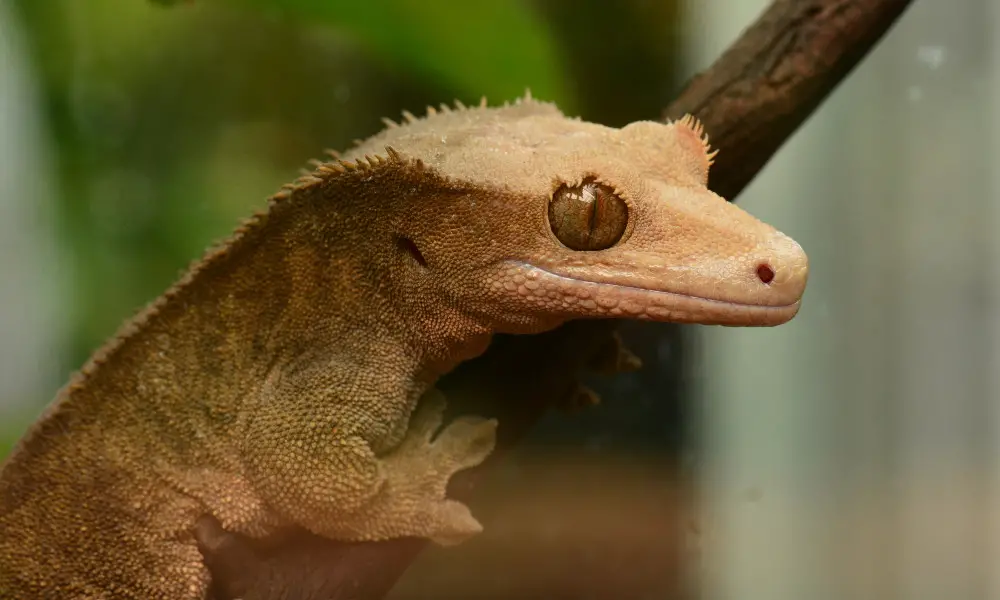
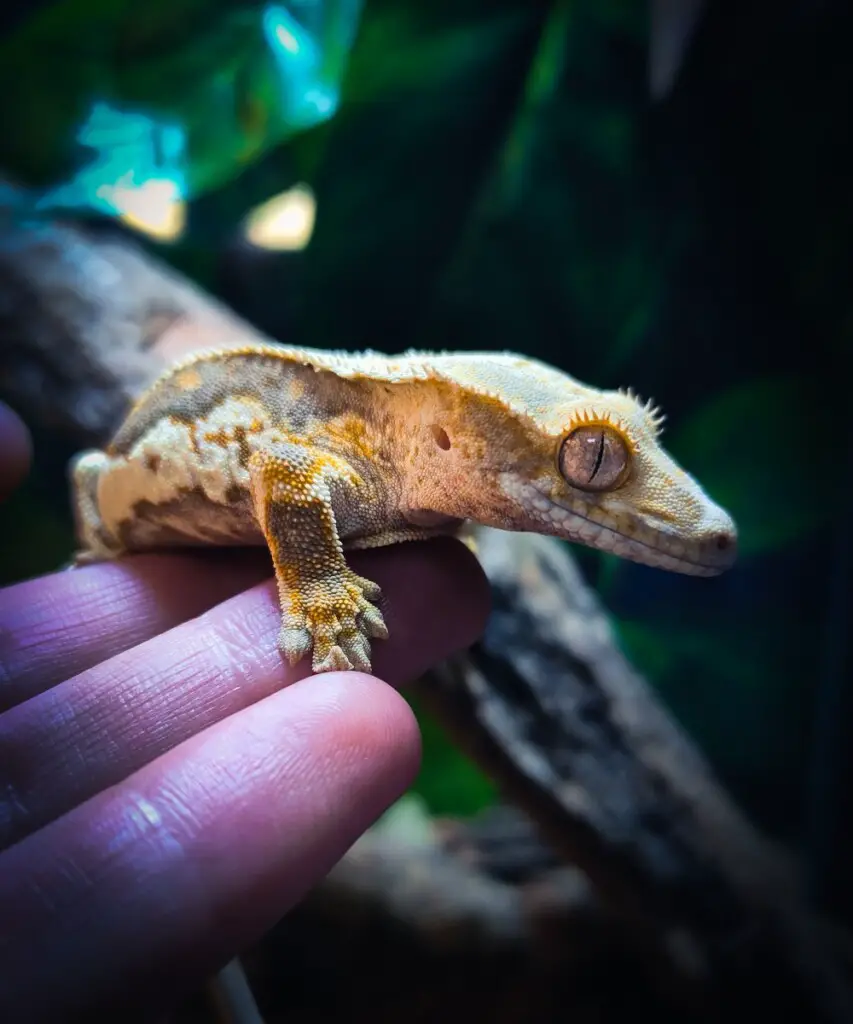
The Crested Gecko is a fascinating species with several distinctive features that set it apart from other geckos. One of their most striking traits is their “eyelashes”—small, spiky projections above their eyes that give them a distinct, expressive look.
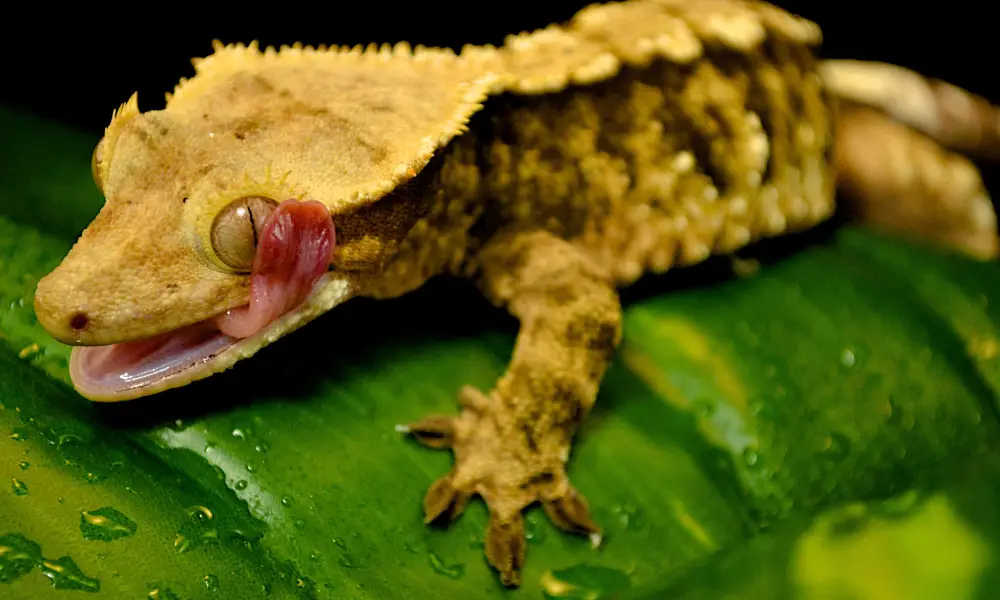
Unlike many other geckos, Crested Geckos lack eyelids and instead use their long tongues to clean and moisten their eyes. Their prehensile tails, which help them climb and balance, can be dropped as a defense mechanism, though they do not regenerate.
Crested Geckos are also known for their ability to change color depending on their mood and environment, a phenomenon called “firing up.” When active or excited, their colors become more vibrant, while they appear duller when at rest.
Because of the interesting and unique features of Crested Geckos, I would say that, whether you’re a beginner reptile keeper or an experienced hobbyist, they offer endless fascination and charm.
Key Characteristics of Crested Geckos
- Their small spiky “eyelashes”
- Their lack of eyelids and use of their tongues to clean and moisten their eyes
- Prehensile tail for balance and communication
- Unique toes with tiny hair-like structures for climbing
- Varied colors and patterns, including brown, gray, yellow, and orange
Crested Gecko Care: Essential Tips
So, you’ve heard enough, and you’re ready to get one of these guys as a pet! Here’s a brief breakdown of some things to keep in mind if you want to keep a pet Crested Gecko. Providing the right care for your Crested Gecko is crucial to ensure its health and happiness. If you are about to get one, read on for the basics.
A well-ventilated terrarium with a correct temperature range of 75-85°F (24-29°C) and a humidity level of 50-60% is essential for creating a comfortable environment. When it comes to diet, the best diet that includes a mix of live insects and commercial gecko food is recommended, as well as a source of fresh water.
To ensure your Crested Gecko receives the necessary nutrients, consider the following:
- Offer a variety of live insects, such as crickets and mealworms, to provide a balanced diet
- Supplement with commercial gecko food to fill any nutritional gaps
- Provide fresh water daily to keep your gecko hydrated
Handling and socialization are also important aspects of Crested Gecko care, as they help to build trust and strengthen the bond between the gecko and its owner. By following these essential tips and providing the best diet and correct terrarium temperature, you can help your Crested Gecko thrive and enjoy a happy, healthy life.
Breeding Crested Geckos: A Beginner’s Guide
When it comes to breeding Crested Geckos, it’s essential to have a thorough understanding of the process to ensure the health and well-being of the geckos. With their unique eyes and gentle nature, Crested Geckos make great pets, but breeding them requires careful planning and attention to detail. One of the most critical aspects of breeding Crested Geckos is providing the right care in handling to prevent stress and injury.
To get started, you’ll need to choose a healthy, mature pair of geckos with good genetic diversity. Here are some key factors to consider:
- Age: Both geckos should be at least 12-18 months old
- Size: Geckos should be of similar size to ensure compatibility
- Health: Geckos should be free of any visible signs of illness or injury
Once you’ve selected your breeding pair, it’s crucial to provide the ideal breeding conditions, including a temperature range of 75-85°F (24-29°C) and a humidity level of 50-60%. With the right environment and care in handling, you can help ensure a successful breeding process and healthy hatchlings with their unique eyes that are capable of seeing in low light conditions.
Popularity Surge in the Pet Trade
The Crested geckos have gained immense popularity in recent years, and it’s easy to see why. These gentle creatures have won the hearts of many enthusiasts and breeders with their unique characteristics and ease of care. One of the main reasons behind their appeal is their calm nature, making them an ideal pet for beginners and experienced owners alike.
As a result, online communities and resources have sprung up to cater to the growing demand for information on Crested geckos. These platforms provide a wealth of knowledge on fun facts about Crested geckos, such as their diet, habitat, and behavior. By sharing experiences and advice, enthusiasts can learn from each other and gain a deeper understanding of these fascinating creatures.
Reasons Behind Their Appeal
- Gentle nature, making them easy to handle and care for
- Unique characteristics, such as their distinctive crest and prehensile tail
- Relatively low maintenance compared to other exotic pets
As the popularity of Crested geckos continues to grow, it’s essential for potential owners to do their research and understand the needs and requirements of these amazing animals. By providing a balanced diet, proper housing, and regular handling, owners can help ensure the health and well-being of their Crested geckos. With the right care and attention, these incredible creatures can thrive and bring joy to their owners for years to come.
Health Issues and Veterinary Care
Crested Geckos, like any other living creature, can be prone to certain health issues. It’s essential to be aware of these problems to provide the best possible care in handling and ensure the well-being of your pet. Regular veterinary check-ups can help prevent and diagnose health issues early on, especially when it comes to their unique eyes.
Some common health problems in Crested Geckos include metabolic bone disease, respiratory infections, and parasites. Signs of illness to watch for include lethargy, loss of appetite, or changes in stool or urine output. If you notice any of these symptoms, it’s crucial to seek veterinary care immediately.
When it comes to veterinary care, it’s essential to find a qualified and experienced veterinarian who specializes in reptiles. They can provide guidance on the best care in handling and help you identify any potential health issues early on. Some key things to look for in a veterinarian include:
- Experience in treating reptiles, particularly Crested Geckos
- Knowledge of their unique eyes and anatomy
- A clean and well-equipped facility
- Good communication skills and a willingness to answer questions
By being aware of the common health issues and taking the necessary steps to provide proper care in handling, you can help ensure your Crested Gecko lives a long and healthy life. Remember to always prioritize their unique needs, including their unique eyes, to provide the best possible care.
The Role of Conservation in Their Comeback
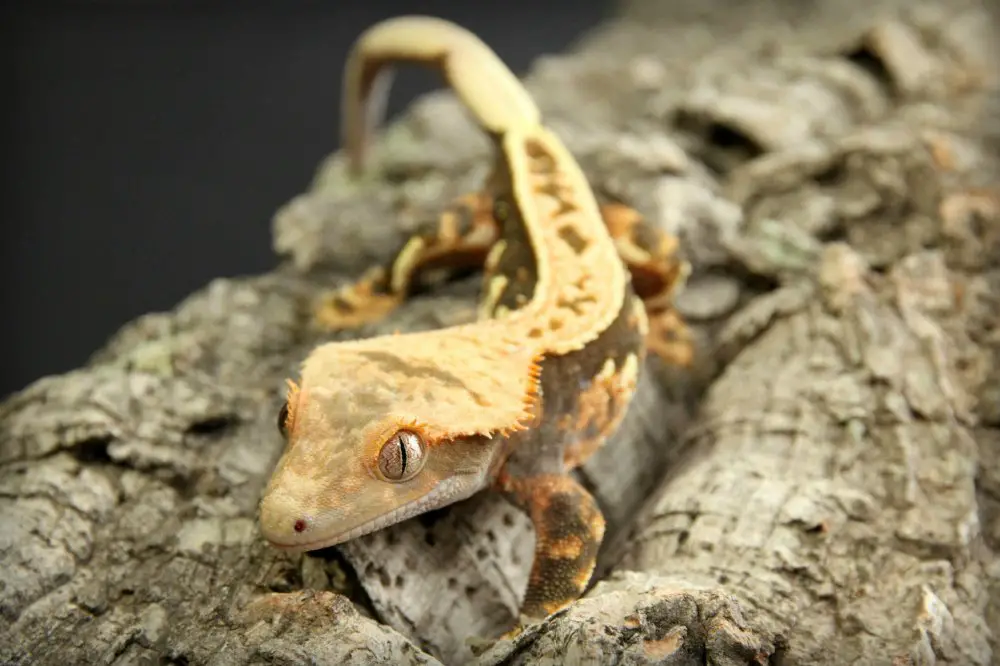
Crested geckos, found in the world’s most remote and exotic locations, have made a remarkable recovery thanks to conservation efforts. The conservation of these species has played a vital role in their comeback, with efforts focused on protecting their natural habitat and reducing the impact of human activities on their population.
Conservation efforts have been successful in increasing the population and genetic diversity of Crested geckos, both in captivity and in the wild. Some key initiatives include:
- Protecting and restoring natural habitats where Crested geckos are found in the world
- Reducing the impact of human activities, such as deforestation and pollution, on Crested gecko populations
- Supporting breeding programs to increase the population and genetic diversity of Crested geckos
By supporting local initiatives and conservation efforts, enthusiasts can contribute to the long-term survival of the Crested gecko. This can be done by spreading awareness, donating to conservation organizations, or participating in citizen science projects. The future of Crested geckos looks bright, thanks to the dedication of conservationists and the support of the community.
| Conservation Effort | Location | Impact on Crested Geckos |
|---|---|---|
| Habitat Protection | New Caledonia | Increased population and genetic diversity |
| Breeding Programs | United States and Europe | Successful breeding and release of Crested geckos into the wild |
| Community Engagement | Global | Increased awareness and support for Crested gecko conservation |
Educational Resources for Future Owners
For those interested in learning more about Crested Geckos, there are numerous educational resources available. These resources provide valuable information on Crested Gecko care, behavior, and biology, as well as fun facts and interesting anecdotes about this unique gecko species.
Some of the best ways to learn about Crested Geckos include:
- Reading books and reference materials written by experts in the field
- Taking online courses and webinars that cover topics such as Crested Gecko care and behavior
- Engaging with experts, such as breeders, veterinarians, and conservationists, to gain hands-on experience and learn from their expertise
By taking advantage of these educational resources, future owners can gain a deeper understanding of Crested Geckos and learn how to provide the best possible care for their pets. Whether you’re interested in learning fun facts about Crested Geckos or want to become an expert in their care, there are plenty of resources available to help you achieve your goals and appreciate the unique characteristics of this unique gecko species.
Myths and Misconceptions About Crested Geckos
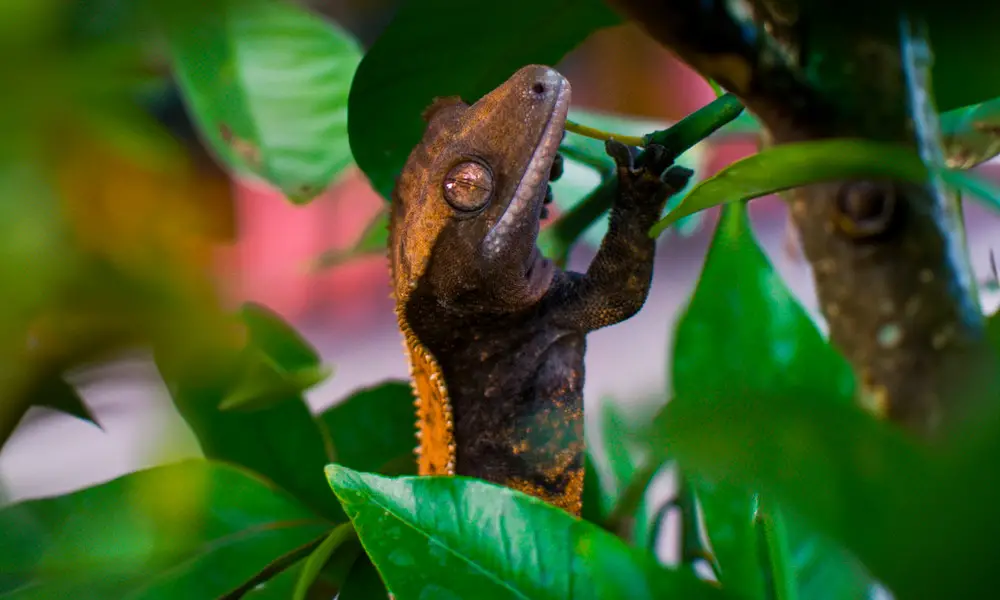
Despite their growing popularity, Crested Geckos are often surrounded by myths and misconceptions. Many people believe that these animals are difficult to care for, but in reality, they are relatively low-maintenance pets. To provide the best diet and proper care in handling, it’s essential to understand their behavior and needs.
A common misconception is that Crested Geckos require a lot of space and specialized equipment. However, they can thrive in a well-ventilated, moderately sized enclosure with a balanced diet that includes a mix of live insects and commercial gecko food. Proper care in handling is also crucial, as Crested Geckos are gentle and can be handled regularly, but they do need time to rest and relax.
Some key things to keep in mind when caring for a Crested Gecko include:
- Providing a varied and nutritious diet that meets their dietary needs
- Creating a comfortable and stress-free environment
- Handling them gently and carefully to avoid injury
By understanding and addressing these myths and misconceptions, you can provide the best possible care for your Crested Gecko and help them thrive. With the right care and attention, Crested Geckos can make wonderful and rewarding pets, and their popularity will continue to grow as more people learn about their unique characteristics and needs.
The Crested Gecko Community
The Crested Gecko community is a vibrant and active group of enthusiasts, breeders, and owners who share a passion for these unique creatures. With their unique eyes and gentle nature, it’s no wonder why many people are drawn to them. To ensure the health and well-being of these animals, it’s essential to maintain a correct terrarium temperature, which can be a topic of discussion among community members.
Connecting with other enthusiasts can be a great way to learn more about Crested Geckos, share experiences, and gain advice on care and breeding. Some ways to connect with the community include:
- Online forums and social media groups, where members can ask questions and share their knowledge
- Local reptile shows and events, which provide a chance to meet other enthusiasts in person and see Crested Geckos up close
- Specialized breeders and owners who can offer guidance and support
By being part of the Crested Gecko community, individuals can stay up-to-date on the latest care and breeding techniques, as well as learn from others who have experience with these amazing animals. Whether you’re a seasoned breeder or a new owner, the community is a valuable resource for anyone who loves Crested Geckos.
Future of Crested Geckos in the Wild
Crested geckos, found in the wild in various parts of the world, have made a significant comeback in recent years. As their population continues to thrive, it’s essential to consider their future in the wild. Monitoring wild populations and tracking their numbers, distribution, and behavior can help conservationists understand the impact of human activities and climate change on their habitat and population.
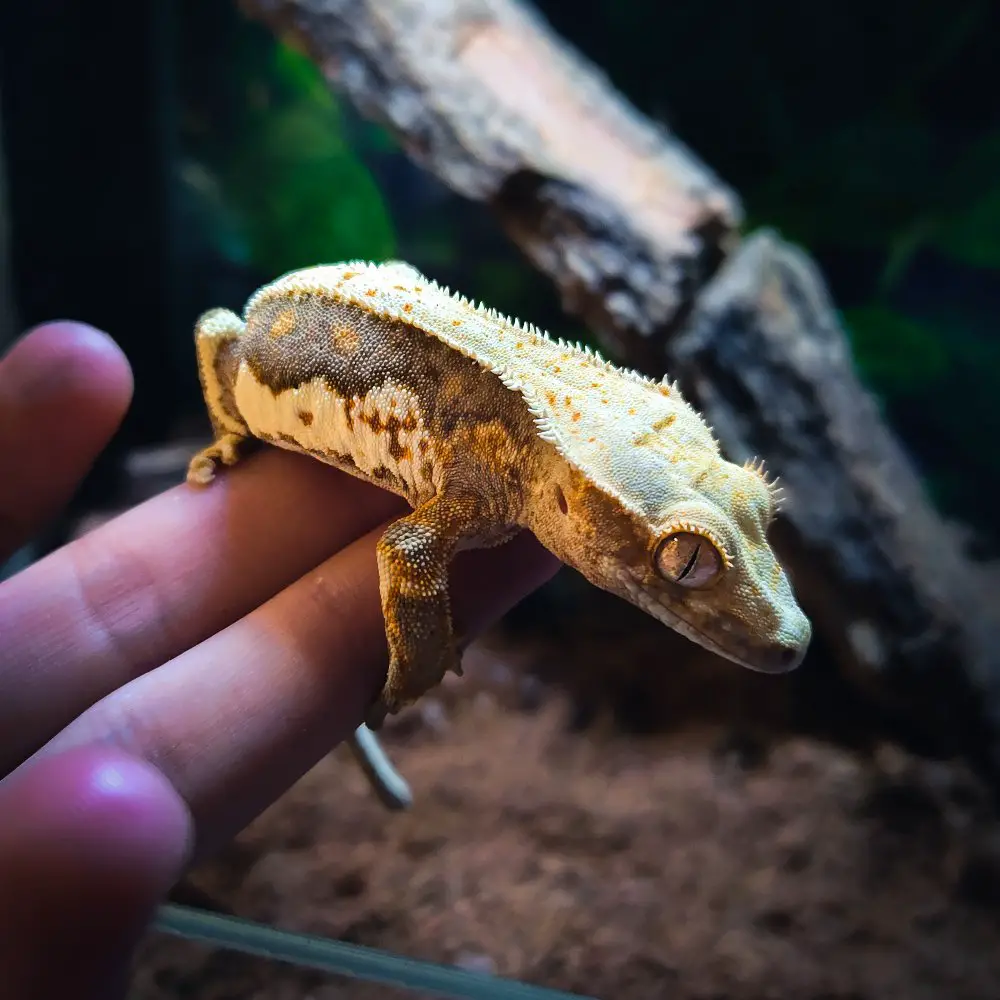
Some key factors to consider for the future of Crested geckos include:
- Monitoring wild populations to track their numbers and distribution
- Understanding the impact of climate change on their food supply, habitat, and behavior
- Supporting local initiatives and conservation organizations to ensure their long-term survival
Climate change poses a significant threat to Crested geckos, as rising temperatures and changing weather patterns can alter their food supply, habitat, and behavior. Conservation efforts will need to adapt to these changes to ensure the survival of Crested geckos in the wild. By working together, we can help protect these amazing creatures and preserve their place in the wild for generations to come.
| Region | Population Status | Conservation Efforts |
|---|---|---|
| Pacific Islands | Stable | Monitoring and protection of habitat |
| South America | Declining | Research and conservation initiatives |
| Asia | Unknown | Further research and monitoring needed |
By understanding the current state of Crested gecko populations and the challenges they face, we can work towards a future where these incredible creatures continue to thrive in the wild.
Celebrating the Crested Gecko’s Comeback
The captivating story of the Crested Gecko’s remarkable comeback is a testament to the power of conservation efforts and the dedication of reptile enthusiasts worldwide. As we celebrate this extraordinary species’ resurgence, we can’t help but marvel at the impact they’ve had on the pet industry and the world of reptile keeping.
From inspiring unique fun facts about their remarkable characteristics to showcasing the unique gecko as a beloved companion, the Crested Gecko has carved out a special place in the hearts of reptile enthusiasts. Their gentle nature, vibrant colors, and relatively low maintenance care requirements have made them a popular choice among beginner and experienced reptile owners alike.
Looking ahead, the future of the Crested Gecko appears bright. Conservation efforts continue to monitor and protect wild populations, while captive breeding programs work tirelessly to ensure the long-term survival of this captivating species. As we celebrate their comeback, we can look forward to the ever-growing community of Crested Gecko enthusiasts, who will undoubtedly play a vital role in shaping the species’ trajectory in the years to come.
FAQ
What are the unique physical features of Crested Geckos?
Crested Geckos are known for their distinctive physical features, including a prehensile tail that they use for balance and communication, and a unique set of toes covered in tiny hair-like structures that help them climb and adhere to surfaces. They also come in a variety of color patterns and shades, ranging from brown and gray to yellow and orange.
What is the ideal diet and habitat for Crested Geckos?
Crested Geckos require a balanced diet that includes a mix of live insects and commercial gecko food. They also need a well-ventilated terrarium with a temperature range of 75-85°F (24-29°C) and a humidity level of 50-60% to thrive.
How do Crested Geckos communicate and interact with their owners?
Crested Geckos have unique eyes that allow them to see in low-light conditions, making them expert hunters in the wild. They also have distinctive communication methods, such as vocalizations and body language, that owners can learn to understand and interpret to build a strong bond with their pet.
What are some common health issues for Crested Geckos, and how can owners prevent them?
Crested Geckos can be prone to certain health issues, such as metabolic bone disease, respiratory infections, and parasites. Regular veterinary check-ups, a balanced diet, and proper habitat maintenance are essential to preventing and diagnosing health problems early on.
How can I get involved in the Crested Gecko community and support conservation efforts?
The Crested Gecko community is active and vibrant, with online forums, social media groups, and local reptile shows and events that provide opportunities to connect with other enthusiasts, share knowledge, and learn more about these fascinating creatures. Owners can also support conservation efforts by donating to organizations, participating in citizen science projects, and spreading awareness about the importance of protecting the Crested Gecko’s natural habitat.