
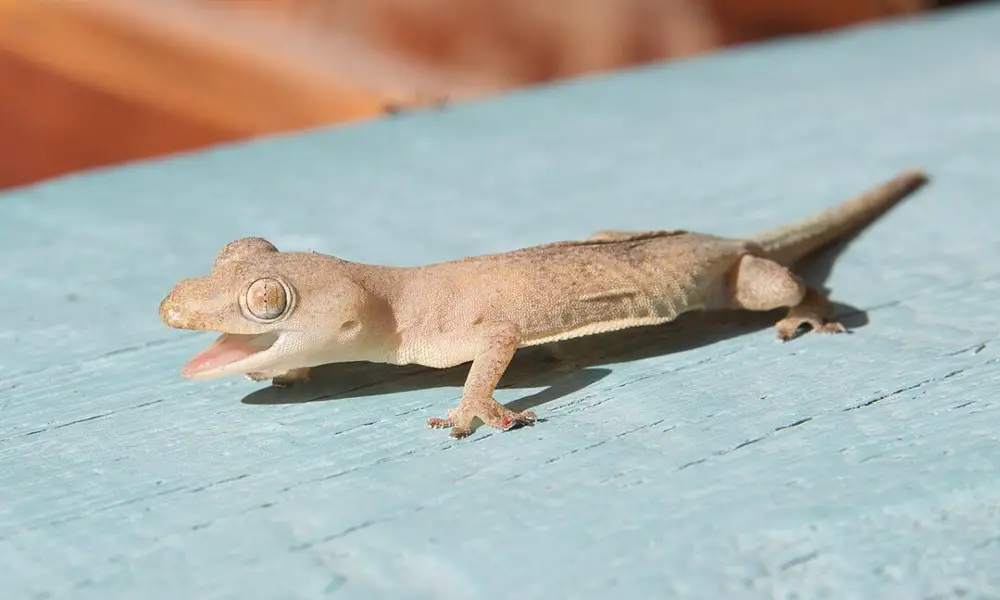
Meet the Common House Gecko, or Hemidactylus frenatus, a tiny reptile that shares our homes without invitation. These small, agile lizards have mastered living alongside humans, thriving in kitchens, patios, and even bedrooms across the U.S. and beyond. Often overlooked, they’re nature’s own nighttime pest control, silently hunting insects in our living spaces.
Despite their widespread presence, many people don’t even realize these geckos exist in their homes. The Common House Gecko’s ability to cling to walls and ceilings makes it a master of stealth, blending into our daily lives. Learn how this uninvited guest plays a hidden role in balancing home ecology and human environments.
Table of Contents
- Key Takeaways
- Introduction to the Common House Gecko
- Habitat and Distribution
- Behavior and Habits
- Reproduction and Lifespan
- Importance in the Ecosystem
- Common Misconceptions
- How to Identify a Common House Gecko
- Interactions with Humans
- Tips for Coexisting with Common House Geckos
- Notable Species Related to Common House Gecko
- Health and Safety Considerations
- Conclusion: Embracing Your Tiny Visitors
Key Takeaways
- Common House Geckos (Hemidactylus frenatus) are small, nocturnal reptiles found in homes nationwide.
- They help reduce pests like mosquitoes and cockroaches naturally.
- These geckos adapt easily to human environments, thriving in urban and suburban areas.
- Despite their ubiquity, many homeowners remain unaware of their presence.
- Understanding their habits can shift perceptions from “pest” to beneficial housemate.
Introduction to the Common House Gecko
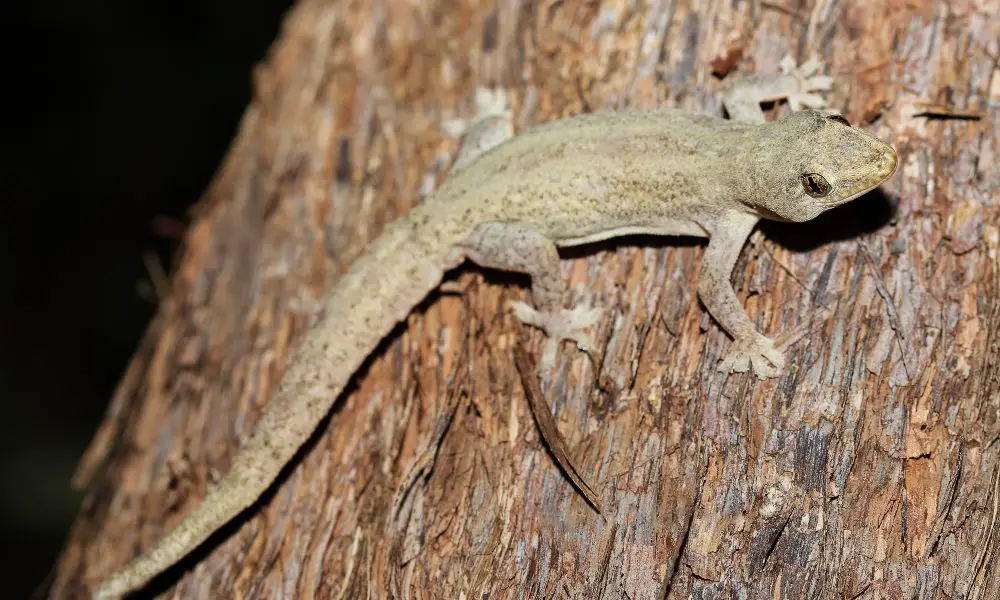
Meet the common house gecko, a tiny reptile sharing spaces with humans across tropical and subtropical regions. These adaptable creatures thrive near homes, offices, and even streetlights, making them a familiar sight worldwide.
What Are Common House Geckos?
Scientifically part of the Hemidactylus genus, these geckos evolved to live alongside people. Unlike wild lizards, they prefer human-made structures, hunting insects in well-lit areas. Their reliance on human activity makes them a unique example of urban wildlife.
Characteristics and Appearance
Here’s what to look for:
- Size of the house gecko: 3 to 6 inches long, roughly the length of a pencil or ruler.
- Transparent, delicate skin that changes color slightly depending on temperature or surroundings.
- Specialized toe pads let them stick to vertical surfaces, like walls and ceilings.
- Luminous eyes with vertical pupils, perfect for night hunting.
- Gray or beige bodies with mottled patterns that blend into walls and floors.
These features help them hide in plain sight while hunting moths, spiders, and other pests.
Habitat and Distribution
Where does the house gecko live? These adaptable reptiles thrive in both natural and human-made environments. The native habitat of the house gecko originally spans tropical regions like India, Southeast Asia, and the Pacific Islands. Today, they’ve expanded globally, relying on human activity to spread.
Preferred Environments
House geckos seek warmth and shelter. They favor areas with: moisture, cracks, and vertical surfaces for climbing. Buildings, gardens, and porches mimic their wild habitats, offering insects drawn to artificial lights. Their sticky toe pads let them cling to walls, making homes ideal hunting grounds.
Geographic Range in the U.S.
In the U.S., they’re common in warm climates. Key regions include:
- Florida
- California
- Texas
- Hawaii
Spreading north as temperatures rise, they arrived via cargo ships centuries ago. Cities’ heat islands and outdoor lighting attract them. Urban areas provide perfect niches, far from their original Asian roots.
Behavior and Habits
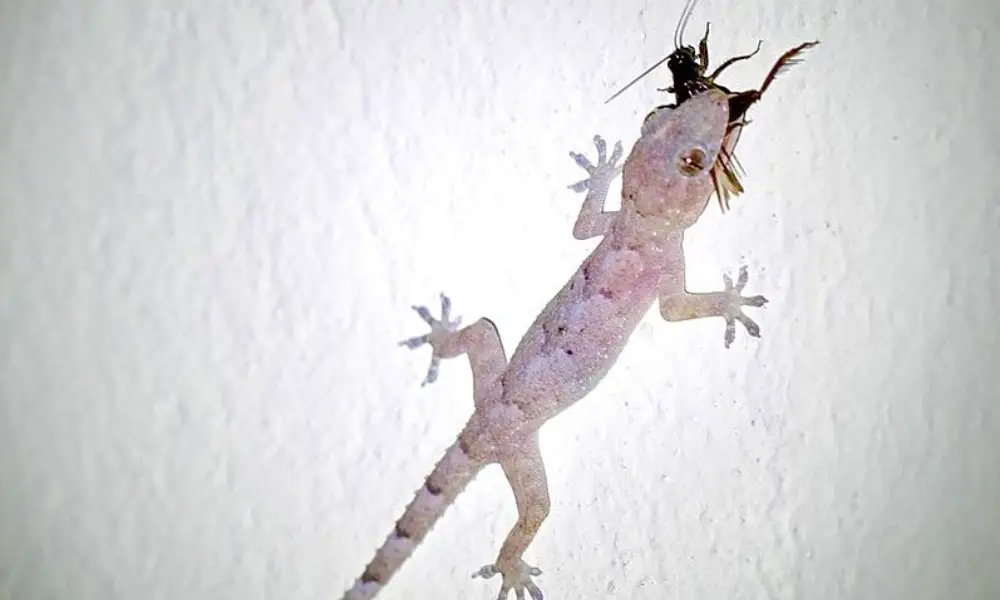
House geckos may seem mysterious, but their routines are as predictable as the setting sun. These tiny reptiles follow a strict nighttime schedule, turning homes into their hunting grounds.
Nocturnal Activity Patterns
Most active at dusk, they rely on dark hours to thrive. Their large eyes let them see in dim light, perfect for spotting moving bugs. You might spot them clinging to walls near porch lights, where insects gather. They chatter softly—a mix of chirps and barks—to claim territories or warn rivals. These vocalizations, often heard at night, are part of their social “conversations” with other geckos.
Diet and Feeding Behavior
The food for the house gecko centers on insects. Their meals include mosquitoes, moths, and roaches. They hunt using lightning-fast tongue strikes, snatching prey mid-flight. Here’s what they target most:
- Flies and beetles
- Spiders and crickets
- Winged insects drawn to lights
They exploit human-made lights as bug magnets, turning patios into dining spots. This diet makes them natural pest fighters, reducing the need for sprays or traps. Their presence means fewer annoying bugs buzzing indoors.
Reproduction and Lifespan
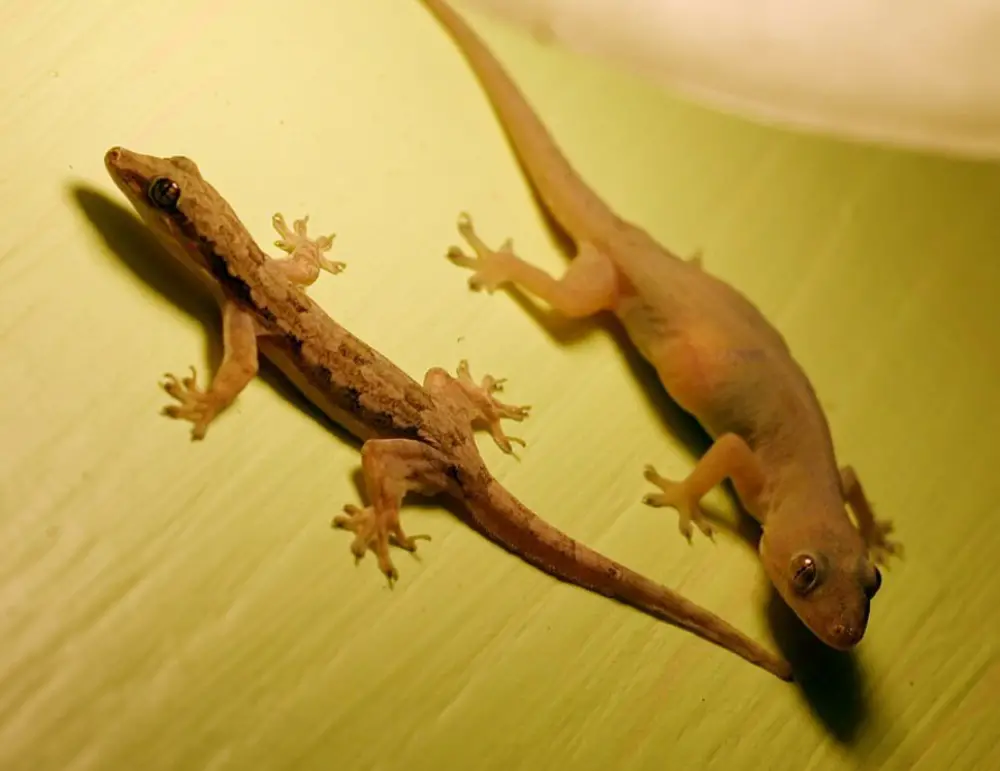
Photo Credit – Wikipedia
Hidden in the quiet hours of night, the Common House Gecko life cycle unfolds. These tiny neighbors have a fascinating reproductive journey that often goes unnoticed by their human roommates.
Breeding Seasons and Mating Rituals
While many creatures follow strict seasons, the Common House Gecko adapts. Breeding often peaks during summer months but can happen year-round in warm climates. Males don’t just rely on luck—they perform elaborate displays to attract mates. Listen closely at night, and you might hear their high-pitched chirps. These vocalizations signal readiness, paired with tail wags and head-bobbing dances. These rituals ensure only the most active and alert males win the chance to mate.
Egg-Laying and Development
Females carefully choose nesting spots, like cracks in walls or under furniture. They lay 1–2 eggs at a time, each with a hard shell. Incubation takes 40–80 days, depending on temperature. Once hatched, baby geckos face the world alone—no parental care here. Within a year, these tiny hatchlings mature, ready to start their own families. In the wild, they live 5–8 years, thriving where their survival instincts and human homes overlap.
Importance in the Ecosystem
Behind their small size, the Common House Gecko plays a big role in keeping ecosystems healthy. These tiny reptiles are nature’s own pest fighters and biodiversity helpers.
Pest Control Benefits
Imagine a natural bug zapper that works all night. The Common House Gecko does just that. Here’s how they help:
- 24/7 pest patrol: One gecko can eat 100+ insects nightly, targeting mosquitoes, cockroaches, and spiders.
- No chemicals needed: Their hunting reduces the need for insecticides, making homes safer and greener.
- Disease prevention: By eating disease-carrying pests like mosquitoes, they help protect human health.
Role in Biodiversity
These geckos aren’t just insect hunters—they’re ecosystem connectors. They:
- Feed birds, snakes, and frogs, keeping food webs active in urban areas.
- Show how wildlife adapts to cities, proving biodiversity thrives even in neighborhoods.
- Act as living reminders that small creatures matter in balancing nature and human spaces.
Every time you spot a Common House Gecko, remember: it’s a tiny guardian of your home’s health and the environment’s balance.
Common Misconceptions
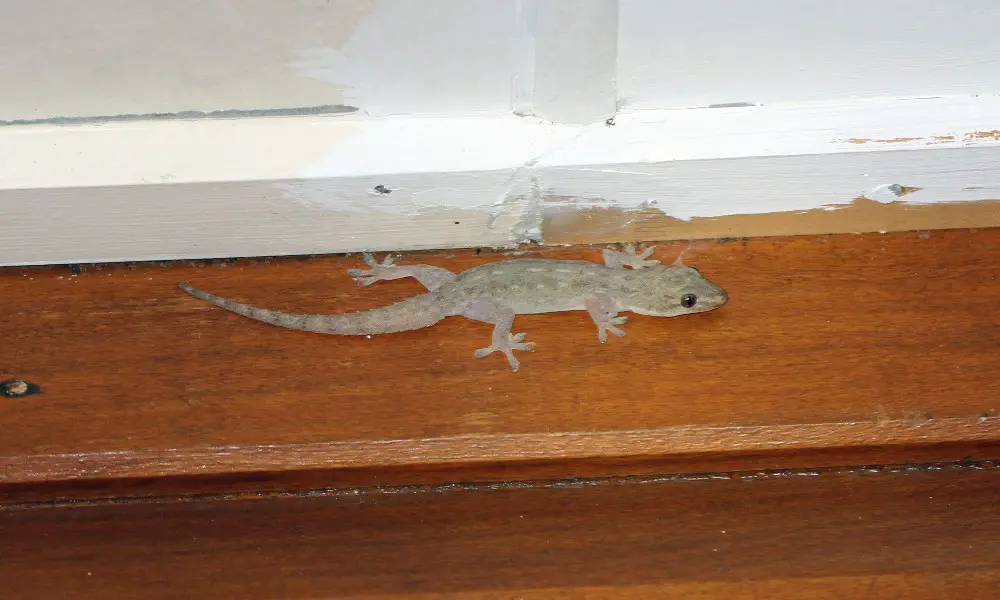
Meet the Common House Gecko, a tiny creature often misunderstood. Let’s separate fact from fiction about these backyard visitors.
Are They Harmful to Humans?
No need to worry! Common House Geckos are harmless. Here’s why:
- They don’t bite humans—tiny mouths can’t break skin.
- No venom or toxins in their systems.
- They avoid direct contact, preferring to stay out of your way.
Myths vs. Facts about Geckos
| Myth | Fact |
|---|---|
| They ruin homes | They don’t chew wires or damage property. |
| They spread diseases | No evidence links them to illnesses. |
| They’re aggressive | They freeze or flee when threatened. |
| Cultural fear in some regions | In many cultures, they symbolize luck or protection. |
These lizards are more friend than foe. Next time you spot one, remember: they’re here to help by eating pesky insects!
How to Identify a Common House Gecko
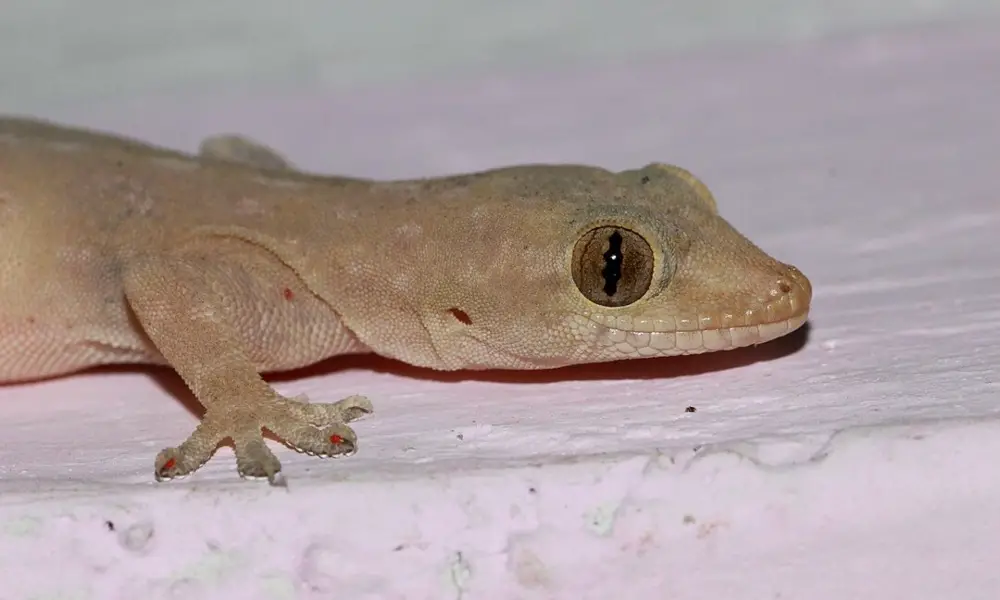
Spotting a tiny visitor on your wall? Let’s learn how to tell if it’s a common house gecko. These lizards have clear traits that set them apart from other backyard creatures. Here’s what to look for:
Distinguishing Features
- Toe pads: Look for sticky feet with microscopic hairs letting them cling to glass or walls.
- Eyes: Large, shiny eyes with vertical pupils, perfect for hunting at night.
- Nocturnal calls: Listen for high-pitched chirps or clicks—they’re vocal during mating or territorial disputes.
- Smooth skin: Thin, translucent skin that shows their veins or bones in pale specimens.
Size and Color Variations
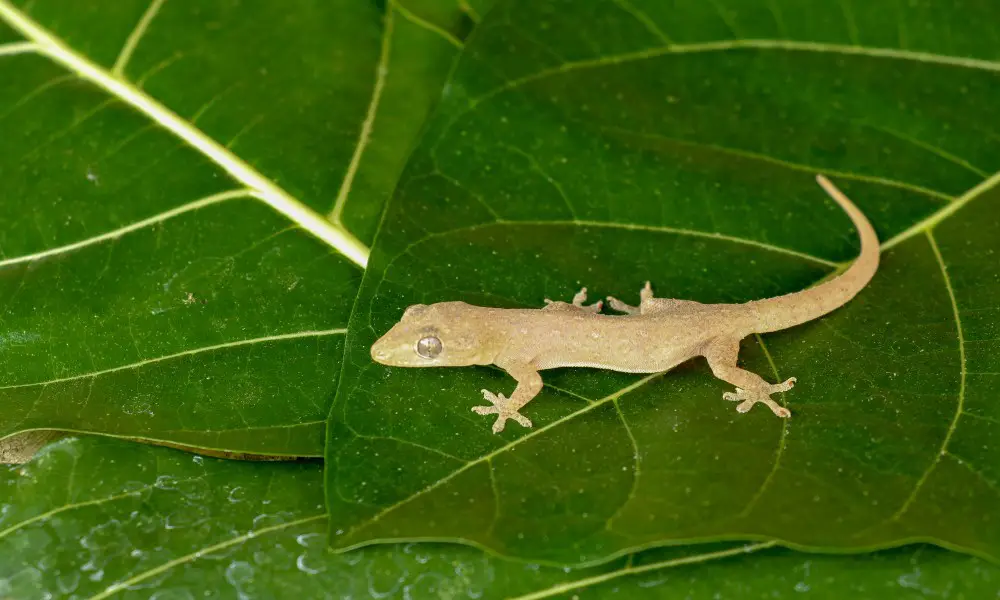
The size of the house gecko ranges from 3 to 6 inches long, including their slender tail. Juveniles are smaller, often just 2 inches at birth. Their color shifts with surroundings: most are gray or beige but can flush pinkish-red in warm temperatures. Dark speckles or stripes may appear, blending them into walls or ceilings.
Colors change with stress or time of day. A stressed gecko might darken to hide, while a basking lizard might glow pale. Always observe from a distance to avoid startling them!
Interactions with Humans
While the Common House Gecko often shares our spaces, opinions about them vary widely. Some view them as helpful companions, while others see them as occasional nuisances. Let’s explore both sides.
Are They a Problematic Pest?
Though these geckos may leave tiny droppings or startle those who spot them at night, they cause little harm. Unlike insects or rodents, they don’t chew wires or spread disease. In fact, they eat insects that do bother humans. Most complaints about them stem from surprise encounters, not real harm.
Cultural Significance Across Regions
From Asia to the U.S., the Common House Gecko holds symbolic meaning. Here’s how cultures view them:
- In Indonesia, they’re called “binatang penolong” (helpers) for eating pests.
- In parts of the American Southwest, they’re seen as symbols of resilience, thriving in dry climates.
- Indian folklore often portrays them as wise creatures in stories.
A quote from Philippine tradition:
“When a gecko chirps, good fortune is near.”
Compare regional beliefs:
| Culture | Symbolism |
|---|---|
| Thai | Luck and prosperity |
| Texan | Summer’s natural air conditioner (for bug control) |
| Jamaican | Protectors against evil spirits |
These tiny reptiles aren’t just visitors—they’re part of our shared stories, balancing practical benefits with cultural richness.
Tips for Coexisting with Common House Geckos
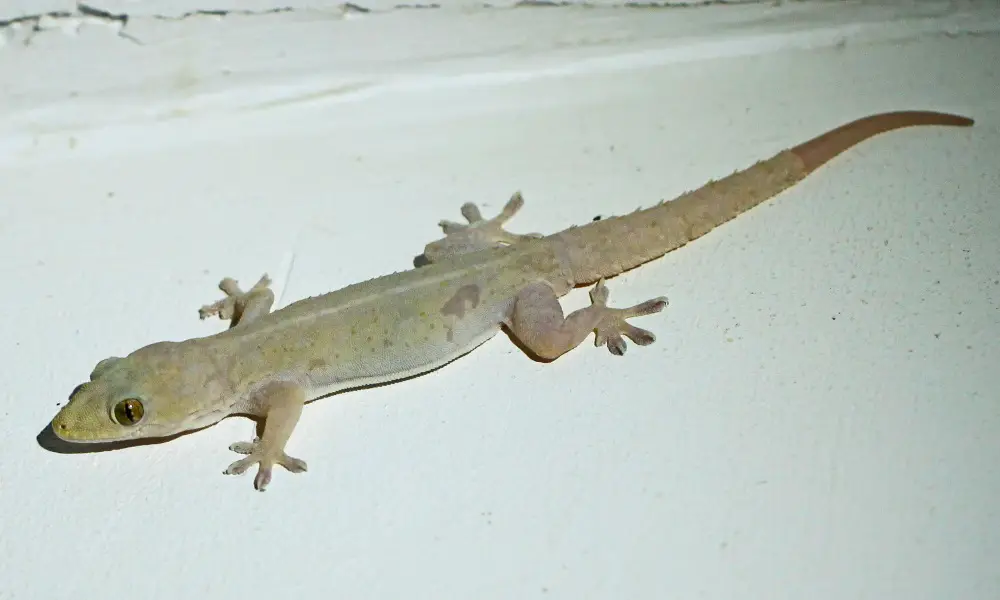
Photo Credit – Wikipedia
“Coexistence with geckos starts with understanding their role as natural partners in home ecosystems.”
Want to welcome these tiny pest controllers? Here’s how to create a gecko-friendly space. Keeping a common house gecko as a pet requires basic care. Start by leaving shallow water dishes outside—geckos need hydration. Outdoor lights attract insects, their favorite food. Skip chemical pesticides; they harm geckos and their prey. Add rocks or plants near walls for basking spots. Some even keep these geckos as low-maintenance pets indoors. A glass terrarium with heat lamps and live plants mimics their natural habitat. Offer crickets or mealworms, and ensure proper humidity levels.
Encouraging Their Presence
- Place small water dishes in shaded outdoor areas.
- Install outdoor lights to draw insects, a gecko’s main food source.
- Leave crevices or garden debris as natural shelters.
- Research how to keep a common house gecko as a pet safely with proper tank setups.
Preventing Unwanted Encounters
Prefer fewer visits? Seal gaps around windows and doors. Reduce outdoor lighting at night to cut insect attraction. Use citrus or cinnamon sprays as natural deterrents. If one enters your home, gently guide it outside. Never use harmful traps.
Whether you host them or limit their visits, prioritize humane methods. These geckos help control pests without chemicals. Small adjustments make all the difference in sharing space peacefully.
Notable Species Related to Common House Gecko
The common house gecko isn’t the only scaly guest in your neighborhood! Let’s explore relatives and neighbors it shares space with.
Different Types of Geckos in the U.S.
While the most common gecko thrives nationwide, other species have carved their own niches:
- Mediterranean house gecko: Thrives in the Southeast, often seen near lights like their cousin.
- Tokay gecko: Found in Florida, distinguished by their loud barks and sticky toe pads.
- Leopard gecko: Desert dwellers in the Southwest, lacking the common gecko’s love for human structures.
What makes the common house gecko the most common gecko? Its ability to live in cities and adapt to any climate gives it an edge over others.
Comparisons with Other Lizard Species
| Species | Key Trait | Habitat | Unique Feature |
|---|---|---|---|
| Common House Gecko | Nocturnal hunter | Buildings, urban areas | Sings at night |
| Anole Lizard | Daytime sunbather | Backyards, trees | Extends colorful throat fans |
| Five-Lined Skink | Tree climber | Eastern forests | Orange head in youth |
Next time you spot a lizard, check for these clues! Geckos alone can “talk” with chirps, while others stay quiet.
Health and Safety Considerations
Sharing living spaces with Common House Geckos is generally safe, but awareness of minor health aspects can help maintain harmony. Here’s what homeowners should know.
Allergies and Reactions
Rare cases of allergies to gecko droppings have been reported. Symptoms like sneezing, itchy eyes, or skin irritation may occur. To minimize exposure:
- Wear gloves when cleaning areas with droppings
- Use disinfectant sprays on surfaces
- Vacuum or mop floors regularly
If symptoms persist, consult a healthcare provider for allergy testing.
Disease Transmission Risks
Like all reptiles, Common House Geckos can carry bacteria such as Salmonella. However, transmission to humans is uncommon when basic hygiene steps are followed. Key precautions include:
- Wash hands thoroughly after handling geckos or cleaning their habitats
- Avoid touching your face before washing hands
- Keep gecko spaces separate from food preparation areas
| Factor | Common House Gecko | Domestic Dogs/Cats |
|---|---|---|
| Salmonella Risk | Low with hygiene | Moderate if exposed to feces |
| Transmission Probability | 0.5% (CDC estimates) | 1-3% in households |
| Prevention Steps | Regular cleaning | Fecal testing, vaccinations |
Maintaining cleanliness ensures these tiny pest controllers remain safe neighbors. Their role in reducing insect populations far outweighs minimal health considerations when proper care is taken.
Conclusion: Embracing Your Tiny Visitors
Next time you spot a Common House Gecko darting across your wall, take a moment to appreciate its role in your home’s ecosystem. These small reptiles offer more than meets the eye.
Summary of Their Benefits
Common House Geckos are natural allies against insects like mosquitoes and cockroaches. Their presence helps reduce the need for chemical pesticides, making them eco-friendly roommates. These geckos also contribute to biodiversity by balancing urban wildlife populations. Their ability to adapt to human spaces highlights their resilience, turning attics and porches into shared habitats.
Final Thoughts on Having Geckos at Home
While some may find their sudden appearances surprising, coexisting with these creatures is simpler than expected. A flickering shadow on the ceiling isn’t a nuisance but a sign of nature’s quiet partnership. By keeping windows screens intact and avoiding harsh repellents, you can welcome their pest-control services without disturbance. From Hawaiian folklore to Southern U.S. gardens, cultures worldwide view geckos as symbols of luck or resilience. Observe their swift movements or listen to their chirps—they’re part of your home’s story. Next time you see one, consider it a tiny guardian, not an intruder. With awareness, even a small reptile can remind us to value the wildlife in our midst.
FAQ
How can I keep a Common House Gecko as a pet?
Keeping a Common House Gecko (Hemidactylus frenatus) as a pet is quite straightforward. Ensure you provide a suitable terrarium with proper humidity and temperature control, along with hiding spots and climbing surfaces. Offer a diet rich in insects such as crickets, mealworms, and fruit flies to keep your gecko healthy and happy.
What kind of food do House Geckos eat?
House Geckos primarily feed on insects like moths, flies, mosquitoes, and small spiders. You can offer live or dried insects, and it’s essential to dust them with calcium and vitamin supplements to ensure their nutrition is balanced.
What is the size of a Common House Gecko?
Common House Geckos typically range in size from 3 to 6 inches in length, making them small and easy to manage as pets. Their size can vary slightly depending on their environment and diet.
Where does the Common House Gecko live?
The Common House Gecko originally hails from South and Southeast Asia but has spread across the globe. In the U.S., they’re most commonly found in warm climates like Florida, Texas, and California, often residing in human structures where they find plenty of food and shelter.
What is the native habitat of the House Gecko?
The native habitat of the Common House Gecko consists of warm, humid regions in South and Southeast Asia. They thrive in environments with plenty of vertical surfaces for climbing and hiding, making residential areas ideal for their lifestyle.
Is the Common House Gecko the most common gecko species?
Yes, the Common House Gecko is recognized as the most widespread gecko species globally, thanks to its adaptability to urban environments and its ability to thrive alongside humans.
Are Common House Geckos harmful to humans?
Common House Geckos are not harmful to humans. They do not bite aggressively, are not venomous, and generally avoid human interaction. They are beneficial creatures that help control insect populations in homes.
Do House Geckos have any unique behaviors?
Yes! Common House Geckos are nocturnal, meaning they are most active at night. You might observe them vocalizing or interacting socially as they hunt insects attracted to light sources, showcasing their lively nature.
How long do Common House Geckos live?
In the wild, Common House Geckos generally live around 5 to 8 years. Factors like diet, habitat, and care can influence their lifespan if kept as pets.