
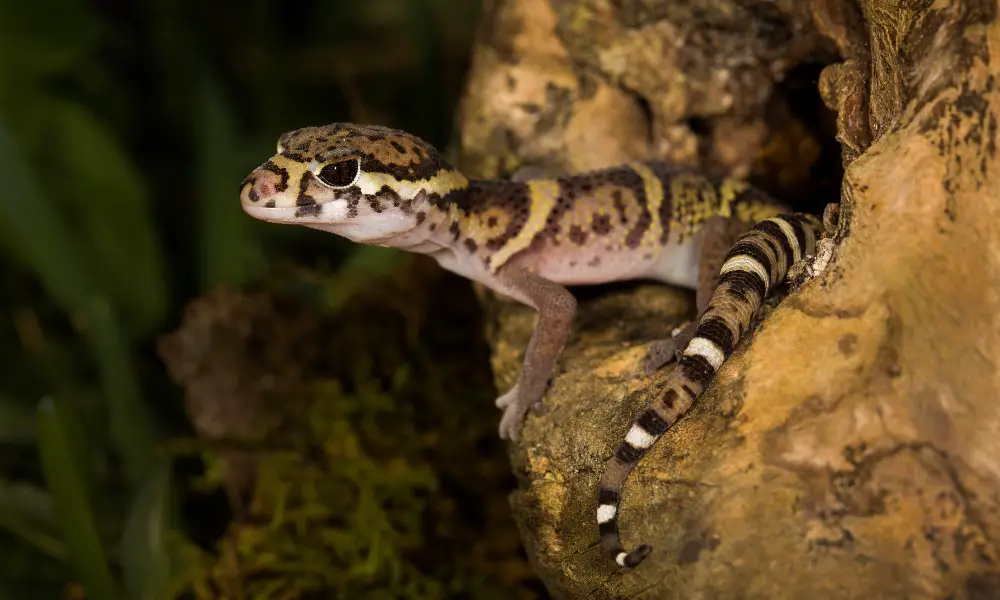
The Central American Banded Gecko (Coleonyx mitratus) is a captivating little reptile that’s won over reptile lovers across the United States. This tiny creature, often mistaken for a smaller version of the popular leopard gecko, boasts striking bands of color that make it stand out. Native to tropical regions, it thrives in warm, humid environments, blending seamlessly into leaf litter and rocky terrain.
What makes the Central American Banded Gecko so intriguing? Its compact size and bold patterns make it an ideal pet for both beginners and experienced enthusiasts. Unlike larger geckos, this species offers a low-maintenance way to experience the beauty of exotic reptiles. Whether you’re curious about their wild habits or want to set up the perfect enclosure, this guide has all the answers.
From their diet to their unique behaviors, this article dives into everything you need to know about these charming reptiles. Perfect for those seeking a pet that’s both fascinating and easy to care for, the Central American Banded Gecko is a treasure of the tropical world.
Table of Contents
- Key Takeaways
- Introduction to the Central American Banded Gecko
- Physical Characteristics of the Central American Banded Gecko
- Behavior and Temperament
- Diet of the Central American Banded Gecko
- Habitat Requirements for the Central American Banded Gecko
- Breeding and Reproduction
- Health and Care
- Tips for Keeping a Central American Banded Gecko as a Pet
- Frequently Asked Questions About the Central American Banded Gecko
- Conservation Status and Considerations
- Fun Facts About Central American Banded Geckos
- Conclusion: The Allure of the Central American Bande
Key Takeaways
- The Central American Banded Gecko (Coleonyx mitratus) is a small, patterned reptile resembling a miniature leopard gecko.
- It’s native to tropical regions and adapts well to captivity with proper care.
- Its striking banded coloration and manageable size make it a favorite among reptile enthusiasts in the U.S.
- Understanding their habitat needs is key to keeping them healthy as pets.
- They thrive in humid environments and require specific lighting and feeding routines.
Introduction to the Central American Banded Gecko
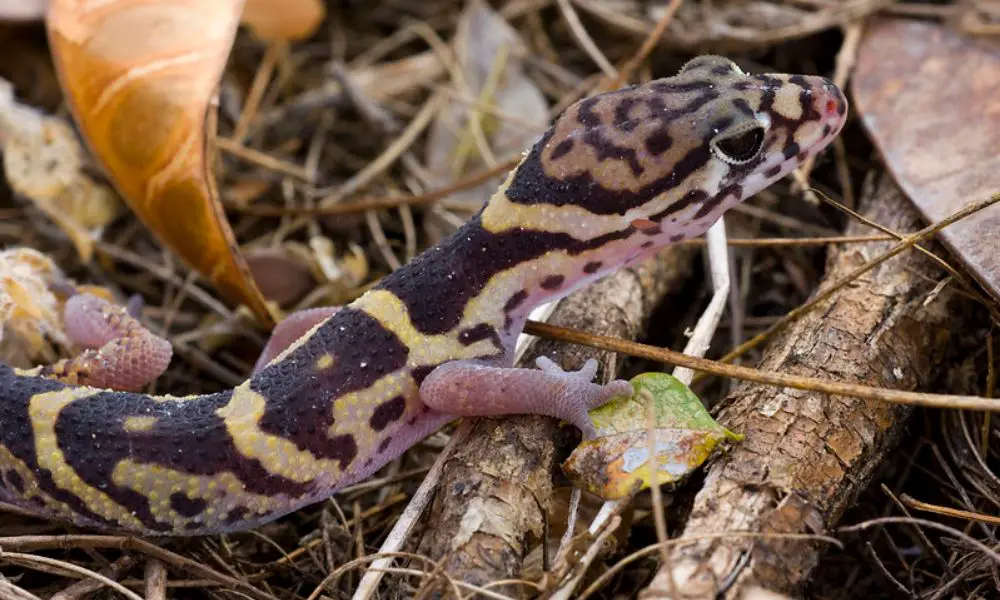
The Central American Banded Gecko, a small but striking reptile, captures attention with its sleek design. Found in specific regions, this species offers insights into the diversity of tropical wildlife.
Overview of the Species
Scientifically named Coleonyx mitratus, this gecko belongs to the family Eublepharidae. Unlike the leopard gecko, it has unique traits adapted to its environment. These nocturnal creatures grow to 4–6 inches, making them manageable for enthusiasts. Their banded patterns help them blend into rocky landscapes, a key survival tool.
Habitat and Distribution
Wild populations thrive in regions like:
- Southern Mexico
- Guatemala
- El Salvador
- Honduras
- Nicaragua
- Costa Rica
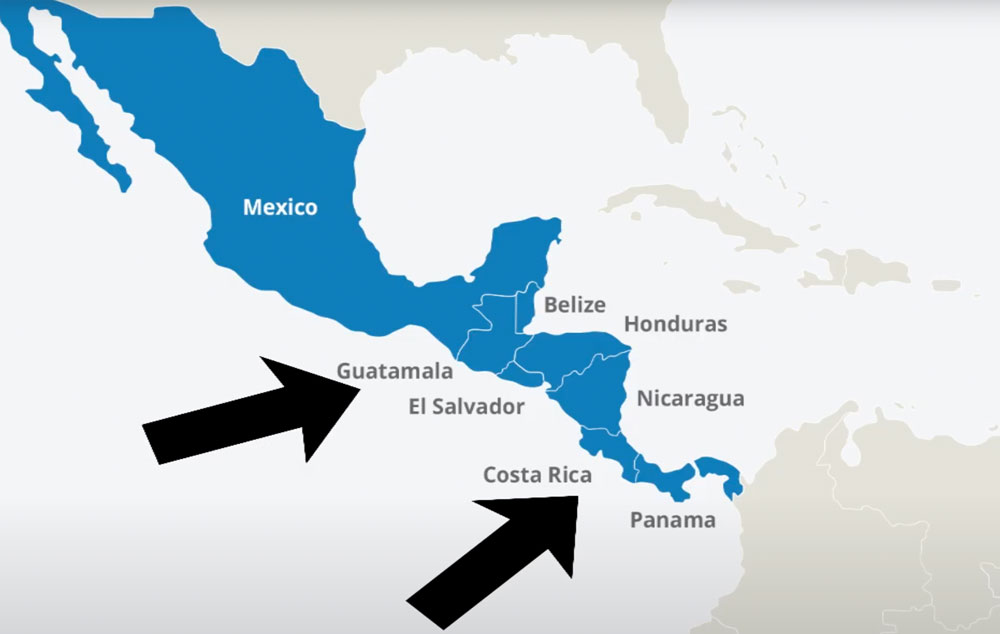
These geckos favor environments such as tropical forests, arid scrublands, and rocky outcrops. They seek shelter under rocks or in crevices, avoiding open areas. Understanding where the Central American Banded Gecko is from helps replicate their natural conditions in captivity.
Physical Characteristics of the Central American Banded Gecko
When it comes to charm, the Central American Banded Gecko is a beautiful little gecko with features that captivate reptile enthusiasts. Measuring 4 to 6 inches from head to tail, this petite reptile weighs just 30–60 grams—making it smaller than leopard geckos. Males often have thicker tails, while females may have slightly broader bodies.
Size and Weight
These geckos stay compact, fitting easily in the palm of your hand. Here’s a quick comparison:
- Size range: 4–6 inches (10–15 cm) total length
- Weight: 30–60 grams (similar to a small cookie)
- Gender differences: Males show thicker tails; females may have wider midsections
Distinctive Coloration and Patterns
What makes them a unique little gecko? Their bold patterns stand out. A yellow-tan base is accented with dark brown or black bands that wrap around their bodies. Juveniles often have lighter markings that deepen as they mature. Some display speckles or irregular banding, adding to their individuality.
| Feature | Description |
|---|---|
| Eye size | Large, lidless eyes for night vision |
| Toe pads | Soft, adhesive pads for climbing |
| Skin texture | Smooth and slightly shiny |
These traits make them easy to distinguish from similar species. Their striking looks and subtle variations ensure no two look exactly alike.
Behavior and Temperament
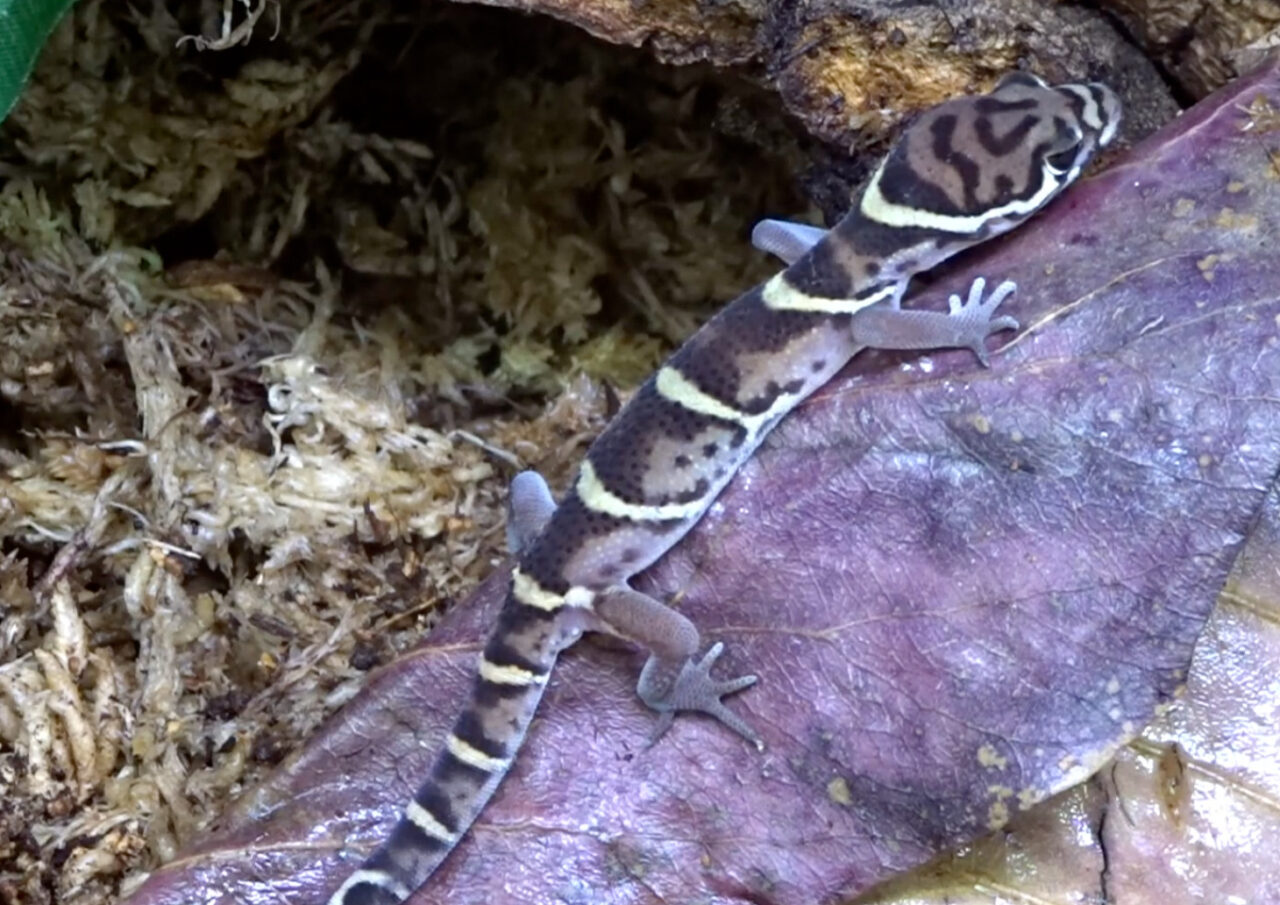
The Central American Banded Gecko thrives in quiet, predictable routines. As a unique little gecko, its daily habits reflect its wild instincts, making it a fascinating pet for observant owners.
Activity Patterns
These geckos are nocturnal, emerging at dusk to hunt. Here’s their daily cycle:
- Day: Hide in dark crevices or under bark.
- Dusk: Become alert, exploring enclosures for insects.
- Night: Active hunting peaks, with brief pauses for rest.
In captivity, maintaining low-light conditions during the day supports their natural rhythm.
Social Interactions
Wild geckos avoid crowds, but in captivity, group housing requires care. Key behaviors include:
- Territorial disputes over food or hides.
- Communication via tail vibrations or chirps.
“They’re solitary but not aggressive—keep one per enclosure unless breeding,” advise reptile specialists.
| Behavior | Meaning |
|---|---|
| Rapid tail wagging | Stress or excitement |
| Head bobbing | Submission or defense |
| Soft chirps | Communication during mating |
Handling should start gently. Over time, many become calm but remain shy. Patience builds trust with this unique little gecko.
Diet of the Central American Banded Gecko
Understanding the dietary needs of the Central American Banded Gecko is key to their health and vitality. Wild and captive diets differ, but both rely on a protein-rich, varied menu. Let’s explore how to meet these needs effectively.
Natural Diet in the Wild
In their tropical habitats, Central American Banded Geckos hunt insects and small invertebrates under cover of night. Their wild diet includes:
- Cricket nymphs
- Moisture-rich beetles
- Small spiders
- Moth larvae
They prioritize moving prey, using their keen night vision to stalk meals.
Feeding Habits in Captivity
Replicating this diet requires careful planning. Follow these guidelines for successful feeding the Central American banded gecko:
- Prey selection: Offer gut-loaded crickets, dubia roaches, or mealworms (no larger than the gecko’s head)
- Frequency: 3-5 small meals weekly for juveniles; 2-3 for adults
- Supplements: Dust prey with calcium (D3-free) 3x/week and multivitamins monthly
Avoid overfeeding: Uneaten prey can stress geckos. Remove uneaten insects after 15 minutes.
“Calcium deficiency is the top nutritional issue in captive geckos. Always prioritize supplements,” says reptile nutritionist Dr. Linda Kozlowski.
During shedding cycles, soften prey by misting containers to aid digestion. Monitor appetite changes to spot health issues early.
Habitat Requirements for the Central American Banded Gecko
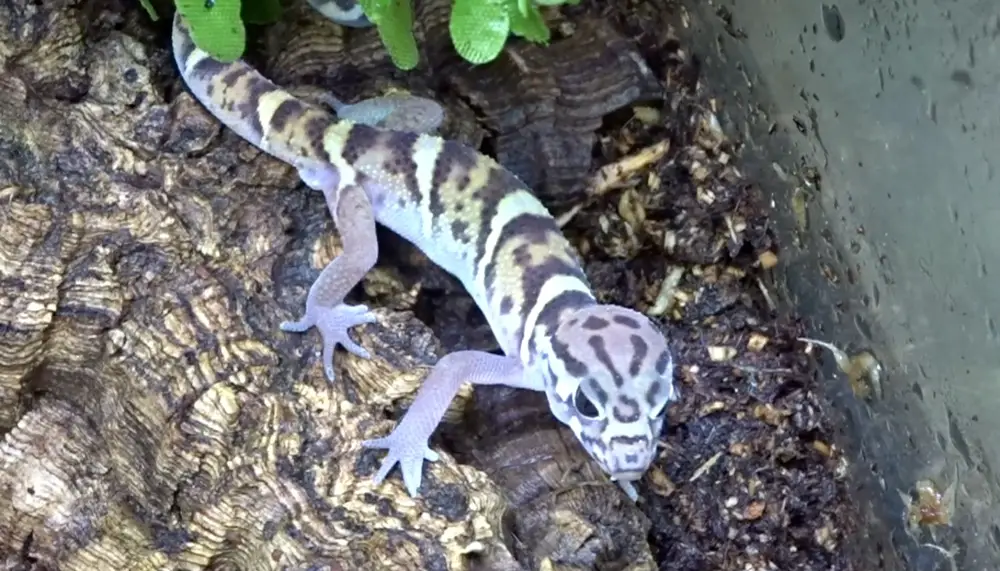
Creating the perfect home starts with understanding how to keep the Central American Banded Gecko. A well-planned terrarium includes space, proper materials, and microhabitats for their natural behaviors. Two key elements are the hide for the American banded gecko and stable environmental conditions.
Ideal Terrarium Setup
Begin with a 10–20-gallon tank for one gecko. Avoid overcrowding—they need room to move. Use substrates that mimic their wild environment:
| Substrate | Pros | Cons |
|---|---|---|
| Coconut fiber | Maintains humidity, safe for burrowing | Requires misting |
| Reptile sand | Easy to clean | Potential ingestion risk |
| Paper towels | Inexpensive, easy to monitor | Less natural appearance |
Include 2–3 hides for security. The hide for the American banded gecko must be snug—use cork bark, commercial hides (like Zoo Med Cork Bark), or DIY solutions. Place hides in warm, cool, and humid zones for thermoregulation and shedding. Add plants (live or fake) and branches to encourage climbing.
Temperature and Humidity Needs
Geckos rely on temperature gradients. Use a heat mat or ceramic bulb for warmth. Maintain:
| Area | Temperature (°F) | Humidity (%) |
|---|---|---|
| Warm basking spot | 90–95 | 40–50 |
| Cool side | 75–80 | 40–60 |
Use a digital thermometer and hygrometer to track levels. Mist the enclosure daily to keep humidity between 40–60%. Avoid extremes to prevent respiratory issues or shedding problems.
Breeding and Reproduction
Breeding the Central American Banded Gecko (Coleonyx mitratus) offers a fascinating glimpse into the life cycle of this unique little gecko. For enthusiasts, understanding their reproductive behaviors is key to successful captive breeding.
Mating Habits
During breeding season, males perform vibrant displays to attract females. These include tail-wagging, head-bobbing, and even emitting soft chirps. Maturity is reached at 12–18 months, marked by distinct color darkening in males. Introducing pairs requires caution—aggressive males may stress females. A split-cage setup initially helps acclimate them safely.
Egg Laying Process
Females search for soft, moist substrate to bury their eggs. Clutches typically hold 1–2 eggs, laid every 4–6 weeks during peak breeding. Incubation requires precise conditions:
- Temperature: 82–88°F (28–31°C)
- Humidity: 70–80%
- Incubation time: 45–60 days
Eggs must be transferred to a vermiculite-filled container, buried twice their depth in moist substrate.
Compared to leopard geckos, this species lays fewer eggs but shows stronger parental care. Hatchlings emerge fully independent, ready to explore their environment. Observing these stages reveals why the Central American Banded Gecko remains a beloved yet understudied gem in reptile keeping.
Health and Care
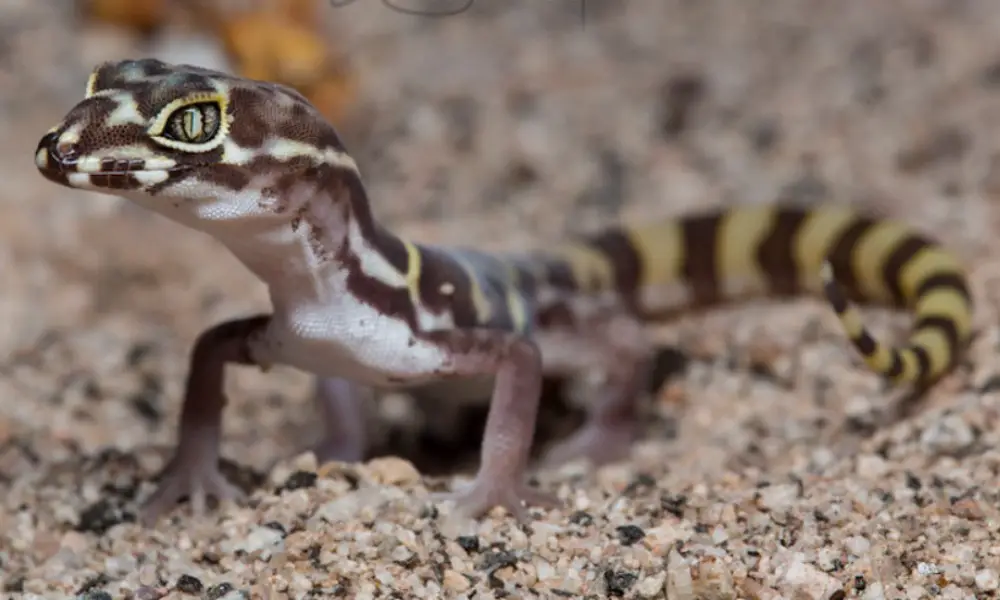
As a good beginner pet gecko, the Central American Banded Gecko stays healthy with consistent care. Recognizing early signs of illness and routine maintenance ensure they live their full lifespan of 10+ years. Here’s what to watch for and how to act.
Common Health Issues
| Issue | Symptoms | Solutions |
|---|---|---|
| Parasites | Weight loss, loose stools | See a reptile vet for deworming |
| Respiratory Infections | Labored breathing, bubbly secretions | Adjust humidity and temperature gradients |
| Metabolic Bone Disease | Weak limbs, bent jaws | Provide calcium supplements and UVB lighting |
| Shedding Problems | Retained skin on eyes or tail | Raise humidity to 60-70% with misting |
Preventive Care and Maintenance
Protect your gecko’s health with these steps:
- Quarantine new geckos for 30 days to prevent disease spread
- Spot-clean the enclosure daily and deep-clean weekly with reptile-safe disinfectants
- Use a digital hygrometer and thermometer to track humidity (60-70%) and basking temps (90-95°F)
- Offer a balanced diet of gut-loaded insects dusted with calcium
Regular vet visits are crucial. Schedule annual exams with a certified herp vet. Their hardy nature makes them a good beginner pet gecko, but proactive care ensures they stay active and vibrant.
Tips for Keeping a Central American Banded Gecko as a Pet
As a good beginner pet gecko, the Central American banded gecko thrives with thoughtful preparation. Follow these steps to ensure your pet stays healthy and stress-free.
Essential Supplies and Equipment
Start with a 10-20 gallon glass terrarium. Add:
- Heating pad (e.g., Zoo Med ReptiTherm)
- Cork hides for security
- Coconut fiber substrate (avoid calcium sand)
- Hygrometer and thermometer (check humidity 60-70%, basking spot 85-90°F)
Budget-friendly options under $100 can work well, but prioritize quality hides and thermometers.
Handling and Interaction Tips
Handling the Central American banded gecko requires patience. Follow these steps:
- Wash hands first to avoid oils or chemicals.
- Pick up gently with two hands, supporting the body.
- Limit sessions to 2-3 minutes, 1-2x weekly.
- Stop if they twitch or wave limbs (a stress signal).
“Slow, calm movements build trust. Never force interaction,” advises reptile vet Dr. Emily Carter.
With consistent care, these geckos become confident. Their calm demeanor makes them a good beginner pet gecko, but always respect their need for quiet retreats. Always monitor humidity and temperature as part of daily checks.
Frequently Asked Questions About the Central American Banded Gecko
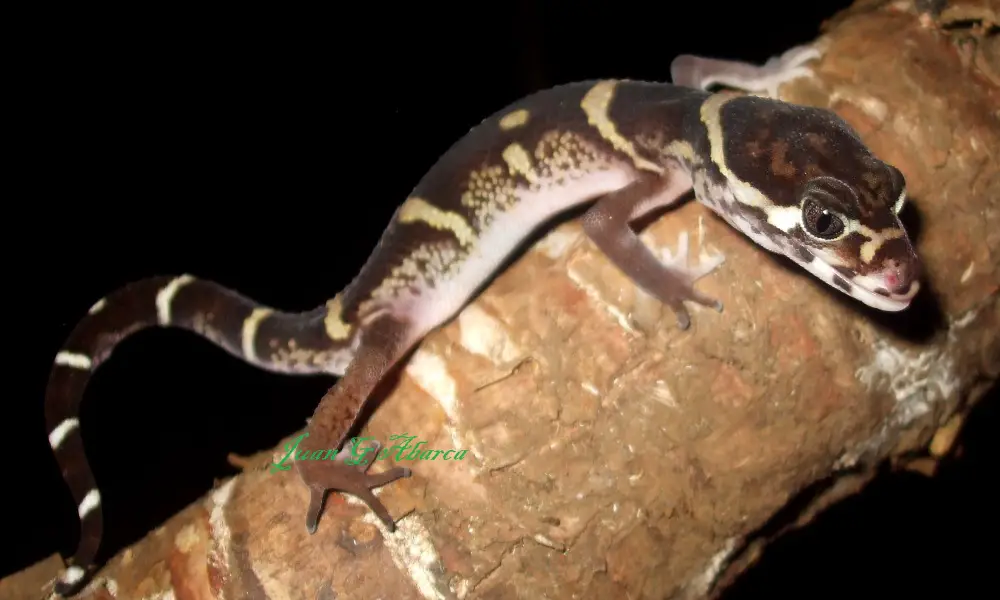
Considering the Central American Banded Gecko as a pet? Here are answers to common questions to help you make informed decisions.
Lifespan Expectations
In captivity, a well-cared-for Central American Banded Gecko can live 8–12 years. Genetics, diet, and habitat conditions play key roles. Stress from overcrowding or poor nutrition can shorten lifespan. Regular vet checkups and clean environments boost longevity.
Compatibility with Other Pets
These geckos are solitary and should not share enclosures. Housing them with other reptiles or pets risks stress or injury. When keeping them in homes with cats or dogs, ensure their enclosure is secure—curious pets may see them as prey.
Other common questions answered:
- Cost of care: Monthly expenses average $20–$30 for food and supplies.
- Legal ownership: Check local regulations; some states require permits. Research laws before purchasing.
- Do they recognize owners? While they may associate you with feeding, they lack strong bonding behaviors compared to mammals.
- Shedding: Juveniles shed weekly; adults every 2–4 weeks. Provide humid hides to aid the process.
- Tail regeneration: Lost tails regrow stubby, but proper handling prevents injury.
As a good beginner pet gecko, their straightforward care needs make them ideal for first-time reptile owners. Addressing these FAQs ensures you’re ready to provide a safe, happy home.
Conservation Status and Considerations
The Central American Banded Gecko (Coleonyx mitratus), native to the tropical forests of southern Mexico and Central America, faces growing challenges in its natural habitat. Protecting this species requires understanding the threats it faces and the steps taken to ensure its survival.
Threats to Their Habitat
Human activities and environmental changes threaten the gecko’s survival. Key dangers include:
| Threat | Impact |
|---|---|
| Deforestation | Reduces shelter and food sources |
| Urban expansion | Fragment habitats and disrupt migration |
| Climate change | Alters rainfall patterns and temperatures |
| Illegal trade | Pet trade pressures wild populations |
Efforts to Protect the Species
Conservationists are taking action to safeguard the Coleonyx mitratus:
- CITES Appendix II regulates international trade to curb illegal collection.
- National parks like Costa Rica’s Corcovado and Mexico’s Sian Ka’an shield critical habitats.
- Breeding programs in zoos and ethical breeders reduce reliance on wild-caught specimens.
Owners can help by choosing captive-bred pets and supporting habitat preservation groups. Every effort, big or small, contributes to securing a future for this unique reptile.
Fun Facts About Central American Banded Geckos
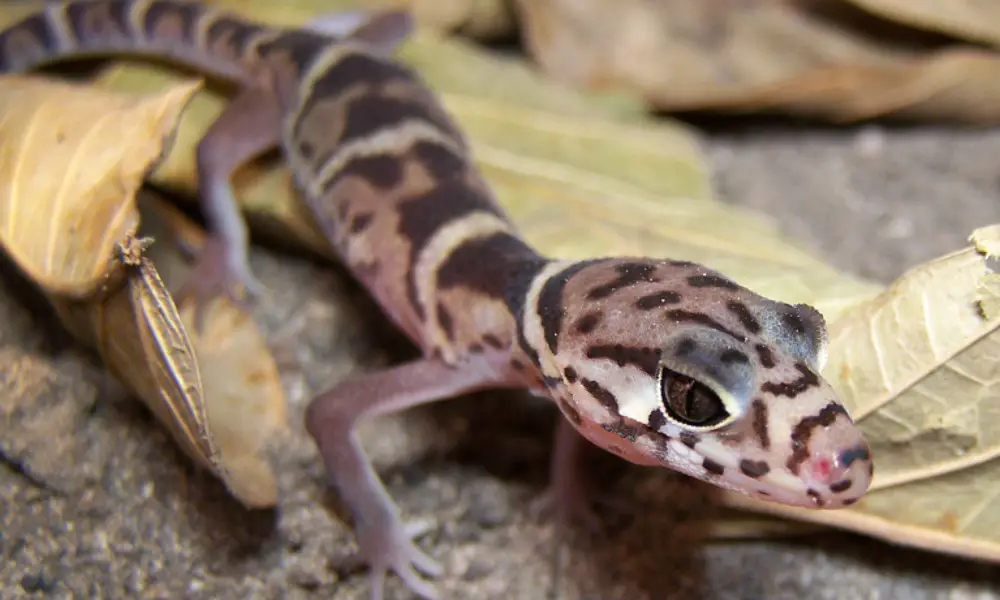
Behind their striking appearance lies a world of intriguing quirks and cultural stories. These small reptiles hide surprising traits that make them both a unique little gecko and a beautiful little gecko in nature and culture.
Unique Behaviors
- Vocal Communicators: Unlike many geckos, they chirp and squeak to signal danger or courtship.
- Tail Talk: Waving their tails to express stress or dominance during territorial disputes.
- Water Wisdom: They lap up morning dewdrops from leaves, avoiding open water sources.
- Quiet Climbers: Navigate tree bark and rocks silently, despite lacking typical gecko toe pads.
Cultural Significance
| Culture | Beliefs/References |
|---|---|
| Mayan | Symbolized resilience in ancient carvings and oral stories. |
| Modern Art | Featured in Guatemalan textiles and eco-tourism posters celebrating biodiversity. |
| Local Folklore | Myths claim their spotted patterns mirror night sky constellations. |
From their quirky habits to their place in history, these beautiful little geckos offer endless fascination. Their unique little gecko traits make them more than pets—they’re living links to cultural heritage and natural wonders.
Conclusion: The Allure of the Central American Bande
Central American Banded Geckos captivate with their striking patterns and compact size, making them a standout choice for reptile enthusiasts. Their tropical origins require specific care, but with the right setup—like proper humidity and hiding spots—they thrive as pets. These geckos are low-maintenance compared to other reptiles, yet their unique behaviors, such as tail-wagging communication, add charm to their appeal.
Understanding their habitat needs and health requirements ensures a long, healthy life. Responsible ownership includes monitoring temperature gradients and providing varied diets, as discussed in earlier sections. Their conservation status reminds owners to support ethical breeding practices and habitat preservation efforts. By choosing a captive-bred specimen, you contribute to protecting wild populations.
Whether admired for their leopard-like appearance or their quiet demeanor, these geckos offer a rewarding pet experience. Their small size makes them ideal for spaces big or small, and their adaptability shines through proper care. As you consider adding one to your home, remember their needs align with their natural instincts—moisture, security, and warmth. Embrace their wild beauty responsibly, and these tiny tropical wonders can bring years of enjoyment while honoring their place in nature.
FAQ
What is the typical lifespan of a Central American Banded Gecko?
In captivity, Central American Banded Geckos typically live between 8 to 12 years with proper care. Factors such as genetics, diet, and habitat quality can influence their longevity.
Are Central American Banded Geckos a good beginner pet?
Yes, the Central American Banded Gecko is considered a good beginner pet gecko due to its relatively straightforward care requirements, calm temperament, and ability to adapt well to captivity.
What is the natural diet of the Central American Banded Gecko?
In the wild, their diet mainly consists of small insects and invertebrates, such as crickets and mealworms. It is essential to replicate this insectivorous diet in captivity.
How should I set up the habitat for a Central American Banded Gecko?
An ideal terrarium setup should include a 10-20 gallon tank, proper substrate, various hides (warm, cool, and humid), temperature gradients, and appropriate humidity levels. The hide is particularly important for the American banded gecko’s comfort and security.
Can I house multiple Central American Banded Geckos together?
While it is possible to house multiple geckos together, it’s essential to monitor their behavior closely to prevent territorial disputes. Ideally, male-female pairs or single-sex groupings can reduce stress and aggression.
How often should I handle my Central American Banded Gecko?
It’s best to engage in handling sessions gradually, starting with a few minutes a few times a week. Pay attention to your gecko’s comfort level and avoid handling during shedding periods.
What are the common health issues for Central American Banded Geckos?
Common health issues may include parasitic infections, respiratory problems, nutritional deficiencies (such as metabolic bone disease), and shedding difficulties. Regular health monitoring is crucial.
How can I ensure my Central American Banded Gecko is getting the right nutrition?
Offer a diverse diet of gut-loaded insects, provide appropriate sizes based on their age, and dust the prey with calcium and vitamin supplements to prevent nutritional deficiencies.
Do Central American Banded Geckos recognize their owners?
While they may not recognize specific individuals, they can become accustomed to their caregivers and may learn to associate them with food and safety, making them more comfortable over time.
What are some interesting behaviors exhibited by Central American Banded Geckos?
These unique little geckos may engage in vocalizations, tail-waving displays, and exhibit interesting drinking behaviors. Their ability to move silently makes them quite fascinating to observe.