Photo credit: Flickr
The African Fat-Tailed Gecko is a fascinating and unique pet that has gained popularity among reptile enthusiasts. With its distinctive appearance and intriguing behaviors, the African Fat-Tailed Gecko is sure to captivate anyone interested in learning more about these amazing animals. The African Fat-Tailed Gecko has become a favorite among gecko enthusiasts due to its remarkable characteristics and adaptability.
For those interested in keeping geckos as pets, the African Fat-Tailed Gecko is an excellent choice. This remarkable creature has gained a loyal following, and its popularity continues to grow. The African Fat-Tailed Gecko is a great option for anyone looking to learn more about these incredible animals and their unique characteristics.
Table of Contents
- Introduction to the African Fat-Tailed Gecko
- African Fat-Tailed Gecko Behavior
- Keeping an African Fat-Tailed Gecko as a Pet–Care Requirements
- Health Considerations
- Breeding African Fat-Tailed Geckos
- Distinguishing Features from Leopard Geckos
- Popularity in the Pet Trade
- Myths and Misconceptions
- Conservation Status and Efforts
- Conclusion: Why Choose an African Fat-Tailed Gecko?
The African Fat-Tailed Gecko is a remarkable pet that offers a unique experience for reptile enthusiasts. By learning more about the African Fat-Tailed Gecko, you can gain a deeper appreciation for these amazing animals and their fascinating characteristics.
Key Takeaways
- The African Fat-Tailed Gecko is a popular pet among reptile enthusiasts.
- It has a distinctive appearance and intriguing behaviors.
- The African Fat-Tailed Gecko is an excellent choice for those interested in keeping geckos as pets.
- It has gained a loyal following, and its popularity continues to grow.
- The African Fat-Tailed Gecko offers a unique experience for reptile enthusiasts.
- Learning more about the African Fat-Tailed Gecko can help you appreciate its fascinating characteristics.
Introduction to the African Fat-Tailed Gecko
African Fat-Tailed Geckos are a popular pet choice due to their unique characteristics and relatively simple care requirements. They are initially from the savannas and grasslands of West Africa, where they inhabit areas with low vegetation and loose soil. This adaptability makes them easy to keep as a pet, even for those with limited space.
One of the key factors that contribute to their popularity as pets is their calm nature. They are relatively small, with a stocky build and a distinctive fat tail, which they use to store fat reserves. These characteristics and their gentle disposition make them an ideal choice for pet owners who want a low-maintenance yet engaging companion.
Overview of Their Habitat
In their natural habitat, African Fat-Tailed Geckos can be found in areas with rocky outcrops, grasslands, and savannas. They are well adapted to living in areas with low humidity and high temperatures, which makes them relatively easy to keep as a pet in a well-ventilated enclosure.
Physical Characteristics
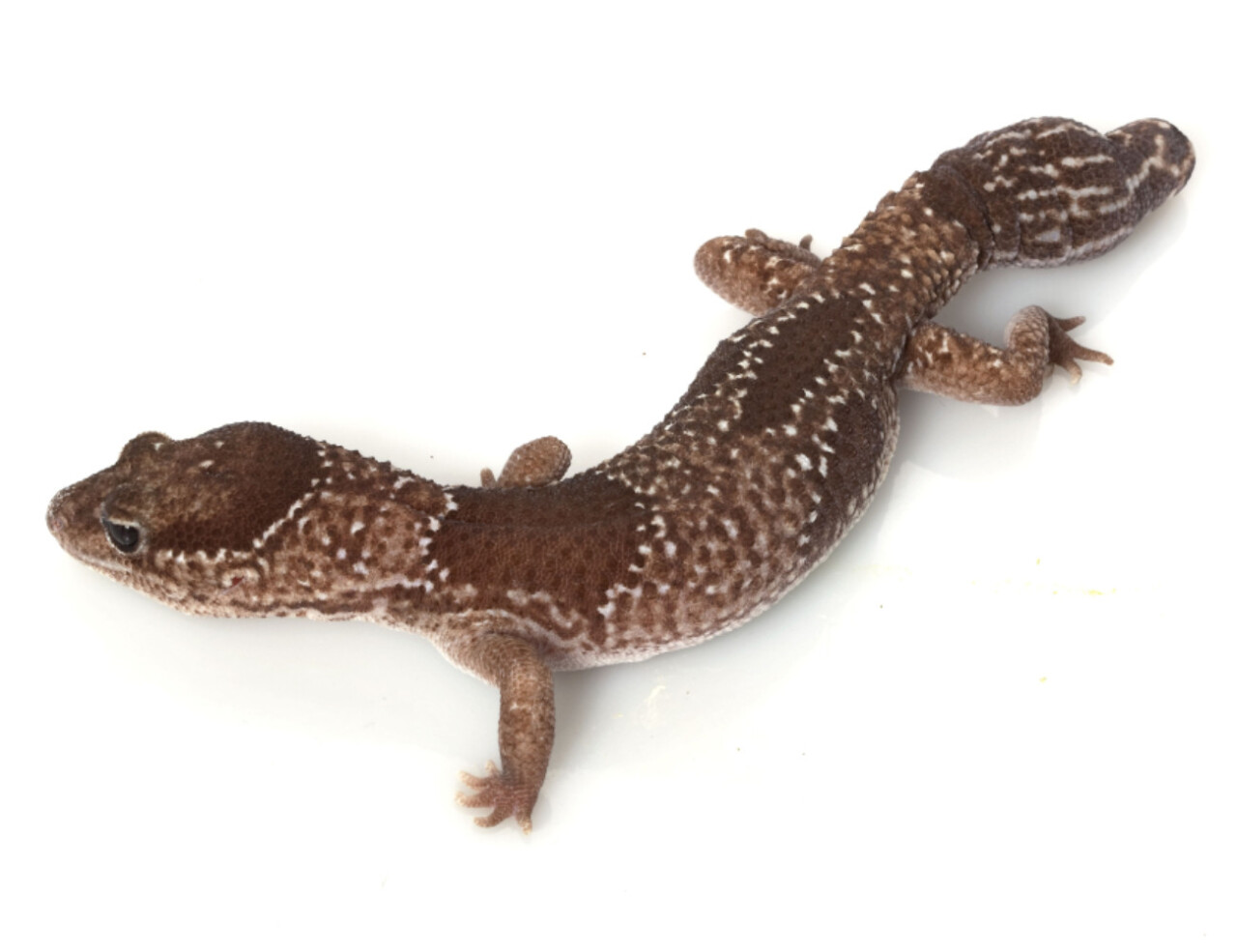
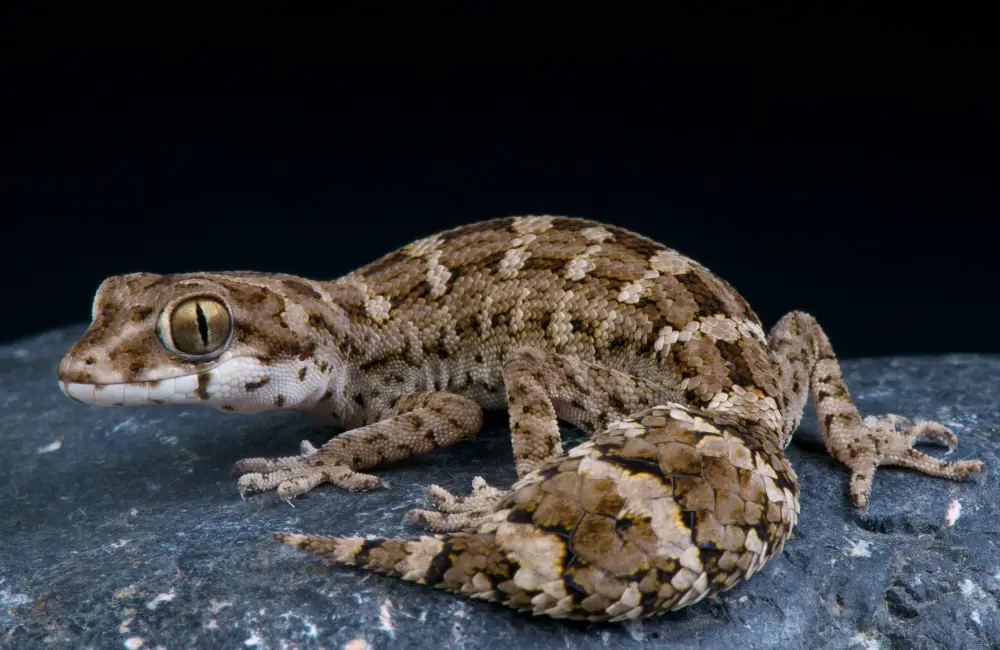
Some of the key physical characteristics of African Fat-Tailed Geckos include:
- Stocky build
- Fat tail used for storing fat reserves
- Small size, making them suitable for small enclosures
- Calm and gentle disposition
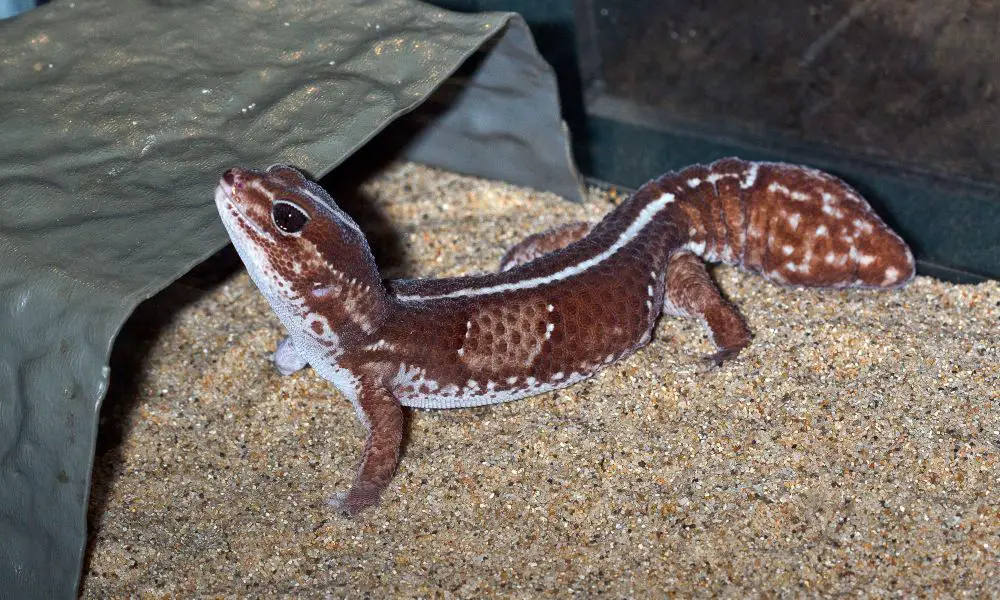
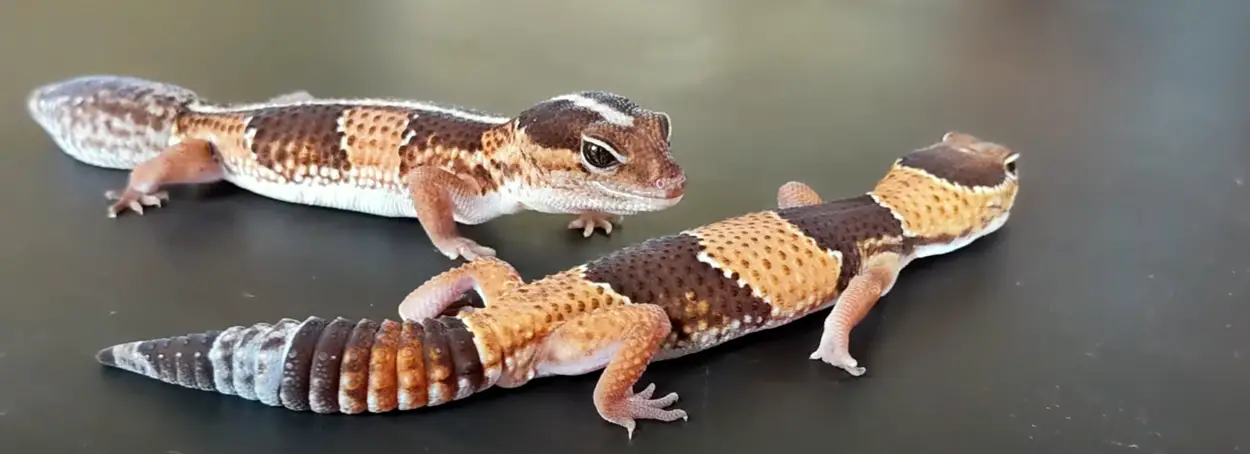
- Coloration is typically banded with or without the dorsal stripe
- Many beautiful morphs exist
- Stockier in build than Leopard Geckos
These characteristics, combined with their relatively simple care requirements, make African Fat-Tailed Geckos a great choice for pet owners who want a unique and engaging companion. Their small size and calm nature also make them easy to keep as a pet, even for those with limited experience in caring for reptiles.
African Fat-Tailed Gecko Behavior
African Fat-Tailed Geckos are known for their unique behavior, which is shaped by their natural habitat and diet. In the wild, they are primarily nocturnal, meaning they are most active at night, but in captivity, they can be active during the day. This adaptability makes them interesting to observe and care for.
Their social interaction is generally limited as they are solitary animals. However, they have a calm temperament, which makes them easy to handle and a great choice for pet owners. When it comes to their activity patterns, African Fat-Tailed Geckos are most active when hunting for food, which consists mainly of insects. A balanced diet is essential for their health and well-being.
Social Interaction and Temperament
African Fat-Tailed Geckos are not typically social creatures and prefer to be alone. They have a calm and gentle nature, making them a great choice for pet owners who are new to caring for geckos. While Fat-Tailed Geckos are high in handleability, they can drop their tails! Yes, even though they use it for fat storage and survivability, they will still drop it if threatened enough!
Also they will bite, and bite fairly hard if threatened. Keep these things in mind and work slowly as you train your gecko to be okay with handling.
Activity Patterns
Their activity patterns are influenced by their instinct to hunt for food at night. In captivity, they can be fed a variety of live insects to ensure they receive a balanced diet. Here are some key points to consider when caring for African Fat-Tailed Geckos:
- Provide a balanced diet that includes a variety of live insects
- Create a suitable environment that mimics their natural habitat
- Handle them gently and carefully to avoid stressing them out
By understanding and catering to the unique behavior and needs of African Fat-Tailed Geckos, pet owners can provide them with a happy and healthy life.
Keeping an African Fat-Tailed Gecko as a Pet–Care Requirements
When considering bringing an African Fat-Tailed Gecko into your home, while you’re picking one of the easier, beginner geckos, it is still essential to be diligent and responsible to know just how to care for these amazing geckos and to know what is required. This includes:
- Providing a suitable enclosure with proper temperature and humidity levels
- Offering a balanced diet that meets their nutritional needs
- Scheduling regular veterinary check-ups to ensure their health and well-being
A Suitable Environment
Creating a suitable environment for African Fat-Tailed Geckos is crucial for their health and well-being. A well-ventilated terrarium is essential, as it allows for the maintenance of a stable temperature range that mimics their natural habitat. The ideal enclosure setup should include a temperature gradient, enabling the geckos to regulate their body temperature effectively.
To ensure the geckos’ comfort and prevent health issues, it is vital to control the humidity levels within the terrarium. A slight drop in temperature at night is also recommended, as this mirrors the geckos’ natural environment.
- Provide a well-ventilated enclosure to maintain air quality and prevent the buildup of bacteria and fungi.
- Establish a temperature gradient, allowing the geckos to regulate their body temperature as needed.
- Control humidity levels to ensure the geckos’ comfort and prevent health issues.
By providing a suitable terrarium environment, you can help ensure the health and well-being of your African Fat-Tailed Geckos. But, of course, next is feeding your gecko!
Diet and Feeding Habits
African Fat-Tailed Geckos are insectivores, which means they primarily feed on insects. Their diet should consist of a variety of live insects to ensure they receive all the necessary nutrients. Providing a balanced diet is crucial for the health and well-being of these geckos.
In the wild, African Fat-Tailed Geckos feed on various insects, including crickets, mealworms, and waxworms. To replicate this in captivity, it’s essential to offer a diverse range of live insects. Here are some common food options for African Fat-Tailed Geckos:
- Crickets: rich in protein and a staple food source
- Mealworms: High in calcium and a good source of fiber
- Waxworms: Rich in fat and a treat for geckos
When feeding African Fat-Tailed Geckos, it’s essential to gut-load the insects with nutrient-rich foods and dust them with calcium and vitamin supplements. This enhances the nutritional value of the insects and ensures the geckos receive a balanced diet.
A well-planned diet is vital for the health and well-being of African Fat-Tailed Geckos. By providing a varied and nutrient-rich diet, you can help your gecko thrive and enjoy a long, healthy life.
By following these guidelines and doing your research, you can help ensure that your African Fat-Tailed Gecko leads a happy and healthy life, and you can enjoy the many rewards of owning one of these unique and fascinating creatures.
Importance of Regular Vet Check-ups
Regular veterinary check-ups can help prevent and detect health issues early on. A veterinarian can provide guidance on diet, habitat, and health care to ensure your African Fat-Tailed Gecko lives a long and healthy life. By being proactive about your gecko’s health, you can help prevent common health issues and ensure your pet thrives.
That covers the basics of what you need to know as you consider keeping an African Fat-Tailed Gecko as a pet! But now, check out one more great video from Clint, from the Clint’s Reptiles YouTube channel. This is a fun in-depth talk about other things to know about this cool gecko. Afterwards, keep reading for further considerations about this gecko: More about the Health Considerations, the Myths and Misconceptions, and the Conservation Status and Efforts considerations.
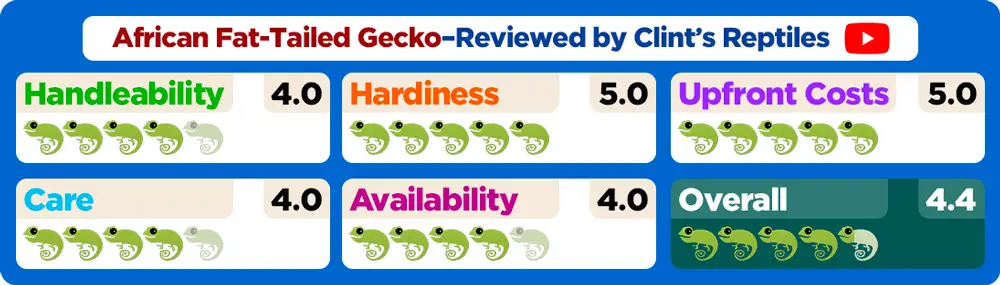
And while this is a spoiler, here’s a summation of what Clint shares in the video above as he evaluates the African Fat-Tailed Gecko from these 5 things to consider about any reptile you’re considering keeping as a pet: handleability, care, hardiness, availability, upfront costs, and then he gives an overall final score. Here are the scores as they appear in the video:
But, wait! Here’s another video to round out your knowledge of all the need-to-knows about keeping an African Fat-Tailed Gecko as a pet!
Health Considerations
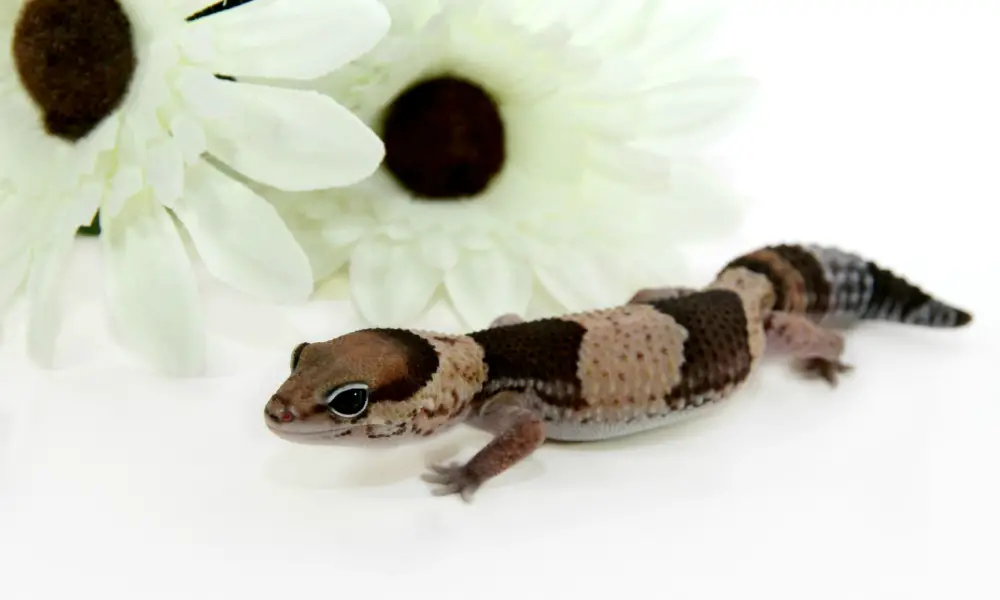
African Fat-Tailed Geckos are generally hardy animals, but like all living creatures, they can be prone to certain health issues. It’s essential to be aware of these potential problems to provide the best care for your pet. While they are not as rare as some other species, their health can be fragile, making preventive care crucial.
Some common health issues in African Fat-Tailed Geckos include metabolic bone disease, respiratory infections, and parasites. Again, regular veterinary check-ups are vital to identify any health issues early on and ensure your gecko receives proper care. It’s rare for these geckos to develop severe health problems if they have a well-balanced diet and receive regular vet check-ups.
Common Health Issues
- Metabolic bone disease: caused by a lack of calcium and vitamin D3
- Respiratory infections: often caused by poor ventilation and high humidity
- Parasites: mites, ticks, and internal parasites
Breeding African Fat-Tailed Geckos
For many enthusiasts, breeding African Fat-Tailed Geckos is a fascinating experience that offers a whole new dimension to having an exotic gecko as a pet. The process involves carefully introducing a male and female gecko in a controlled environment, allowing them to mate and lay eggs. This not only provides an opportunity to learn about the geckos’ life cycle but also contributes to the conservation of the species.
When breeding African Fat-Tailed Geckos, it’s essential to understand the mating process and the specific conditions required for egg incubation. Here are some key points to consider:
- Introduce the male and female geckos in a controlled environment, ensuring a suitable temperature range and humidity level.
- Provide a nesting site for the female gecko to lay her eggs, such as a shallow dish filled with a moist substrate.
- Incubate the eggs at a consistent temperature, typically between 28-30°C, and maintain a humidity level of 50-60%.
By following these guidelines and understanding the unique characteristics of African Fat-Tailed Geckos, breeders can enjoy a rewarding experience and even gain valuable insights into the species’ biology. With proper care and attention, breeding these geckos can be a fun and educational experience
Distinguishing Features from Leopard Geckos
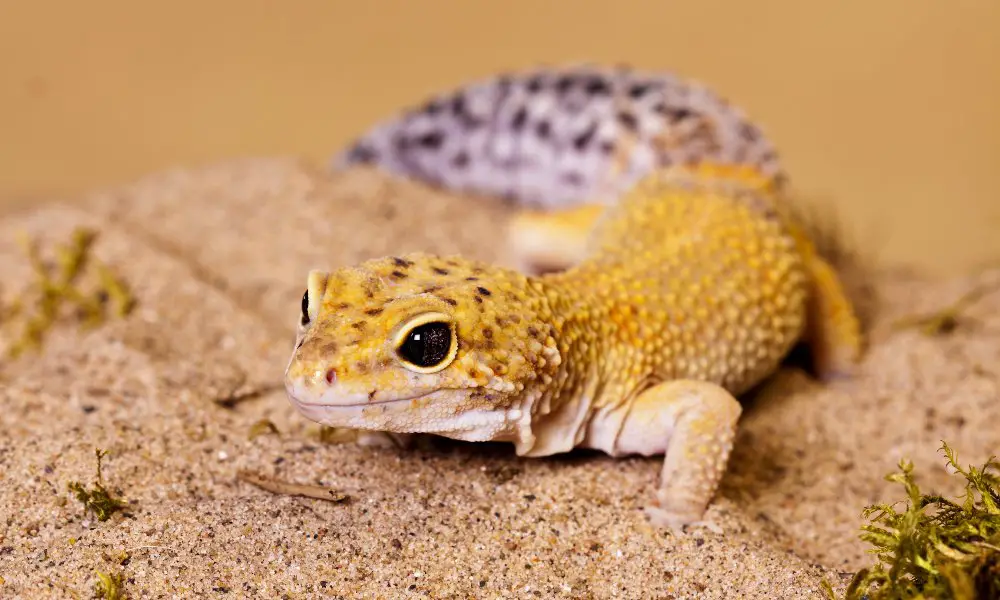
African Fat-Tailed Geckos have several distinct characteristics that set them apart from their Leopard Gecko counterparts. One of the primary differences is their size, with African Fat-Tailed Geckos generally being larger. They are also found in different parts of the world, with African Fat-Tailed Geckos native to West Africa. Understanding these geographical differences is essential for pet owners to provide the correct care tailored to the specific needs of their gecko.
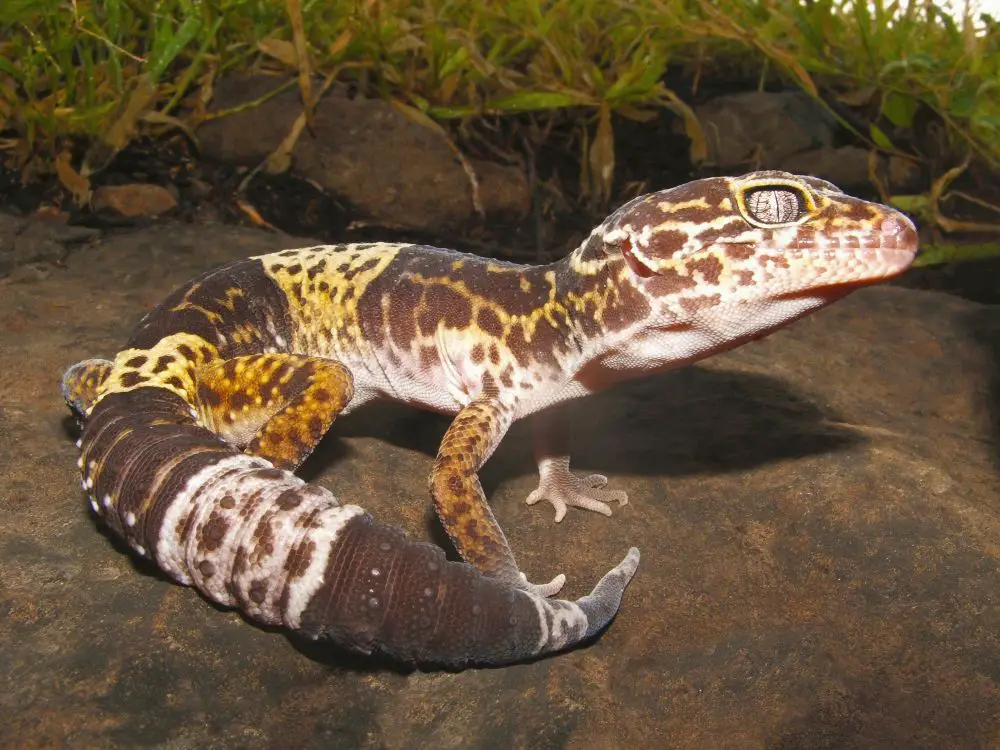
In terms of color patterns, African Fat-Tailed Geckos exhibit a range of colors, including brown, gray, and white. Their tail characteristics are also unique, with a distinctive fat-tailed appearance. The following are some key distinguishing features of African Fat-Tailed Geckos compared to Leopard Geckos:
- Size: African Fat-Tailed Geckos are generally larger than Leopard Geckos
- Color patterns: African Fat-Tailed Geckos have a range of colors, including brown, gray, and white
- Tail characteristics: African Fat-Tailed Geckos have a distinctive fat-tailed appearance
- Geographical location: African Fat-Tailed Geckos are found in West Africa, while Leopard Geckos are found in Asia
These differences highlight the importance of researching and understanding the specific needs of each species, particularly for pet owners. By recognizing these distinguishing features, owners can provide the best possible care for their geckos, regardless of where they are found in the world.
Popularity in the Pet Trade
African Fat-Tailed Geckos have gained significant popularity in the pet trade due to their unique characteristics and how easy they are to keep as pets. One of the primary reasons for their appeal is their calm nature, which makes them a great choice for beginners and experienced pet owners alike. Their relatively small size and gentle demeanor also contribute to their popularity, as they are easy to handle and care for.
The African Fat-Tailed Gecko’s unique appearance features a distinctive fat tail and a variety of color patterns. These characteristics, combined with their relatively low maintenance care, make them an attractive choice for many pet owners. To ensure the welfare of these animals, it is essential to provide proper care, a suitable environment, and regular veterinary check-ups, which is a key aspect of responsible ownership.
Myths and Misconceptions
African Fat-Tailed Geckos are often surrounded by myths and misconceptions, which can be misleading for potential owners. One common myth is that they are rare in the pet trade, making them difficult to find. However, this is not entirely true. While they may not be as widely available as some other pet geckos, they can still be found through reputable breeders and pet stores. And as Clint shares in the video above, their hardiness makes acquiring them via mail order a fine way to get them!
Another misconception is that their diet is complex and difficult to manage. In reality, African Fat-Tailed Geckos are insectivores and can thrive on a balanced and varied diet of live insects. This includes crickets, mealworms, and waxworms, which are readily available at most pet stores. By providing a nutritious diet, owners can help their geckos lead happy and healthy lives.
It’s essential to separate fact from fiction and understand the true needs and characteristics of African Fat-Tailed Geckos. By doing so, owners can provide the best possible care and create a happy and healthy environment for their pets.
Conservation Status and Efforts
African Fat-Tailed Geckos are found in the wild in West Africa, where they face threats such as habitat loss and degradation. Understanding where these geckos are found in the world is crucial for developing effective conservation strategies. The conservation status of African Fat-Tailed Geckos is a growing concern, with their populations declining due to human activities.
Some of the key threats to their survival include:
- Habitat loss and fragmentation
- Deforestation and land degradation
- Climate change
Several organizations are working to preserve the natural habitats of African Fat-Tailed Geckos and to educate the public about the importance of conservation. These efforts include:
Focused Priorities of Involved Organizations
The International Union for Conservation of Nature (IUCN) and the World Wildlife Fund (WWF) are two prominent organizations working to protect African Fat-Tailed Geckos and their habitats. These organizations are involved in various conservation efforts, including habitat restoration, research, and education programs.
Conservation Challenges
Despite the efforts of these organizations, there are still many challenges to overcome. The lack of awareness about the importance of conservation and the limited resources available for conservation efforts are some of the major challenges. However, by working together and supporting conservation efforts, we can make a difference and help protect African Fat-Tailed Geckos and their habitats.
| Organization | Conservation Efforts |
|---|---|
| IUCN | Habitat restoration, research, and education programs |
| WWF | Conservation of natural habitats, research, and community engagement |
Conclusion: Why Choose an African Fat-Tailed Gecko?
As we’ve explored the fascinating world of the African Fat-Tailed Gecko, it’s clear why these unique reptiles make such captivating pets. Their chunky, compact build, calm demeanor, and array of interesting things about their biology and behavior set them apart from other gecko species. By providing the proper care and environment, owners can build a rewarding bond with these engaging companions.
From their adaptability to a variety of habitats to their ability to thrive in captivity, African Fat-Tailed Geckos are well-suited for enthusiasts seeking a low-maintenance yet intriguing reptile pet. With the right knowledge and diligence, these geckos can live long, healthy lives, bringing joy and enrichment to their owners’ homes.
Whether you’re a seasoned reptile enthusiast or a first-time gecko owner, the African Fat-Tailed Gecko is undoubtedly a species worth considering. With their captivating appearance, engaging behaviors, and manageable care requirements, these geckos offer a unique and rewarding pet experience. As you embark on your journey with an African Fat-Tailed Gecko, prepare to be delighted by its charm and enchanted by its fascinating nature.
FAQ
How easy are African Fat-Tailed Geckos to keep as pets?
African Fat-Tailed Geckos are generally considered relatively easy to keep as pets, even for those with limited experience. They have a calm temperament, simple care requirements, and do well in captivity when provided with the proper environment.
What is the diet of an African Fat-Tailed Gecko?
African Fat-Tailed Geckos are insectivores, meaning their diet consists primarily of live insects. Common food options include crickets, mealworms, and waxworms, which should be gut-loaded and dusted with calcium and vitamin supplements to ensure the geckos receive a balanced and nutritious diet.
What kind of terrarium do African Fat-Tailed Geckos need?
African Fat-Tailed Geckos require a well-ventilated terrarium that mimics their natural habitat. The enclosure should maintain a temperature range with a slight drop at night, and the humidity levels should be carefully controlled to ensure the geckos’ comfort and health.
Where are African Fat-Tailed Geckos found in the world?
African Fat-Tailed Geckos are native to the savannas and grasslands of West Africa, particularly in countries such as Senegal, Gambia, and Guinea-Bissau.
How rare are African Fat-Tailed Geckos?
While African Fat-Tailed Geckos are not as common as some other pet gecko species, they are not considered extremely rare. They have a stable population in their native range and are regularly bred in captivity, making them a relatively accessible choice for reptile enthusiasts.
What are some fun facts about African Fat-Tailed Geckos?
African Fat-Tailed Geckos are known for their distinctive appearance, with their stocky build and fat tails, which they use to store fat reserves. They are also primarily nocturnal, meaning they are most active at night, but can sometimes be active during the day in captivity.