


The Desert Gecko That Rattles Its Tail Like a Snake!
Ever been strolling through the desert at dusk, flashlight in hand, when a sudden rattling sound stopped you? If you looked down to see a slender, banded lizard arching its tail and shaking it with purpose, you’ve met the Western Banded Gecko—a fascinating desert dweller with some clever survival tricks.
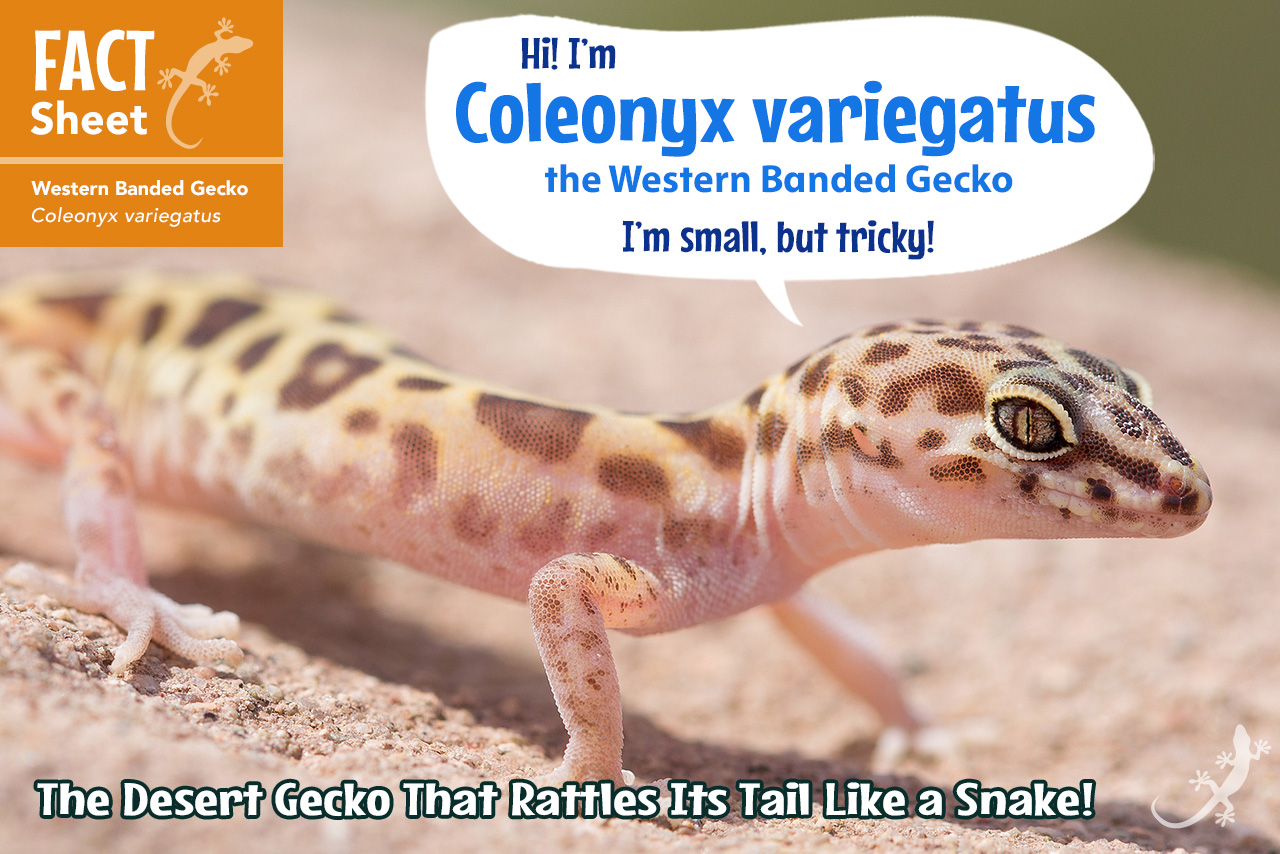
Whether you’re a herper, a gecko enthusiast, or just curious about reptilian adaptations, this species is sure to captivate. Let’s take a closer look at the secretive life of the Western Banded Gecko, where survival means mimicry, nighttime hunts, and some surprisingly adorable squeaks.








Table of Contents
- A Master of Disguise in the Wild West
- Taxonomy: Where the Western Banded Gecko Fits
- Desert Dwellings & Wide Open Ranges
- Small but Striking – The Gecko’s Physical Charm
- Nightlife & Ecology – What’s a Gecko To Do?
- Life Cycle & Reproduction
- Keeping Western Banded Geckos – A Pet Owner’s Perspective
- Conservation Status & Human Impact
- Fun Fact Corner!
- Why the Western Banded Gecko Deserves a Closer Look
A Master of Disguise in the Wild West
These small, nocturnal geckos are experts at staying hidden in the deserts of the southwestern U.S. and northern Mexico. Often overshadowed by flashier reptiles, the Western Banded Gecko stands out with its unique adaptations and fascinating evolutionary story.
Rattlesnake Mimicry in Action
When threatened, this little gecko doesn’t just hide—it performs a spot-on rattlesnake impression. Vibrating its tail at high speed, it produces a convincing rattling sound to scare off predators like birds and snakes. If all else fails, it can even shed its tail (autonomy) to escape, though regrowing it is a costly energy investment.
Taxonomy: Where the Western Banded Gecko Fits
If you love taxonomy as much as a good reptile rescue story, here’s the official breakdown for Coleonyx variegatus:
- Kingdom: Animalia
- Phylum: Chordata
- Class: Reptilia
- Order: Squamata
- Family: Eublepharidae
- Genus: Coleonyx
- Species: Coleonyx variegatus
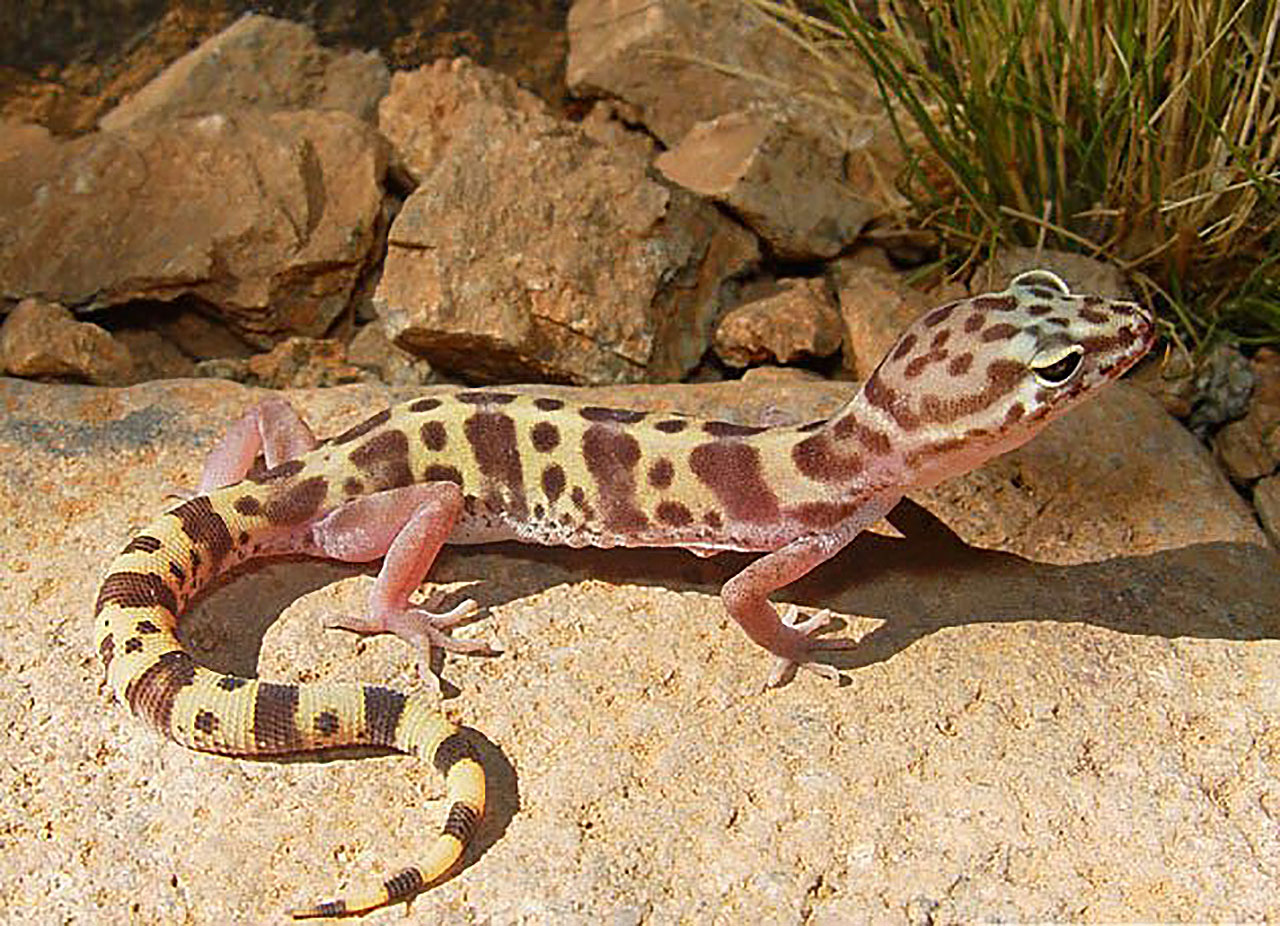
What’s especially cool? The Western Banded Gecko is part of the “eyelid gecko” family, side-by-side with favorites like Leopard Geckos and African Fat-Tailed Geckos. Unlike most geckos, members of this group have movable eyelids. When I first learned that many geckos don’t have eyelids, like the Crested Gecko for example, I thought it quite fascinating. But, really, I feel like the ones with eyelids are cuter!
Desert Dwellings & Wide Open Ranges
Where Does the Western Banded Gecko Call Home? If your map covers California, Arizona, Nevada, New Mexico, Texas, or the northern fringes of Mexico, you’re in prime Western Banded Gecko territory. These geckos are at home in a medley of arid environments:
- Sandy or rocky deserts
- Scrublands dotted with sagebrush
- Rocky hillsides and canyons
- Dry grasslands
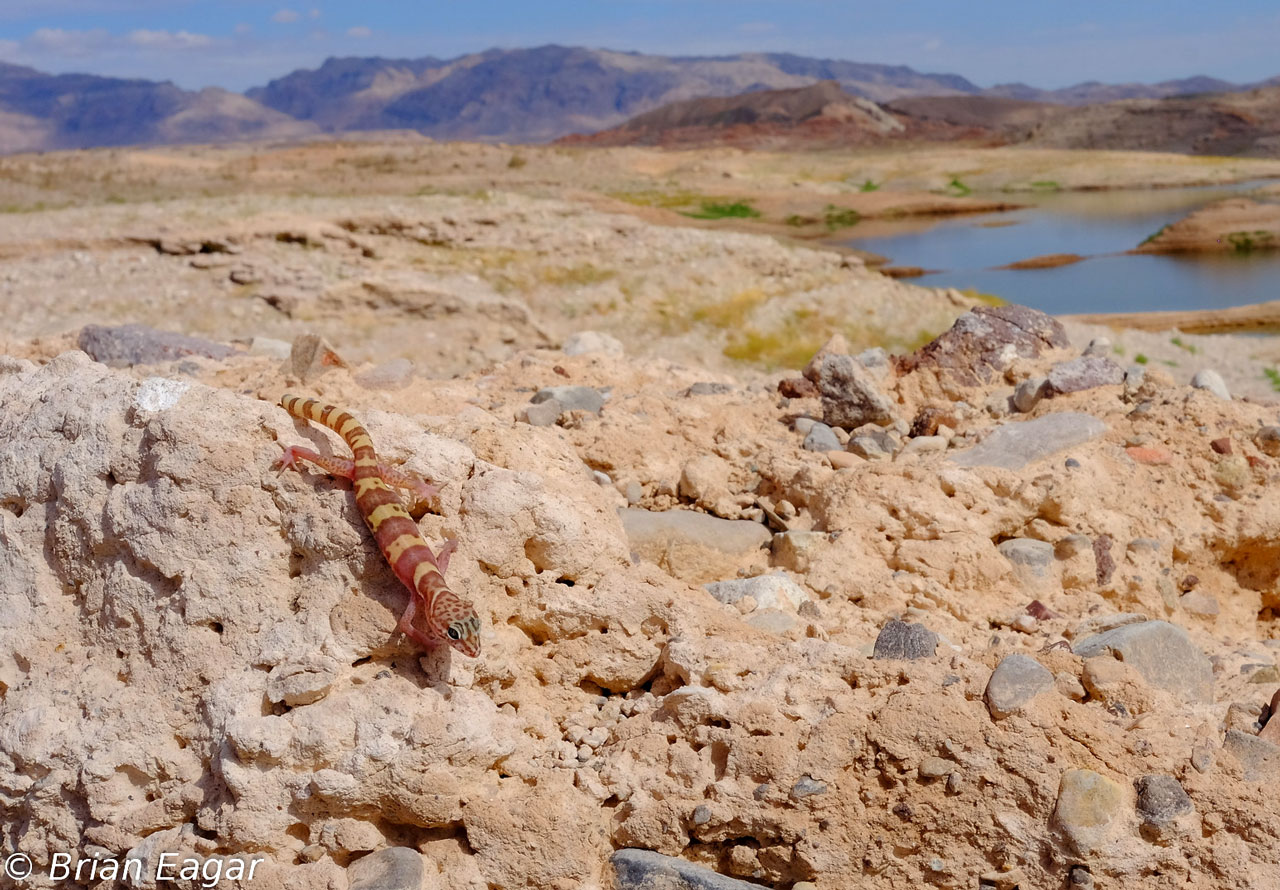
During the relentless desert sun, they hide under rocks, logs, or any sort of debris, coming alive at night to take on their next insect hunt. Looking for one on a summer evening is a rite of passage for any Southwestern herper! Just flip a few rocks at dusk (with care, of course), and if you spot a slinky, pink-banded shape, you’ve hit the jackpot.
Small but Striking – The Gecko’s Physical Charm
First impressions? Don’t expect a stocky, sticky-toed tree-climber. The Western Banded Gecko is all about understated elegance:
- Size: Reaches a petite 4–6 inches total, tail and all.
- Color: Sports pale pink or yellowish tones decorated with brown or purple bands and spots (I always think of them as wearing a dapper desert camo).
- Eyes: Large, dark, with vertical pupils, perfectly designed for nocturnal living.
- Toes: Unlike their sticky-toed cousins, these geckos lack adhesive pads. True ground-dwellers, their toes keep them nimble on loose sand and rocks.
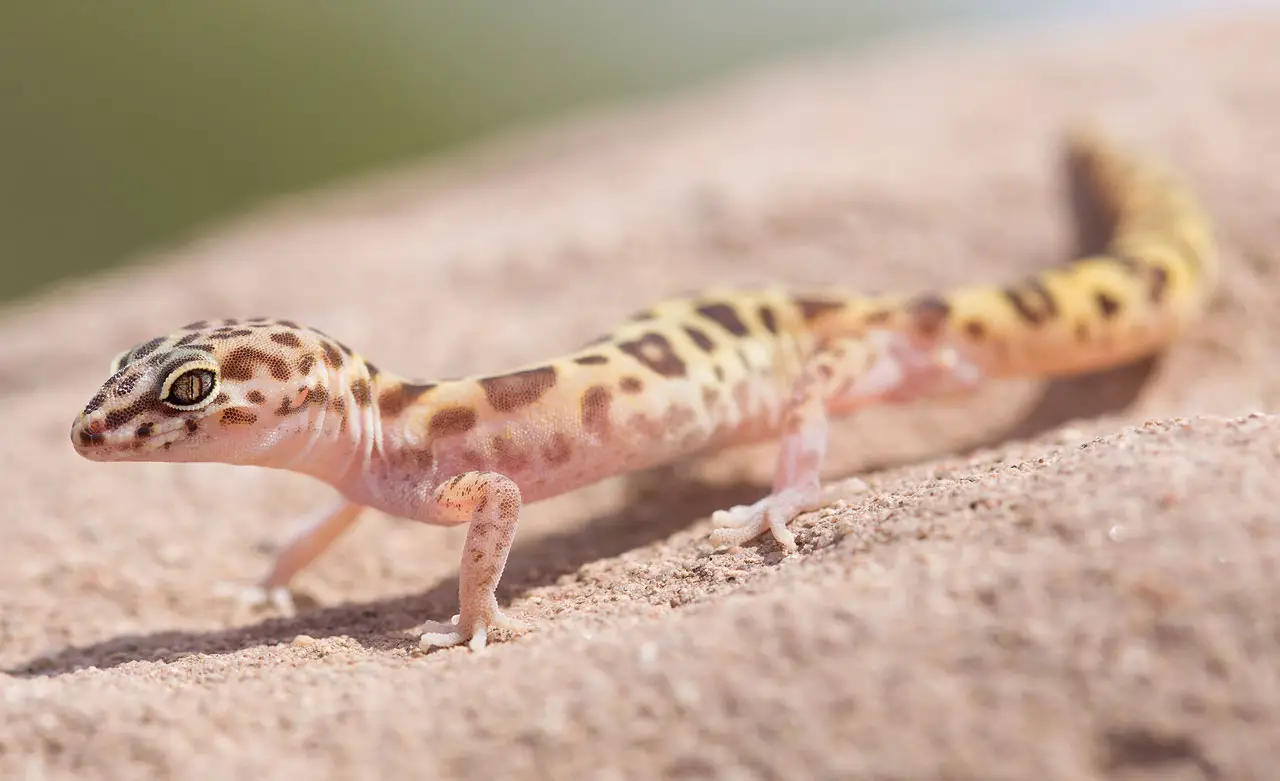
Every time I handle one (gently, of course), I’m amazed at how soft and fragile they feel. As a kid, I kept a lot of these and always felt like they were basically like a living desert jewel.
Nightlife & Ecology – What’s a Gecko To Do?
Hunting After Hours! Western Banded Geckos are the definition of “elusive night-shift workers.” They emerge under cover of darkness to indulge in their favorite activity: bug hunting. Their diet includes:
- Crickets
- Beetles
- Moths
- Spiders
- Even young scorpions! (Talk about bravery!)
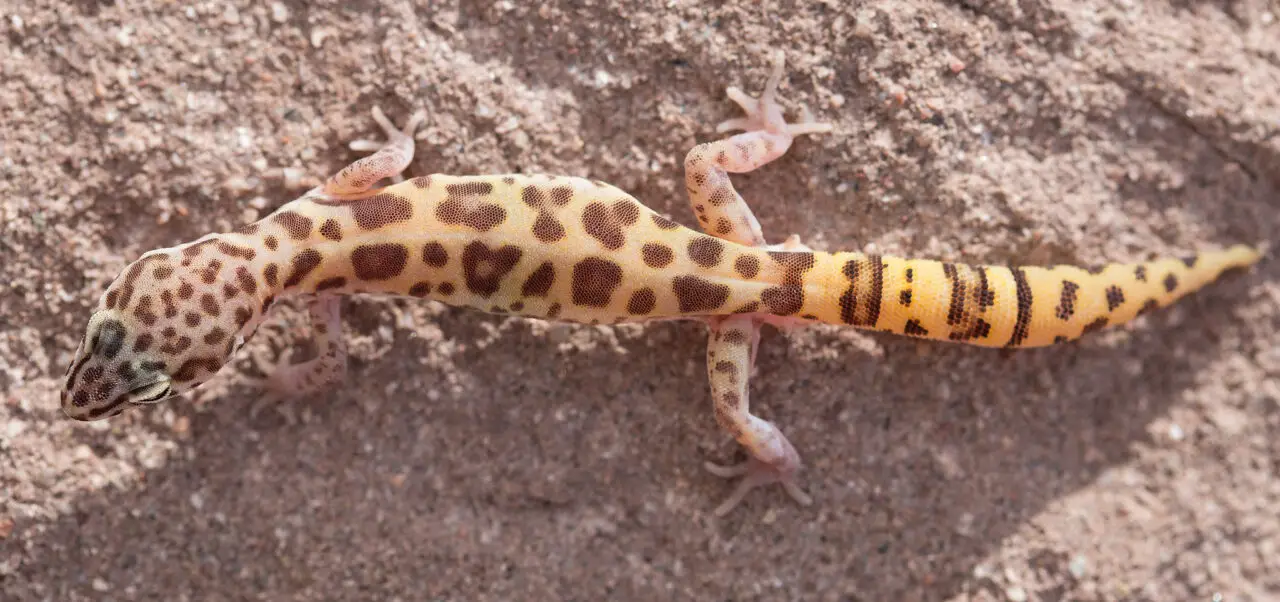
Stealth is the name of the game. They use slow, calculated movement, pausing like tiny statues before launching into a swift lunge when prey appears. While best known for their defensive tail shimmies, these geckos also wiggle their tails in courtship displays or signals of agitation. There’s a whole secret language there if you’re observant enough to catch it.
And yes, if you’re wondering, they almost never reveal themselves during the scorching day. Catching even a brief glimpse is a herpetology student’s dream on a night hike.
Life Cycle & Reproduction
Spring and early summer signal romance season for the Western Banded Gecko. After a cozy winter brumation (a reptilian version of hibernation), things kick off:
- Breeding: Occurs as temperatures rise.
- Egg Laying: Females select moist spots in the soil or protected cover to deposit 1–2 soft, leathery eggs per clutch.
- Incubation: Eggs develop for 45–60 days, with temperature speeding up or slowing down the timeline.
- Hatchlings: Babies emerge as miniature adults, ready to hunt and hide immediately.
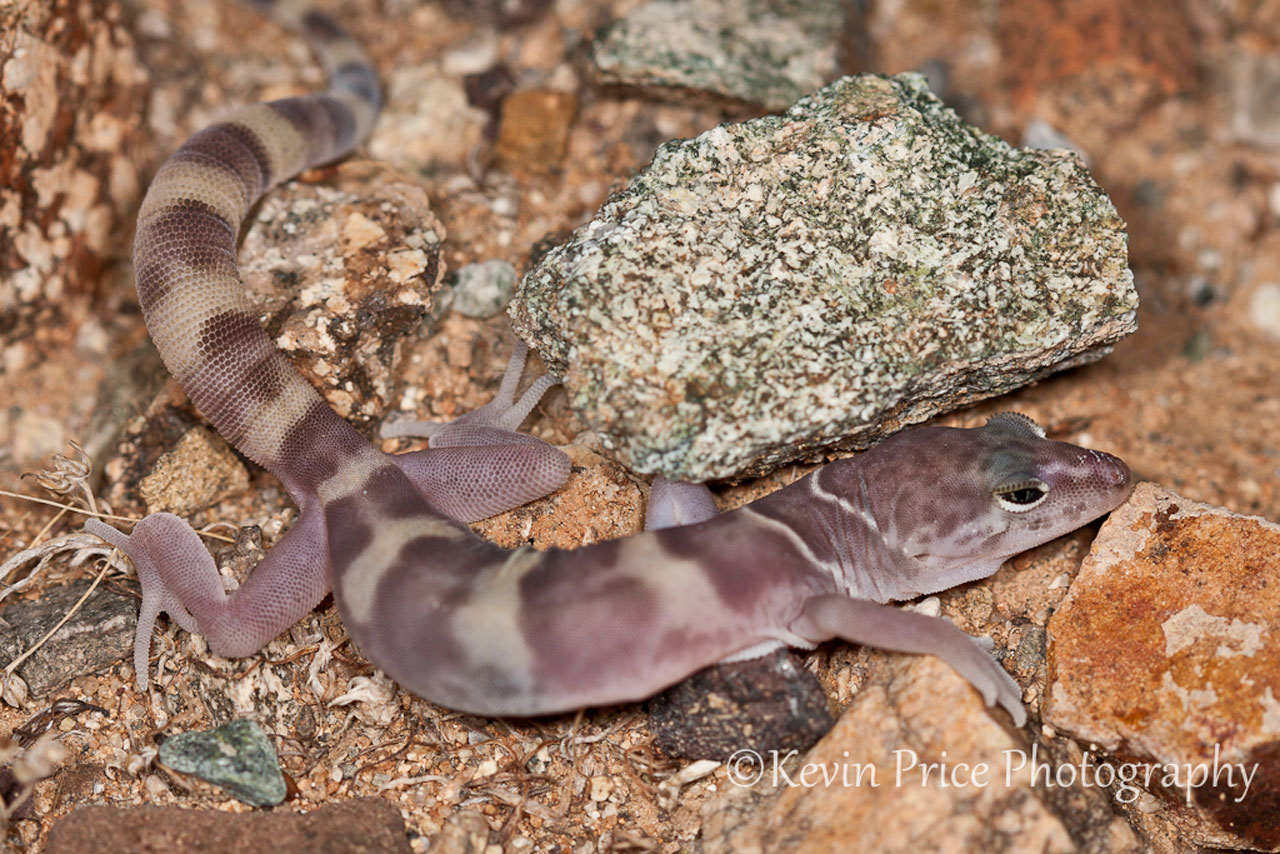
It’s incredible seeing the next generation scurrying around, entirely self-sufficient from the first breath. If you’re lucky enough to witness a hatchling in the wild, it’s a special reminder of the cyclical magic at play in desert ecosystems.
Keeping Western Banded Geckos – A Pet Owner’s Perspective
While not common in the pet trade, the Western Banded Gecko occasionally pops up among dedicated enthusiasts. If you’re considering keeping one, here are some words of wisdom (and caution!) from experience:
- Habitat: Mimic their wild desert home with dry, sandy substrate, several hiding spots, and humidity kept low.
- Size & Temperament: These are tiny animals! Handle only when necessary, as they’re easily stressed and extremely delicate.
- Diet: Stick to feeding insects similar to their wild diet for best health.
- Lifespan: With attentive care, they can live 6–10 years, but do best when admired rather than handled daily.
Watching one hunt in a terrarium, with its tail twitching in anticipation, is a joy for any reptile lover. Just remember, their well-being depends on recreating that arid habitat as closely as possible! For more info about how to set up your gecko’s environment successfully, check out the video below:
Conservation Status & Human Impact
Good news for desert wildlife fans! The Western Banded Gecko currently enjoys a stable population across its range. These little survivors have even benefited in places where humans leave artificial cover, like boards or old roofing materials, which become perfect daytime shelters.
However, local threats remain, including:
- Habitat loss due to urban or agricultural development
- Pesticide use can reduce insect populations or poison geckos
- Road mortality in expanding human settlements
While not endangered or specifically protected, these geckos remind us how human choices echo across even the tiniest corners of the desert.
Fun Fact Corner!
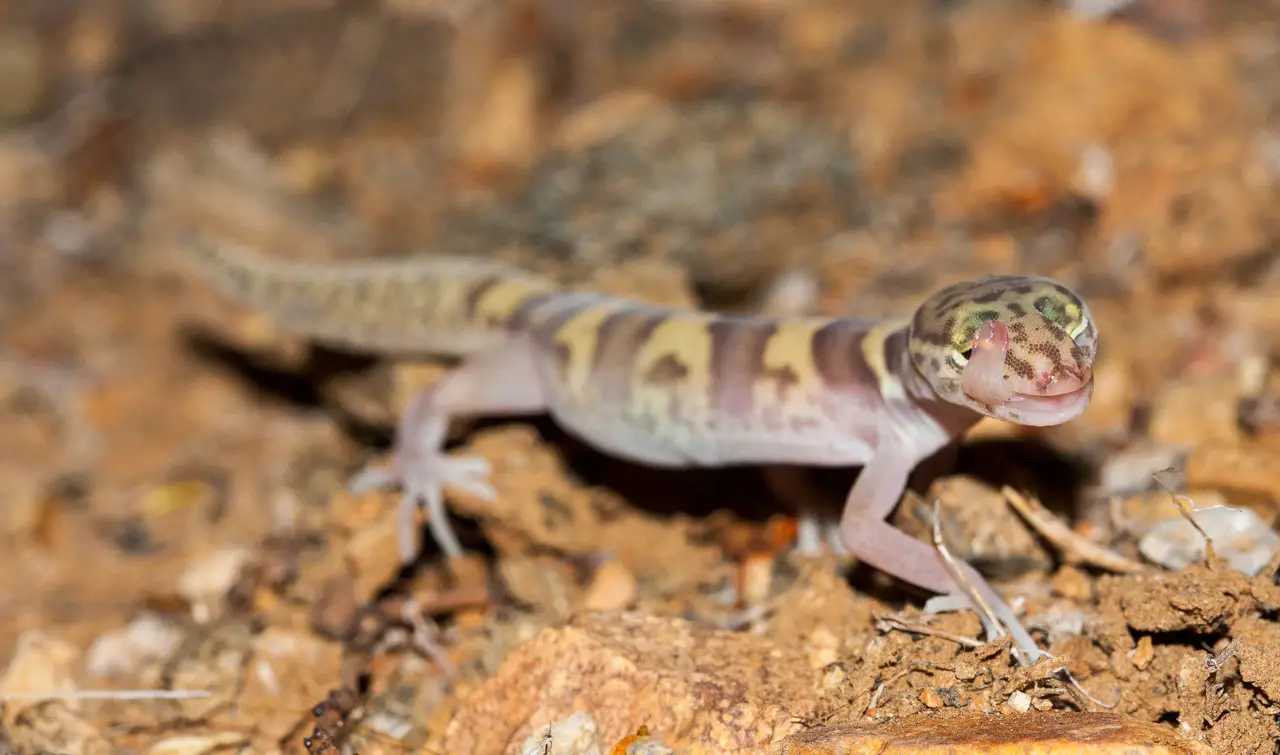
Who doesn’t love interesting curiosities that not everyone knows? A few of my favorites:
- One of the only North American geckos with eyelids
- A fearless predator of baby scorpions (now that’s gutsy for a gecko, especially as tiny as they are)
- Can make tiny squeaking sounds when threatened or agitated, a behavior you’ll rarely hear, but never forget
Lucky herpers and pet owners might even witness these vocalizations during late-night enclosure checks! But, some can’t keep them in their room since their sleep gets interrupted!
Why the Western Banded Gecko Deserves a Closer Look
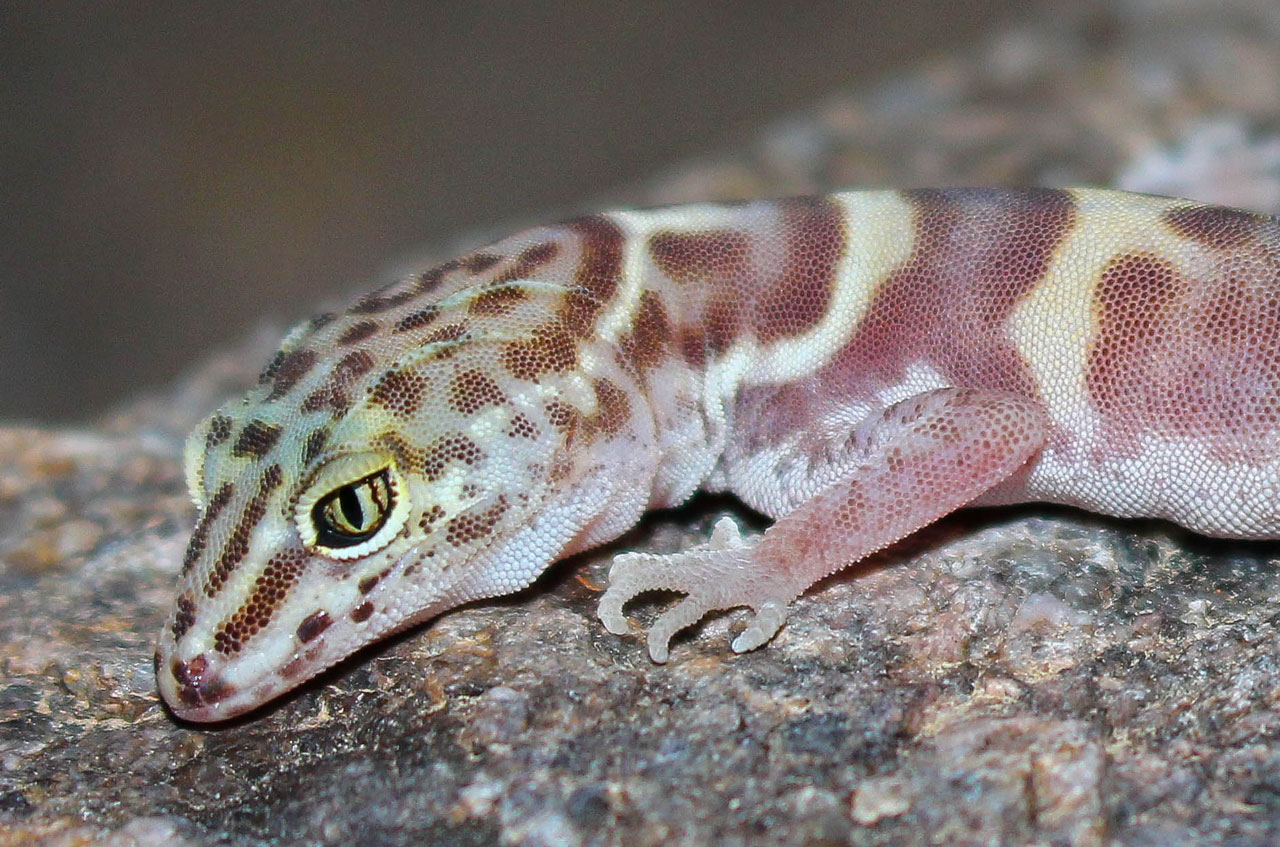
From desert mimicry legends to stealthy midnight hunts, the Western Banded Gecko is a pint-sized marvel of adaptation. Its ability to outfox predators with a rattling tail, hunt everything from spiders to baby scorpions, and thrive under the harshest conditions makes it a standout species among North America’s reptiles.
The next time you’re out in the desert at dusk, keep your eyes peeled for a slender, banded flash darting across the sand. Whether you observe one in the wild, research them as a student, or have the privilege of caring for one at home, the Western Banded Gecko is a testament to the wonders of reptilian evolution. What other secrets are these clever geckos hiding? Only time (and a careful observer) will tell.