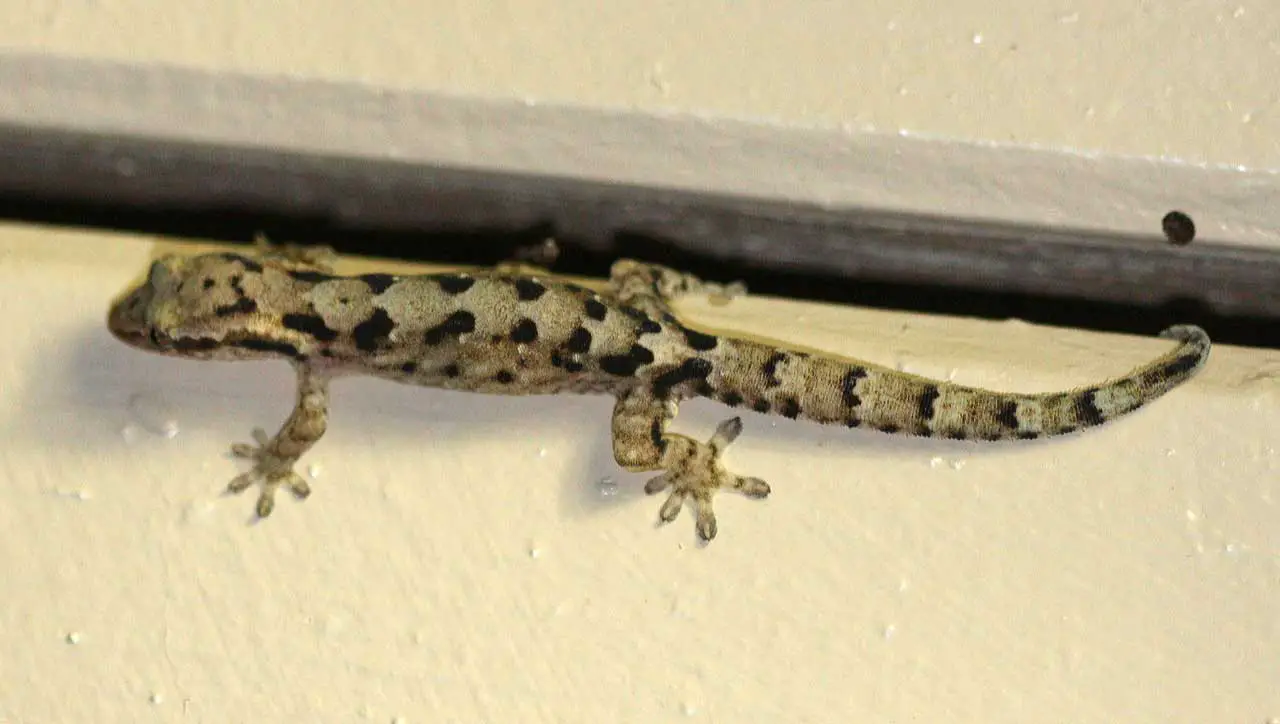


This small gecko, found in tropical climates across the globe, has a superpower that sets it apart from most reptiles. It doesn’t need males for reproduction! Mourning Geckos are one of the rare vertebrates that reproduce through cloning! It’s intriguing and maybe a little boring, they’re all the same!
The Marvelous Mourning Gecko: A Self-Cloning Reptile!
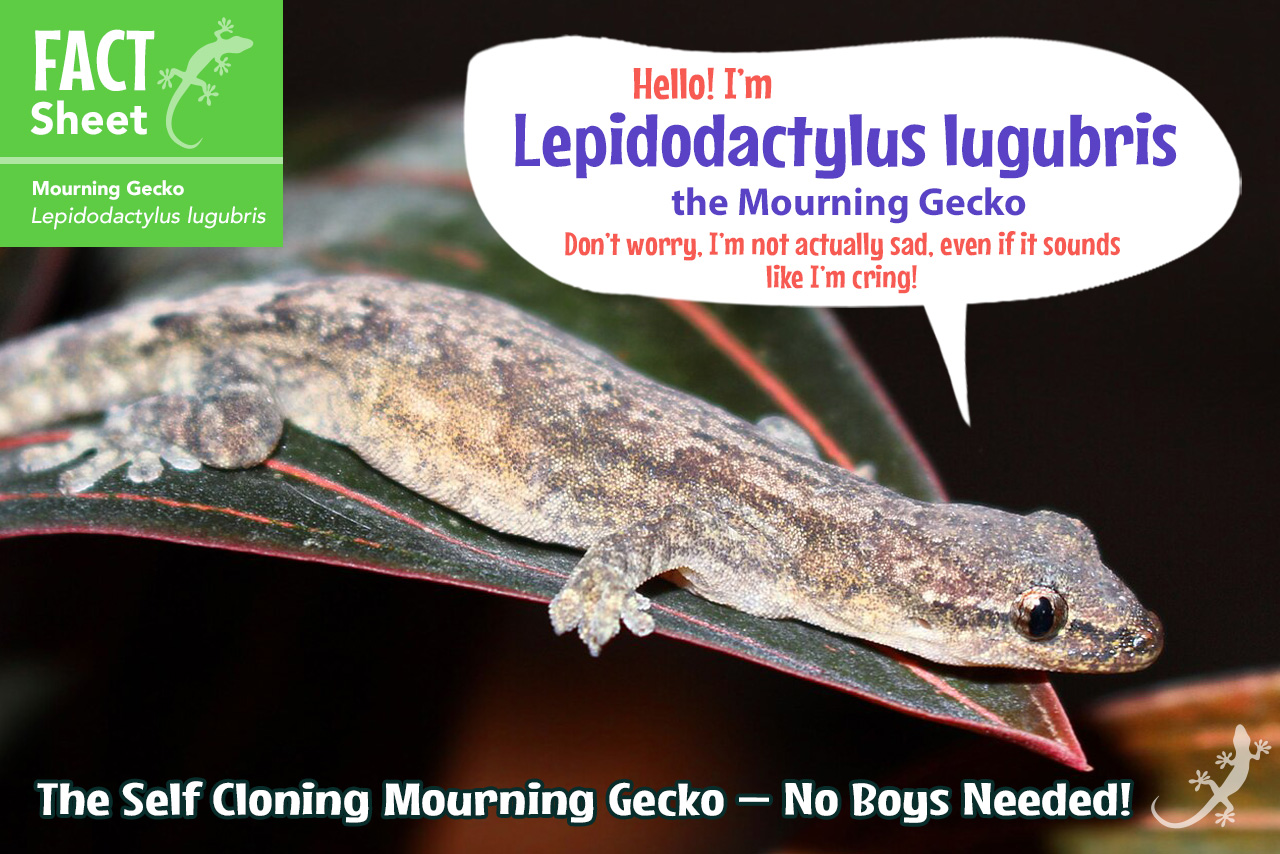







Table of Contents
- The Self-Cloning Gecko That Defies the Rules
- Taxonomy & Classification
- Where Do Mourning Geckos Live?
- Physical Traits That Charm
- Ecology & Behavior
- The Mourning Gecko’s Unique Reproduction
- Mourning Geckos as Amazing Pets
- Why Conservationists Love Mourning Geckos
- A Few Mourning Gecko Fun Facts
- Small Gecko, Big Impact
The Self-Cloning Gecko That Defies the Rules
What makes Mourning Geckos so extraordinary? Their ability to reproduce without males! Mourning Geckos are parthenogenetic, which means females can clone themselves to produce genetic replicas. Every offspring is an exact copy of its mother. It’s bizarre, but one single gecko could colonize a whole new forest, etc., all by itself!
Taxonomy & Classification
- Kingdom: Animalia
- Phylum: Chordata
- Class: Reptilia
- Order: Squamata
- Family: Gekkonidae
- Genus: Lepidodactylus
- Species: Lepidodactylus lugubris
Commonly referred to as Mourning Geckos or Weeping Geckos, these little reptiles are admired for embodying nature’s quirky marvels. They make a chirp that sounds a little like a cry, hence, the Mourning Gecko, or Weeping Gecko.
Where Do Mourning Geckos Live?
Mourning Geckos are true jet-setters of the reptile kingdom. Originally hailing from Southeast Asia and the Indo-Pacific, they’ve spread far and wide, now thriving in tropical and subtropical regions all over the globe.
You’ll find them in places like Hawaii, coastal parts of Africa, the Caribbean islands, and Central America. With their adaptable nature, Mourning Geckos inhabit a range of environments, including:
- Coastal forests
- Mangroves
- Rocky crevices
- Human structures (homes, greenhouses, and nurseries)
It’s common for these geckos to spread through plant shipments or cargo, making them unintentional passengers on global journeys. They thrive in warm, humid environments, making tropical regions their ideal playground.
Physical Traits That Charm
If you spot a Mourning Gecko in the wild or in captivity, here’s what you’ll notice:
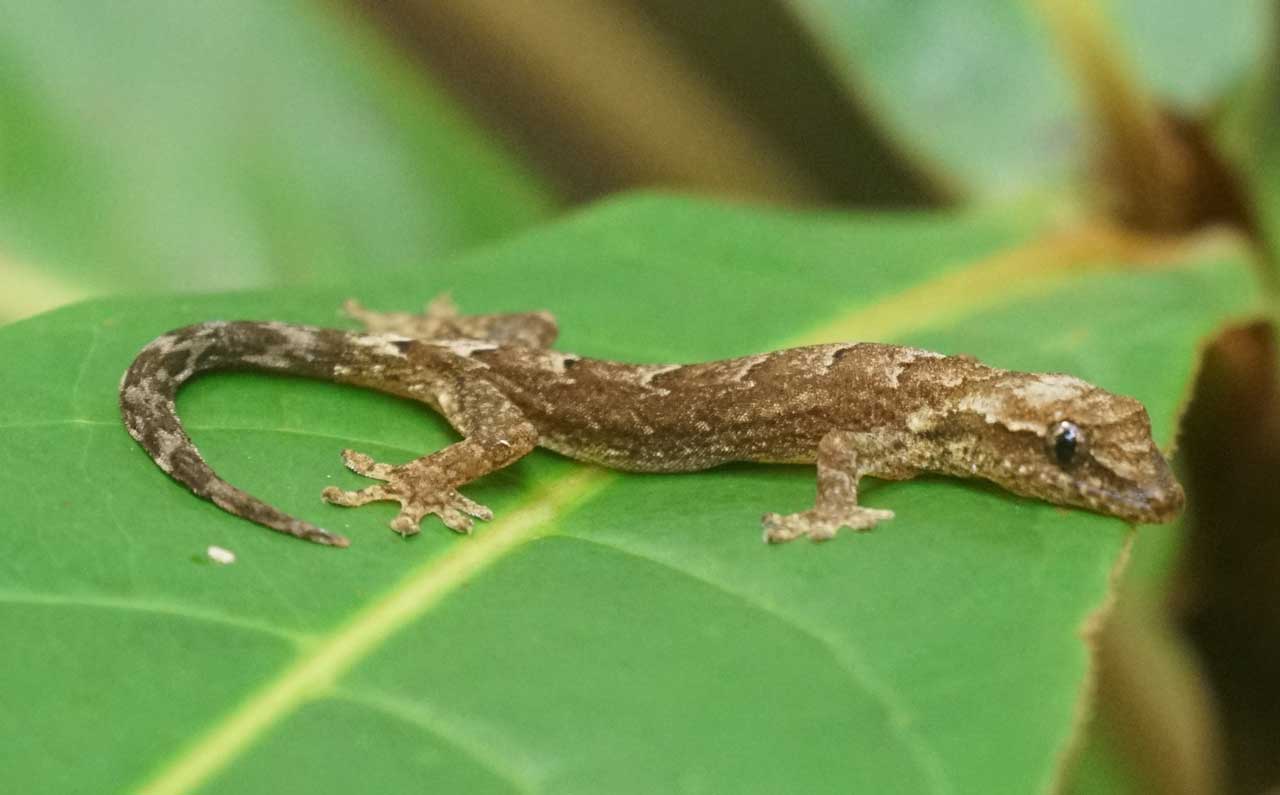
- Size: Tiny but mighty! They range from 3.5 to 4 inches in total length.
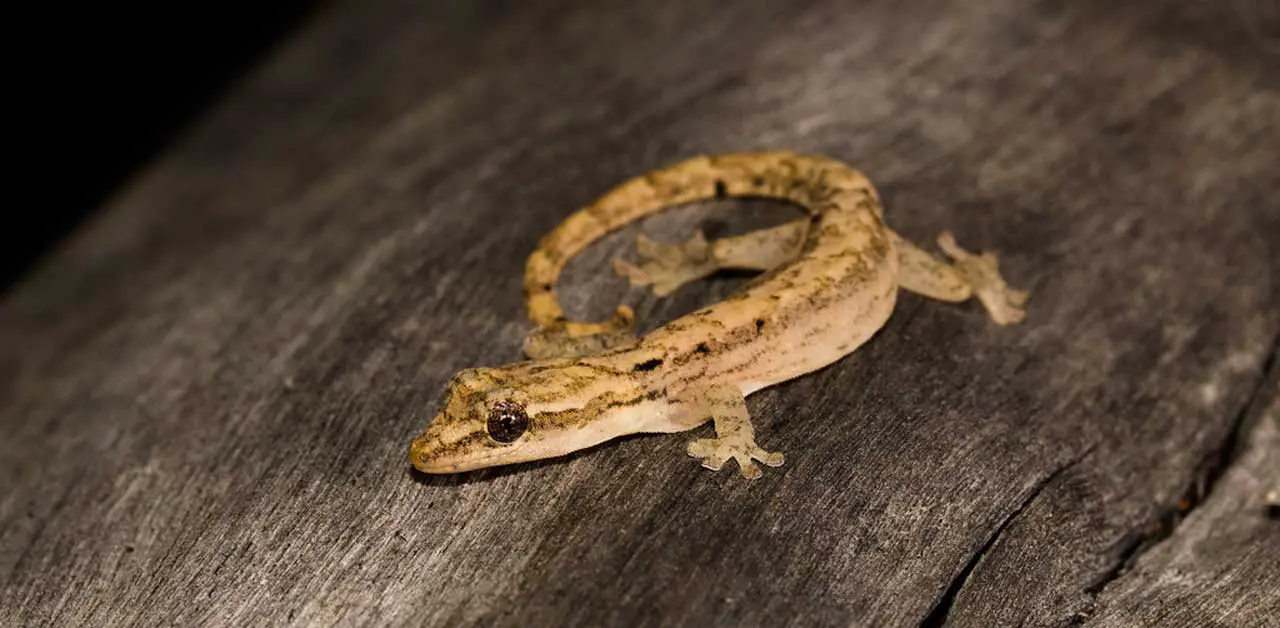
- Color: Typically light tan to brown with spotted or mottled patterns, and a lighter underside.
- Tail: Slender and easily dropped if a predator grabs them (a phenomenon known as autotomy). Luckily, the tail regenerates.
- Toes: Equipped with adhesive pads, allowing them to scale glass and smooth surfaces effortlessly.
Ecology & Behavior
Mourning Geckos are nocturnal and spend their days hiding and resting in secure spots. At night, they come alive, actively foraging for food, socializing, and exploring their environment.
Here are some of their behavioral highlights:
- Social Creatures: Mourning Geckos often live in small colonies, communicating with each other through chirps, tail movements, and physical gestures.
- Adaptability: They’re survivors! These geckos thrive even in disturbed or human-modified habitats.
- Resilience: While considered invasive in some areas, they’re surprisingly ecologically harmless.
The Mourning Gecko’s Unique Reproduction
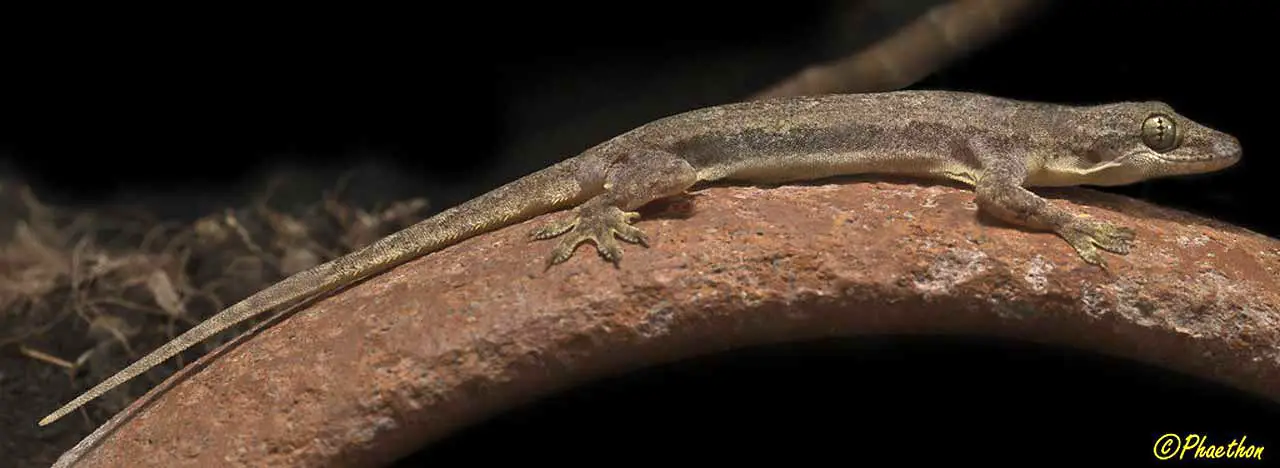
One of the most fascinating aspects of the mourning gecko is its ability to reproduce without the need for a male. These geckos are parthenogenetic, which means all individuals are female and capable of laying fertile eggs without mating. This unique method of reproduction involves the development of eggs without fertilization, resulting in offspring that are genetic clones of their mother.
Mourning geckos typically lay pairs of small, adhesive eggs in secure locations such as under leaves, within bark crevices, or hidden in rock cracks. These eggs have a hard, protective shell and usually hatch within 60-90 days, depending on environmental conditions like temperature and humidity.
Despite their identical genetic make-up, some slight variations in appearance and behavior can still occur, adding to the intrigue of this species. Their reproductive strategy not only ensures survival in challenging environments but also facilitates their ability to quickly establish colonies in new habitats.
Mourning Geckos as Amazing Pets
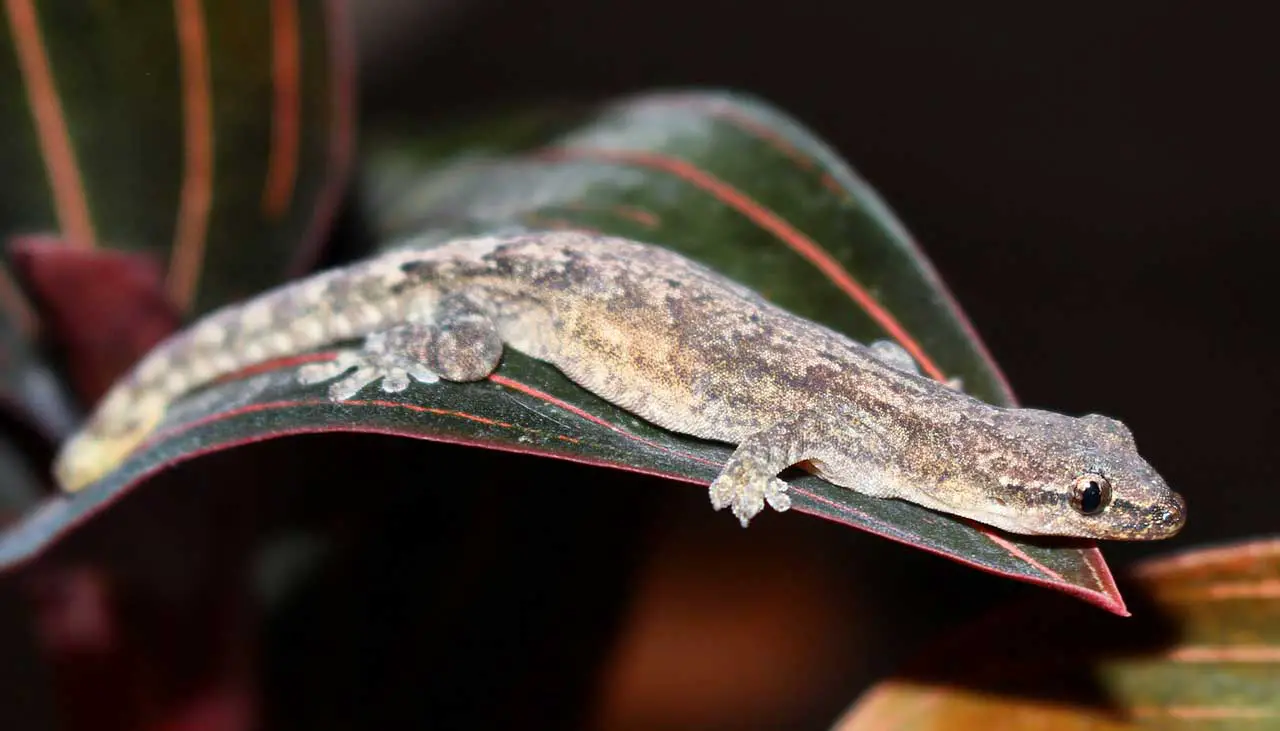
It’s no surprise that Mourning Geckos are a favorite for bioactive terrariums. Here’s why they’re perfect for home vivariums or classroom habitats.
- Low Maintenance: Their small size and modest diet make them easy to care for.
- Perfect for Observation: While they’re fast and skittish, they’re fascinating to watch in group settings or during nighttime foraging.
- Simple Setup: Mourning Geckos thrive in small vertical enclosures filled with plenty of hiding spots, foliage, and high humidity (60–80%).
- Colony-Friendly: These geckos are peaceful and social. They live harmoniously in groups and often display interesting group dynamics.
What Do Mourning Geckos Eat? Mourning geckos have a diverse, omnivorous diet.
- Wild Diet–Mourning Geckos feed on insects, nectar, fruit, and pollen. Their slender tongues are perfect for licking up soft foods from various surfaces.
- Captive Diet–Mourning Geckos thrive on fruit-based gecko diets, flightless fruit flies, and pinhead crickets. A proper diet ensures their energy and health stay optimal in captivity!
Pro Tip: Avoid handling them frequently since their delicate size makes them prone to stress and accidental harm.
Why Conservationists Love Mourning Geckos
Despite their wide distribution, Mourning Geckos offer excellent educational opportunities. They’re not endangered, but their fascinating reproductive biology is a gateway for sparking curiosity about evolution, reptile ecology, and genetic diversity.
Whether for science projects, conservation education, or general herpetology, they provide countless learning opportunities for kids and adults alike.
A Few Mourning Gecko Fun Facts
Before you go, here are some fun tidbits about our little self-cloning friends:
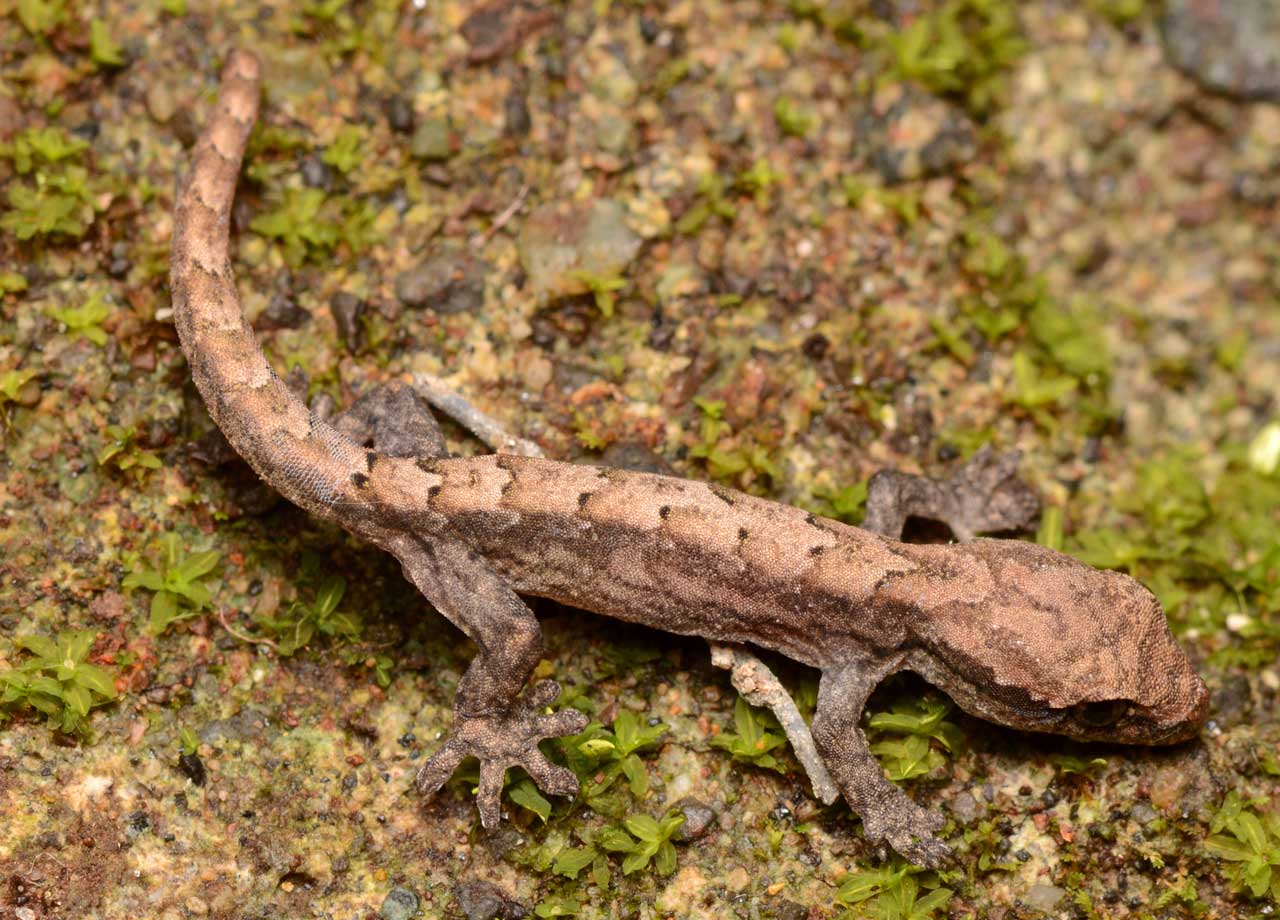
- Mourning Geckos were long thought to be extinct in the wild because they were so frequently found in greenhouses and nurseries!
- Despite reproducing asexually, they maintain high genetic diversity due to their hybrid origins.
- Their name, “Mourning,” likely comes from their chirping sounds, which some say resemble soft cries.
Small Gecko, Big Impact
The Mourning Gecko may be tiny and quiet, but it’s packed full of surprises! From its unique reproductive biology to its global adaptability, this incredible lizard proves that some of nature’s greatest wonders come in small packages.
Whether you’re a student researching reptiles or a pet enthusiast looking to add a charismatic gecko to your terrarium, the Mourning Gecko offers something for everyone.