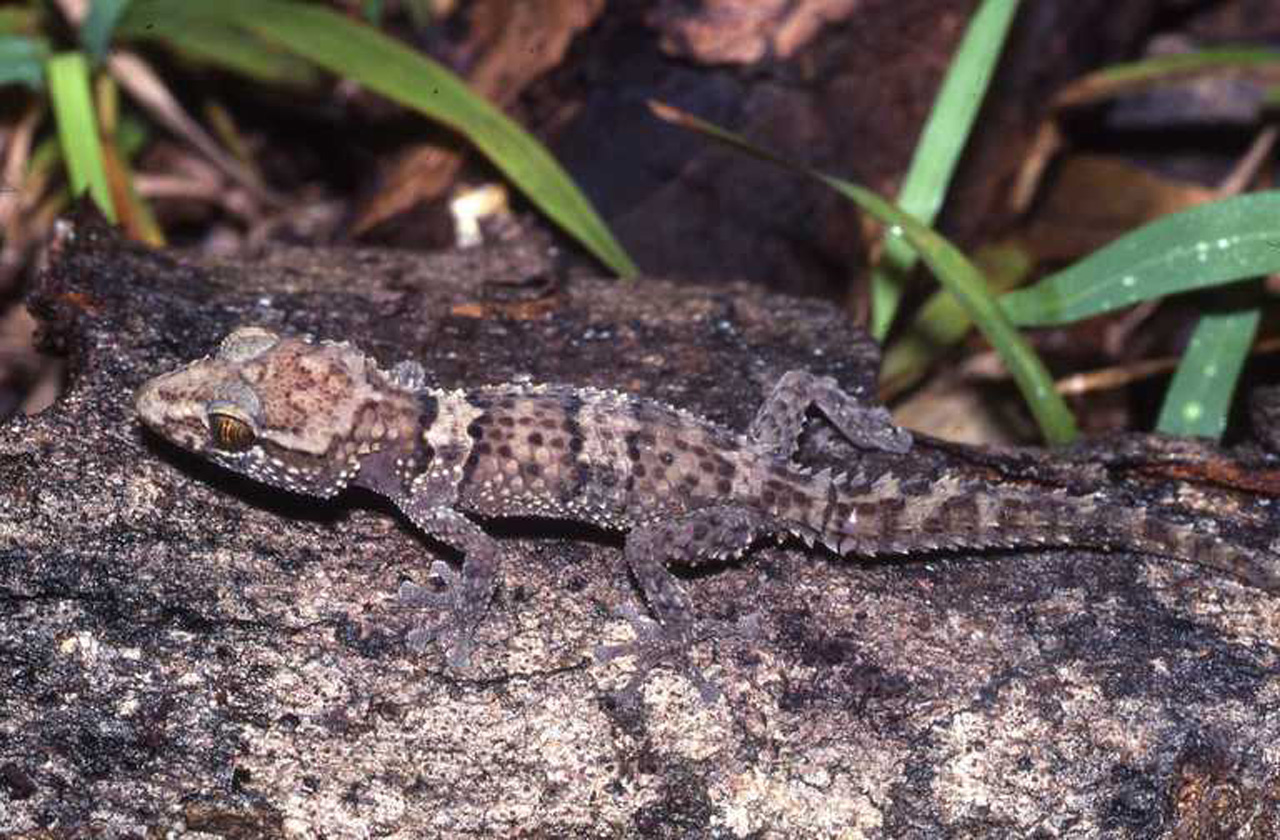


Madagascar Ground Gecko: The Painted Jewel of the Forest Floor!
Have you ever spotted a creature so striking you had to stop and stare? That’s the Madagascar Ground Gecko (Paroedura picta)—a bold-patterned beauty thriving not in trees, but down low on the forest floor. With calm charm and earthy elegance, this “painted” gecko stands out in the leaf litter of southern Madagascar, offering reptile fans something a little different from the usual wall-crawlers.
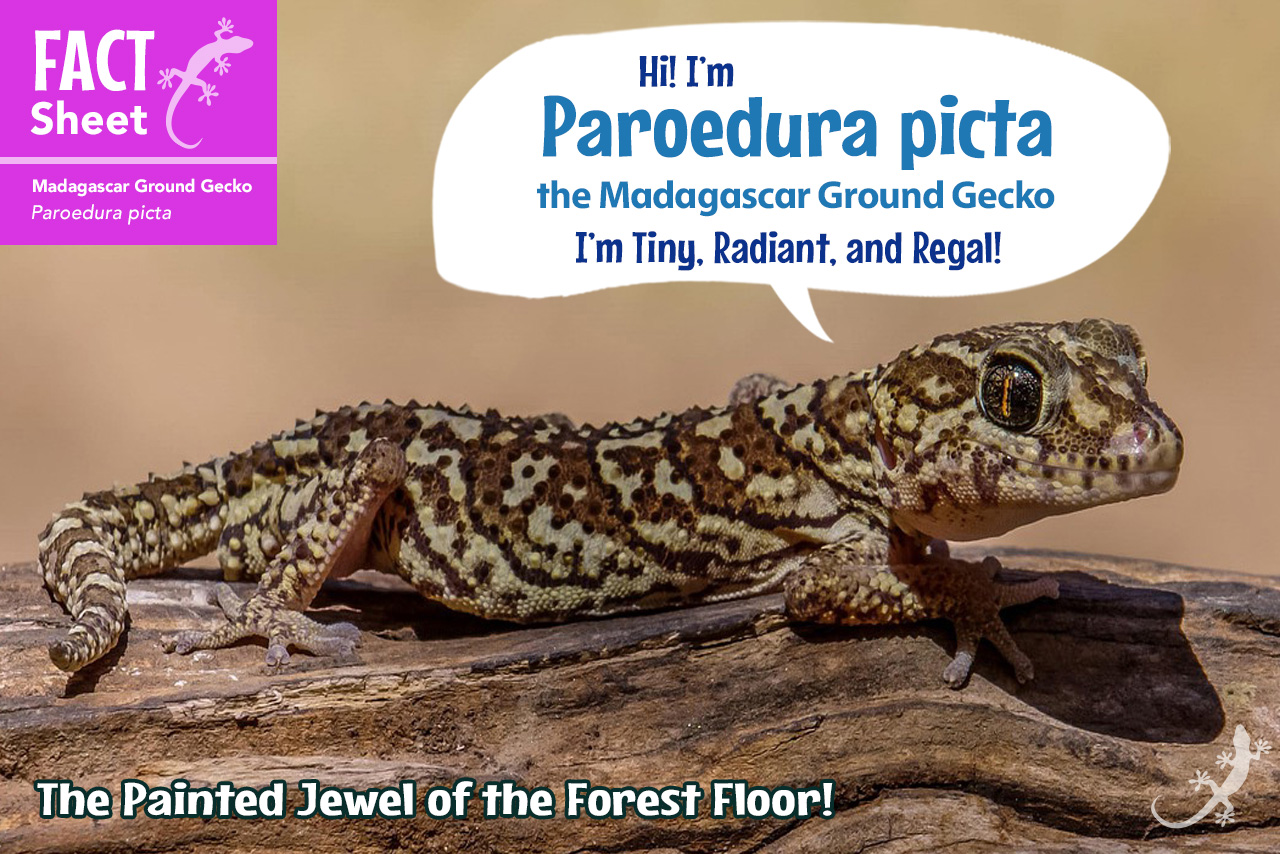
Whether you’re new to reptiles or a longtime herp lover, this gecko’s mix of personality, pattern, and ease of care makes it hard to resist. Nicknamed the “Painted Gecko,” this species lives up to the name. Juveniles show off sharp banding, while adults develop rich, mottled patterns—each one unique. Click the buttons below to scroll down quickly!
But before we move on, notice this gecko already has two names! This gecko, in particular, can get really confusing as to what it is called! Here are all the names! The Madagascar Ground Gecko is also known as the Pictus Gecko, the Ocelot Gecko, and the Panther Gecko. You’ll hear Clint (in his video below) call it the Pictus Gecko, which might be the best. Please comment below if you can shed more light on this!








Table of Contents
- Taxonomy & Classification
- Geographic Range & Natural Habitat
- Physical Characteristics
- Behavior & Ecology
- Reproduction
- Keeping as Pets
- Conservation Notes
- Fun Fact Corner
- Discover the Hidden Gem of the Forest Floor
Taxonomy & Classification
When you trace this gecko’s roots in the tree of life, you uncover a fascinating family history:
- Kingdom: Animalia
- Phylum: Chordata
- Class: Reptilia
- Order: Squamata
- Family: Gekkonidae
- Genus: Paroedura
- Species: Paroedura picta
- Common Names: Madagascar Ground Gecko, Panther Gecko, Painted Ground Gecko
That’s quite the collection of identities, but every moniker hints at their unique place in the reptile world.
Geographic Range & Natural Habitat
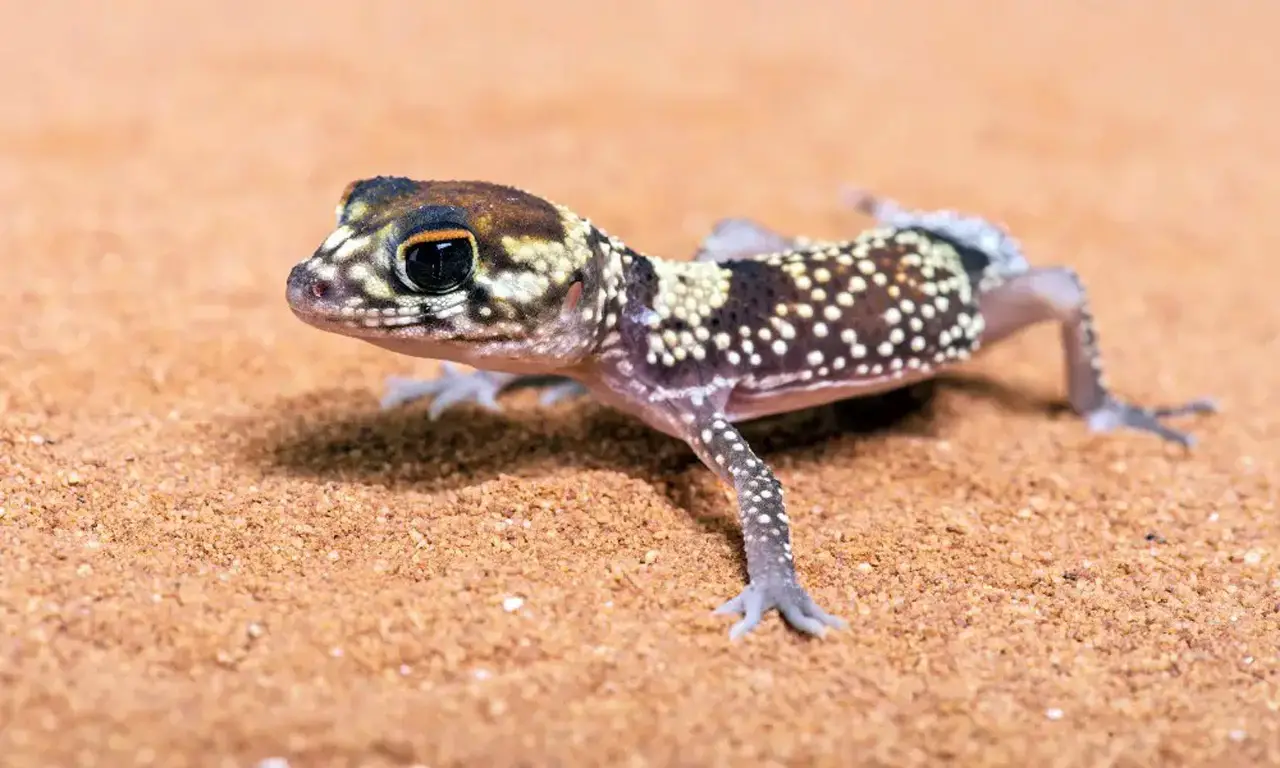
You won’t find this beauty scaling skyscrapers or disappearing into the rainforest canopy. The Madagascar Ground Gecko is a creature of the southern and western reaches of Madagascar, the world-renowned bastion of biodiversity.
It’s perfect playground? Dry forests, sunbathed scrublands, and sandy coastal stretches where leaf litter piles up, and the soil is soft enough to burrow in. During the day, they’re experts at hide-and-seek, slipping beneath logs, rocks, and the natural debris that blankets their home. But when dusk falls? Out they come, eyes gleaming, ready to prowl the undergrowth for their next snack.
Physical Characteristics
There’s a real charm to their size and build. Adults grow to a manageable 6–8 inches, making them substantial enough to admire, yet small enough for a cozy terrarium. Their bodies are chunky and robust with rounded heads that almost look cartoonish in their expressiveness.
Colors? Take your pick. You’ll see hues ranging from cream and sandy tan to deep browns, reds, and rich chocolates, often painted with striking bands or spots. Unlike the famed “sticky-toed” warriors of the gecko world, Paroedura picta lack toe pads—instead, they have sturdy, clawed feet designed for gripping soil and scrambling across rough ground. Their large, soulful eyes are the giveaway that they’re nighttime adventurers, fine-tuned for stalking under moonlight.
Behavior & Ecology
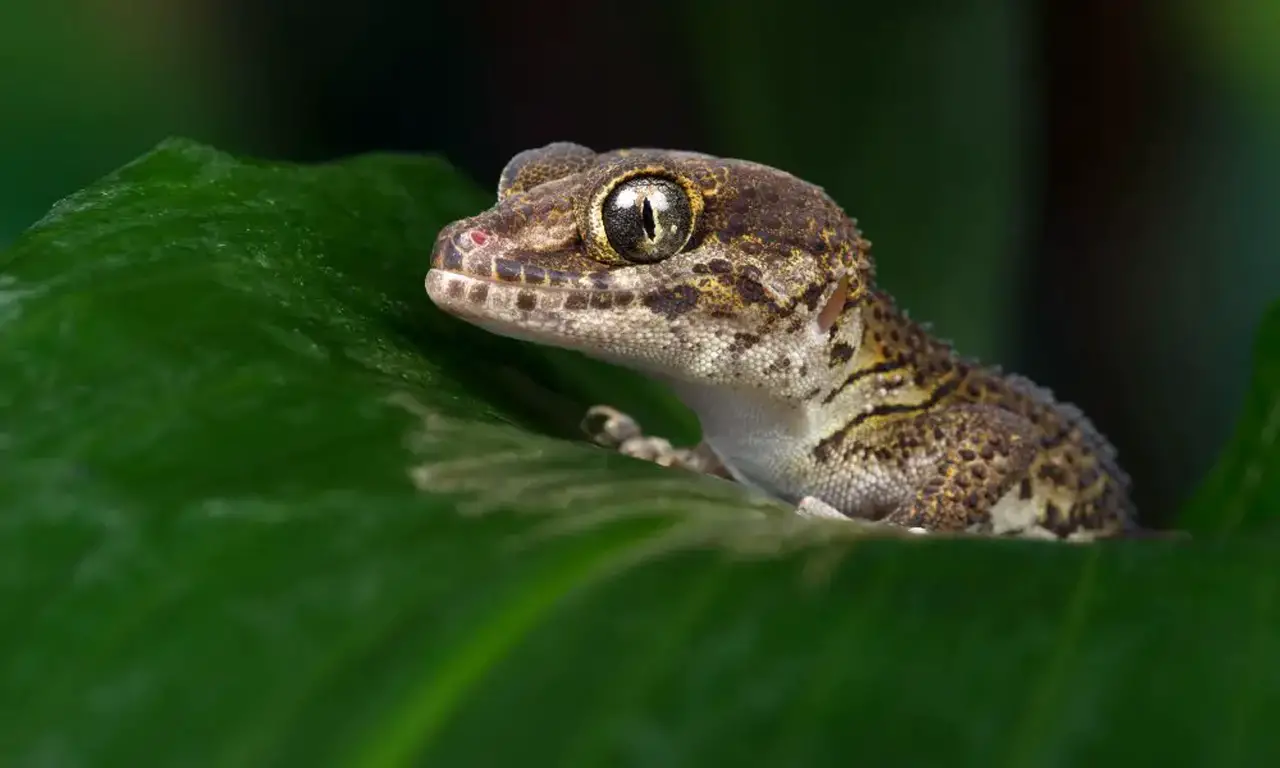
If you expected a ground gecko to be frantic or flighty, think again. These animals are contemplative movers, more interested in quiet observation than high-speed drama. During the day, they prefer to rest concealed from both sun and would-be predators.
Patience is their superpower; you’ll spot them watching, calculating, rarely wasting energy. Need to escape? These geckos come equipped with a classic defense trick—tail dropping. The detached tail can distract a predator, giving the gecko time to escape, and (remarkably) it regrows! Luckily, this dramatic display is rare for captive pets treated with care.
Diet & Foraging
Carnivores through and through, Madagascar Ground Geckos are savvy stalkers. Their meals in the wild are made up of whatever wriggles or skitters through the leaf litter—insects, spiders, and all sorts of small invertebrates.
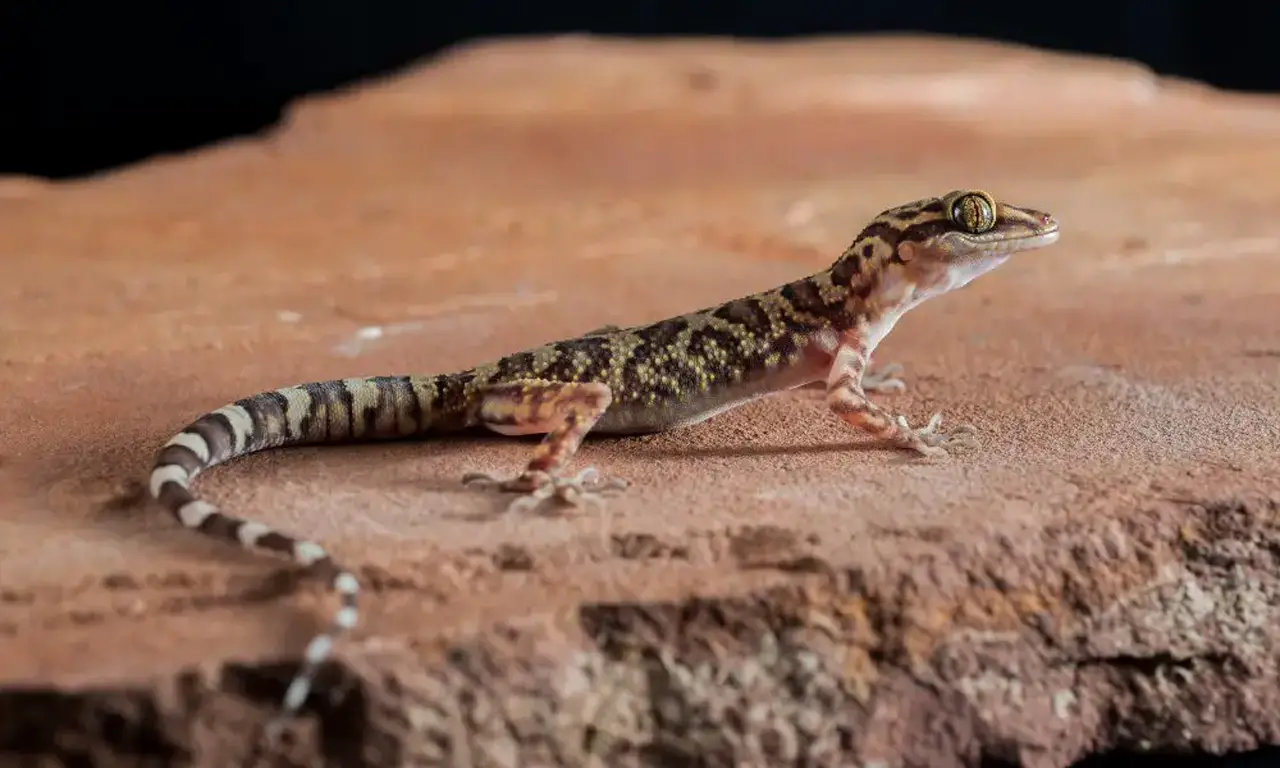
Owners will find them thriving on gut-loaded crickets, dubia roaches, mealworms, and the occasional treat (like a waxworm). Watching one hunt is a lesson in calculated precision; they move stealthily, then strike with speed to snag dinner. It’s a scene that unfolds nightly in both the Malagasy woods and living room terrariums worldwide.
Reproduction
Another wonder? Their simple, reliable reproductive habits. Females are oviparous, laying clutches of two eggs at a time, usually buried in a safe, sandy nook. With the right conditions, those eggs hatch in roughly 60–90 days. Hatchlings are mini marvels, looking like vibrant, perfect miniature geckos.
Tip from many keepers (myself included!): the sight of a freshly hatched, brilliantly banded baby peering up at you is one of the purest joys in the hobby.
Keeping as Pets
Ask any reptile keeper and they’ll rave about how beginner-friendly these geckos are. Their requirements are simple, their temperaments gentle, and their resilience legendary.
- Enclosure: Horizontal spaces are best, reflecting their terrestrial roots. Add logs, cork bark, rocks, and plenty of hides to make them feel at home.
- Environment: Dry heat is essential, but provide a moist hide to make shedding easier. Mimic their wild habitats with a mix of sandy and earthy substrates.
- Interaction: While not a gecko that loves being handled (they’re more observers than cuddly companions), they don’t spook easily and are fascinating to watch.
Whether you want a beautiful display animal or an educational animal for sharing with young naturalists, the Madagascar Ground Gecko fits the bill perfectly.
Conservation Notes
With so many wild species in Madagascar under threat, it’s heartening to know that Paroedura picta, for now, is not listed as endangered. Deforestation on the island is an ongoing concern, however, so protecting habit and encouraging captive breeding remains vital.
Most geckos found in the pet trade today are captive-bred, which supports sustainability and reduces pressure on wild populations. When you’re shopping for a pet, always choose a reputable breeder or dealer who can guarantee captive-bred animals.
Fun Fact Corner
You never really know what you’re going to get when raising these geckos! They’re infamous for shifting colors and patterns as they mature, sometimes transforming so dramatically that you’d swear you had a different animal. The Paroedura genus hides even more treasures, too, boasting several other species with dazzling patterns and hearty personalities.
Despite being “ground” geckos, these reptiles can scale rough bark, cork, or rocks with surprising agility. I remember the first time I watched one clamber up a piece of cork in its terrarium; it made me rethink everything I thought I knew about their abilities!
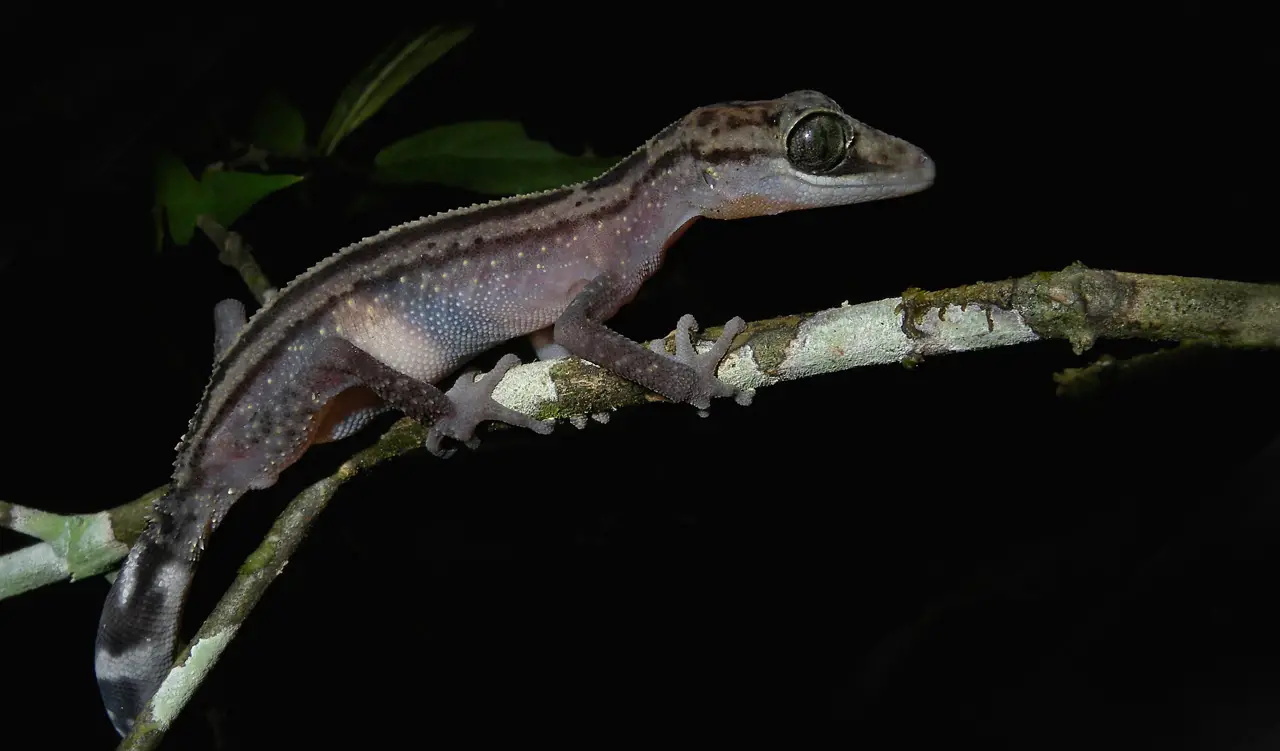
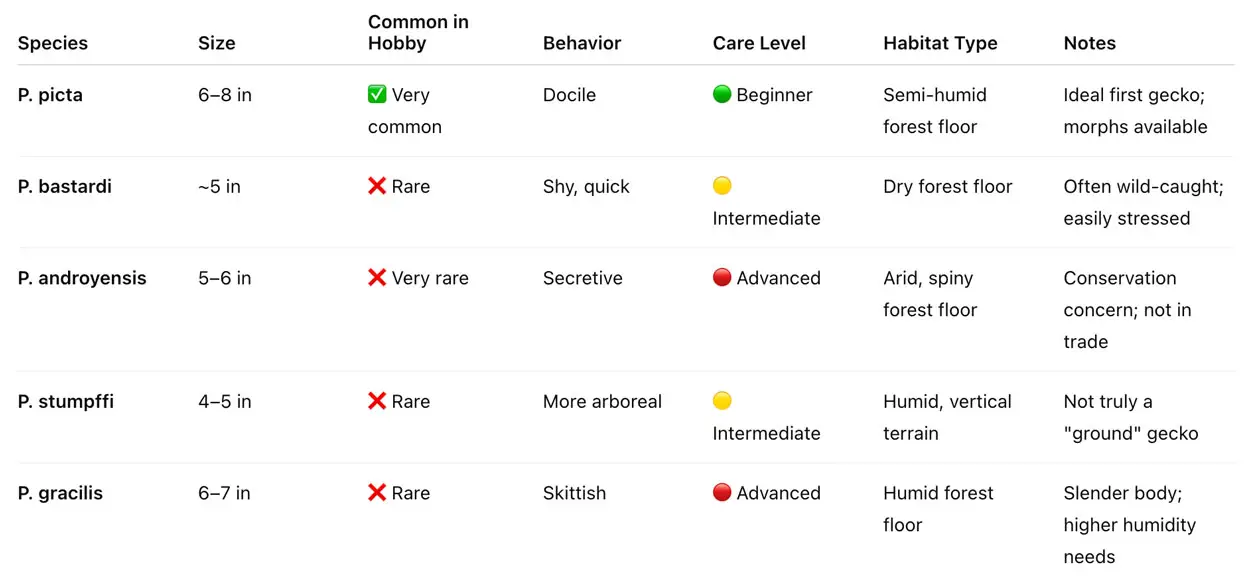
Like some other gecko genera (such as the banded geckos), the genus Paroedura contains several similar-looking species native to Madagascar. While often referred to as the “Madagascar Ground Gecko,” Paroedura picta is actually one of several distinct, but created species within the group.
Pictured above is Paroedura gracilis, one of at least five recognized ground-dwelling species. Of these, P. picta is by far the most common in the pet trade, though as Clint points out in his video, even that one seems to be getting scarce! Check out the cool chart below comparing them all!
Discover the Hidden Gem of the Forest Floor
The Madagascar Ground Gecko proves that some of the world’s greatest wonders hide in plain sight—or just beneath our feet. With its painted elegance, accessible care, and undeniable charm, this gecko offers both the curious beginner and the dedicated herpetologist a window into Madagascar’s rich terrestrial life.
Next time you’re leafing through pet options, or losing yourself in stories of strange and beautiful reptiles, pause a moment for Paroedura picta. It may not climb your window, but it could climb right into your heart.