


Some Fast Facts About The Coolest and Most Popular Small Pet Reptile!
When it comes to unique and captivating pets, the Leopard Gecko truly stands out. Whether you’re a seasoned reptile enthusiast or just beginning your reptile-keeping adventure, these fascinating lizards have so much to offer. From their adorable blinking eyelids to their stunning array of colors, leopard geckos are more than just pets; they’re a window into the wonderfully diverse world of reptiles.
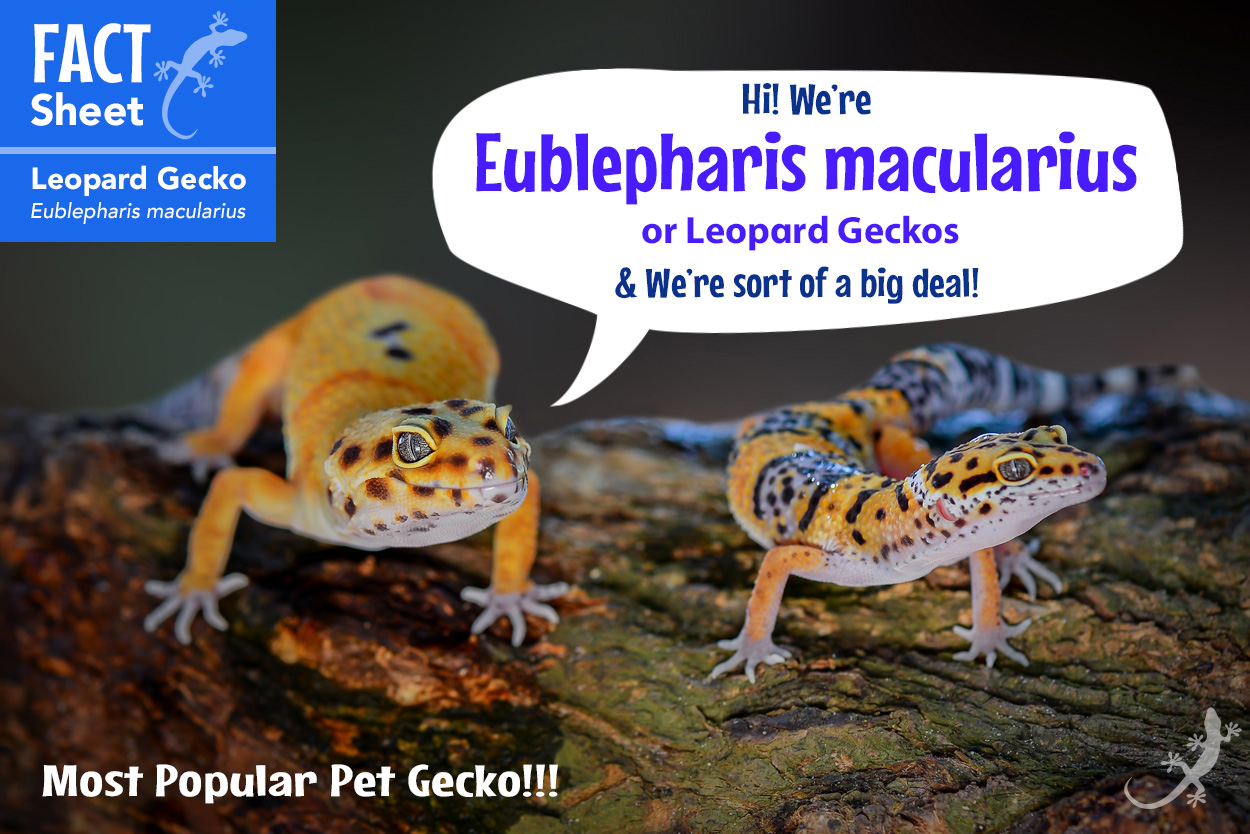
This guide dives into everything you need to know about leopard geckos—from their ecology in the wild to their care in captivity. Get ready to fall in love with these charismatic little creatures! Click the buttons below to quickly scroll down!








Table of Contents
- Leopard Gecko: The World’s Most Popular Pet Gecko
- Taxonomy & Classification
- Native Habitat & Geographic Distribution of the Leopard Gecko
- Leopard Gecko Physical Characteristics
- Leopard Gecko Behavior & Ecology
- Leopard Gecko Reproduction
- Leopard Geckos in Captivity
- Conservation Status of the Leopard Gecko
- Fun Facts about Leopard Geckos!
- Wrapping Up with Some Gecko Love
Leopard Gecko: The World’s Most Popular Pet Gecko
Leopard Geckos have earned their title as the world’s most popular pet gecko for many reasons. Their docile temperament and charming personalities make them ideal companions, even for first-time reptile owners. Unlike some other lizards, Leopard Geckos are relatively low-maintenance, requiring a simple habitat setup, minimal diet costs, and no special lighting like UVB—a rarity among reptiles. Their distinct appearance, featuring vibrant patterns and a variety of colors known as “morphs,” has captivated hobbyists and breeders alike.
What truly sets them apart is their interactive nature. With patience and gentle handling, Leopard Geckos often recognize their owners and may even climb onto your hand when they feel comfortable. Their soft chirps and tail-wiggling behaviors make them endearing little pets, sparking joy in households around the globe. It’s no wonder they’ve charmed their way into the spotlight as both beginner-friendly reptiles and collector favorites.
Taxonomy & Classification
Leopard geckos are scientifically known as Eublepharis macularius. Here’s how they’re classified in the animal kingdom:
- Kingdom: Animalia
- Phylum: Chordata
- Class: Reptilia
- Order: Squamata
- Family: Eublepharidae
- Genus: Eublepharis
- Species: E. macularius

*You may be wondering what this picture of the Kings is all about! Well, this helped me remember the order in college for a biology test once! Think about this and you’ll never forget the order of the taxonomy groups again: Kings Play Chess On Fine Grain Sand, or Kingdom, Phylum, Class, Order, Family, Genus, Species!
One thing about the Leopard Gecko’s taxonomy is that they belong to the “eyelid geckos” family. Unlike most gecko species that lack movable eyelids, leopard geckos can blink! This tiny detail adds so much charm to their endearing personality.
Native Habitat & Geographic Distribution of the Leopard Gecko
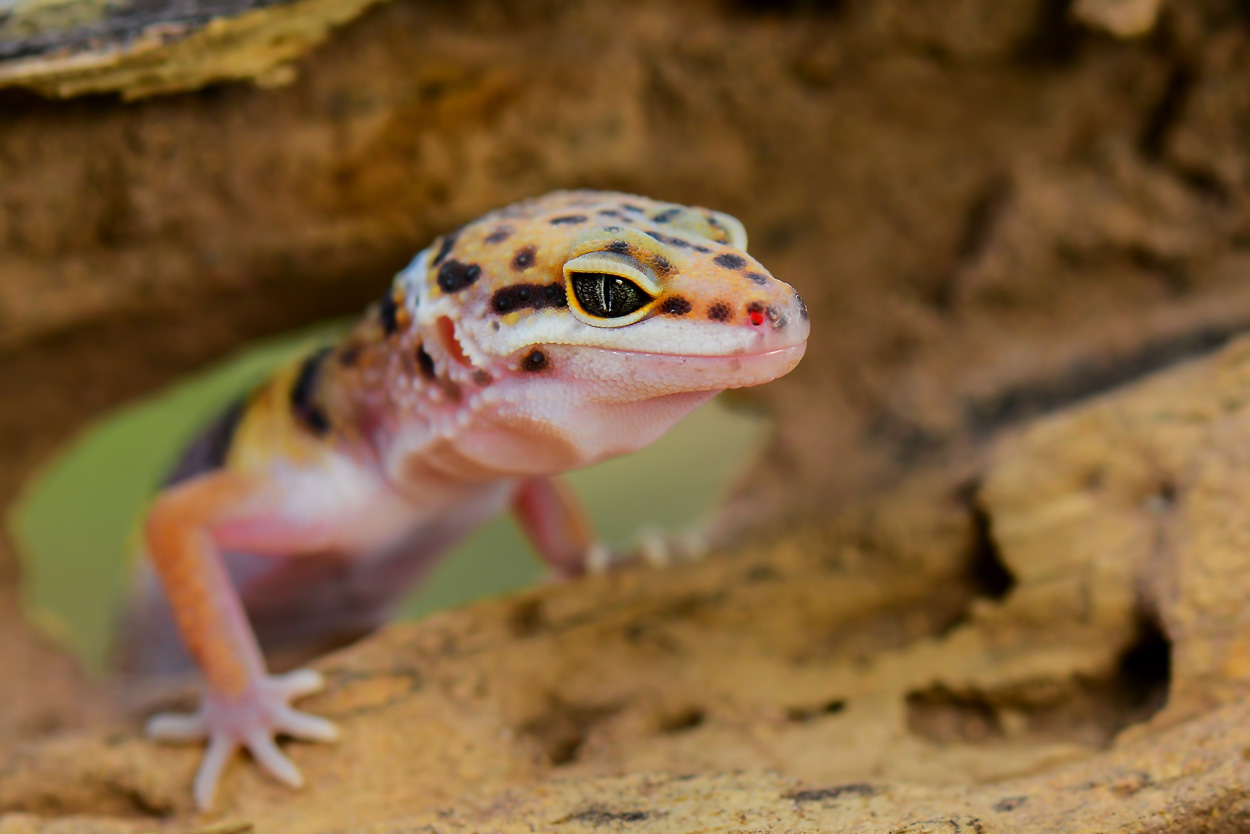
Leopard geckos are native to the arid and semi-arid regions of South Asia, including Pakistan, Afghanistan, northwestern India, Iran, and parts of Nepal. They’ve evolved to thrive in tough environments like rocky deserts, scrublands, and dry grasslands.
Since scorching heat is the norm in their natural habitat, leopard geckos have adapted by sheltering under rocks or burrowing in the ground to escape extreme temperatures. You’ll rarely see them out during the day because they’re mostly nocturnal or sometimes crepuscular (active at dawn or dusk). This clever behavior helps them regulate their body temperature and avoid predators.

Leopard Gecko Physical Characteristics
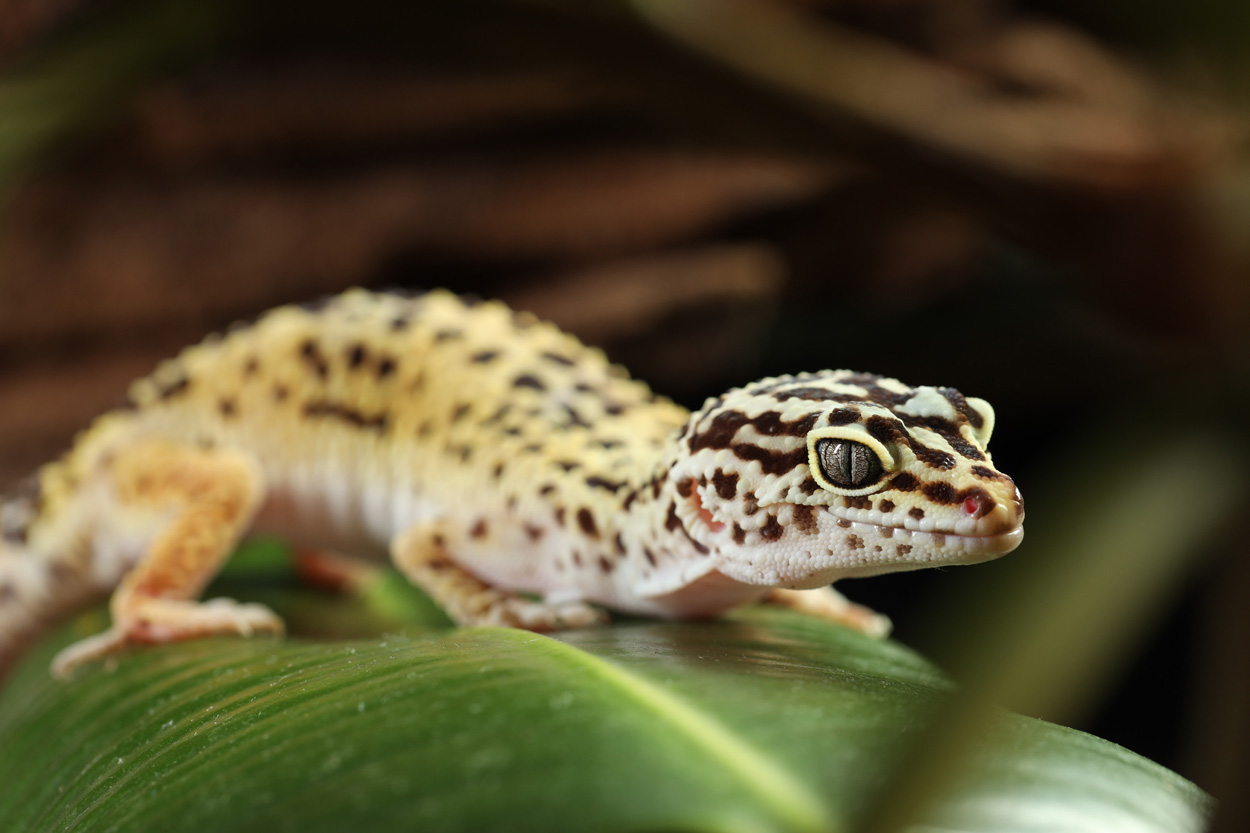
These adorable reptiles have some mesmerizing physical traits!
- Length: 7 to 10 inches (females are typically smaller than males).
- Weight: Around 45-70 grams.
- Movable Eyelids: Unlike their sticky-toed cousins, leopard geckos’ ability to blink sets them apart. But like their cousins without eyelids, they still also use their tongues to clean their eyes!
- Dry, Bumpy Skin: Perfectly suited for a desert climate, their tough skin retains moisture and protects them from the harsh sun.
- Tail Autotomy: Their tails store fat reserves crucial for survival during scarce food periods. If threatened by a predator, they have the incredible ability to drop their tail as a distraction (don’t worry, it grows back!).
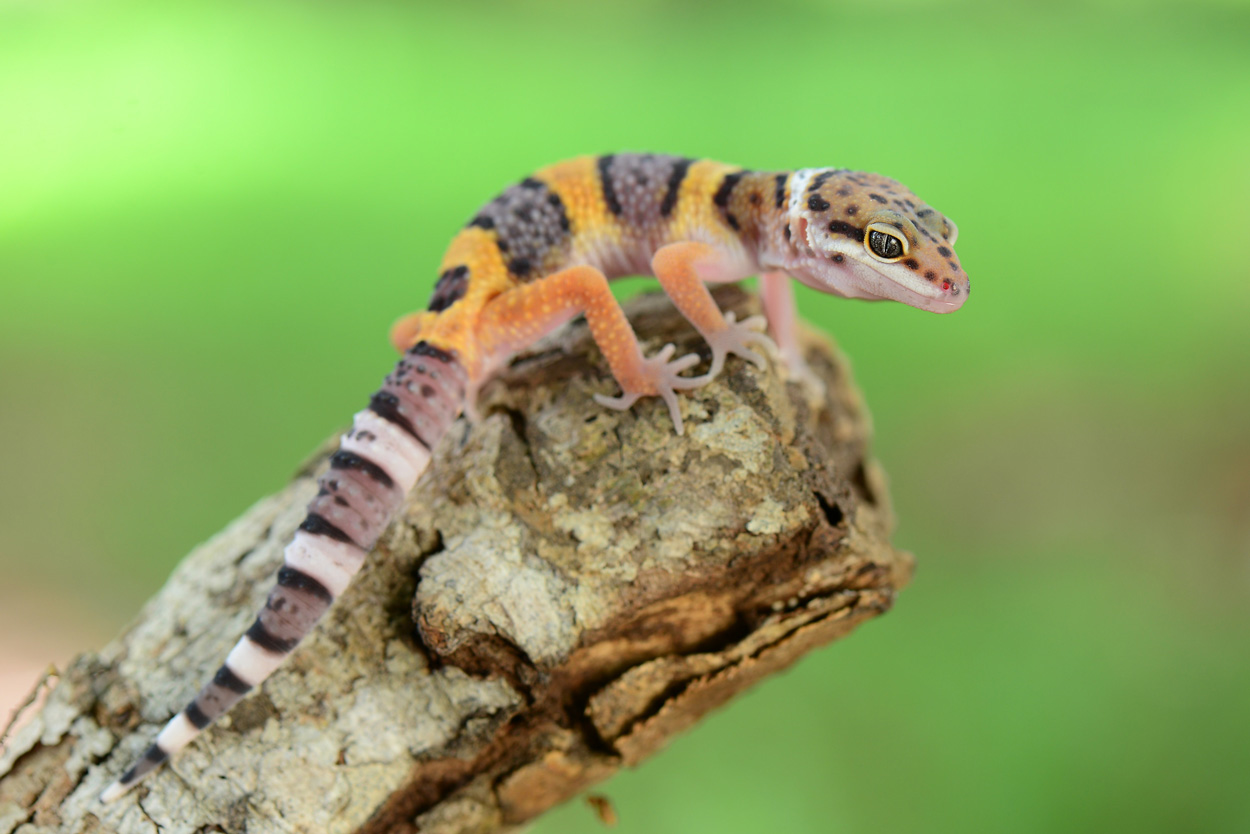
Leopard geckos come in wild-type patterns of yellow and brown spots, but captive breeding has led to a treasure trove of colorful “morphs.” Think tangerine geckos, albinos, and even ones that glow like ultraviolet light!
Leopard Gecko Behavior & Ecology
- Diet: These little hunters are insectivores, feasting on crickets, mealworms, and other small invertebrates.
- Solitary Creatures: While social with humans, they are naturally solitary in the wild, with territorial males actively defending their turf.
- Thermoregulatory Behavior: Leopard geckos bask in warm spots to regulate their body temperature but stay hidden during peak heat.
- Tail Energy Reserves: If their food supply runs low, they can rely on the fat stored in their tails for energy.
Leopard Gecko Reproduction
Leopard geckos have some fascinating reproductive quirks.
- Breeding Season: They typically breed in the late spring through summer in the wild.
- Egg-Laying: Females lay 1–2 eggs per clutch.
- Temperature-Dependent Sex Determination: This is so cool! The temperature at which the eggs are incubated influences the hatchlings’ sex. Warmer temperatures typically produce males, while cooler temperatures yield females.
- Maturity: Leopard geckos reach sexual maturity between 9 and 12 months old if kept under healthy conditions.
Leopard geckos are the perfect blend of cute and functional!
Leopard Geckos in Captivity
Leopard geckos lumbered their way into the reptile pet trade in the 1970s and have been popular pets ever since. Here’s why people adore them:
- Hardy and Adaptable: Their resilience makes them one of the easiest reptiles to care for.
- Low Maintenance: Leopard geckos require only a properly set-up tank, a well-balanced diet of insects, and some love and care.
- Docile Temperament: They’re gentle, tolerant, and great for handling—even for beginners.
- Long Lifespan: With proper care, they can live 15–20 years or even longer!
The captive breeding of leopard geckos has also given rise to a thriving community of reptile enthusiasts and breeders who are always marveling at the newest morphs.
If you want to welcome a new, beautiful pet leopard gecko into your home, check out Clint’s great video below about it! His enthusiasm is off the charts!
Conservation Status of the Leopard Gecko
Good news for gecko fans! Leopard geckos are not currently listed as threatened or endangered. They remain widespread in the wild, though habitat loss in certain regions could pose future challenges. Captive breeding programs have greatly reduced pressure on wild populations, ensuring their continued survival.
However, ethical practices in the pet trade are critical. Always opt for captive-bred geckos from reputable breeders!
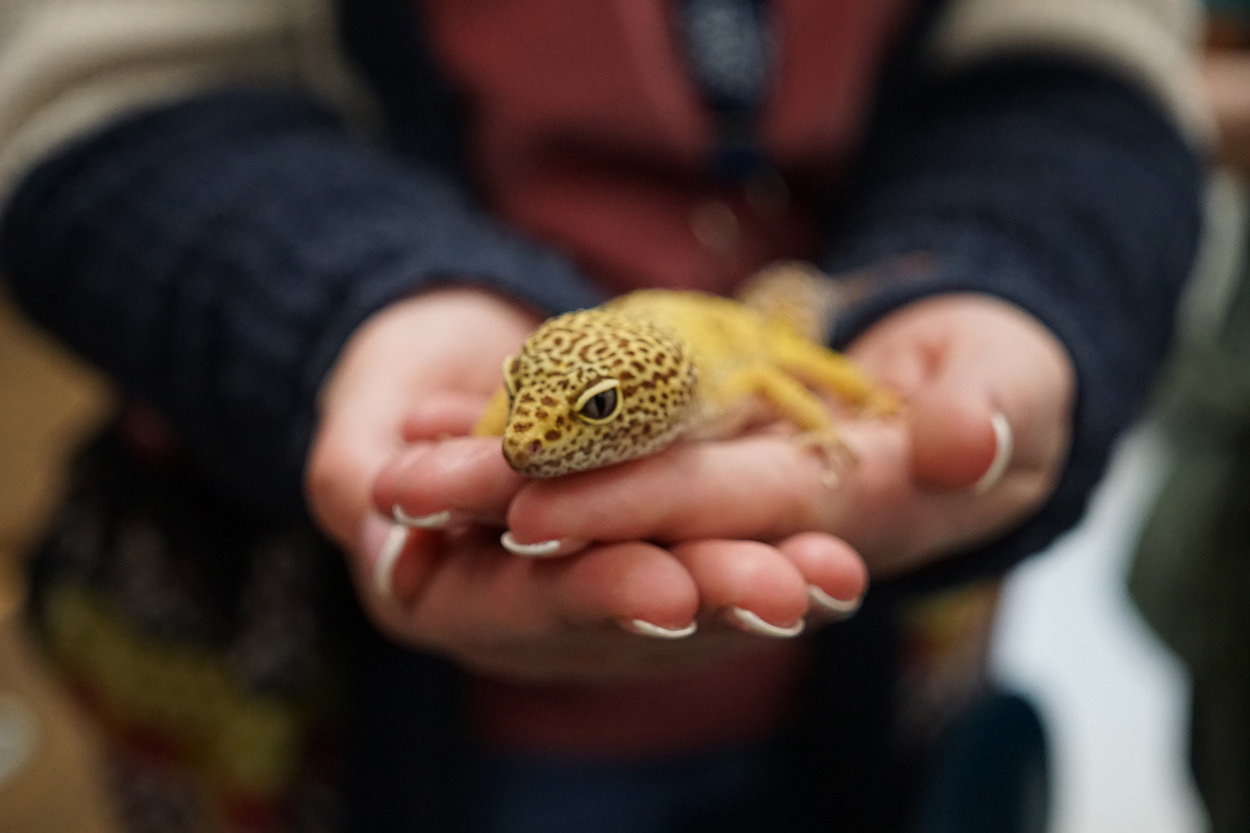
Fun Facts about Leopard Geckos!
Here are some fascinating tidbits about leopard geckos that are sure to make you smile:
- Leopard geckos are among the few reptiles that vocalize. Listen closely for chirps or squeaks when they’re annoyed, excited, or looking for a mate.
- Unlike many geckos, leopard geckos have eyelids, allowing them to blink and keep their eyes clean.
- Each gecko’s spots are unique, much like a human fingerprint.
- Fossils of gecko relatives date back over 100 million years, making them one of the oldest lizard groups.
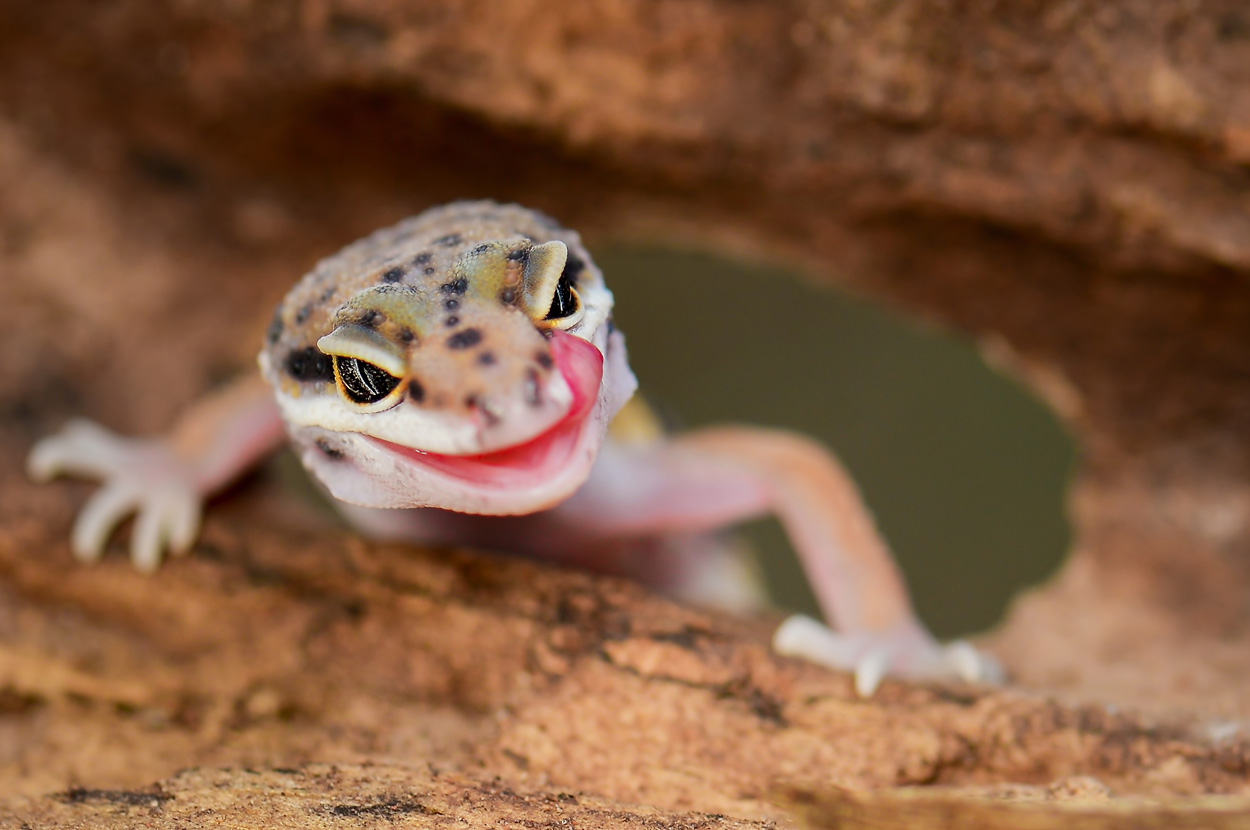
Wrapping Up with Some Gecko Love
It’s no wonder that leopard geckos are a favorite among reptile lovers. Whether it’s their friendly charm, the array of colorful morphs, or their fascinating biological traits, these little lizards have a way of captivating everyone they meet.
Thinking of getting one? Or maybe you’re a seasoned keeper wanting to level up your gecko game? Regardless of where you stand, leopard geckos have something special to offer.
Get involved in forums, learn from breeders, or simply spend more time observing these incredible creatures. Trust us, the more you learn about them, the more you’ll fall in love.
And don’t forget to explore more gecko fact sheets, starting with another great gecko: the Crested Gecko!