

Meet the Gold Dust Day Gecko: Hawaii’s Tiny Jewel With a Tropical Glow!
The Gold Dust Day Gecko (Phelsuma laticauda), also called the Broad-Tailed Day Gecko, is truly one of nature’s most captivating creations. With its vibrant blend of green, gold, red, and blue, this gecko stands out as a cool art piece in the reptile world! It’s native to Madagascar, but has made itself at home in Hawaii, where it thrives as an amazing part of the tropical landscape.
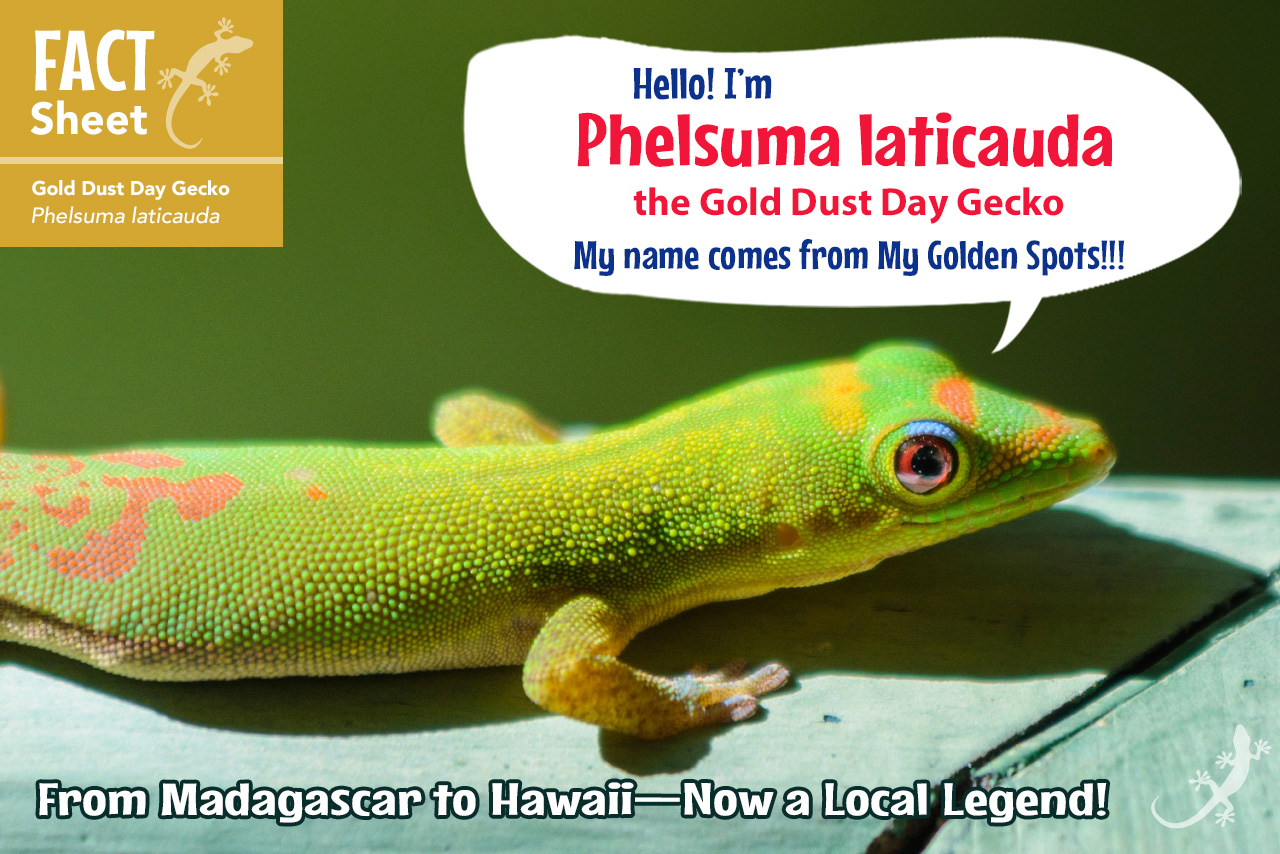
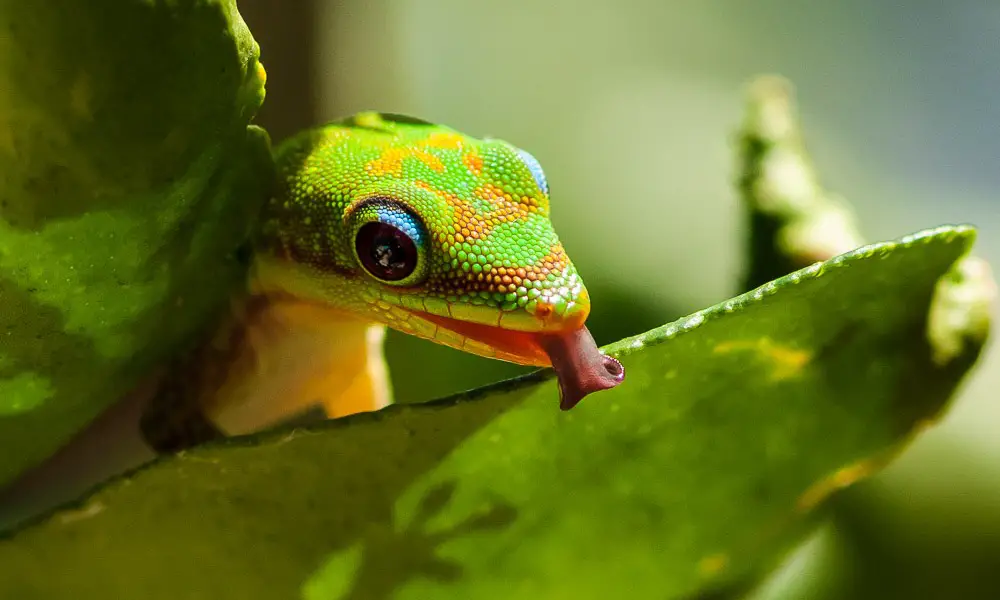
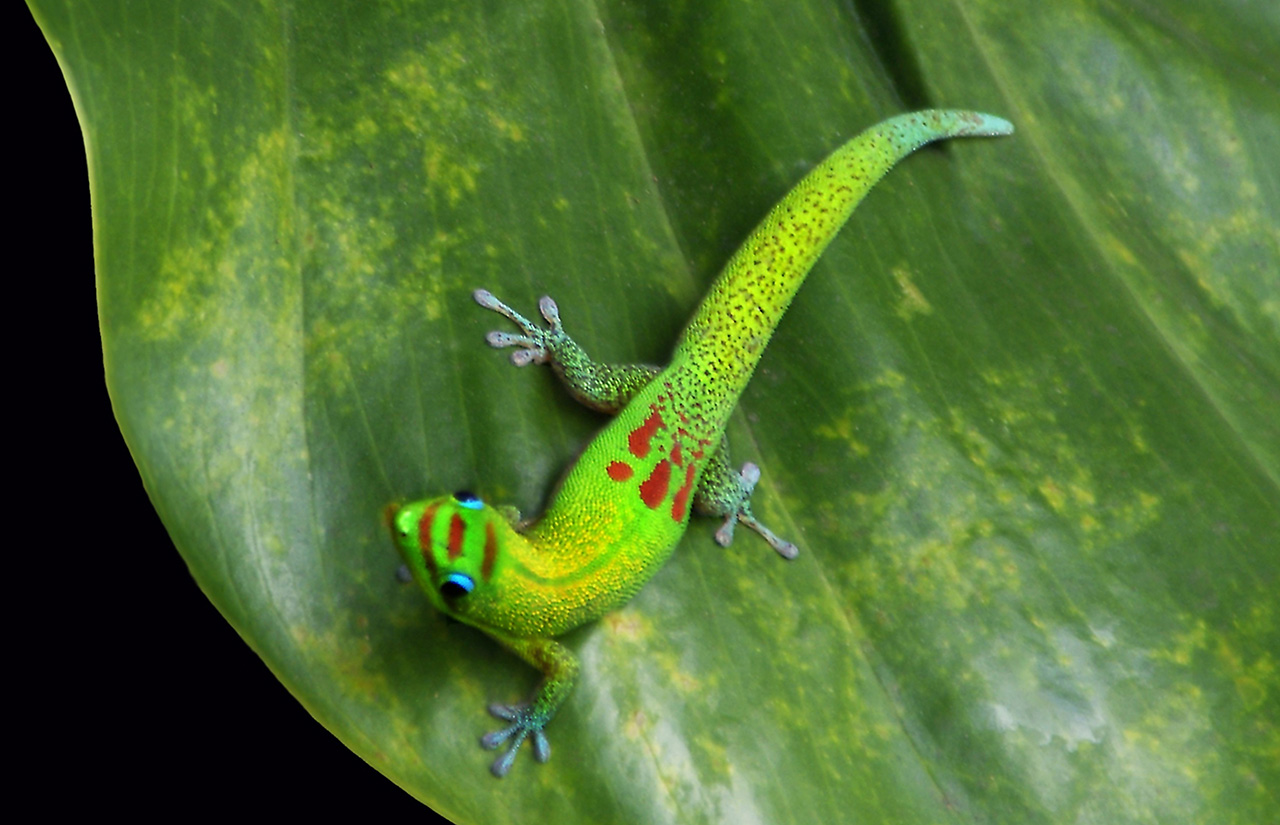
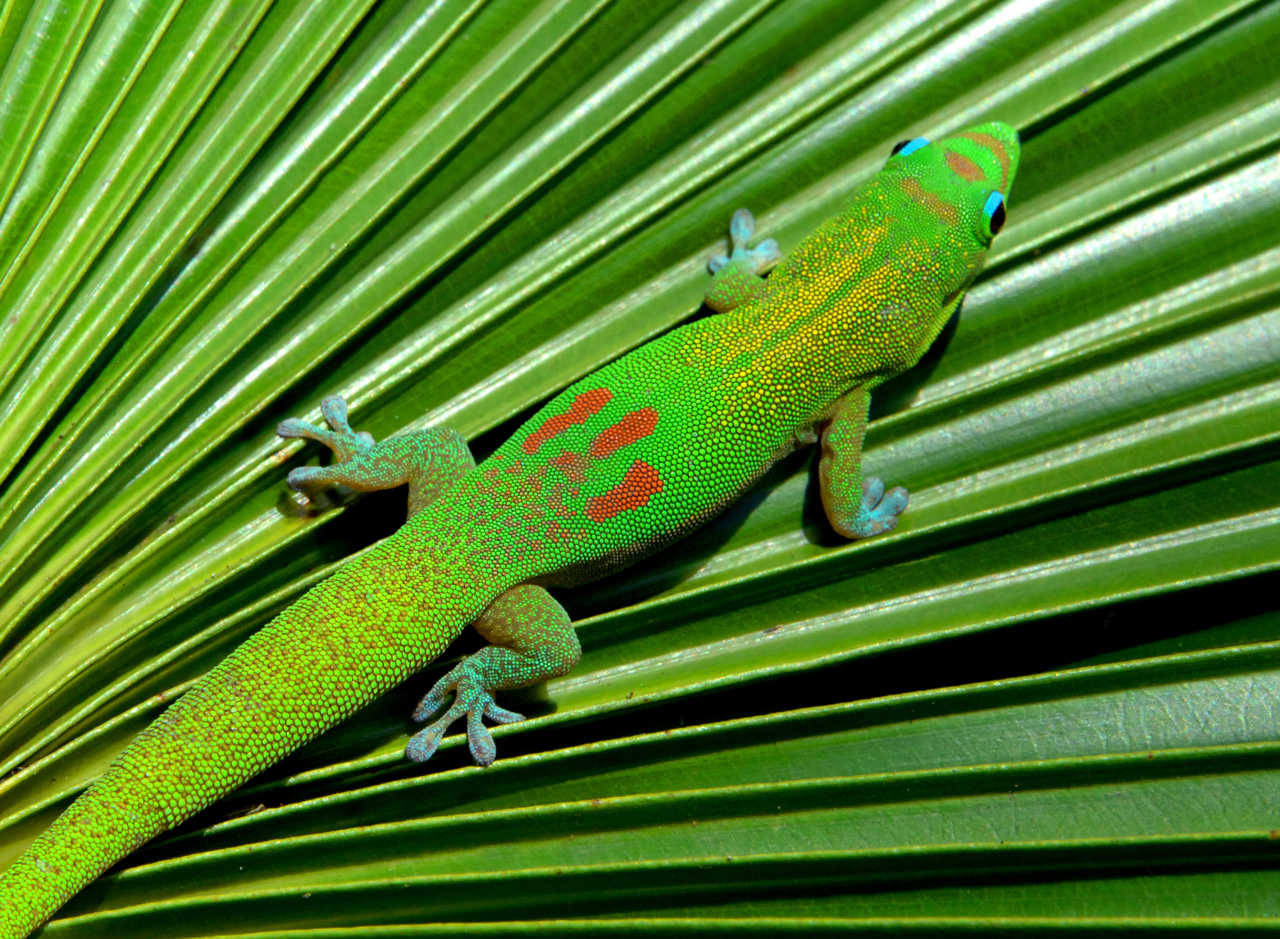
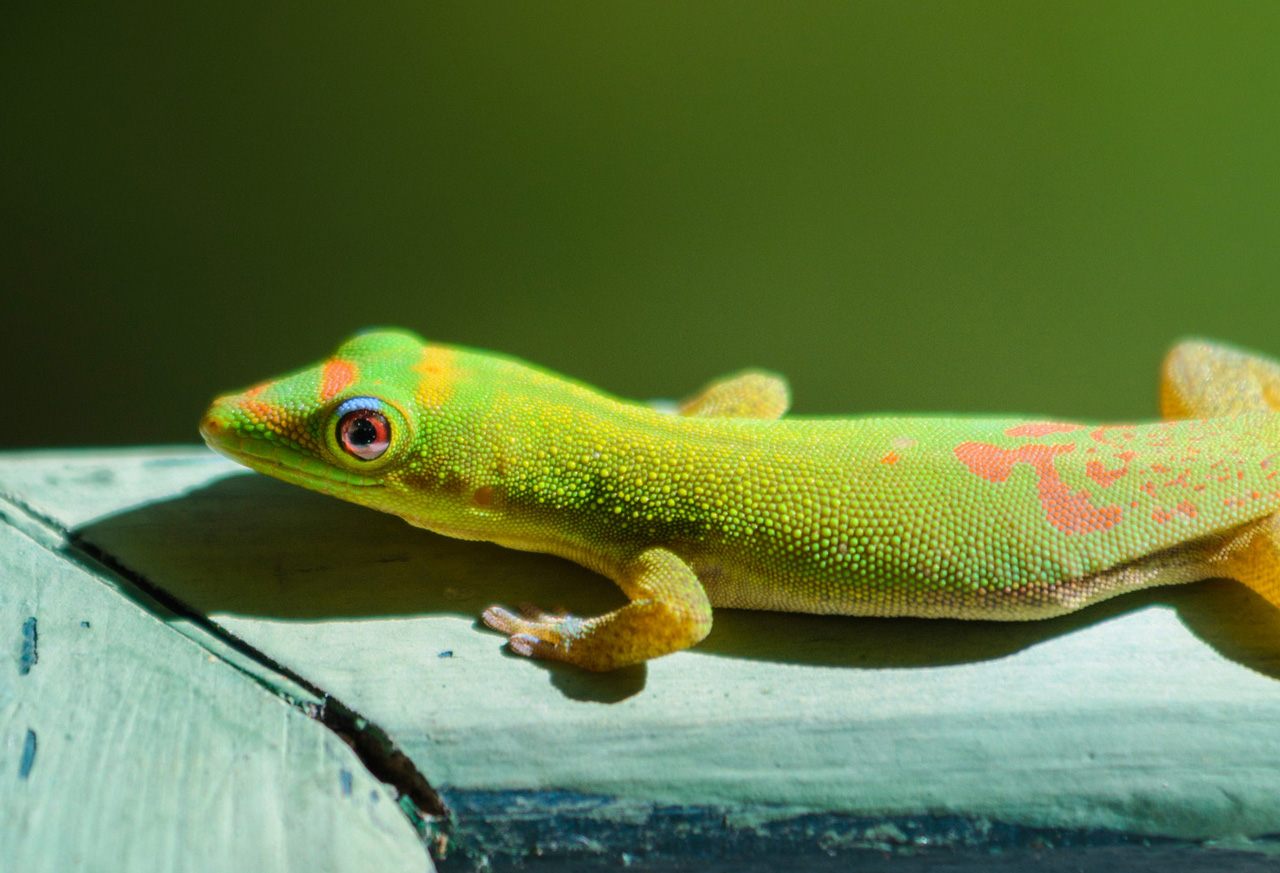
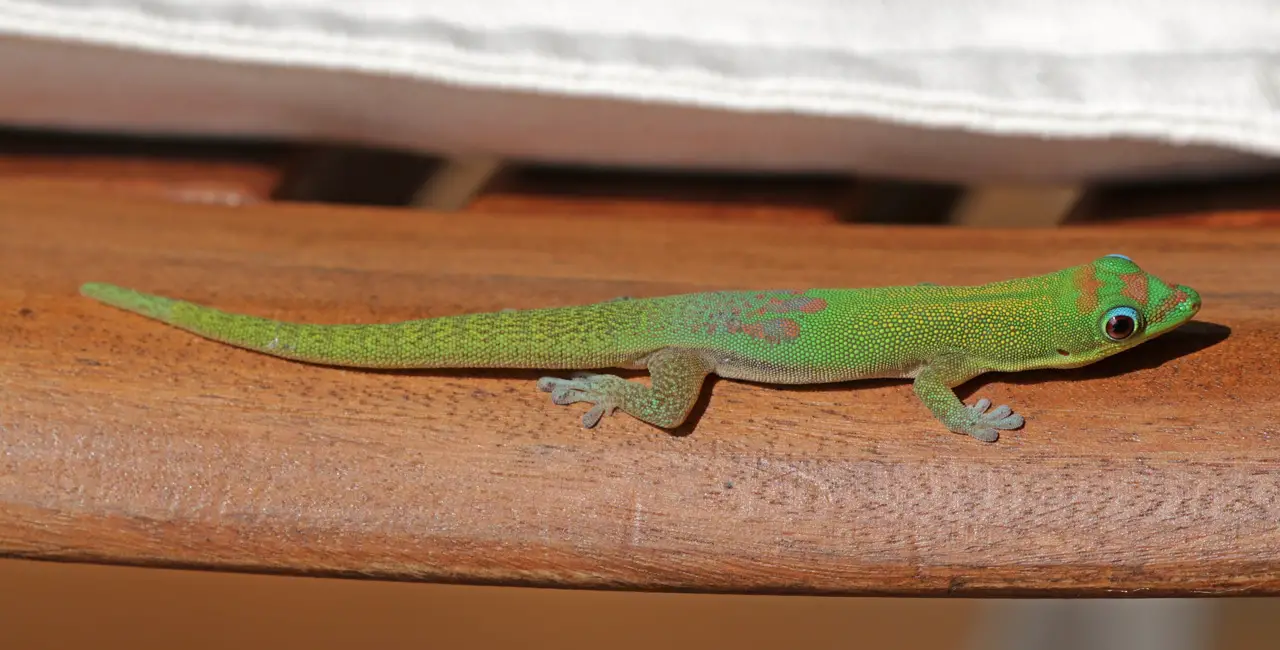
Often referred to as “Hawaii’s Tiny Jewel,” the Gold Dust Day Gecko lives up to this title with its stunning appearance. Its lime-green body is adorned with shimmering golden speckles, giving the impression of gold dust sprinkled along its back. Red markings on its face and turquoise-blue rings around its eyes complete its remarkable coloration.





Table of Contents
- Taxonomy and Classification
- Geographic Range and Habitat
- Physical Characteristics
- Behavior and Ecology
- Reproduction
- Gold Dust Day Geckos as Pets
- Conservation Notes
- Fun Facts About the Gold Dust Day Gecko
- Celebrate the Beauty of Gold Dust Day Geckos
Taxonomy and Classification
To better understand this marvel, here’s how the Gold Dust Day Gecko fits into the animal kingdom’s family tree:
- Kingdom: Animalia
- Phylum: Chordata
- Class: Reptilia
- Order: Squamata
- Family: Gekkonidae
- Genus: Phelsuma
- Species: P. laticauda
Geographic Range and Habitat
While its vibrant colors scream the tropics, the Gold Dust Day Gecko’s story began in northern Madagascar and its surrounding islands. Over time, it was introduced to other regions with tropical climates, most notably Hawaii, where it has flourished.
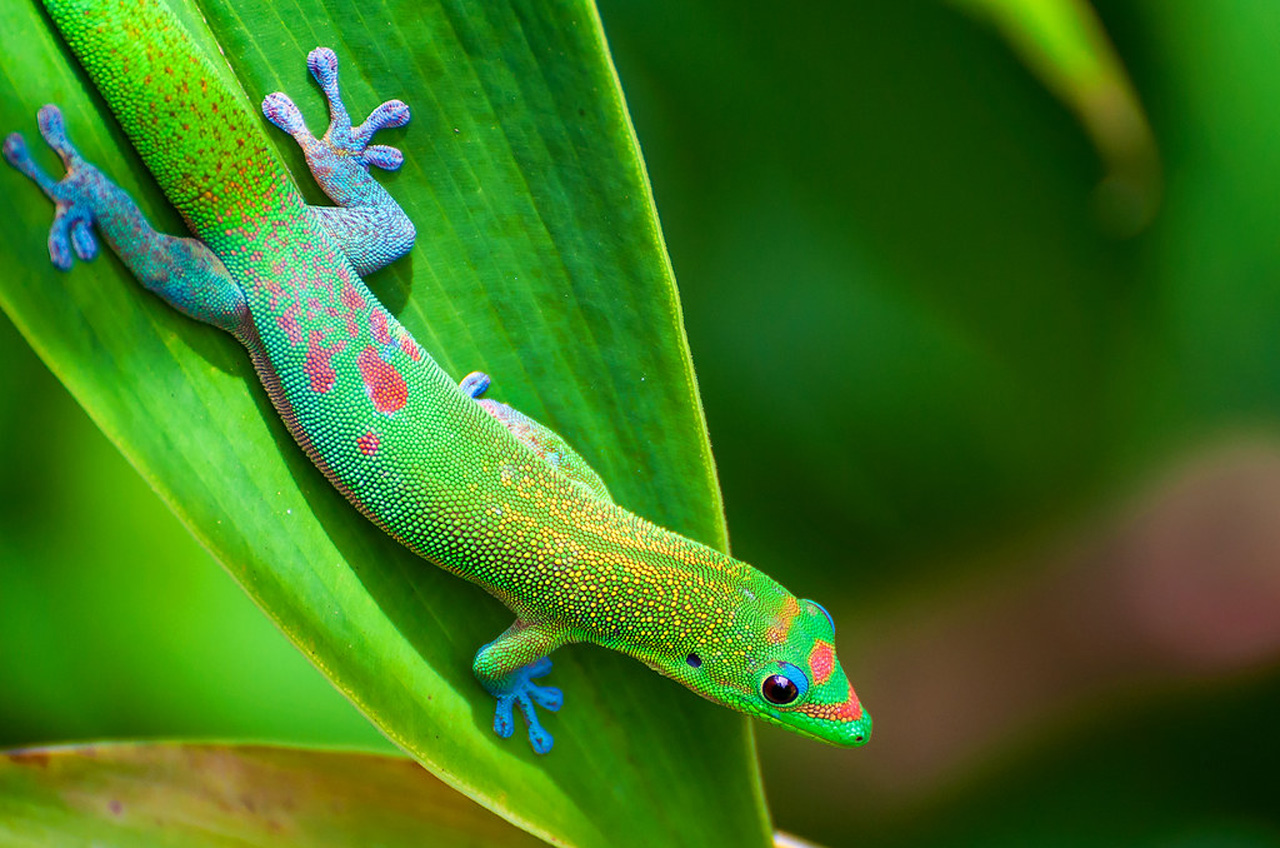
This gecko thrives in sunny, humid environments with plenty of foliage for hiding and climbing. It can often be found in gardens, along walls, or perched on palm fronds, enjoying the heat of the sun. Its love for vertical surfaces and humid atmospheres makes it a true arboreal enthusiast.
Physical Characteristics
The Gold Dust Day Gecko is not just striking in color; its physical traits are equally fascinating. Far from being just ornamental, this vibrant appearance serves a purpose. The gecko’s colors provide excellent camouflage among flowers, leaves, and tropical plants. This natural ability to blend in has made it not only a favorite among photographers and nature lovers but also an ambassador species for the Phelsuma genus.
- Size: Approximately 4.5 to 6 inches in length, from nose to tail.
- Color: A bright lime-green body, golden speckles, red dorsal markings, and turquoise or blue accents near its eyes.
- Build: Slender with large toe pads that allow it to cling to smooth surfaces.
- Unique Traits: Unlike most reptiles, the Gold Dust Day Gecko lacks eyelids and uses its tongue to keep its eyes clean.
Behavior and Ecology
Active during the day, the Gold Dust Day Gecko can often be spotted basking in the sunlight, sometimes on flower stalks or walls. Being diurnal, it thrives in daylight, making it easier to observe than nocturnal geckos. These little creatures are territorial; males often showcase bold behavior, especially during the breeding season.
From tail flicks to vibrant color changes, they use specific cues to communicate with one another. These behaviors, combined with their unique visual presence, make them endlessly fascinating to watch.
Reproduction
The reproduction process of the Gold Dust Day Gecko is as interesting as its appearance. These creatures are oviparous, meaning females lay eggs.
- Clutch Size: Typically, two soft, adhesive eggs are laid at a time.
- Egg Placement: Eggs are often hidden in bark crevices or on the underside of leaves.
- Incubation: Eggs take around 45–60 days to hatch, depending on environmental conditions.
Once the hatchlings emerge, they are fully independent and ready to take on the world.
Gold Dust Day Geckos as Pets
For those who simply can’t get enough of these little jewels, the Gold Dust Day Gecko is a popular pet option. However, they require specific care and are best suited for intermediate or advanced reptile keepers.
- Setup: A vertical terrarium with climbing structures, UVB lighting, and tropical humidity.
- Handling: These geckos are better kept as “display pets” rather than being handled, as they stress easily.
- Lifespan: With proper care, these geckos can live 8–10 years, making them a long-term commitment.
See the video below for an amazing and inspirational guide to setting up a vivarium for keeping your Gold Dust Day Geckos as pets! His setup is big enough for 4 small geckos.
Diet and Foraging
If you do want to try to keep one of these little guys as a pet, a diet of commercially available gecko fruit mixes and live insects can mimic their natural eating habits. They also have a diverse palate, making them an omnivorous wonder. Its natural diet includes:
- Small insects like crickets and fruit flies.
- Plant-based treats such as nectar, pollen, and overripe fruit.
- Sweet delights found on tropical plants.
Conservation Notes
While the Gold Dust Day Gecko is not endangered, decreasing natural habitats in Madagascar, primarily due to deforestation, pose a long-term risk. Introduced populations, such as those in Hawaii, remain stable but raise questions about their impact on native fauna. Ensuring ethical sourcing and promoting captive breeding are vital for both conservation and pet trade sustainability.
Fun Facts About the Gold Dust Day Gecko
- These geckos are often spotted licking sugary spills or ripe fruit in Hawaiian tourist areas!
- Their introduction to Hawaii likely stems from the pet trade or inadvertent importation through horticulture.
- Male geckos can become surprisingly assertive, defending their chosen basking spots with vigor!
Celebrate the Beauty of Gold Dust Day Geckos
The Gold Dust Day Gecko is more than just a pretty face. It’s a living testament to adaptation, beauty, and ecological intrigue. Whether you’re admiring it in its tropical habitat, snapping photos for your next science project, or caring for it in your home, this charismatic little reptile is a delight to behold.
If you’re drawn to the incredible world of geckos, take some time to explore the many ways you can learn or get involved. Don’t forget to share this with other reptile enthusiasts or anyone curious about exotic animals!