

Giant Day Gecko: The Real-Life Geico Gecko and Madagascar’s Brightest Climber
Have you ever wondered what inspired the famous Geico Gecko mascot? Meet the Giant Day Gecko, the gecko that’s as captivating and cute in real life as it is in the Geico Insurance commercials! This emerald-green marvel from Madagascar is one of nature’s most colorful little exotic creatures and an amazing reptile pet, if you are game for it.
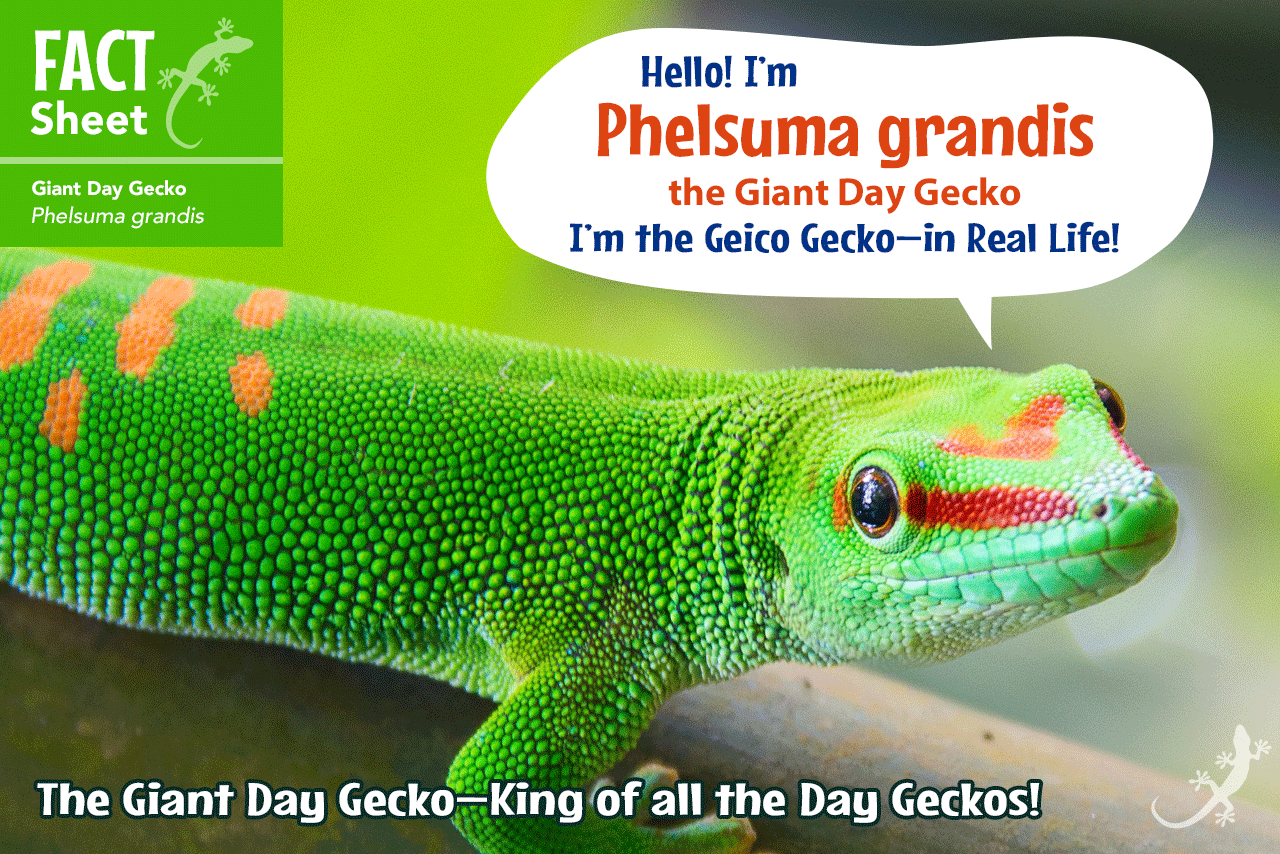

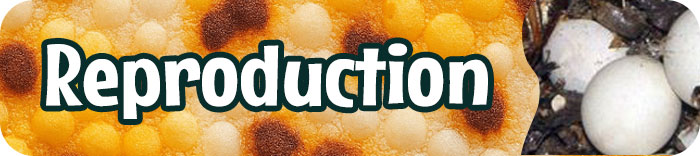




Table of Contents
- The Real-Life Geico Gecko!!!
- Scientific Classification and Taxonomy
- Geographic Range and Natural Habitat
- Physical Characteristics That Dazzle
- Behavior and Daily Life
- Reproduction and Life Cycle
- Life in Captivity: Giant Day Geckos as Pets
- Conservation Status and Environmental Impact
- Amazing Giant Day Gecko Fun Facts
- In Conclusion
The Real-Life Geico Gecko!!!
This gecko species profile needs to take a little detour of difference from the other ones you’ve been checking out! Why? Well, because of the charming gecko with the British accent from those insurance commercials, of course! If you are a fan of geckos, you love that a gecko was chosen as an advertising branding icon and brand mascot. But what species from the real world of geckos is the Geico Gecko?
I think it is obvious the artist who created this beloved character drew their inspiration directly from the Giant Day Gecko! I believe it is well known that the animated mascot’s brilliant green skin, ruby-red markings, large expressive eyes, and curious personality are…Phelsuma grandis!
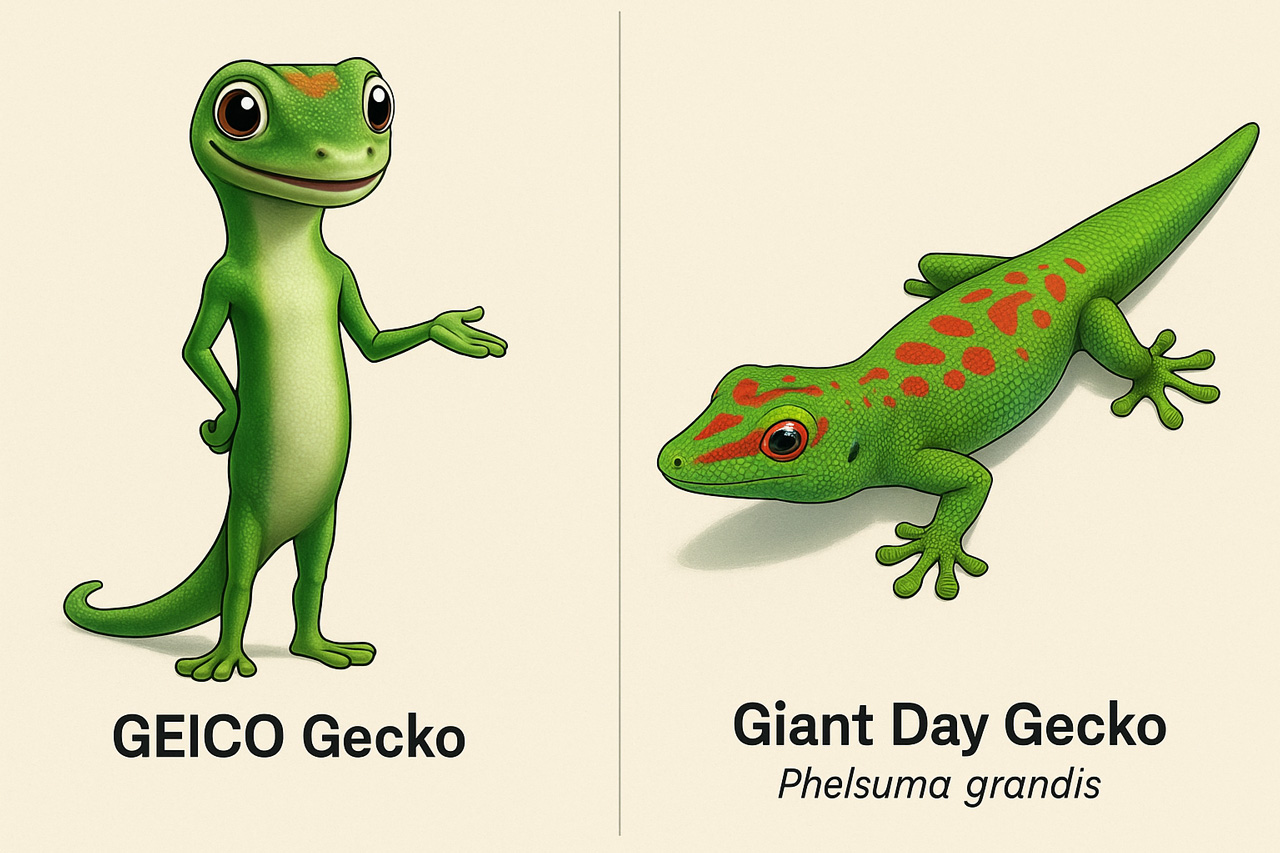
As someone who has had a career in advertising, marketing, and design myself, I’ve found the Geiko Gecko to be a great example of fun and effective marketing genius. Check out a great compilation below of some of the earlier Geico Gecko commercials!
Some of the most fun are the ones with Martin, the Geico Gecko, talking with real geckos! See him talking about getting the word out about saving on car insurance with real Giant Day Geckos and even a Leopard Gecko, so fun! For a deeper dive into the marketing history of Martin, the Geico Gecko go here!
It’s not surprising that the Geico advertising icon and mascot has helped bring more attention to these amazing reptiles, sparking interest in gecko conservation and appreciation for Madagascar’s unique wildlife–how cool is that!?
Scientific Classification and Taxonomy
Understanding where the Giant Day Gecko fits in the animal kingdom helps us appreciate its unique place in nature:
Kingdom: Animalia
Phylum: Chordata
Class: Reptilia
Order: Squamata
Family: Gekkonidae
Genus: Phelsuma
Species: P. grandis
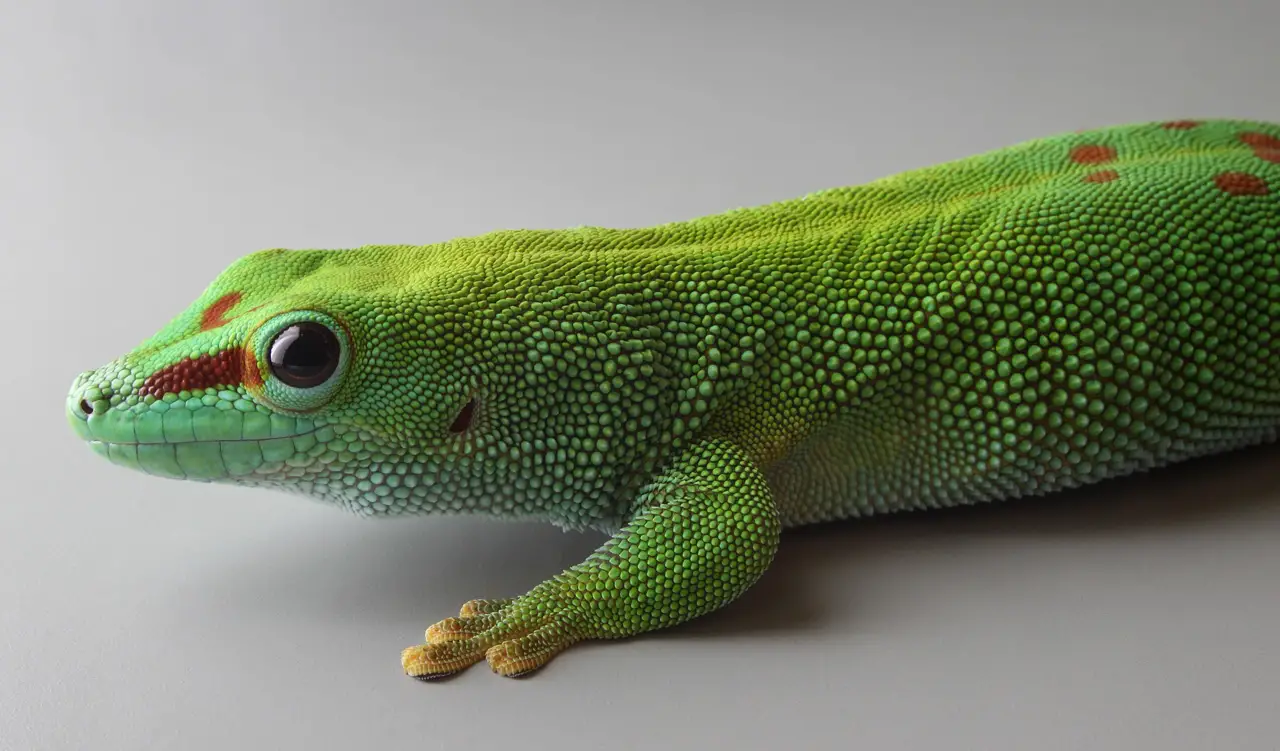
You might also hear people just call them Madagascar Day Geckos, but to be noted is that there are two separate species, and the obvious thing that separates the “Giant” ones from the other Madagascar Day Geckos is that they are just bigger. The scientific name “grandis” comes from Latin, meaning “large,” and these geckos do live up to their name, growing up to 12 inches long!
Geographic Range and Natural Habitat
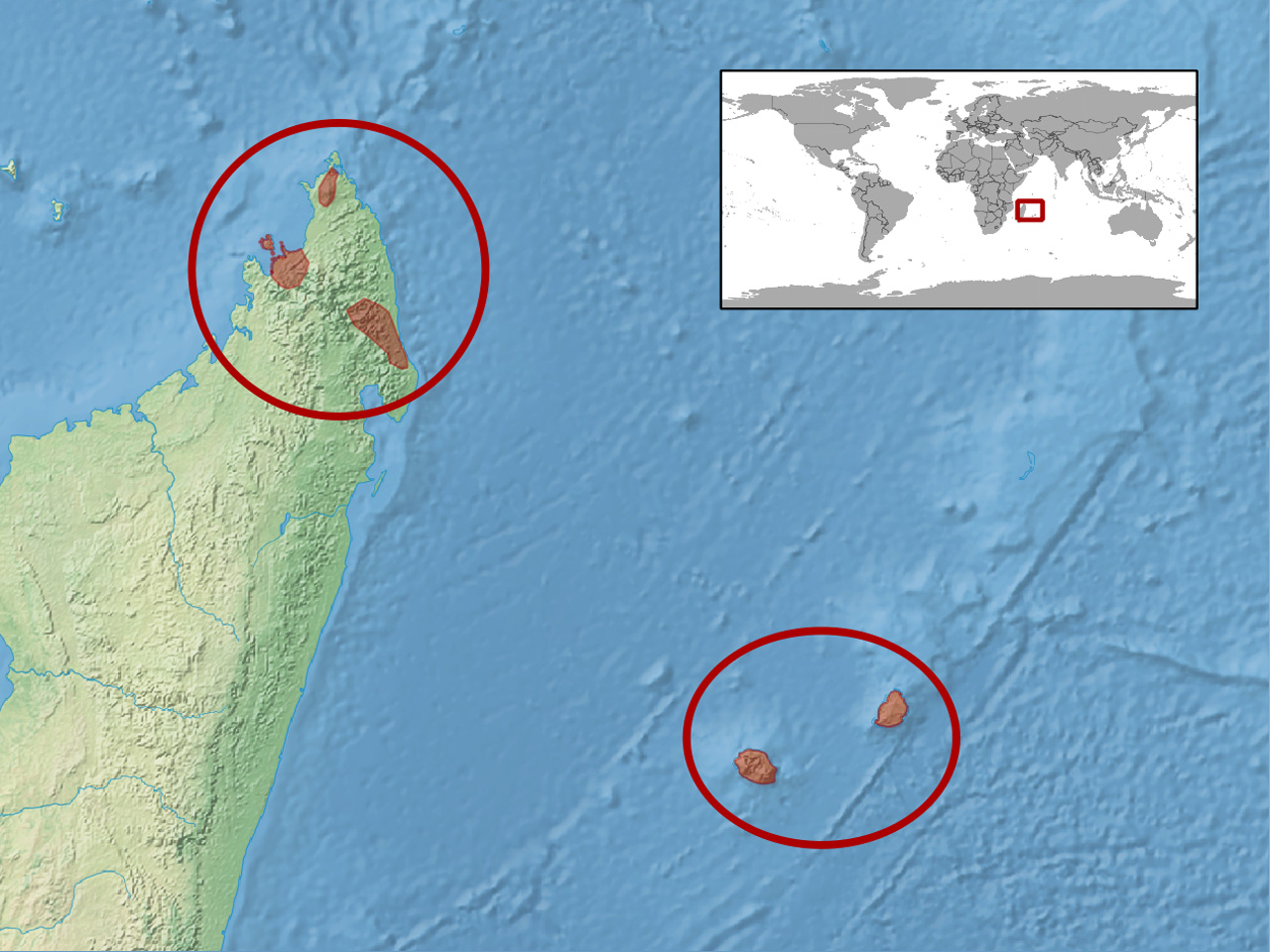
Madagascar’s northern regions serve as the primary home for these awesome geckos. Here, they thrive in tropical and subtropical forests where humidity levels stay high and sunlight filters through the canopy. These geckos have also established populations on nearby Mauritius and the Reunion Islands, and you can even find some in parts of Florida!
Their preferred hangouts include banana plants, palm trees, and bamboo stands—anywhere they can bask in dappled sunlight while staying close to food sources. You’ll often spot them on walls, tree trunks, and large leaves, always positioned to catch the morning sun.
The humid, warm environment of their native habitat shapes everything about how these geckos live, from their feeding patterns to their breeding cycles.
Physical Characteristics That Dazzle
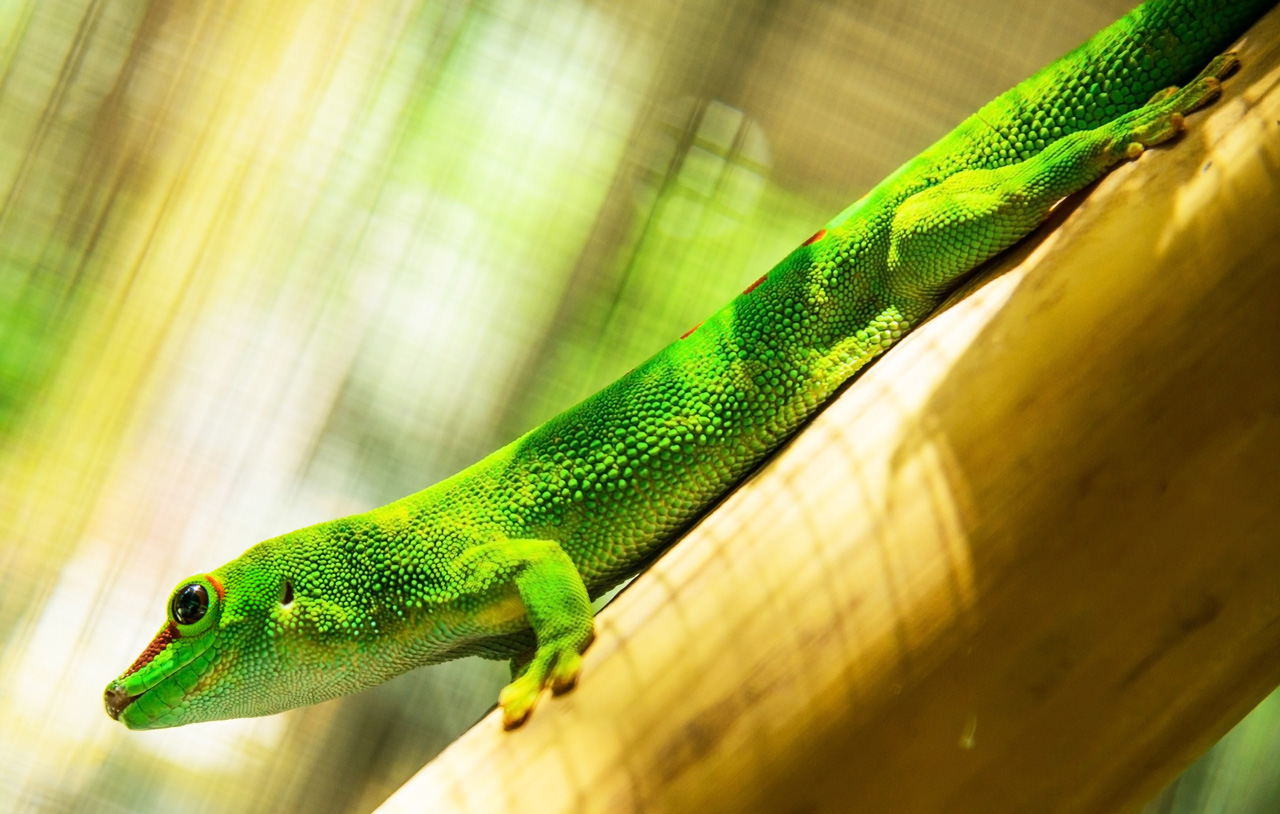
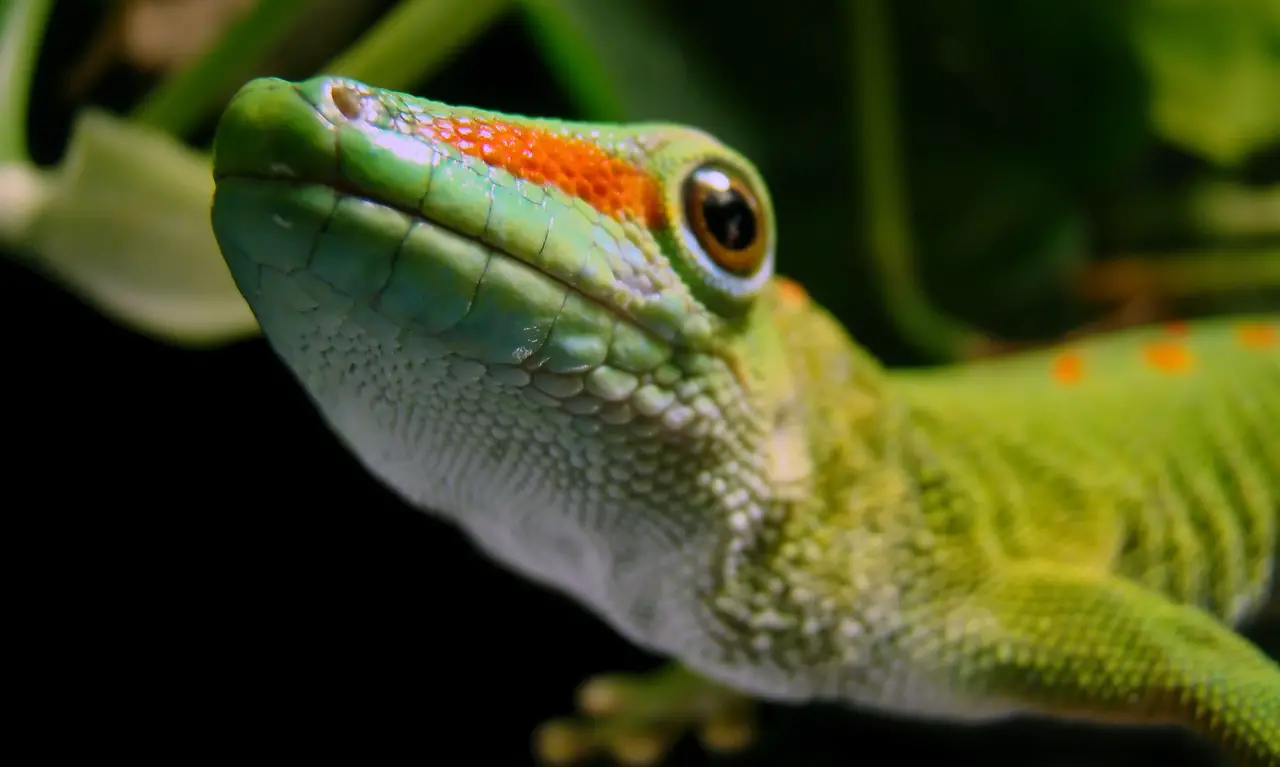
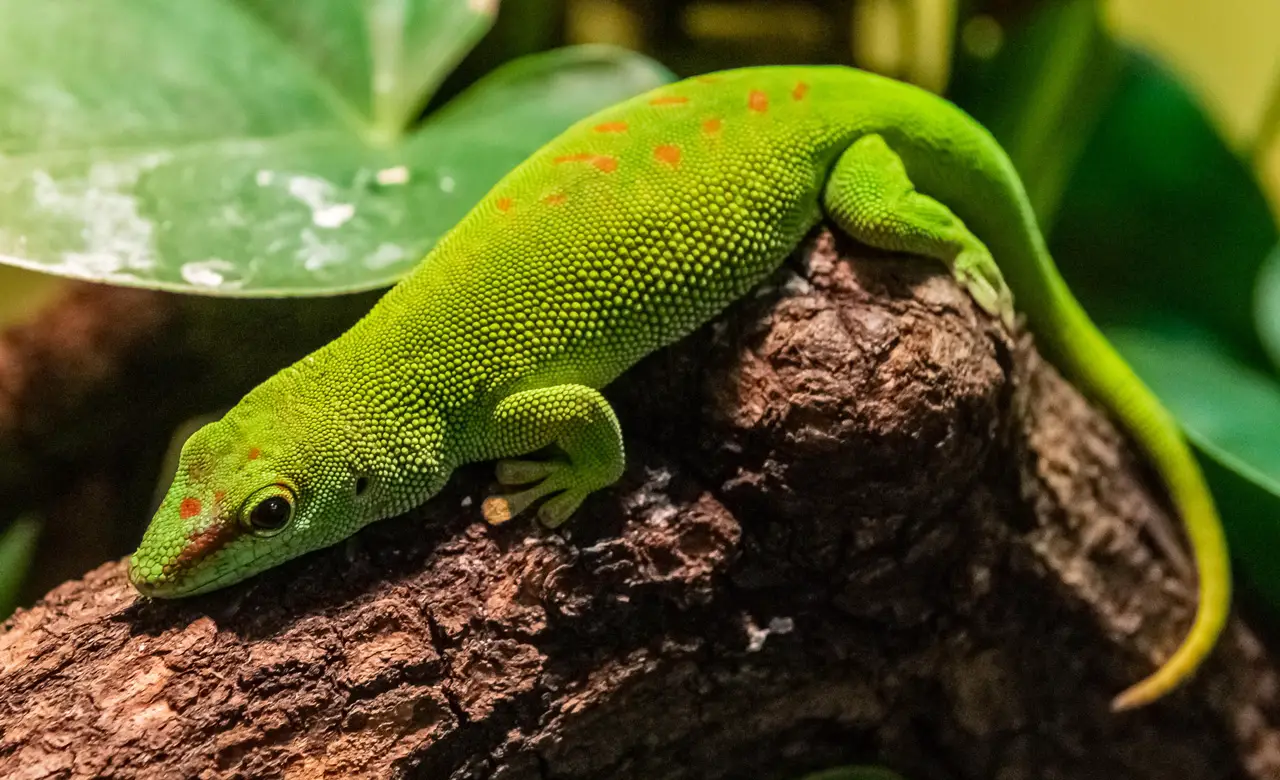
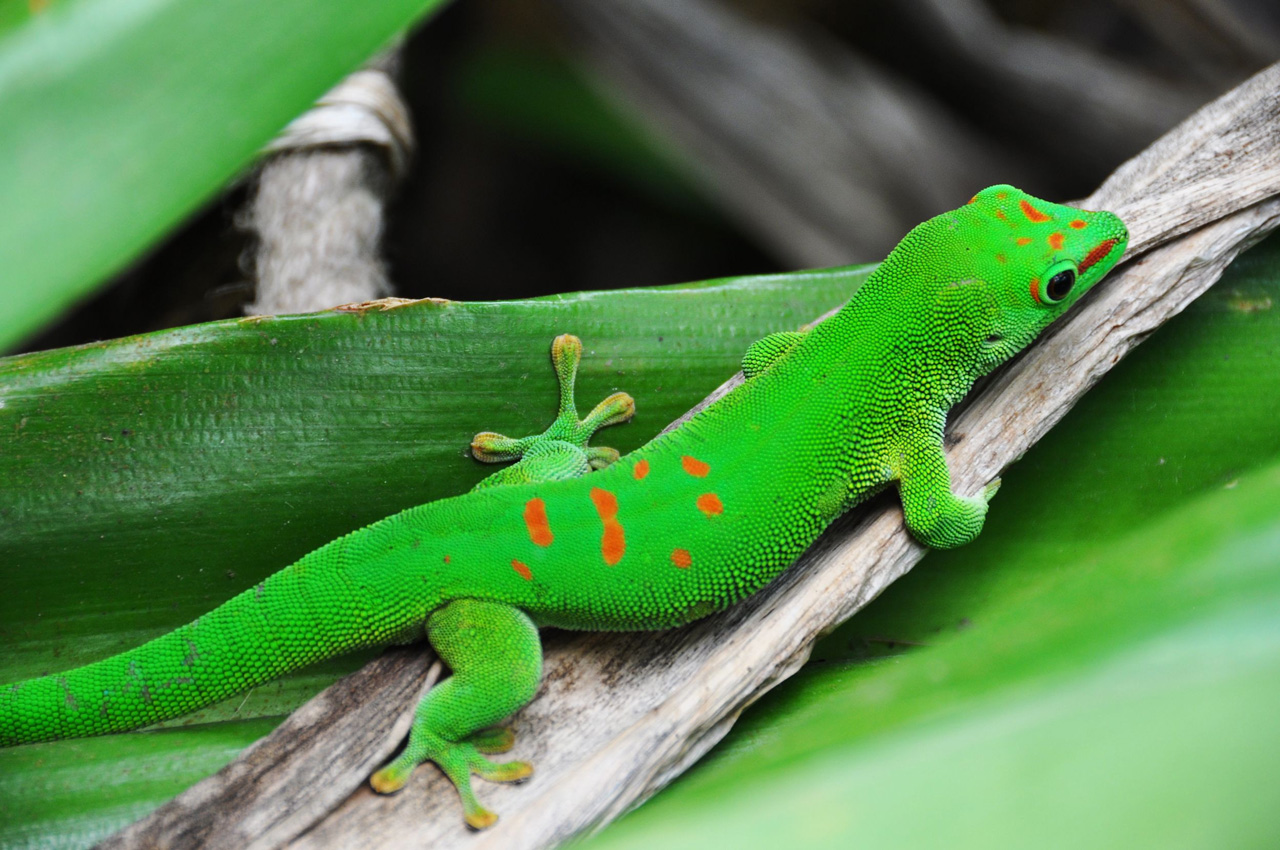
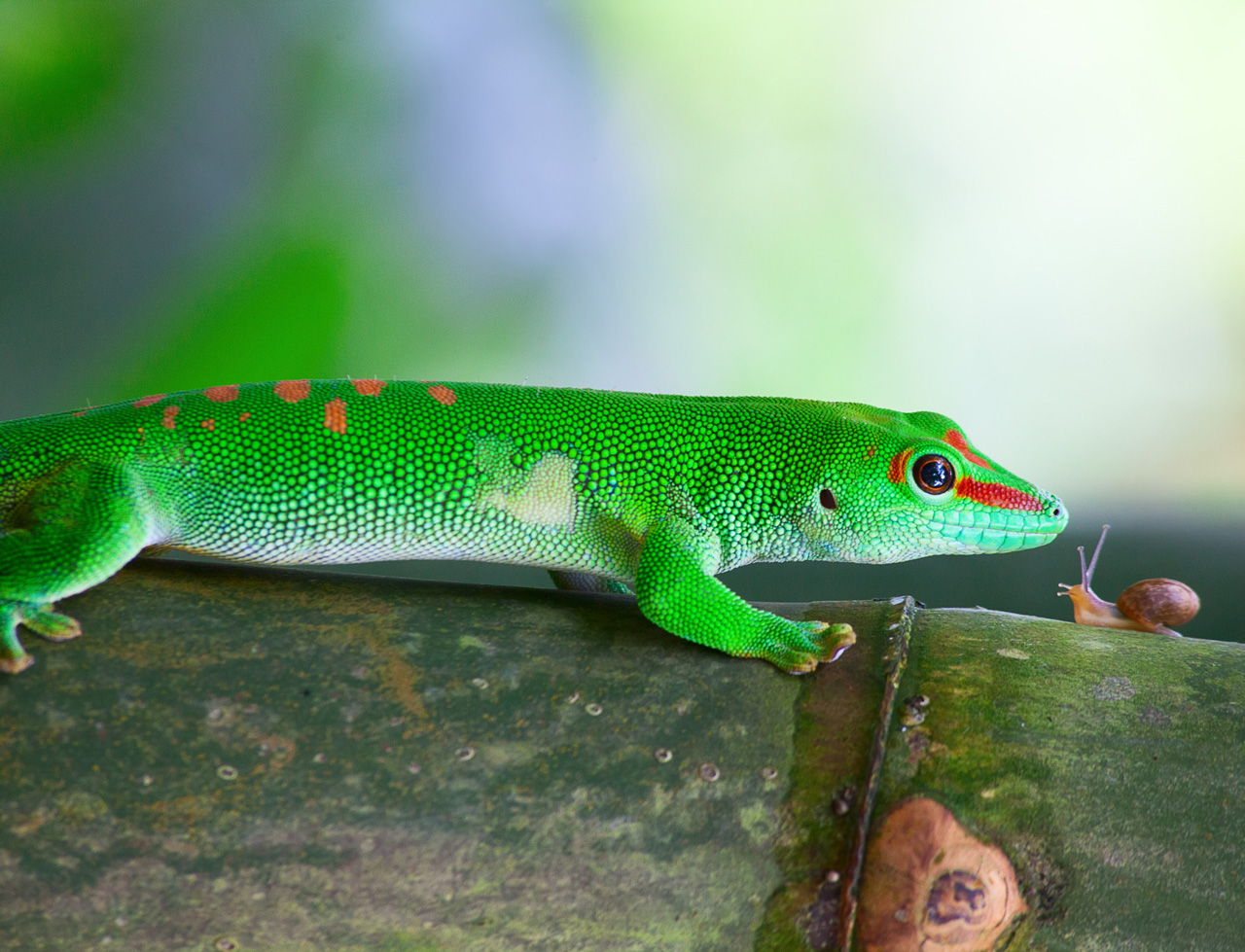
Giant Day Geckos are truly living jewels! Measuring 10 to 12 inches in total length, they rank among the largest day geckos in the world. Their most striking feature is undoubtedly their vivid lime-green body, which often displays brilliant red dorsal spots or stripes. Some individuals sport bluish tails or limbs that add even more color to their already spectacular appearance.
Their large toe pads deserve special mention—these amazing adaptations allow them to climb vertical surfaces and even walk upside down on glass! Each toe pad contains thousands of tiny hairs called setae that interact with surfaces at the molecular level.
Behavior and Daily Life
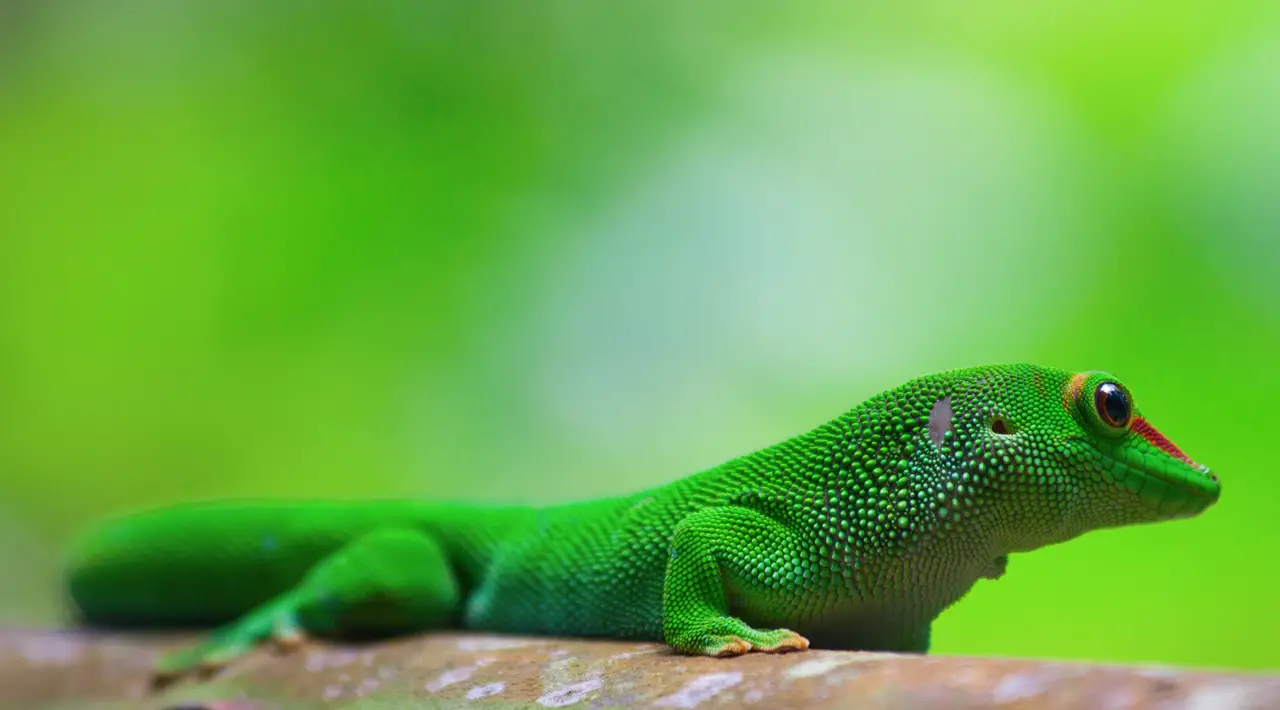
Unlike most geckos that prefer nighttime activities, Giant Day Geckos are proudly diurnal—they’re up and active during daylight hours! This makes them perfect for observation and study.
These geckos have bold, energetic personalities, and the males can be quite territorial, especially during breeding season. Like a lot of lizards they communicate through various body postures, head-bobbing displays, and occasional vocal clicks. Their fast-moving nature and curious disposition make them endlessly entertaining to watch.
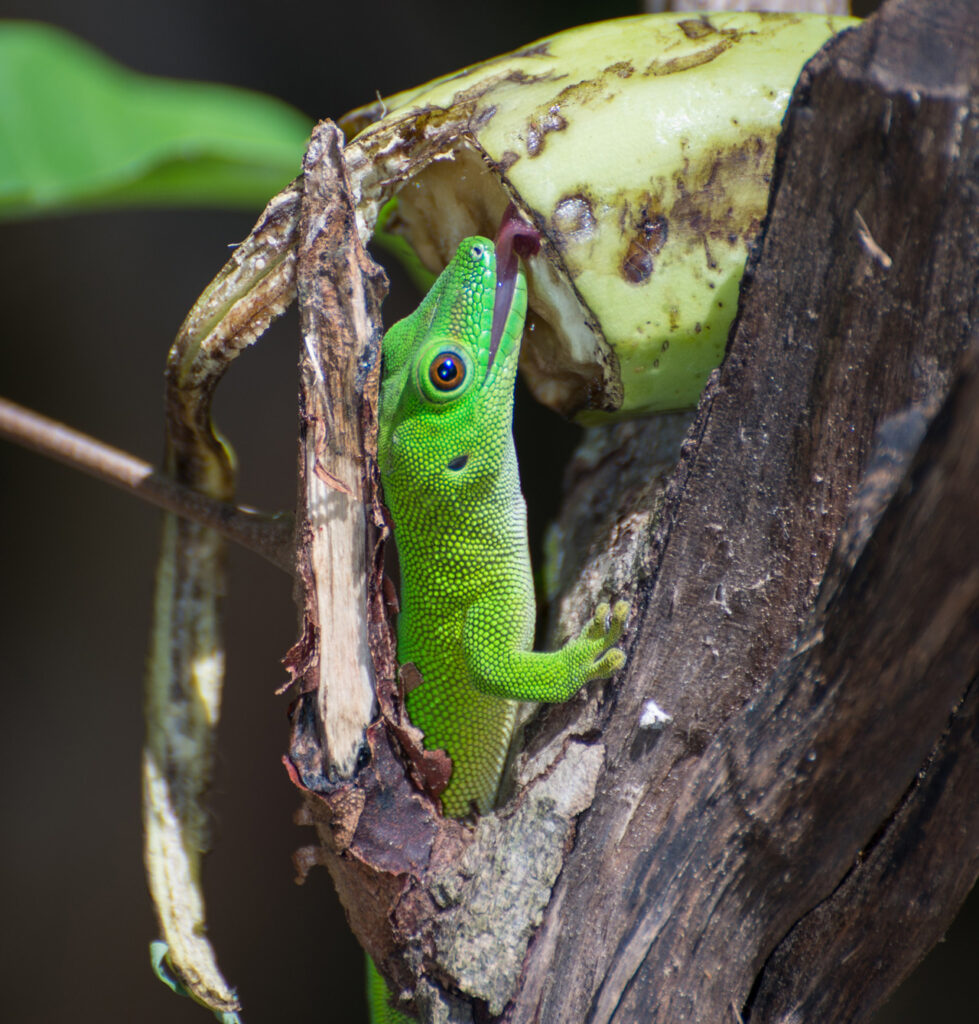
You’ll often observe them basking in sunlight, a behavior that’s crucial for their health and digestion. They’re also frequently seen licking nectar from flowers, showcasing their important role as pollinators in their ecosystem. This is interesting, since at least for me, I thought pollinators were exclusively flying insects; bees and such.
Reproduction and Life Cycle
Giant Day Geckos are oviparous, meaning they lay eggs. Females typically lay two eggs per clutch, carefully hiding them in sheltered spots like tree hollows or behind bark. The incubation period lasts 45 to 75 days, depending on temperature and humidity conditions.
Baby geckos emerge fully independent and ready to take on the world! With proper nutrition, they grow rapidly and can reach adult size within their first year. This quick development helps ensure their survival in the wild.
Life in Captivity: Giant Day Geckos as Pets
Giant Day Geckos have become popular in the reptile-keeping community due to their stunning colors and engaging personalities. However, they’re not ideal pets for beginners! These geckos require tall, well-planted enclosures with UVB lighting, high humidity (60-80%), and daily misting.
One crucial point for potential keepers: these geckos don’t tolerate handling well. Their skin is delicate and can be easily damaged, so they’re best appreciated as display animals rather than hands-on pets. With proper care, they can live up to 15 years in captivity.
If you do want to take on a Giant Day Gecko as a pet, here’s the lowdown on their diet and foraging habits. They are omnivores with diverse appetites! In the wild, they consume insects, fruit, nectar, pollen, and flower sap. This varied diet makes them important participants in their ecosystem—they help control insect populations while also pollinating plants, as mentioned above.
Besides enjoying lapping up nectar and soft foods, they’re also skilled hunters when it comes to catching insects. In captivity, they thrive on fruit-based commercial diets supplemented with appropriate insects.
One of the most delightful aspects of these geckos is their willingness to lick sugary foods like mashed banana, fruit nectar, or specialized gecko treats. This behavior makes them unique among reptiles and adds to their appeal as captive animals. Check out the video below for a deeper dive into keeping a Giant Day Gecko as a pet. Clint has great information, and as the expert, he can help out here a lot!
Conservation Status and Environmental Impact
Currently, Giant Day Geckos aren’t considered endangered, but habitat loss in Madagascar remains a long-term concern. Fortunately, they’re thriving in some non-native areas, though they’re considered invasive in certain habitats.
Most geckos in the pet trade today are captive-bred, which supports ethical keeping practices and reduces pressure on wild populations. This breeding success story shows how responsible reptile keeping can contribute to conservation efforts.
Amazing Giant Day Gecko Fun Facts
Here are some incredible facts that make Giant Day Geckos even more special:
Firstly, a very fun fact that might surprise you is that Giant Day Geckos don’t have eyelids! Instead, like many geckos you’ve already read about on this site (Cresties, Gargoyles, etc.) they use their tongues to clean their eyes, which creates one of their most endearing behaviors. Watching a gecko carefully lick its own eyeball, I think, is weirdly entertaining! But here are some other cool things to know…
- Their skin contains reflective cells called iridophores that make them glow in bright light!
- They’re among the few lizards that actively seek out and consume sweet foods like fruit nectar!
- They can run up glass walls and hang upside down thanks to millions of microscopic toe hairs!
- They got to be costars with Martin, the animated Geico Gecko, in some early Geico Insurance commercials! (See video above!)
In Conclusion
The Giant Day Gecko represents everything exciting about the natural world—stunning beauty, unique adaptations, and fascinating behaviors that continue to surprise researchers and enthusiasts alike. From an entertaining, beloved animated character to serving as important pollinators in Madagascar’s forests, these remarkable reptiles have earned their place as one of nature’s most captivating creatures.
Giant Day Geckos offer endless opportunities for discovery and wonder. Their vibrant presence reminds us why protecting unique ecosystems like Madagascar’s matters so much–it would be sad to lose an amazing (and adorable) creature like the Giant Day Gecko!