

Gargoyle Geckos: The Living Stone Sculptures of New Caledonia
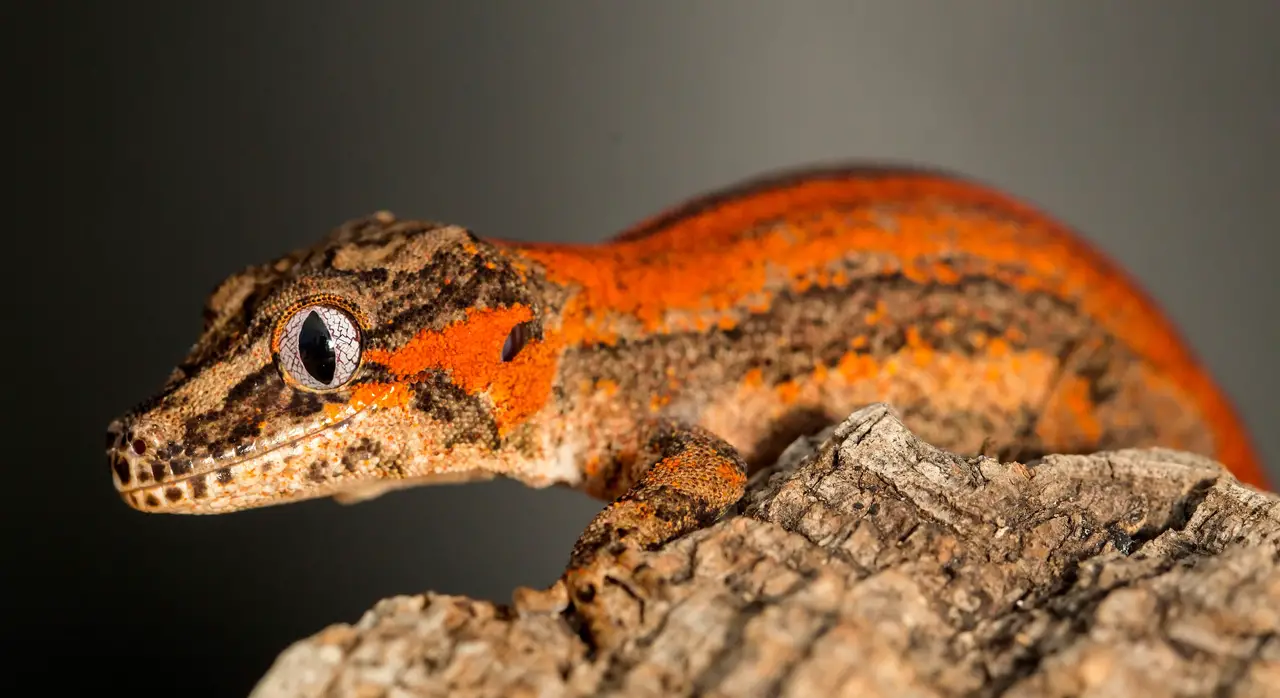
Meet the Gargoyle Gecko—a captivating reptile that combines the rugged appeal of ancient stone carvings with the vibrant colors of a painter’s palette! Endemic to the lush forests of New Caledonia, this arboreal gecko has become a favorite among reptile enthusiasts and scientists alike.
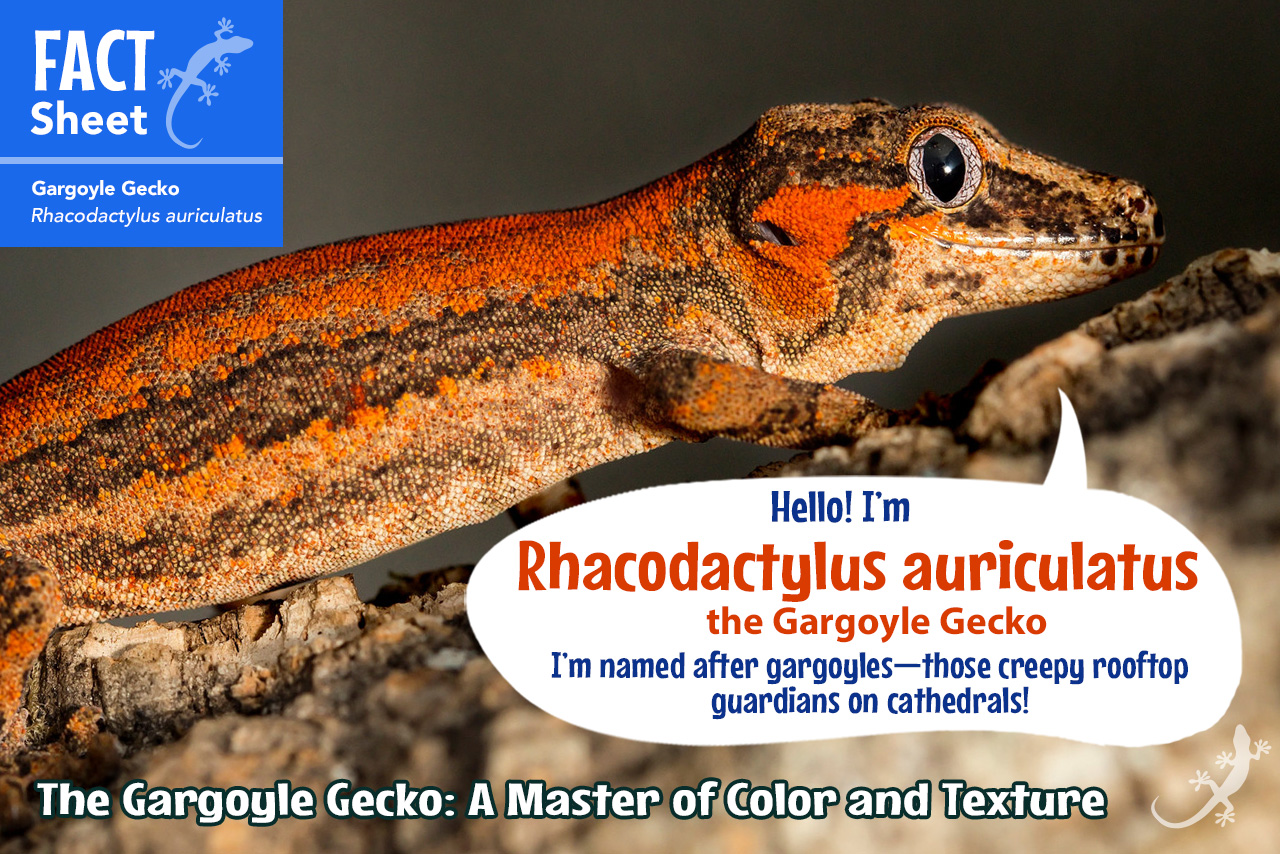
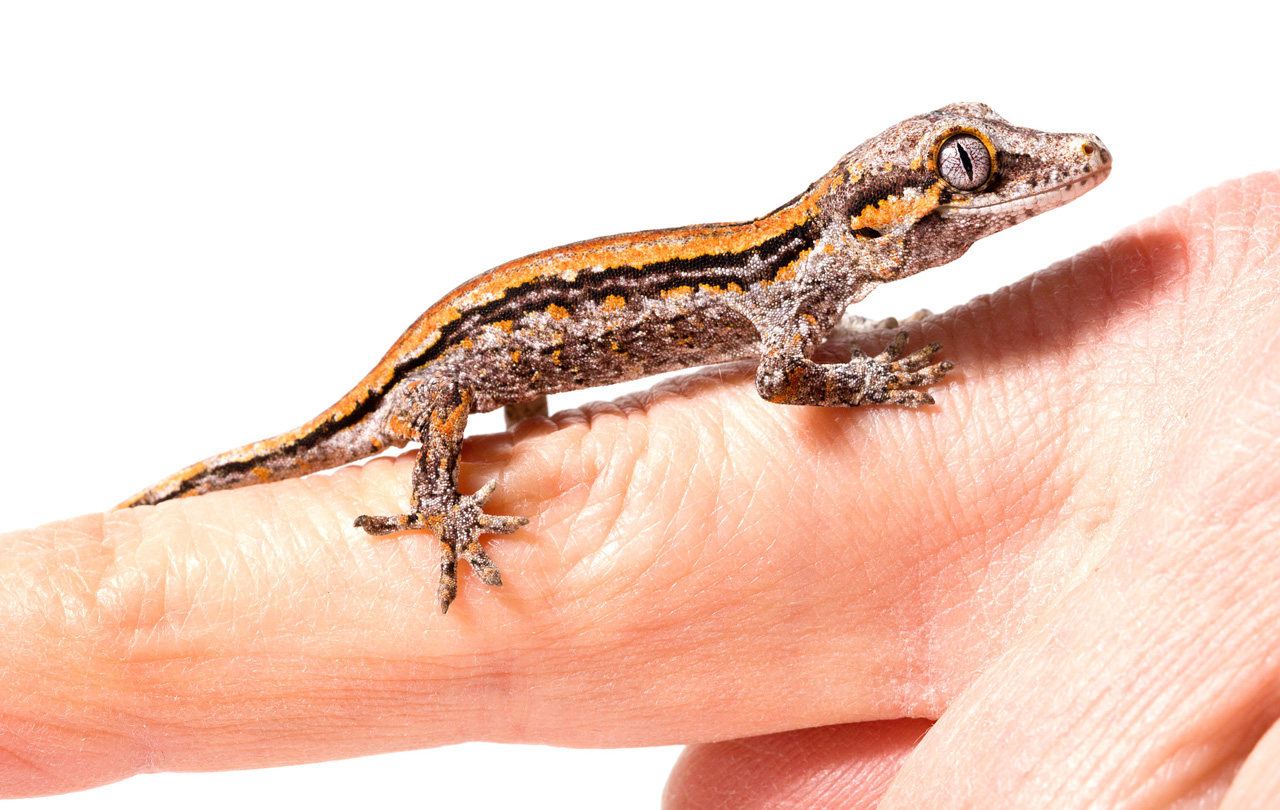
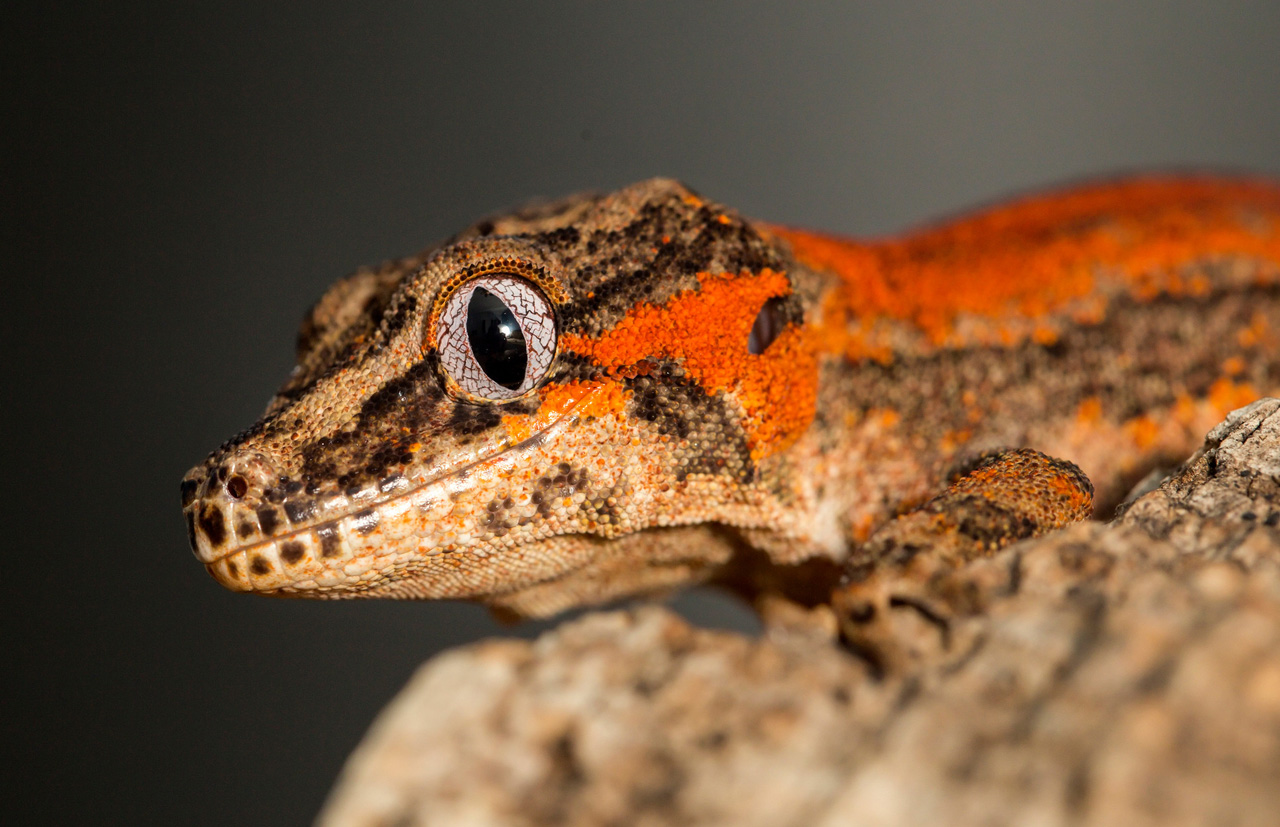
Gargoyle Geckos are masters of color and texture! These remarkable reptiles display an incredible array of morphs—from bold stripes and dramatic blotches to intricate mottled colored patterns to give them a hand-painted look.
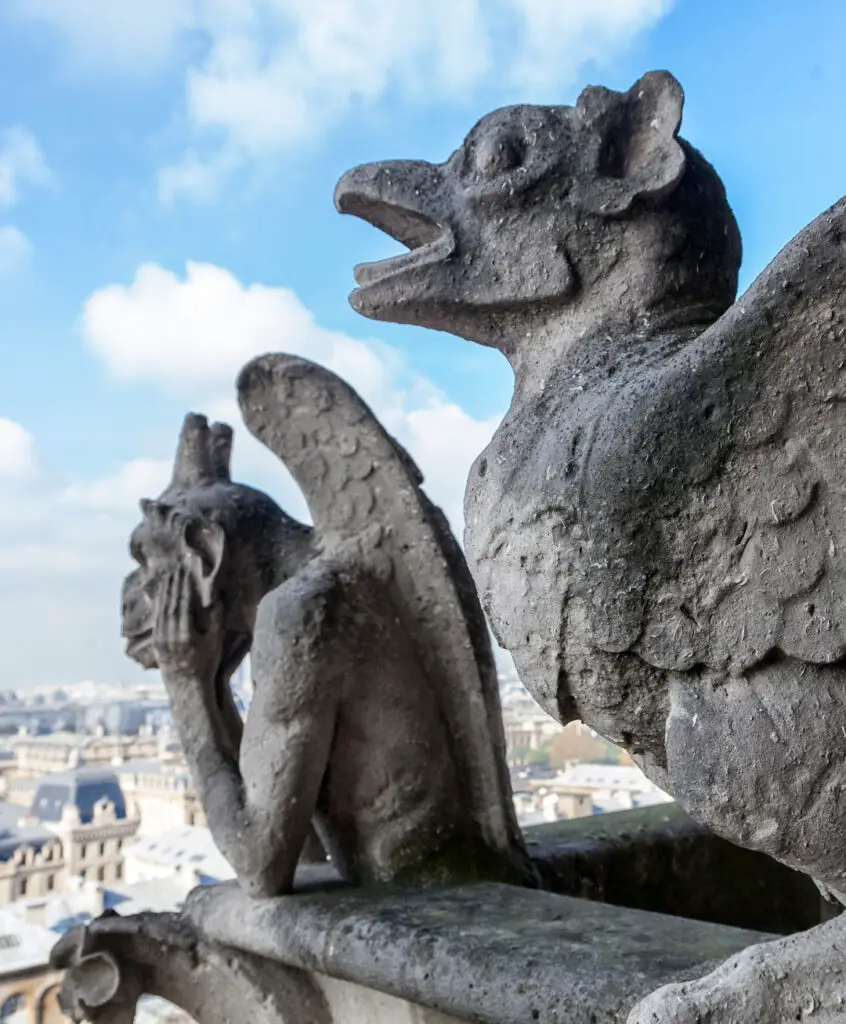
But of course, it’s their bumpy, textured skin and their distinctive bony cranial ridges above their eyes (like little horns or ears) that give them that characteristic “carved from stone” appearance. This earned them their gothic nickname–Gargoyle Gecko!







Table of Contents
- Scientific Classification: Meet Rhacodactylus auriculatus
- Geographic Range and Natural Habitat
- Physical Characteristics: Built for Adventure
- Behavior and Ecology: The Calm Climbers
- Reproduction: The Next Generation
- Gargoyle Geckos in Captivity: Perfect Pets for Gecko Enthusiasts
- Conservation: Protecting New Caledonia’s Treasures
- Fun Facts About Gargoyle Geckos
- Your Gateway to Gecko Wonder
Scientific Classification: Meet Rhacodactylus auriculatus
Let’s dive into the science behind these amazing creatures! Understanding their taxonomy helps us appreciate just how unique they are:
- Kingdom: Animalia
- Phylum: Chordata
- Class: Reptilia
- Order: Squamata
- Family: Diplodactylidae
- Genus: Rhacodactylus
- Species: R. auriculatus
The species name auriculatus comes from Latin and means “eared,” referring to those distinctive head ridges that make them look so prehistoric and fascinating, giving them that look that reminds us of the stone gargoyles often seen perched on the rooftops of ancient European churches and cathedrals.
Geographic Range and Natural Habitat
Gargoyle Geckos are found exclusively on Grand Terre, the main island of New Caledonia in the South Pacific. This makes them what scientists call “endemic species”—they exist nowhere else on Earth naturally!
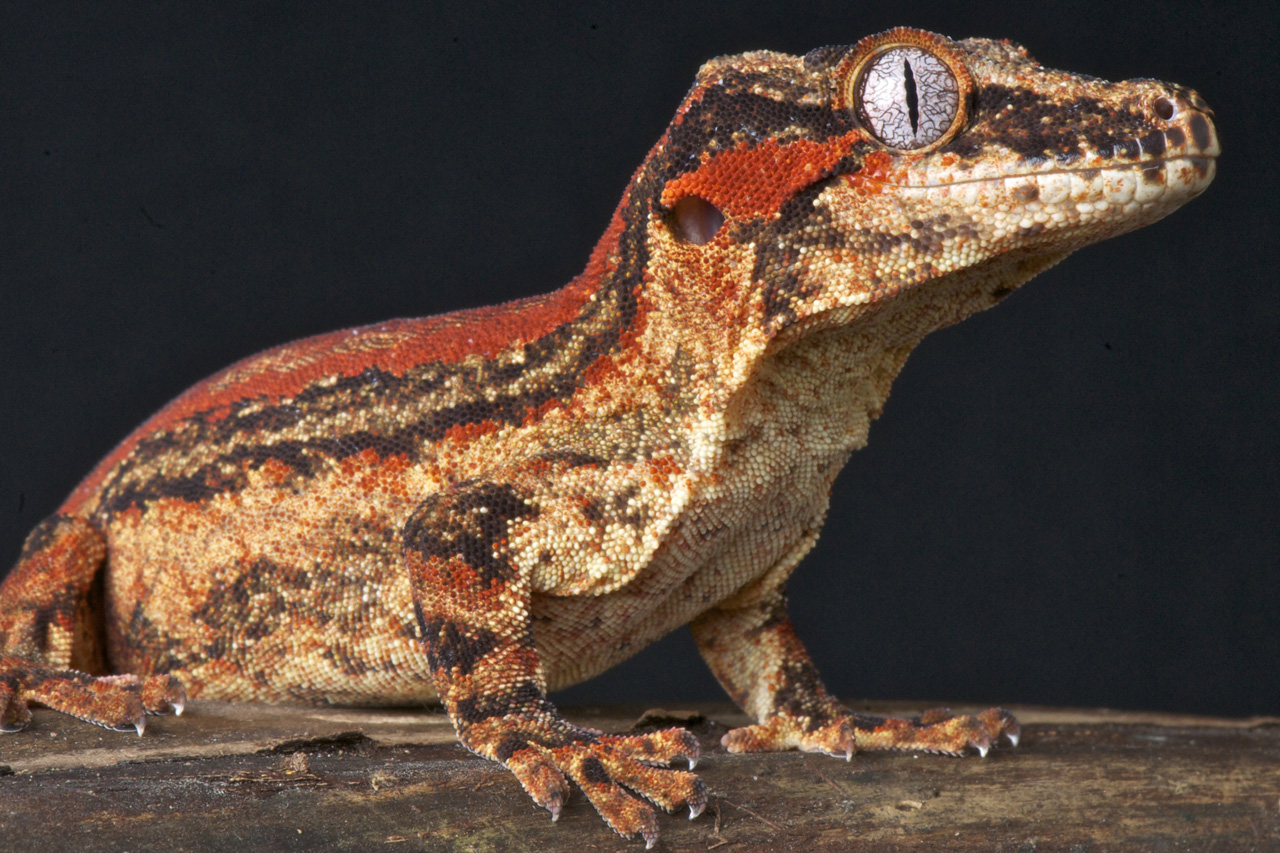
These nocturnal climbers make their homes in humid, subtropical forests, spending most of their time in the low to mid-level canopy zones and rocky outcrops. When the sun sets, they come alive, emerging from their hiding spots to hunt and explore their arboreal world. The dense, misty forests of New Caledonia provide the perfect backdrop for these living gargoyles to thrive.
Physical Characteristics: Built for Adventure
Gargoyle Geckos are perfectly sized for both wild adventures and captive care, typically reaching 7-9 inches in total length including their tail. Those famous bony ridges above their eyes give them an almost mythical appearance, while their coloration ranges from earthy browns, oranges, grays, and reds to incredibly vibrant designer morphs developed in captivity.
Their toes are equipped with climbing pads, though they’re slightly less adhesive than those of Crested Geckos. This means they rely more on gripping and walking rather than the sticky-footed clinging you might expect. This adaptation makes them excellent climbers while also making them more terrestrial than some of their gecko relatives.
Behavior and Ecology: The Calm Climbers
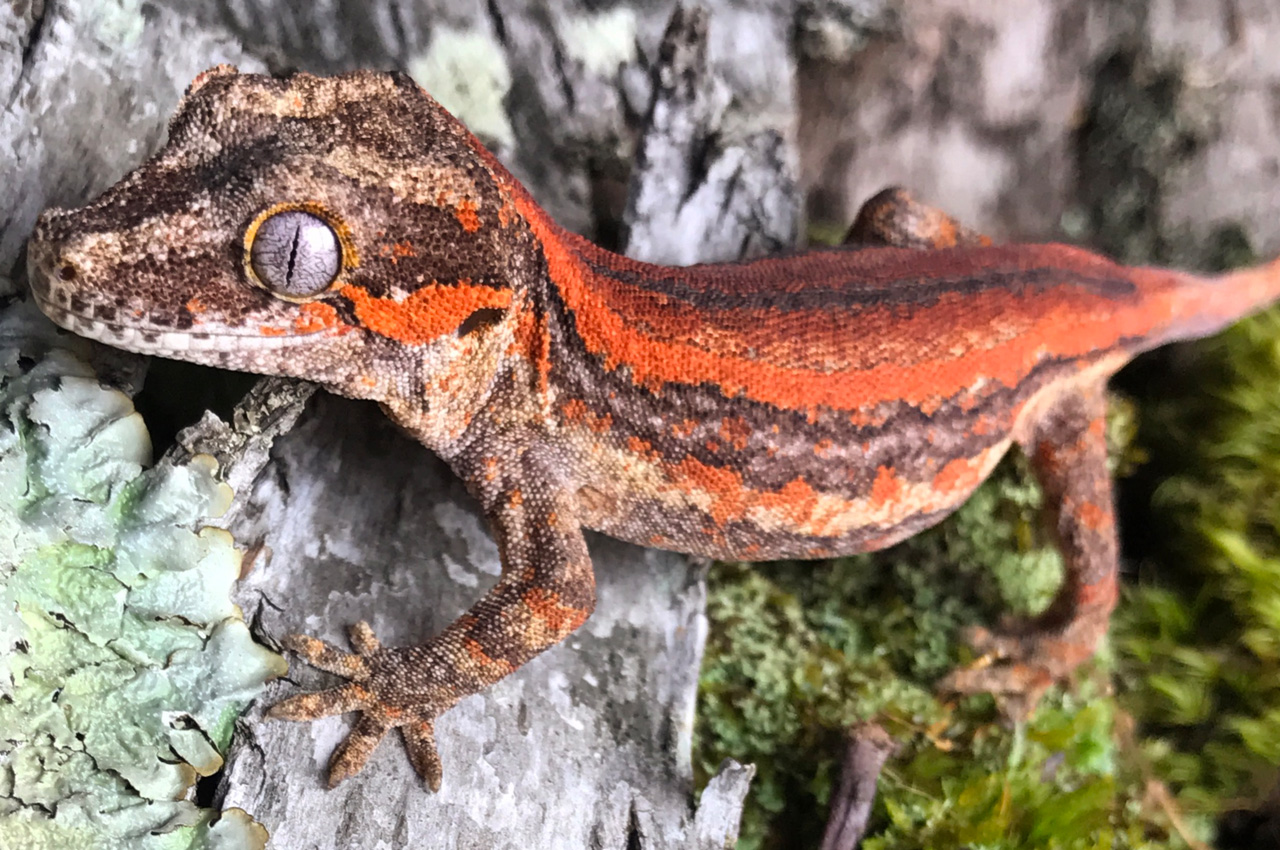
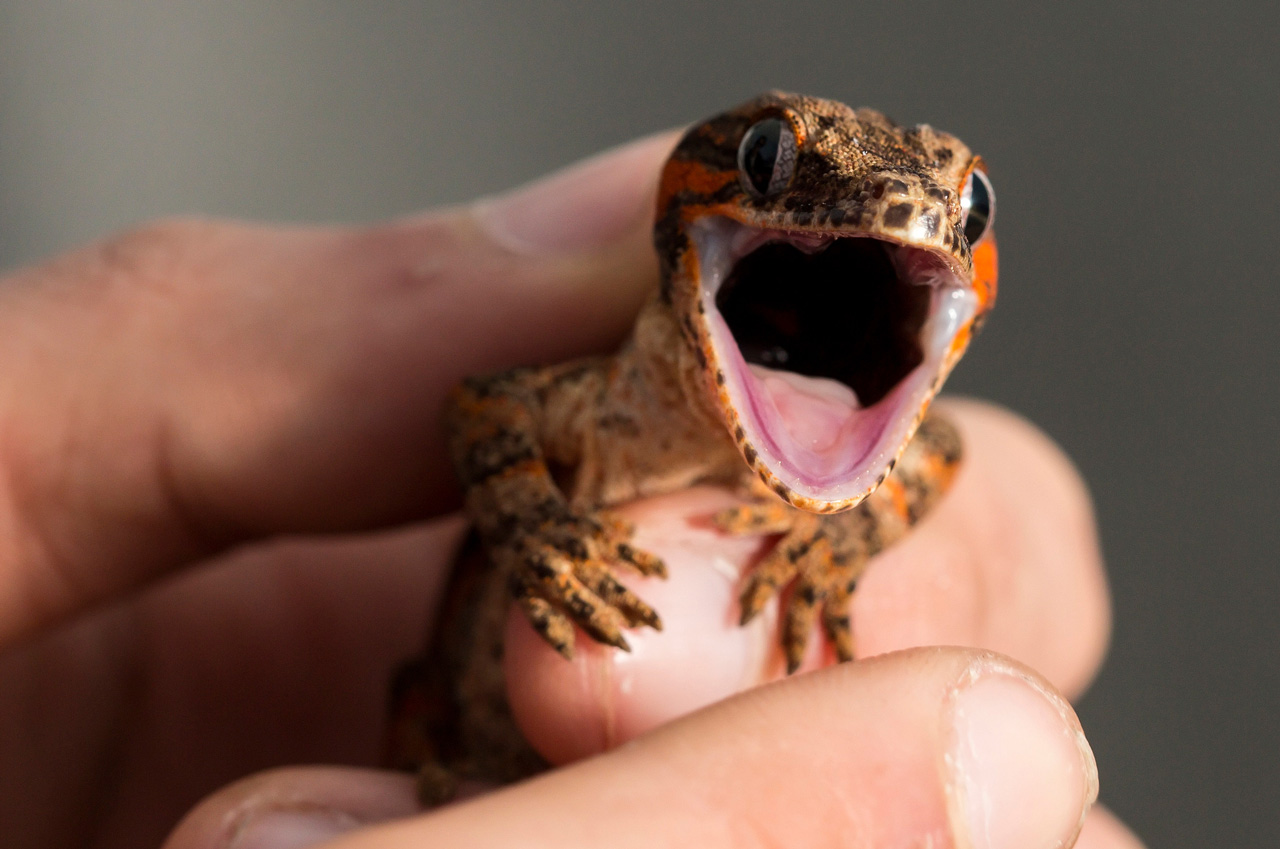
One of the most appealing aspects of Gargoyle Geckos is their temperament. These nocturnal climbers are known for their remarkably calm demeanor, often described as more “handleable” than other Rhacodactylus species. This makes them excellent candidates for interactive learning and observation!
They communicate through fascinating behaviors, including tail waving, various vocalizations, and specific postures. When they’re stressed or trying to communicate with other geckos, you might observe these interesting behavioral displays. However, males can be territorial, so they shouldn’t be housed together in captivity—something important to remember if you’re considering keeping multiple geckos.
Reproduction: The Next Generation
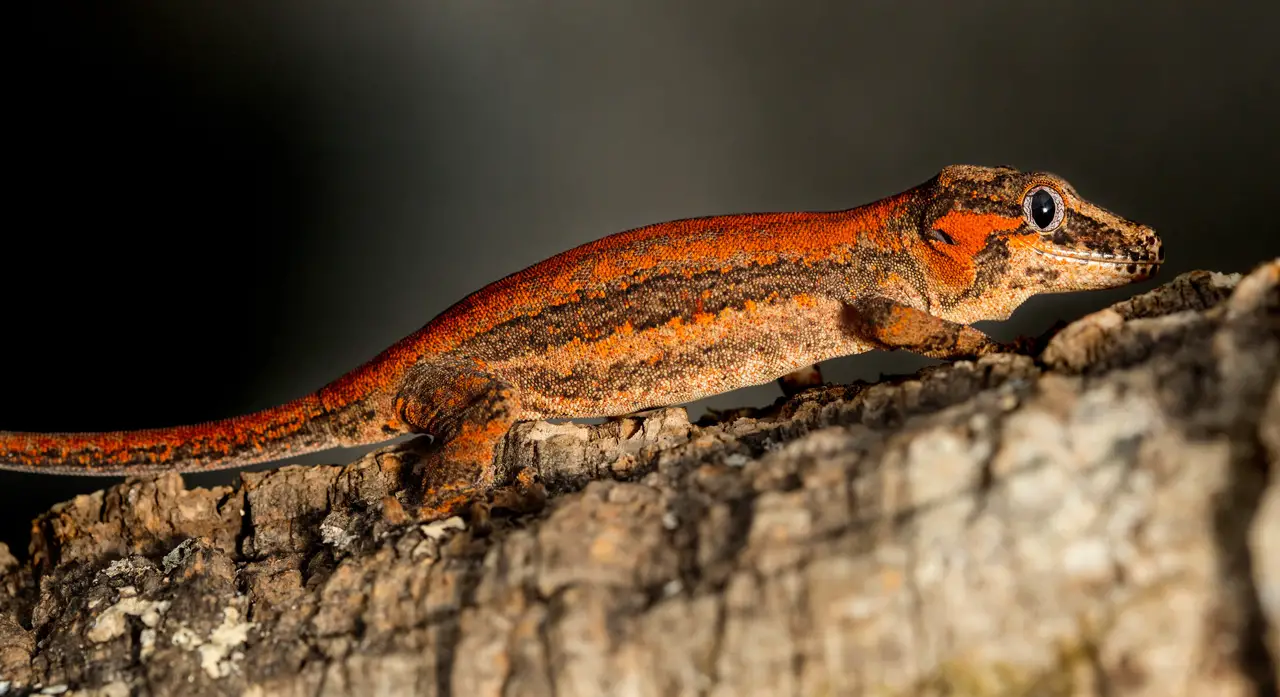
Female Gargoyle Geckos are oviparous, meaning they lay eggs rather than giving birth to live young. During breeding season, females typically lay two eggs per clutch every 30-45 days. These eggs are carefully buried in moist substrate or tucked into natural crevices for protection.
The incubation period ranges from 60-90 days, depending on temperature conditions. When the babies hatch, they look like perfect miniature versions of their parents! As juveniles grow, their pattern intensity develops and becomes more pronounced over time.
Gargoyle Geckos in Captivity: Perfect Pets for Gecko Enthusiasts
These remarkable reptiles are ideal for intermediate to advanced reptile keepers. They require vertical enclosures with plenty of branches, hiding spots, and moderate humidity levels between 50-70%. The temperature requirements are quite manageable, ranging from 72-80°F with no need for extreme heat sources.
With proper care, Gargoyle Geckos can live 15-20+ years in captivity! They can become quite gentle and tolerant of handling when provided with regular, low-stress interactions and appropriate environments.
To take a deeper dive into the Gargoyle Gecko’s diet, they are “opportunistic omnivores!” In their natural habitat, they have a diverse appetite and feed on insects, fruit, nectar, and pollen, making them important contributors to their ecosystem’s balance.
For those keeping them in captivity, they thrive on commercial gecko diets like Pangea and Repashy, supplemented with small insects such as crickets or roaches. They’re opportunistic feeders with surprisingly accurate hunting skills—watching them ambush prey is like observing your own little nature documentary!
Conservation: Protecting New Caledonia’s Treasures
While Gargoyle Geckos aren’t currently listed as endangered, their wild habitat faces threats from deforestation and invasive species. The good news is that most geckos in the pet trade are captive-bred, which reduces pressure on wild populations.
Conservation of New Caledonia’s unique ecosystems remains critical for all native Rhacodactylus species. By supporting responsible breeding programs and habitat conservation efforts, we can help ensure these amazing creatures continue to thrive for future generations to study and admire.
Fun Facts About Gargoyle Geckos
Here are some amazing facts that make these geckos even more incredible:
- They can sometimes chirp or squeak when surprised, like tiny gecko alarm systems!
- Under the right lighting conditions, their skin can look remarkably similar to living granite or marble
- Their ability to regenerate tails sets them apart from many other gecko species
- They’re more active during humid weather, which affects their behavior patterns
One last cool fun fact is that their skin can shift in color depending on their mood, the humidity around them, or even the lighting conditions. This means your Gargoyle Gecko might look completely different in the morning than it does at night!
Your Gateway to Gecko Wonder
Gargoyle Geckos represent everything that makes reptile study exciting—unique biology, stunning visual appeal, and fascinating behaviors that continue to captivate scientists and hobbyists alike. Whether you’re observing them in documentaries about New Caledonian wildlife or watching them navigate a carefully designed terrarium, these living sculptures never fail to inspire wonder and curiosity.
For students interested in herpetology, conservation biology, or simply the amazing diversity of life on our planet, Gargoyle Geckos offer a perfect opportunity to explore the natural world. Their combination of prehistoric charm and modern appeal makes them ideal subjects for science projects, research papers, or simply satisfying your curiosity about one of nature’s most artistic creations!