

Meet the Electric Blue Gecko, the Amazing Neon Lizard of Tanzania
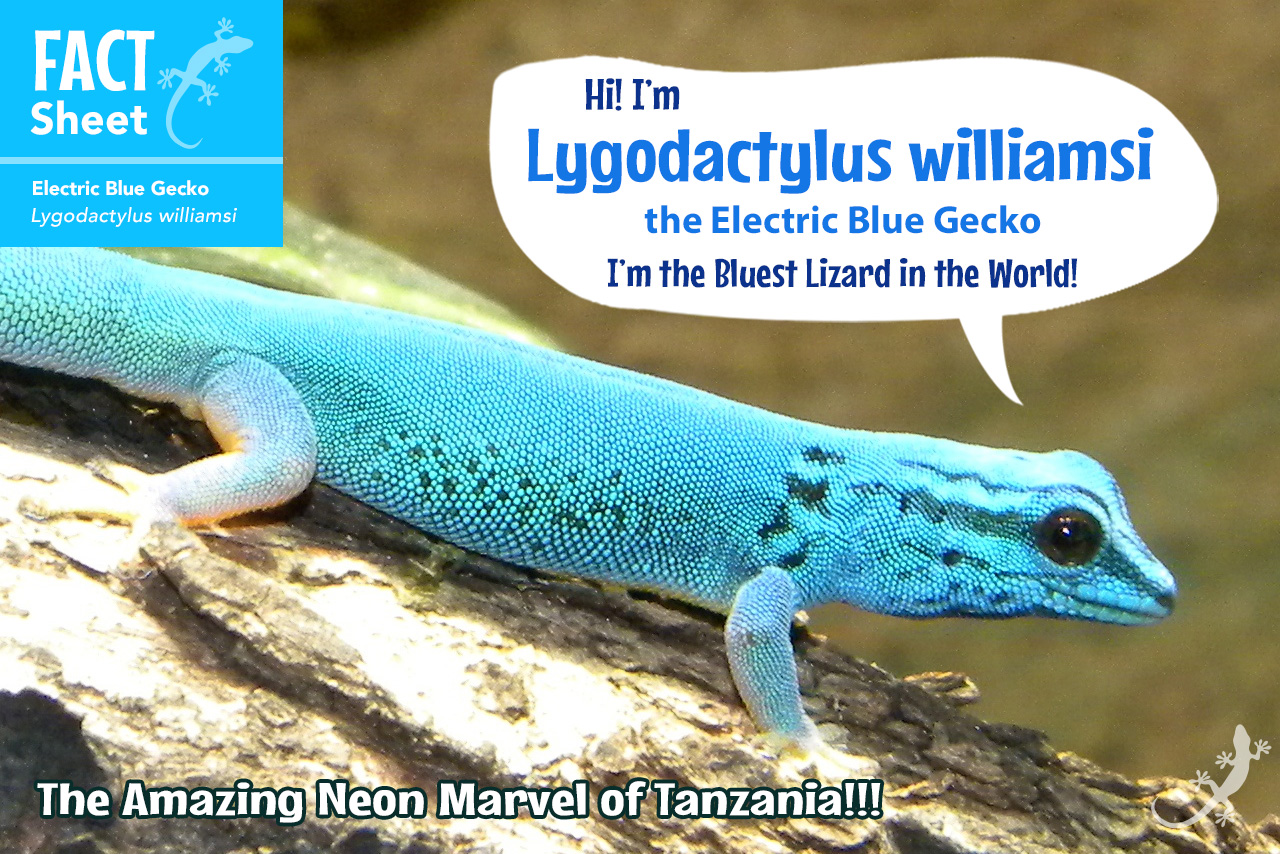
If you’re fascinated by vibrant animals that seem straight out of a fantasy world, then meet the electric blue gecko. A tiny, dazzling reptile from East Africa–Tanzania, to be specific! This striking gecko grabs attention with its electric hues and lively demeanor. But behind its beauty lies a tale of ecological rarity and pressing conservation importance. Read on to uncover the wonders of Lygodactylus williamsi, often referred to as the neon lizard.




Table of Contents
- The Neon Lizard That Stands Out
- The Electric Blue Gecko’s Taxonomy – Scientific Spotlight
- Geographic Range and Natural Habitat
- Physical Characteristics
- Behavior and Bold Personalities
- Breeding and Baby Geckos
- Electric Blue Geckos in Captivity
- Conservation Matters
- Fun Gecko Facts
- Bringing It All Together
The Neon Lizard That Stands Out
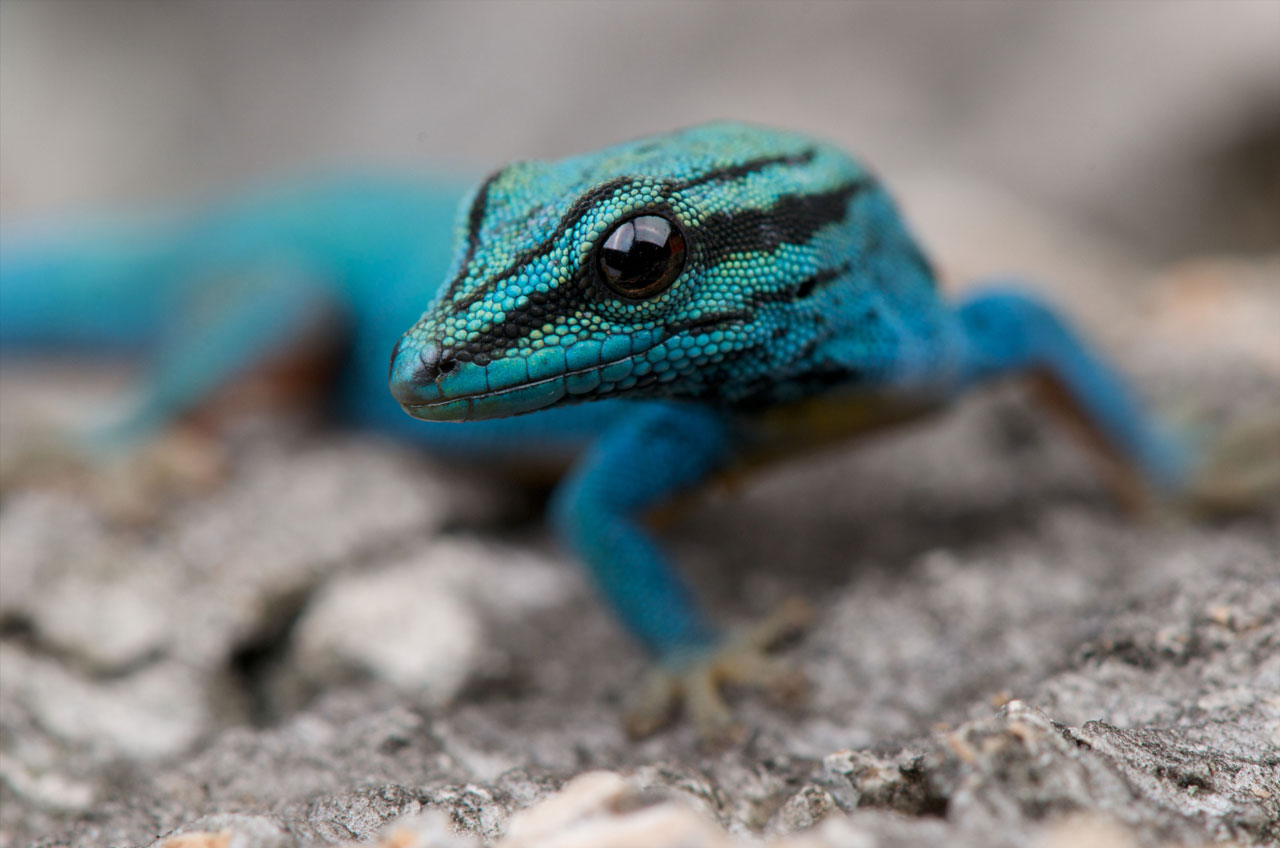
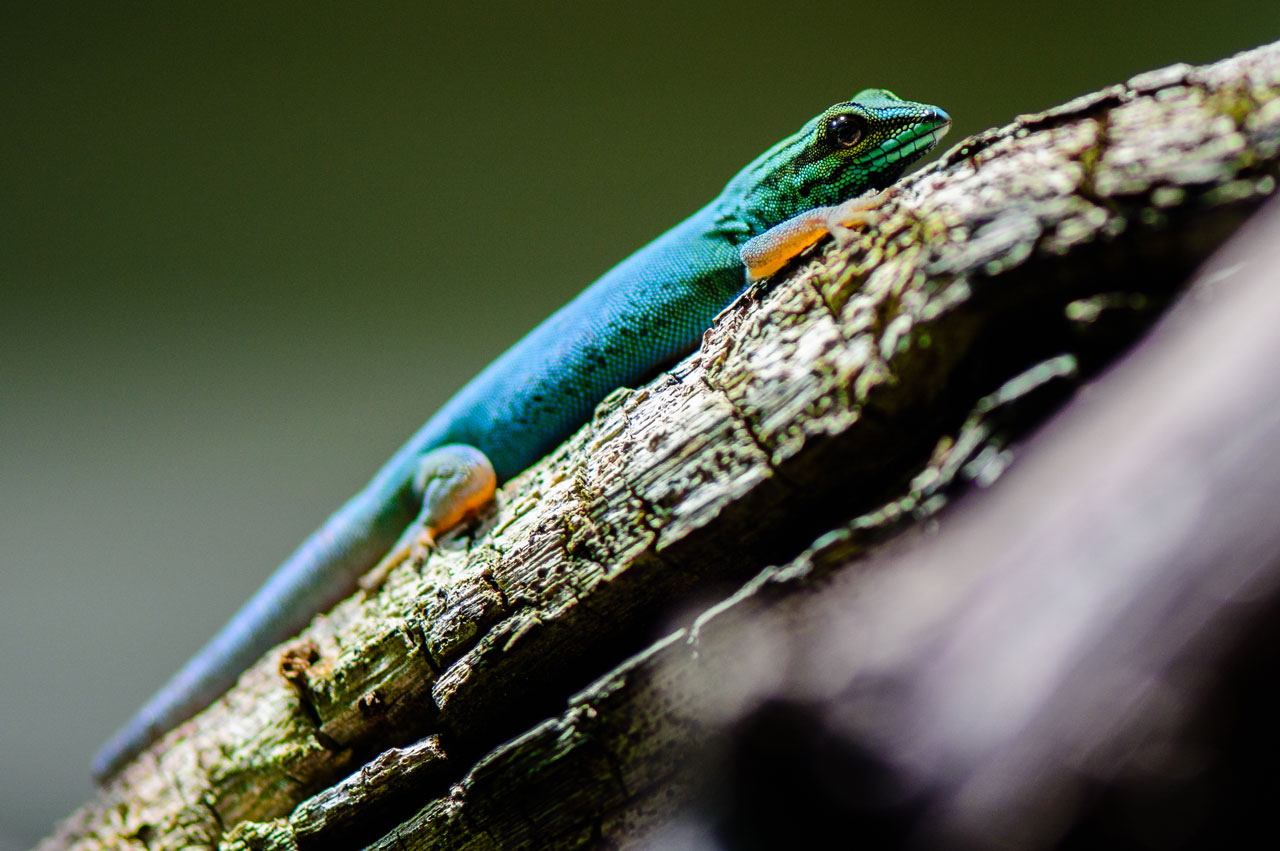
The electric blue gecko’s most captivating feature is undeniably its vivid coloration. Males boast a shimmering metallic electric blue body with dark markings, while females and juveniles take on a subtler green to bronze gradient with a coppery sheen. This color difference not only plays a role in mate selection but also acts as a territorial display among males. However, this dazzling appearance comes at a cost–it makes them highly visible to predators like birds and snakes.
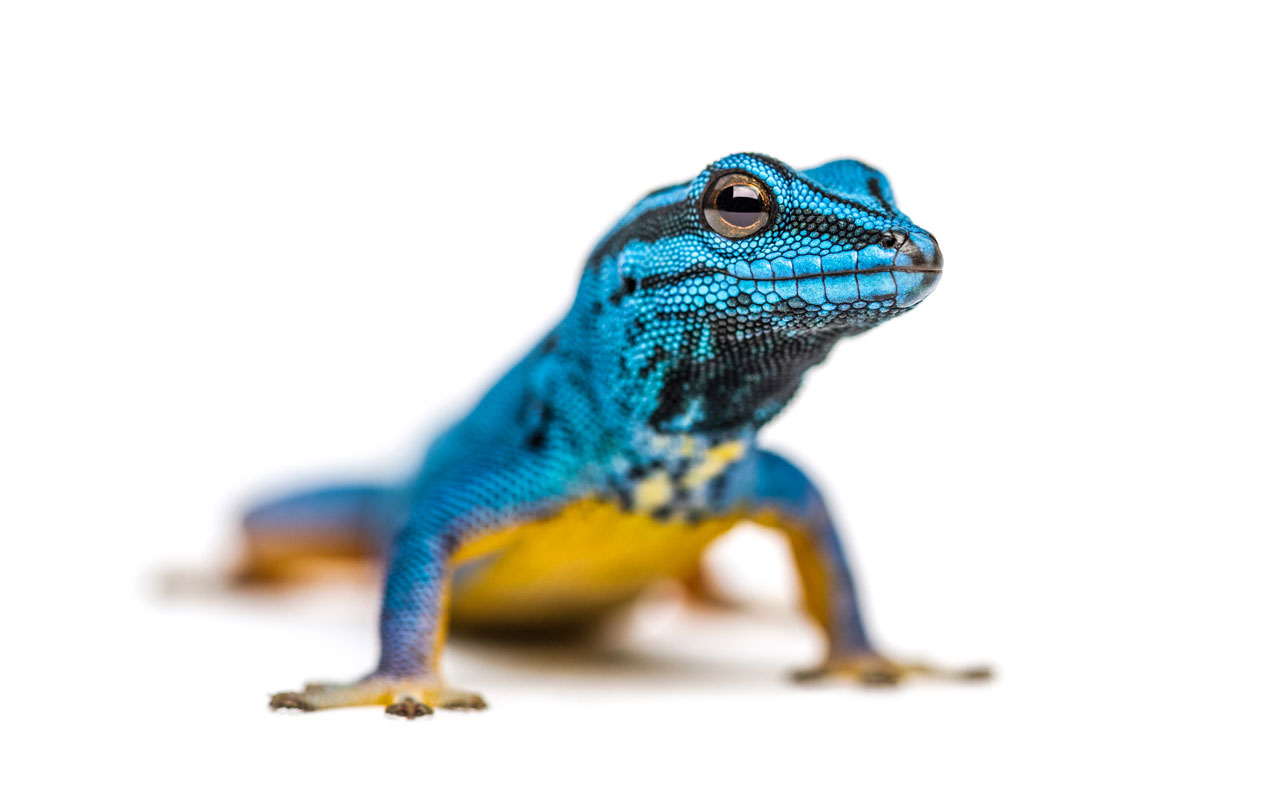
Fondly nicknamed the neon lizard for their glowing hues, these little creatures are just as captivating in motion as they are in appearance. Their bold colors combined with their active daylight behavior give them an unmatched presence in the animal kingdom.
The Electric Blue Gecko’s Taxonomy – Scientific Spotlight
The electric blue gecko doesn’t just stand out visually; it also has a unique place in the scientific world. Here’s its taxonomy:
- Kingdom: Animalia
- Phylum: Chordata
- Class: Reptilia
- Order: Squamata
- Family: Gekkonidae
- Genus: Lygodactylus
- Species: L. williamsi
- Common Names: Electric Blue Gecko, Turquoise Dwarf Gecko, William’s Dwarf Gecko
This classification highlights where it sits in the reptile family tree, marking its evolutionary link to other geckos.
Geographic Range and Natural Habitat
Lygodactylus williamsi is endemic to a small area in the Kimboza Forest Reserve of eastern Tanzania. Found almost exclusively on Pandanus plants (also known as screw pines), they rely heavily on this habitat for food, sunlight basking, and protection from predators.
Habitat-specific species like these geckos often have very narrow survival conditions, and the electric blue gecko is no exception. They thrive in warm, humid environments with dappled light, making forest edges their preferred terrain. Unfortunately, their highly localized habitat is shrinking due to deforestation and human activity.
Physical Characteristics
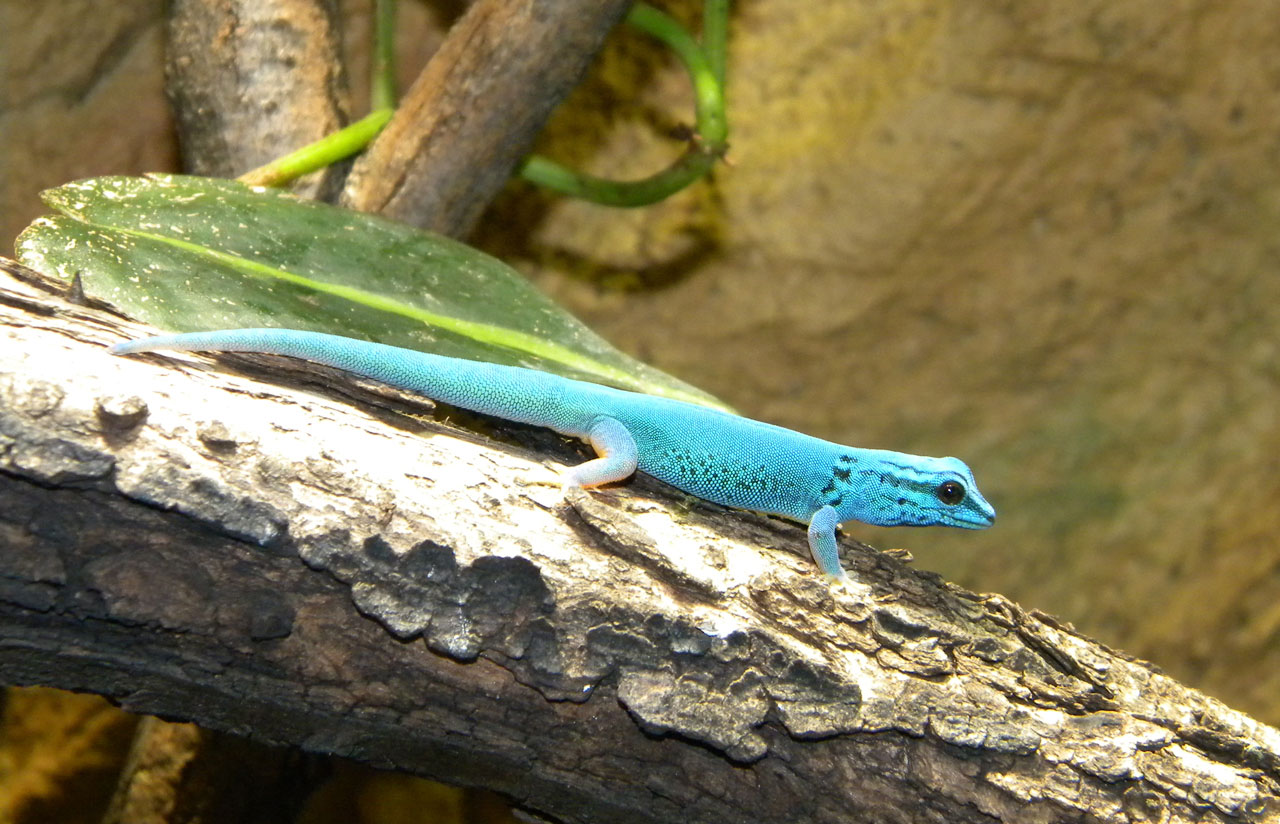
You might be wondering how small these neon gems really are. Measuring a total of 2.5 to 3 inches in length, they’re tiny but agile climbers. Equipped with slender, flattened toe pads, they effortlessly maneuver through tree branches and leaves.
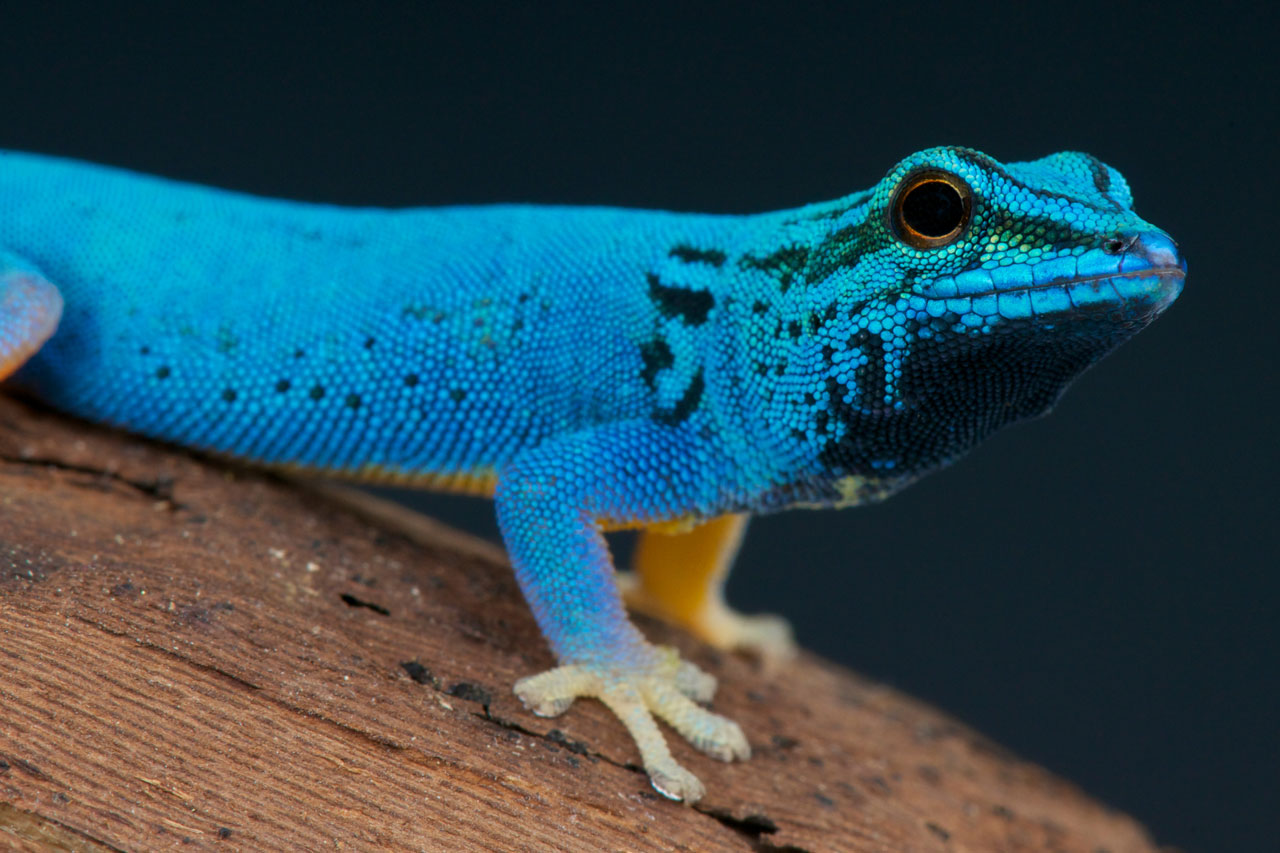
Their large, round pupils are optimized for sunlight, reflecting their diurnal (day-active) lifestyle, unlike most nocturnal geckos. Add in their slender bodies, and it’s clear this species is built for arboreal (tree-dwelling) living.
Behavior and Bold Personalities
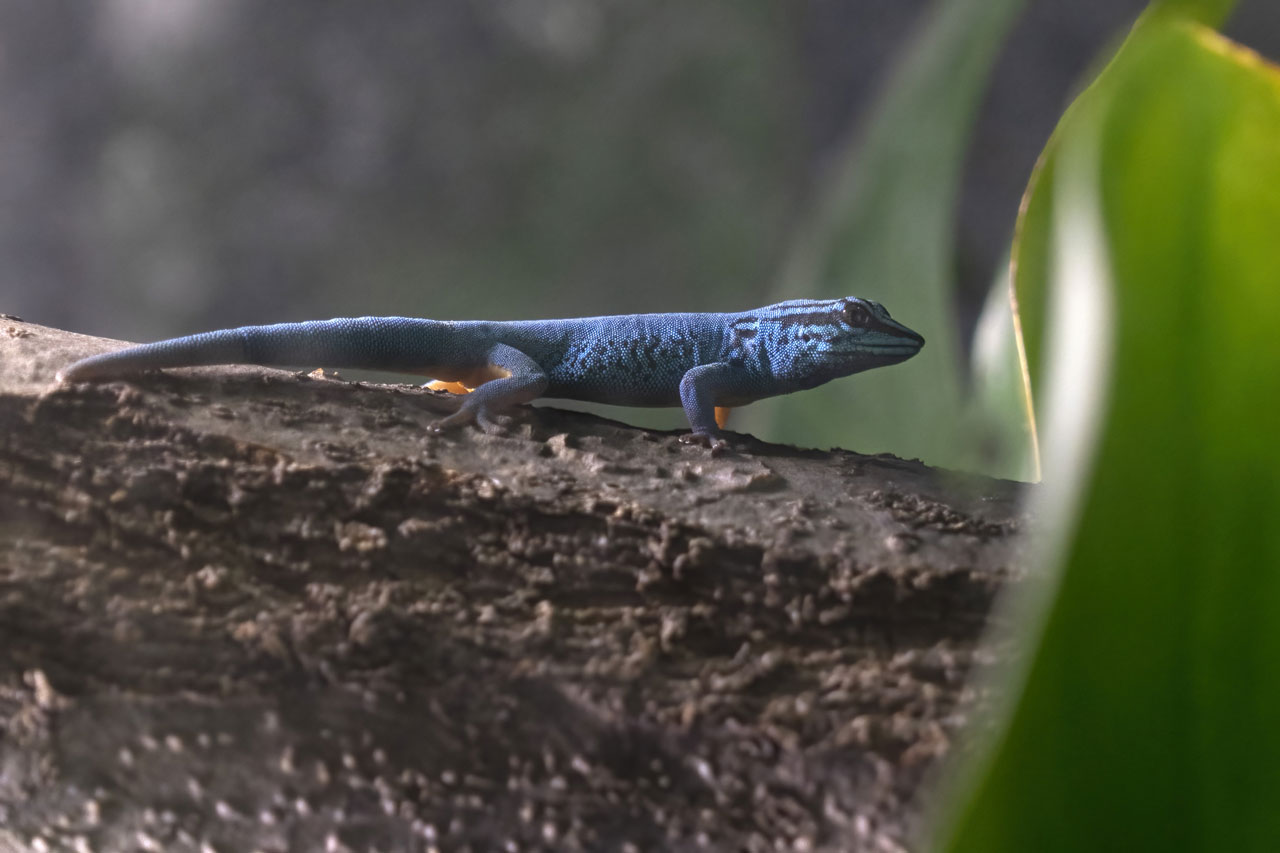
Electric blue geckos are as lively as they look. Being active during the day gives them a unique edge, making their behavior easy to study and highly entertaining to observe. Males are strictly territorial, often seen displaying bold body language—including color changes and tail flicks—to communicate dominance or warn rivals.
Observers have noted that these geckos are naturally curious, often proudly basking in full view or foraging in open spaces. Their active movements and bold personalities make them a favorite among reptile hobbyists and scientists alike.
Breeding and Baby Geckos
Electric blue geckos reproduce by laying adhesive eggs, often hidden on leaves or under bark. Females typically lay two eggs at a time, and these eggs hatch within 45–60 days in the right conditions.
The hatchlings are tiny replicas of their parents, requiring small prey (like fruit flies) and careful humidity control to survive their early days.
What’s fascinating is their ability to breed year-round under optimal conditions, making them prolific but vulnerable breeders.
Electric Blue Geckos in Captivity
Although popular in the pet trade, electric blue geckos are best suited for experienced keepers. Here’s what it takes to care for them:
- Housing needs: Small but vertically oriented vivariums filled with branches, plants, and climbing surfaces.
- Humidity: Maintain levels between 60–80% with regular misting.
- UVB lighting: Vital for health, as it prevents metabolic bone diseases.
- Diet: Balanced, calcium-rich foods to ensure strong bones and reproductive health.
With ideal care, these geckos can live between 5 and 8 years in captivity. However, their fragility, speed, and specific requirements make them a challenge for beginners.
More about Diet and Feeding Habits
This species is omnivorous, thriving on a mix of animal and plant-based diets. Here’s what fuels their energetic lifestyle:
- Wild diet:
- Small insects
- Fruit nectar
- Pollen
- Captive diet:
- Pinhead crickets
- Fruit fly larvae
- Specialized fruit-based gecko diets
- Honey-water blends for occasional enrichment
Since they depend on ultraviolet (UVB) exposure to metabolize calcium, providing UVB light in captivity is crucial to their health.
Conservation Matters
Despite their popularity in the reptile hobby, the electric blue gecko faces an existential crisis in the wild. Deforestation, coupled with illegal collection for the pet trade, has left this species classified as Critically Endangered by the IUCN.
The Kimboza Forest is their only native range, covering less than 8 square kilometers. Poaching for the illegal pet trade has drastically reduced their wild population, and habitat destruction only worsens their plight. Captive breeding programs are now critical to their survival. If you’re considering keeping one, always choose captive-bred (CB) individuals instead of wild-caught ones to support ethical practices.
Fun Gecko Facts
Why not wrap things up with some trivia?
- A male’s color can subtly shift depending on mood, temperature, or light conditions.
- Unlike many other reptiles, female geckos can coexist in harmony.
- The tiny native range of the electric blue gecko is one of the smallest geographic distributions for any vertebrate!
Bringing It All Together
The electric blue gecko is more than a stunning neon marvel; it’s a beacon of biodiversity and conservation awareness. Whether you’re watching it in a thriving terrarium or imagining it clinging to the sunlit trees of Tanzania, this lizard inspires wonder and curiosity.