


Central American Banded Gecko: A Jungle Floor Trickster with a Rattling Tail
The Central American Banded Gecko (Coleonyx mitratus) is a truly captivating reptile that’s full of surprises, from its mesmerizing tail-waving behavior to its secretive nocturnal habits as it prowls beneath layers of jungle debris.
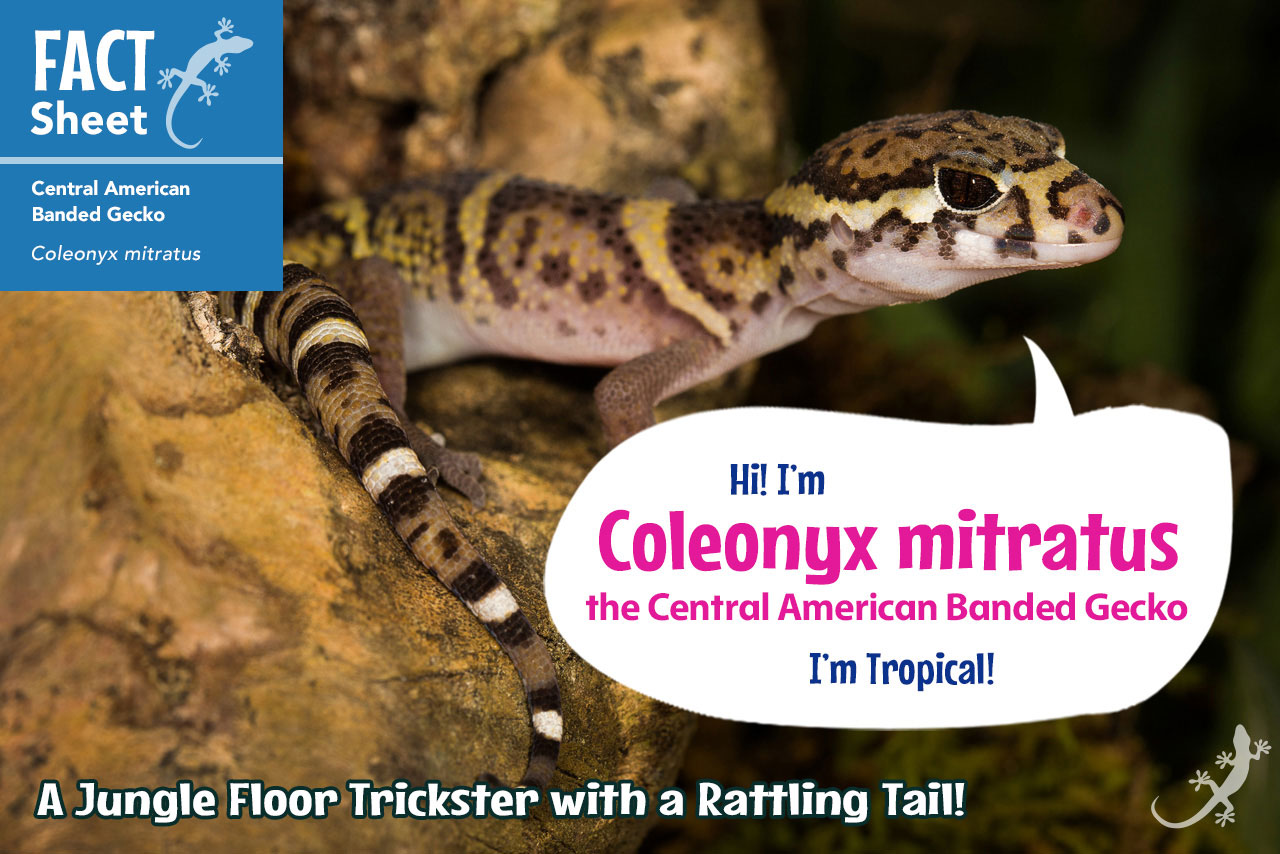
Closely related to the Western Banded Gecko (see previous gecko species profile!), this species stands out for its charm and unique adaptability. Whether you’re an experienced reptile enthusiast or just stepping into the fascinating world of geckos, the Central American Banded Gecko is sure to become one of your must-know favorites!








Table of Contents
- Marveling at the Mimicry: Rattlesnake Impersonator Extraordinaire
- Taxonomy & Family Ties
- Where the Wild Ones Roam
- What Do Central American Banded Geckos Look Like?
- How Do They Behave? Stealth, Snacks, and Survival
- Love and Little Geckos: Reproduction Details
- Keeping Central American Banded Geckos Happy in Captivity
- Conservation Status – Stable, But Still Worth Protecting
- Fun Fact Corner
- Small Gecko, Big Personality
Marveling at the Mimicry: Rattlesnake Impersonator Extraordinaire
The Central American Banded Gecko has evolved a nifty deception called Batesian mimicry. By vibrating its tail rapidly, it mimics the warning signals of a venomous rattlesnake. Predators familiar with the real deal will often think twice before snatching up what they think might be a dangerous snack! And if that fails? Like other clever gecko kin, C. mitratus, of course, can also drop its tail, like most lizards, sacrificing a bit of itself to make a daring escape. Talk about survival skills!
Taxonomy & Family Ties
To truly understand this species, it’s helpful to know where it fits into the grand reptilian family tree:
- Kingdom: Animalia
- Phylum: Chordata
- Class: Reptilia
- Order: Squamata
- Family: Eublepharidae
- Genus: Coleonyx
- Species: C. mitratus
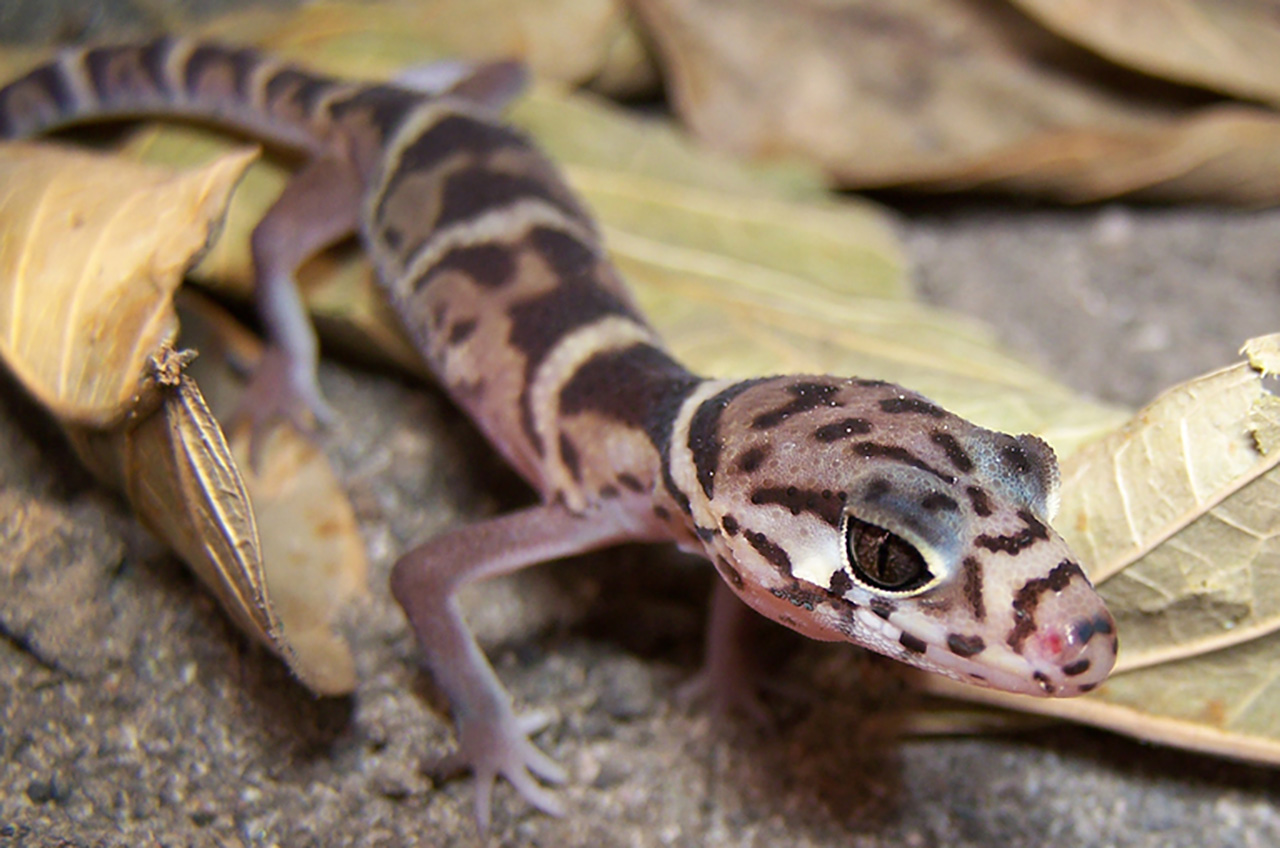
C. mitratus belongs to the revered “eyelid gecko” family, Eublepharidae. Unlike the sticky-toed, tree-hopping geckos people often imagine, this crew is all about life at ground level—with movable eyelids to keep their eyes dust- and debris-free. Eyelids on a gecko? Now, that’s an ancient family quirk I can get behind.
Where the Wild Ones Roam
Central American Banded Geckos hail from a tropical wonderland, stretching across Nicaragua, Honduras, Costa Rica, El Salvador, and Panama. If you’ve wandered Central American woodlands on a warm, muggy night, chances are you’ve passed right by one of these stealthy little climbers, hidden beneath a log or buried in leaf litter.

They stick to humid, lowland forests and sometimes edge into woodland borders or scrubby areas—even near towns and villages. Daytime means super-secret hiding, but as dusk falls, they emerge with their oversized eyes ready for insect-hunting escapades. Getting a glimpse of one in the wild feels like finding a hidden gem!
What Do Central American Banded Geckos Look Like?
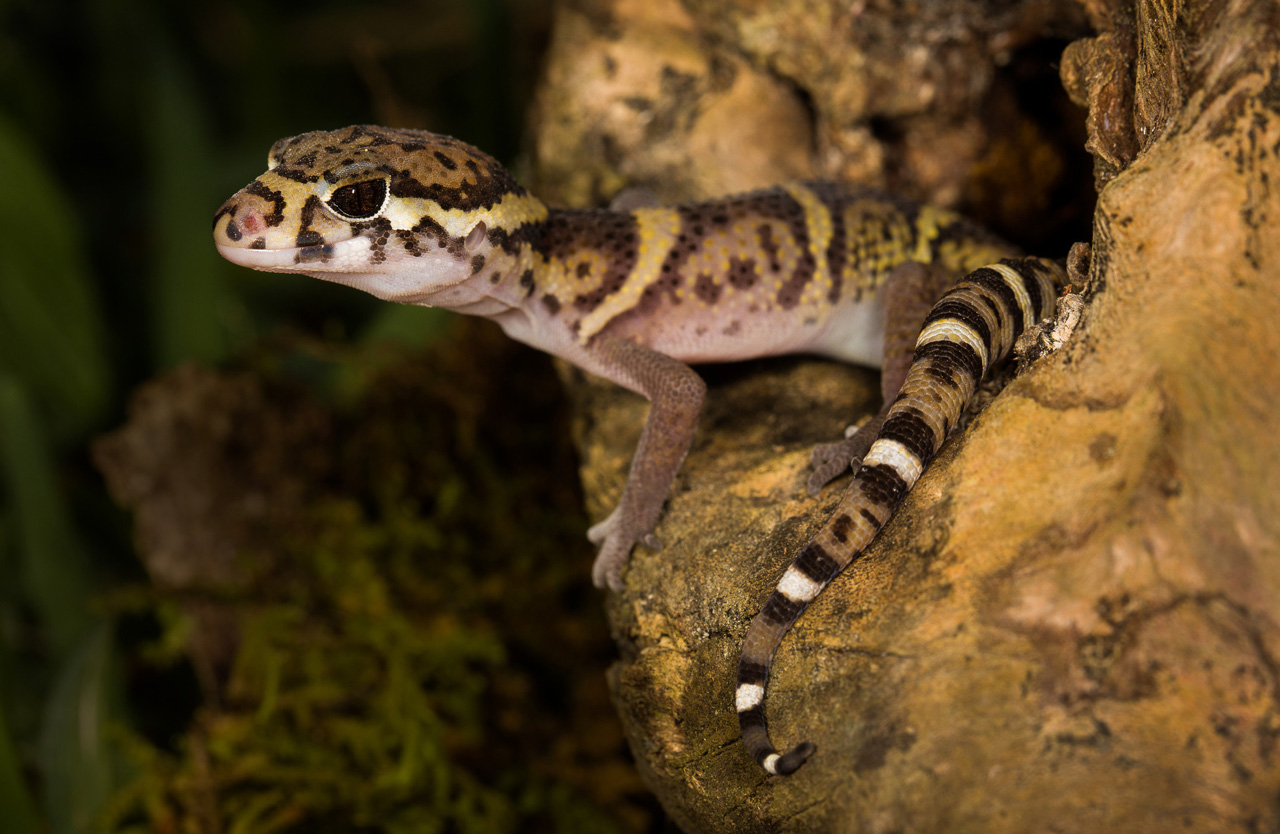
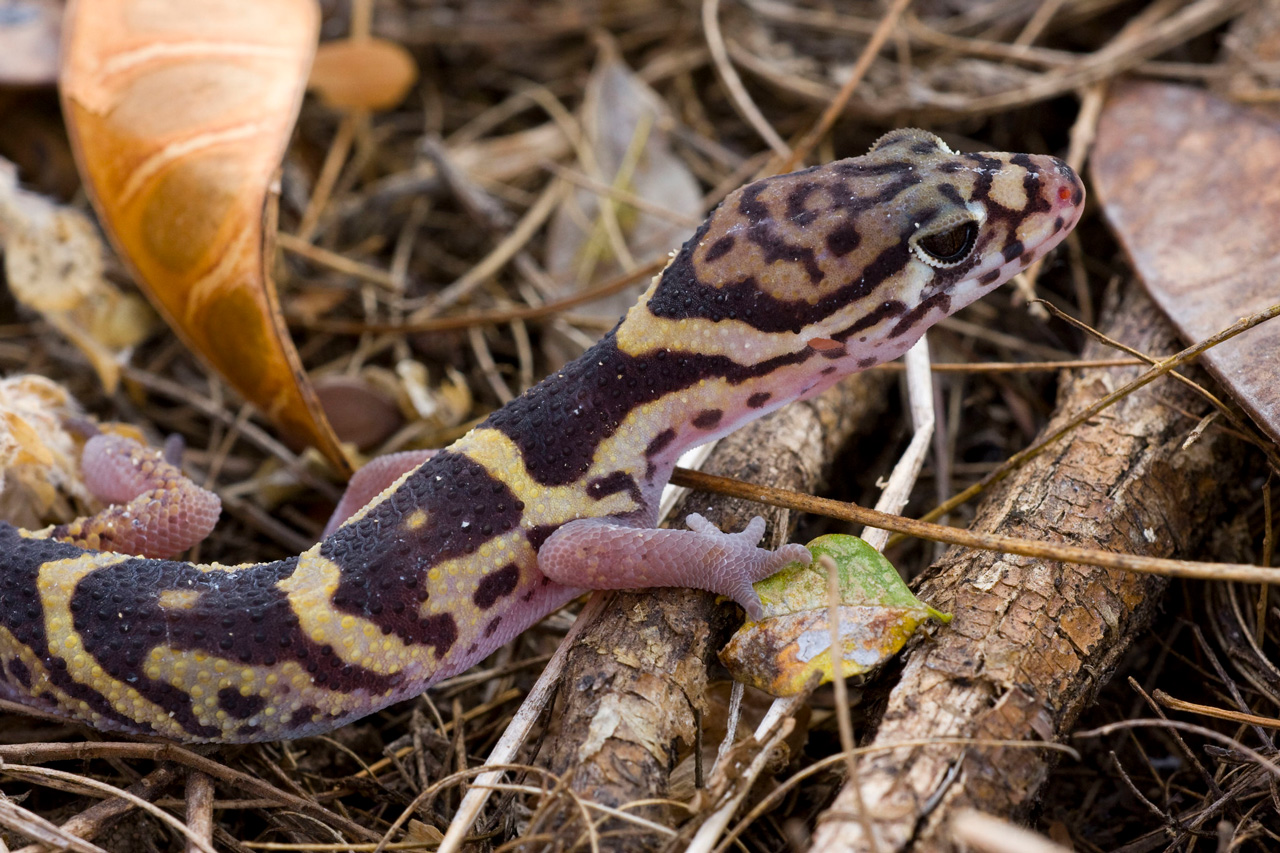
You’re in for a visual treat with this one. Unlike their more muted U.S. relatives, these geckos are decked out in technicolor. They boast a slender, agile body measuring 5 to 7 inches from nose to tail. Their bodies are decorated with dramatic dark bands, set against backgrounds that can be yellow, orange, or even blushing pink.
Their eyes are something else—big, soulful, with vertical pupils that catch every glimmer of moonlight. No sticky toe pads here; their digits are designed for scampering across the jungle floor, not climbing glass terrariums.
How Do They Behave? Stealth, Snacks, and Survival
If you’re up for a nocturnal adventure, follow a Central American Banded Gecko as it hunts. These guys are master stealth artists, waiting for just the right moment to pounce on crickets, roaches, spiders, or beetles.
Tail rattling isn’t just about faking out predators. Some believe it plays a part in courtship or even warding off rivals during nighttime snack quests. Above all, these geckos are calm and gentle, even when startled. I’ve seen keepers watch them for hours, utterly captivated by their patient movements.
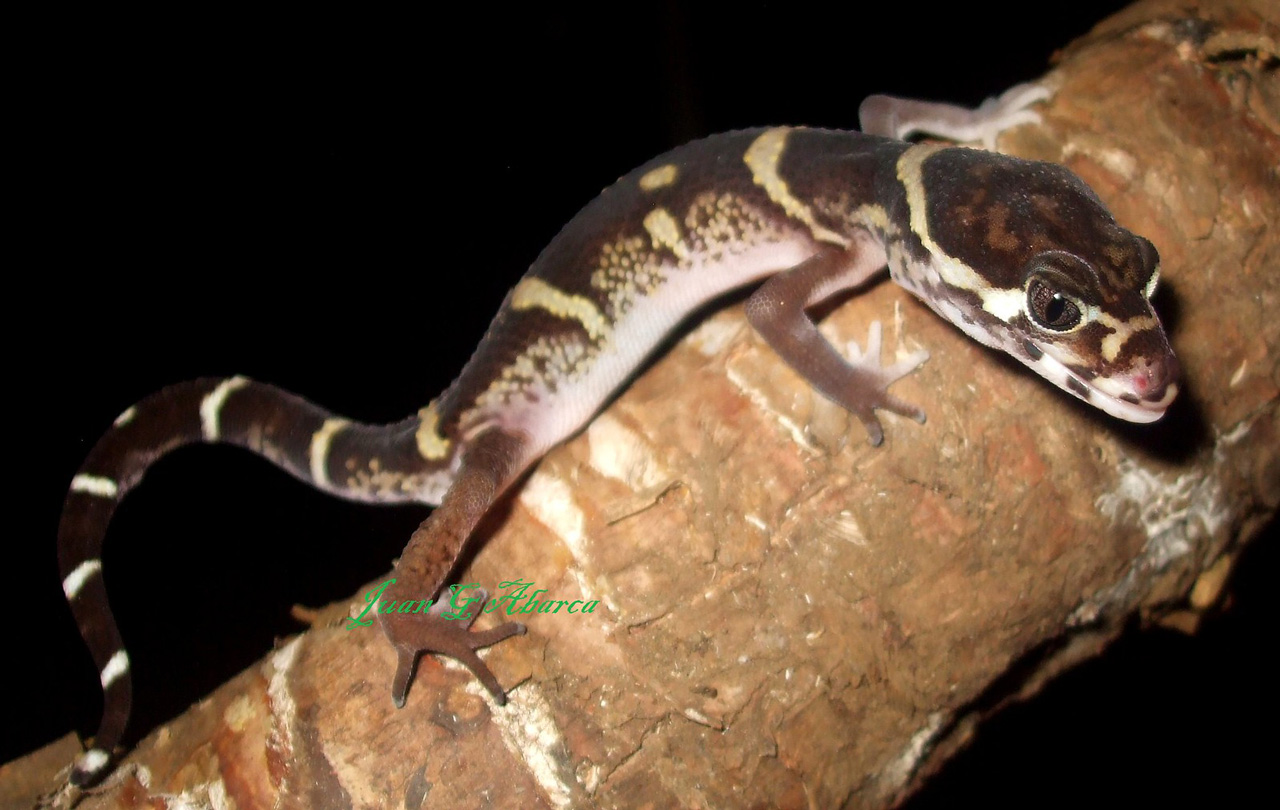
That said, they’re not big on cuddles. Handle them sparingly if you keep one at home; they appreciate peace over petting.
Love and Little Geckos: Reproduction Details
Breeding in the wild syncs with the rainy season, when humidity is perfect for egg-laying and food is abundant. Females choose secret, moist spots to lay tiny clutches of 1–2 eggs. After 40–60 days (give or take, depending on the jungle’s mood), out pop minuscule, self-sufficient hatchlings, already keen to hunt for their supper.
It’s awe-inspiring to see a perfectly patterned miniature gecko emerge and strike out on its own from day one. The video below actually has some great insight into keeping Central American Banded Geckos, but there’s some great information as well about breeding and caring for new baby hatchling Central American Banded Geckos!
Keeping Central American Banded Geckos Happy in Captivity
These geckos have a cult following among dedicated herp enthusiasts and breeders, though they haven’t reached the superstar status of Leopard or Crested Geckos. If you’re thinking about adding one to your reptile room, here’s what you need to know:
- Habitat: Mimic a tropical forest floor in their enclosure. A warm side for basking, a humid hide for shedding, and a deep layer of leaf litter or coconut fiber will make them feel right at home.
- Handling: They’re docile, but their delicate build means they don’t enjoy frequent handling. Best to watch and admire!
- Diet: Stick to a menu of well-fed, gut-loaded insects. Occasional treats like waxworms or small beetles add variety.
- Lifespan: With just a little care and attention, they can live anywhere from 6 to 10 years or more. Not bad for a gecko that stealths around the jungle floor!
And to get even more first-hand expert advice, check out the great video below!
Conservation Status – Stable, But Still Worth Protecting
To date, Central American Banded Geckos aren’t on any urgent conservation watch lists. Populations in many regions are steady. However, like so many of their tropical neighbors, they face the gradual pressures of deforestation and habitat fragmentation. Ongoing preservation of their wild homes ensures future generations get to marvel at their mimicry on moonlit nights.
Fun Fact Corner
- Those Eyelids! Unlike almost every other pet store gecko, Central American Banded Geckos can blink and close their eyes. It’s a throwback to ancient times!
- Vocal Tricks: Get close and you might hear tiny squeaks or chirps when they’re startled or stressed. It’s like a gecko’s secret Morse code.
- Master of Disguise: Their flashy bands don’t just look cool; combined with their calm, they disappear into jungle leaf litter in a flash.
Small Gecko, Big Personality
The Central American Banded Gecko isn’t just a side note in gecko lore; it’s a testament to how subtle adaptations and clever behaviors can help even the smallest creatures thrive. Their tail-rattling deception is worthy of a standing ovation, while their soft colors and gentle manner make them a joy for reptile keepers and wildlife watchers alike.
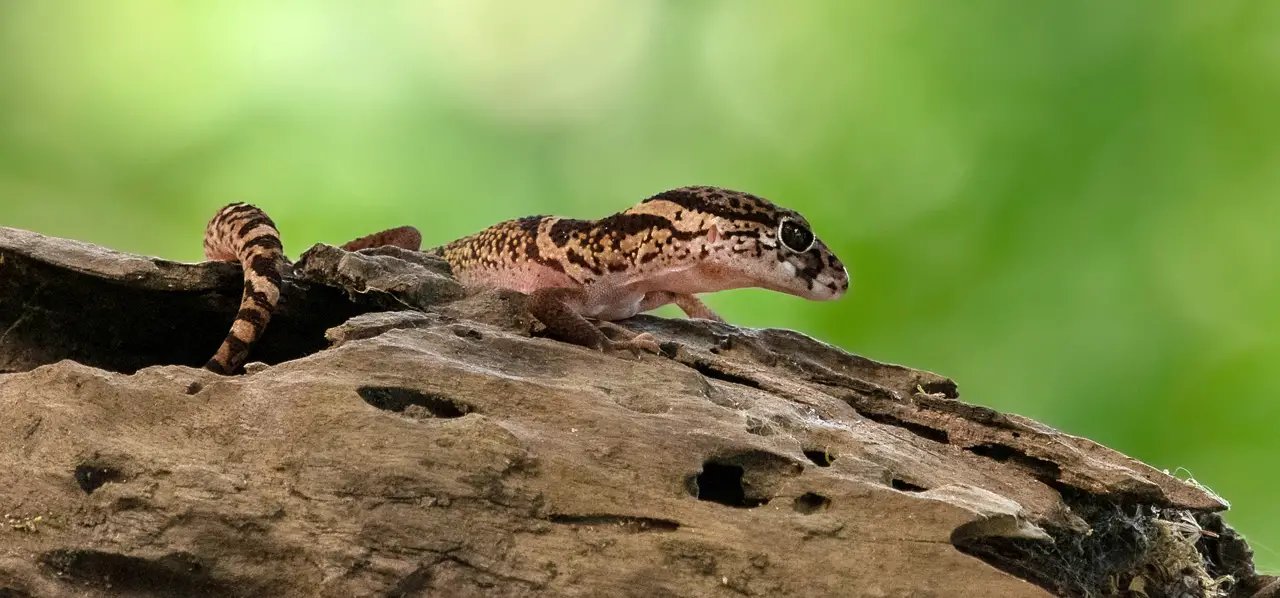
For anyone longing to add a touch of tropical flair (and mystery) to their reptile collection, or for those passionate about studying mimicry in the wild, Coleonyx mitratus invites you into a world of exploration. Keep your flashlight handy, stay patient, and savor every jungle-floor encounter. These geckos prove that sometimes, the brightest stars are found closest to the ground.